
Preparing a nursery is one of the most exciting milestones for expectant parents in Singapore. However, with a vast array of imported baby furniture available in local showrooms and online marketplaces, ensuring the physical safety of your child’s sleep environment requires careful scrutiny. To guarantee a baby bed is safe, you must verify that it complies with recognized international safety standards—such as the European EN 716 or the American ASTM F1169—and aligns with the consumer safety guidelines monitored by Enterprise Singapore. Because infants spend long, unsupervised hours sleeping, every structural detail, from the distance between the slats to the chemical composition of the paint, must be verified against official manufacturer documentation rather than relying solely on promotional claims.
Recognizing Key Safety Certifications and Labels
When shopping for a baby bed, your first line of defense is identifying verified safety certifications. These certifications indicate that a representative sample of the product has undergone rigorous mechanical and chemical testing to withstand the daily demands of an active infant.
The most common standard you will encounter in Singapore is the European standard, designated as EN 716. This standard ensures the cot is structurally sound, has appropriate barrier heights, and is free from entrapment hazards. Another highly respected framework is the American standard, ASTM F1169, which governs full-size baby cribs and mandates strict testing for structural integrity, mattress support strength, and component durability. You may also see the Australian and New Zealand standard, AS/NZS 2172, which is equally rigorous and highly relevant for products imported from the Oceania region.
Products mentioned in this guide
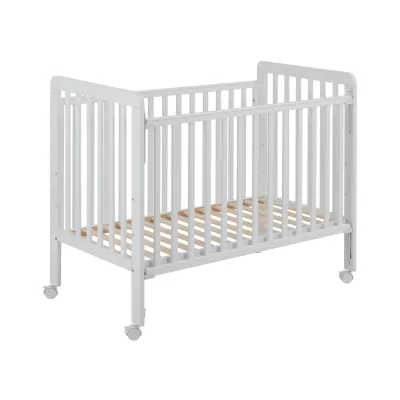
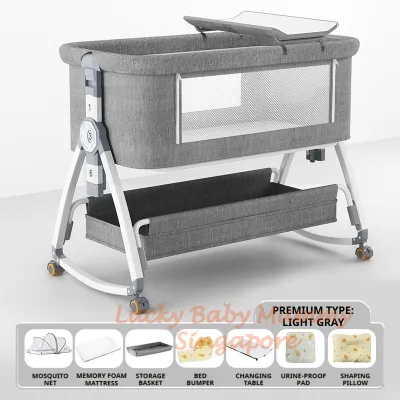
![[SG Stock]Brotish Multifunctional 2 Layer Portable Infant Baby Cot Playpen Travel Cot Bed Double-deck Playpen Sleep Bed](https://img.lazcdn.com/g/p/1d2300a4ca5dde51839ac1a460f68d97.jpg_400x400q80.jpg_.webp)

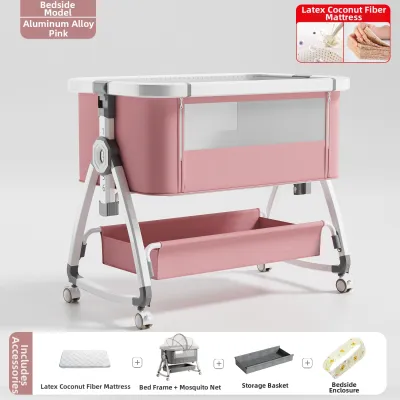
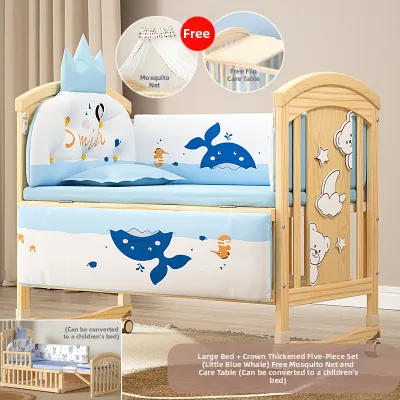
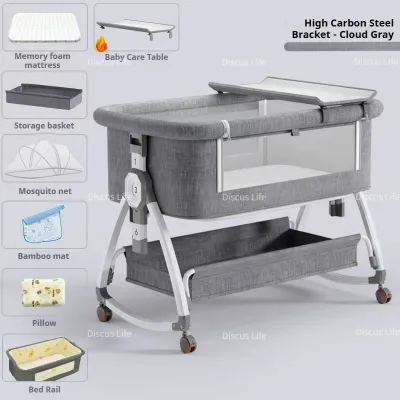
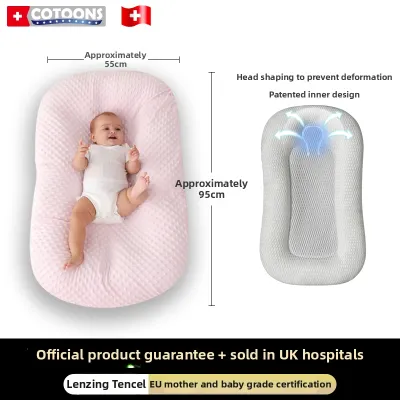
Prices are valid at publication and may change. Please refer to the product page for the latest price.
In Singapore, Enterprise Singapore acts as the safety authority overseeing general consumer goods. While baby beds do not require a specific local safety mark like electrical appliances do, they must comply with the Consumer Protection (Safety Requirements) Regulations. This means any baby bed sold in the market must be safe for its intended use and should ideally conform to one of the recognized international standards.
To verify these claims, look for a permanent label or stamp on the bed frame itself. This is typically located on the inside of the headboard, footboard, or on the underside of the mattress support base. The label should clearly state the manufacturer’s name, the specific model number, and the exact safety standard it meets. If a seller claims a product is certified but cannot point to a physical label or provide an official certificate of compliance from an independent testing laboratory, treat this as a significant warning sign. Always cross-reference the seller’s marketing materials with the official user manual and the manufacturer’s website to ensure the certifications are genuine and up to date.
Essential Physical Safety Checks Before Purchase
Even when a baby bed boasts impressive certifications, performing a hands-on physical inspection—or carefully reviewing the detailed technical specifications if purchasing online—is essential to ensure the individual unit is safe.

Begin by evaluating the slat spacing. The gaps between the vertical slats of the cot must be narrow enough to prevent your baby’s head, limbs, or torso from slipping through and becoming trapped. According to international safety specifications, the distance between slats should be no more than 6 centimeters. A practical way to visualize this is that the gap should not allow a standard soft drink can to pass through. Ensure that all slats are securely fixed in place and do not bend, rotate, or pull out of their sockets when firm pressure is applied.
Next, examine the mattress fit. A mattress that is too small for the bed frame creates dangerous gaps where a baby’s head or body can become wedged, posing a severe risk of suffocation. When the mattress is placed centrally inside the cot, there should be no gap wider than 2 centimeters between the mattress edges and the inner sides of the bed frame. If you can easily insert more than two fingers between the mattress and the cot sides, the mattress is too small for that specific bed frame and must not be used.
Inspect the corner posts and overall hardware integrity. Corner posts should be virtually flush with the end panels of the cot, rising no higher than 1.5 millimeters above the adjacent panels. If corner posts are taller, they can easily catch on a baby’s clothing, sleep sack, or pacifier ribbon, presenting a serious strangulation hazard. All hardware, including screws, bolts, brackets, and wooden joints, must be smooth, rounded, and securely recessed. There should be no sharp edges, splinters, or exposed metal threads that could scratch your baby’s delicate skin.
Finally, verify the safety of the finishes and materials. Babies frequently chew on the top rails of their cots, especially when teething. Ensure that the wood, paint, varnish, or plastic teething guards are certified non-toxic and lead-free. Look for documentation confirming compliance with chemical safety standards, such as the European EN 71-3 standard, which strictly limits the migration of heavy metals and toxic elements in children’s products.
Critical Red Flags and When to Reject a Baby Bed
Knowing when to walk away from a purchase is just as important as knowing what to look for. Certain design features and product conditions pose immediate safety risks that should prompt you to reject a baby bed outright.
The most obvious red flag is missing, faded, or completely unverifiable safety documentation. If a baby bed is delivered without a comprehensive, printed instruction manual in English, or if the packaging lacks clear manufacturer contact details, do not assemble or use it. Incomplete documentation often points to substandard manufacturing processes or a lack of quality control, meaning the bed may not have undergone any safety testing at all.
Hazardous design features are another reason for immediate rejection. Avoid cots with decorative cut-outs or scrollwork in the headboard or footboard. While these designs may look aesthetically pleasing in a nursery, they create small, irregular openings that can easily trap a baby’s fingers, toes, or head. Similarly, avoid beds with complex, moving side mechanisms that are difficult to operate or feel flimsy, as these components are prone to mechanical failure over time.
Be exceptionally cautious when considering second-hand, modified, or vintage baby beds. While buying pre-loved furniture is a popular and sustainable choice in Singapore, older cots often fail to meet modern safety standards. Singapore’s high humidity can cause wood to warp, expand, or contract, which can compromise the structural integrity of joints and cause glue to degrade. Furthermore, older beds may have been painted with lead-based paints, or their hardware may have worn down, making them unstable. If a second-hand bed has been modified, repainted with unknown finishes, or is missing its original assembly hardware, it is safest to reject it and invest in a compliant, modern alternative.
Safe Assembly and Ongoing Maintenance Requirements
Bringing a certified, safe baby bed into your home is only the first step; maintaining its structural integrity through correct assembly and regular checks is vital for your baby’s ongoing protection.
When assembling the bed, you must follow the manufacturer’s printed instructions step-by-step. Never rush the process, and do not attempt to improvise. Use only the exact hardware—screws, bolts, dowels, and brackets—provided in the packaging. If you find that a piece of hardware is missing, damaged, or does not fit perfectly, do not substitute it with a generic screw from a local hardware store. Contact the manufacturer or the authorized distributor in Singapore to obtain the official, matching replacement parts.
Once the bed is assembled, establish a routine maintenance schedule. As your baby grows, they will move more actively, bouncing, shaking the rails, and putting physical stress on the frame. Singapore’s humid climate can also cause wooden components to shift slightly over time. Once a month, perform a thorough inspection of the bed. Gently shake the frame to check for any wobbling or instability. Use the appropriate tools to check and gently tighten all screws, bolts, and joints, ensuring they remain flush and secure.
Adjusting the mattress support height is another critical safety task tied to your baby’s developmental milestones. Most modern baby beds offer two or three height positions. The highest setting is designed strictly for newborns who cannot yet roll over or sit up, allowing parents to lift them easily. However, as soon as your baby shows any signs of rolling, pushing up on their hands and knees, or sitting independently, you must immediately lower the mattress support to the lowest setting. This prevents your increasingly active baby from climbing or falling over the top rail.
Finally, always adhere to the manufacturer’s explicit stop-use conditions. When your child’s chest is level with the top rail of the cot when standing, or when they reach the maximum height or weight limit specified in the user manual, the bed is no longer safe for them. At this stage, you must transition your child to a toddler bed or a low floor mattress to prevent dangerous fall injuries.
Frequently Asked Questions (FAQ)
Are drop-side baby beds safe to use?
Drop-side baby beds, which feature a side rail that slides down to make accessing the baby easier, carry significant safety risks. Over time, the moving plastic or metal hardware can warp, break, or become misaligned, creating a dangerous gap between the drop-side and the mattress. Infants can slip into this gap and become trapped, leading to a high risk of suffocation. Because of these severe hazards, drop-side cots have been banned or heavily restricted in several international jurisdictions. If you are considering a bed with a drop-side mechanism, you must consult the manufacturer’s manual and check local safety alerts from Enterprise Singapore to verify if the specific mechanism is permitted, and ensure that all moving parts are in perfect, original working order.
Do bedside sleepers and bassinets require the same safety standards?
Bedside sleepers and bassinets do not follow the exact same safety standards as standard baby beds, as they are designed for different developmental stages and sleep setups. Bassinets and bedside sleepers are governed by distinct standards, such as the European EN 1130 standard, which specifically addresses the safety of cribs and cradles. These products have much lower weight and height limits and are intended only for the first few months of life before a baby can sit up or roll over. When using a bedside sleeper that attaches to an adult bed, you must verify that the attachment mechanism is secure, leaving absolutely no gap between the two mattresses, and strictly adhere to the manufacturer’s developmental limits to prevent falls or entrapment.

Community discussion
Share your experience or ask a question. Comments are reviewed before publication.