
If you are searching for a baby bath stand in Singapore and trying to find a brand with Health Sciences Authority (HSA) certification, you will quickly notice a lack of official listings. The short answer is that no baby bath stand brands carry HSA certification. This is not due to a safety failure on the part of manufacturers, but rather a matter of regulatory scope. The HSA does not regulate, certify, or register baby furniture, bathing accessories, or general consumer products. Instead, these items fall under the jurisdiction of other local safety frameworks and international testing standards.
To make a safe purchasing decision, you must look beyond the HSA label. Understanding how baby products are regulated in Singapore, which international safety standards actually apply to bath stands, and how to physically inspect these products will help you choose a secure, stable setup for your baby’s bath time.
Understanding HSA's Scope and Baby Product Regulations in Singapore
The Health Sciences Authority (HSA) is Singapore’s national regulator for health products. Its primary mandate is to ensure that medicines, medical devices, cosmetics, health supplements, and clinical trials meet strict safety, quality, and efficacy standards. Because a baby bath stand is a piece of utility furniture rather than a medical device or therapeutic product, it does not fall under HSA’s jurisdiction. Searching for an HSA logo or registration number on a bath stand is a common misunderstanding that can distract you from verifying the actual safety standards that matter.
Products mentioned in this guide
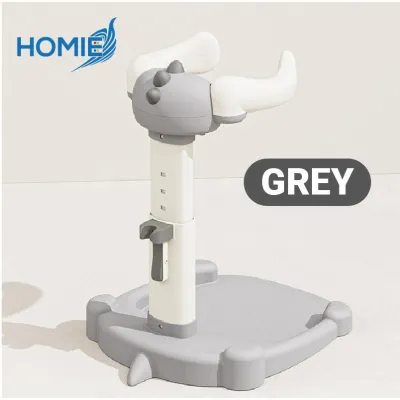
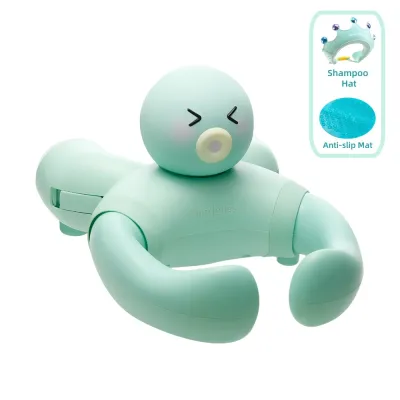
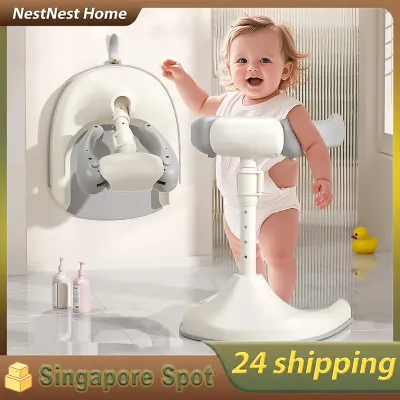
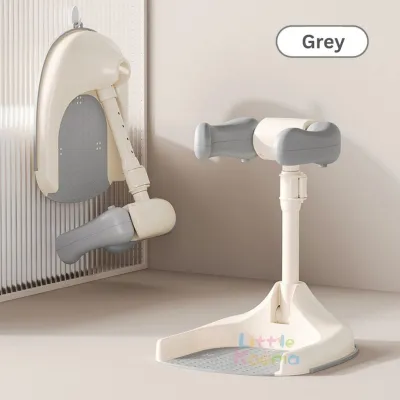
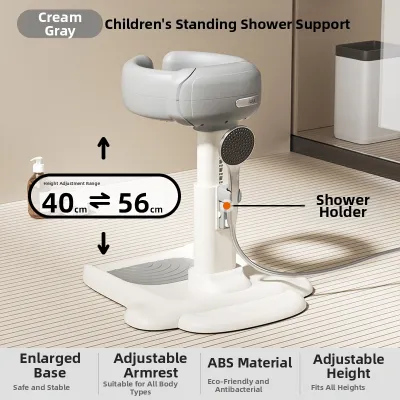
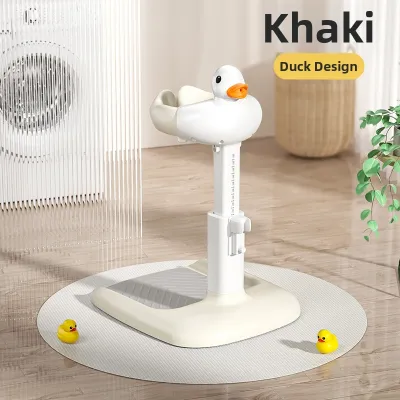
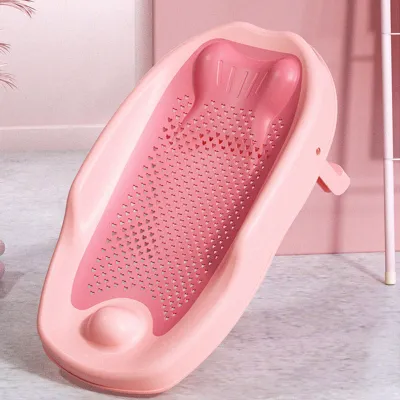
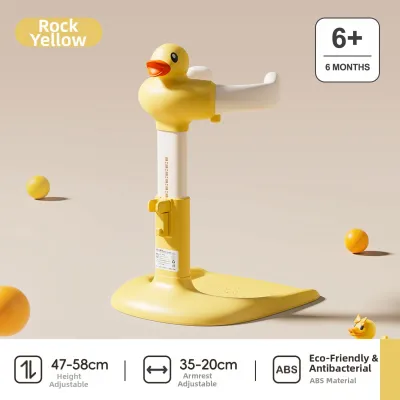
Prices are valid at publication and may change. Please refer to the product page for the latest price.
In Singapore, general consumer products—including baby furniture, toys, and bathing accessories—are overseen by the Consumer Product Safety Office (CPSO), which is safeguarded under Enterprise Singapore. The CPSO manages consumer safety through two main sets of regulations: the Consumer Protection (Safety Requirements) Regulations (CPSR) and the Consumer Protection (Consumer Goods Safety Requirements) Regulations (CGSR).
Under this framework, products are categorized based on risk. “Controlled Goods” under the CPSR, such as home electrical appliances, adapters, and gas cookers, require formal registration and must carry the prominent blue Safety Mark before they can be sold locally. On the other hand, general baby products like bath stands, tubs, and cots fall under the CGSR. These products do not require pre-market registration or a local Safety Mark. Instead, suppliers and retailers are legally responsible for ensuring their products conform to international safety standards. If a product is found to be unsafe, the CPSO has the authority to issue stop-sale orders and recall the items from the Singapore market.
Essential Safety Standards to Look for in a Baby Bath Stand
Since there is no local “baby safety mark” for non-electrical furniture, you must rely on recognized international standards to verify the structural integrity of a baby bath stand. When browsing options in Singapore, look for manufacturer declarations that reference specific European (EN) or American (ASTM) standards.

For bathing units and stands, the most widely accepted standard is EN 12221 (specifically parts 1 and 2), which governs changing units and bath stands for domestic use. This standard specifies rigorous testing for structural stability, load-bearing capacity, and the prevention of finger entrapment. Another relevant standard is ASTM F2930, which outlines safety performance specifications for consumer baby bath tubs and associated stands. These standards ensure that the stand can support the combined weight of the water, the tub, and the active movement of a growing infant without tipping over or collapsing.
Material safety is another critical pillar. Because bath stands operate in wet, humid environments—especially in Singapore’s tropical climate where bathrooms retain moisture—the materials must resist degradation and remain non-toxic. Ensure the plastic components are certified BPA-free and phthalate-free, and that any metal frames are treated with rust-resistant, non-toxic coatings. Look for compliance with EN 71-3, an international standard that limits the migration of heavy metals and toxic elements in children’s products.
While standard baby bath stands are purely mechanical, some modern designs feature integrated electronic temperature displays or water pumps. If the bath stand or tub setup includes an electrical adapter or plug that connects directly to your home’s wall socket, that specific electrical component must carry the Singapore Safety Mark. Battery-operated components do not require the Safety Mark, but you should still verify that the battery compartment is securely screwed shut to prevent water ingress and child access.
Comparing Bath Stand Designs: Safety Features and Compliance Checks
When shopping for a baby bath stand in Singapore, you will generally choose between foldable frames and fixed-frame units. Each design presents distinct safety considerations that you must evaluate against your home environment and usage habits.
Foldable bath stands are highly popular in Singapore due to the compact layout of many HDB flat bathrooms. They allow you to fold and store the frame when not in use, saving valuable floor space. However, foldability introduces mechanical joints and hinges, which are potential points of failure. When evaluating a foldable stand, inspect the locking mechanisms. A safe stand must feature a secondary lock or a physical safety pin that prevents the frame from accidentally folding while the tub is filled and the baby is inside. The hinges should be robust, with no play or wobbling when fully extended.
Fixed-frame stands, while bulkier, offer superior structural rigidity because they lack folding joints. They are less prone to mechanical wear over time but require a dedicated space in your home. Regardless of whether the frame folds, you must consider the center of gravity. Standalone stands that allow you to place any generic tub on top carry a higher risk of misalignment. If the tub does not lock securely into the stand’s frame, a sudden shift in the baby’s weight can cause the tub to slide off. Integrated bath-and-stand units, where the tub is specifically engineered to click or lock into the frame, provide a much safer, unified structure with a lower risk of tipping.
To verify these design safety features, do not rely on generic marketing terms like “heavy-duty” or “ultra-stable.” Instead, locate the manufacturer’s label on the product or refer to the user manual. Reputable brands will clearly print the maximum weight capacity, the recommended age range, and the specific international safety standards the product has passed. If this information is missing from both the packaging and the product itself, it is best to seek an alternative option.
How to Verify Safety Claims Before Purchasing
To protect your baby, you should adopt a proactive verification process before finalizing your purchase. Start by scrutinizing online product listings or physical packaging for explicit standard numbers, such as EN 12221. If a seller claims a product is “certified,” ask them to provide the specific standard it complies with or a copy of the declaration of conformity. Genuine manufacturers are transparent about their testing credentials.
Once the product arrives or when you inspect it in a physical store, perform a hands-on safety check before its first use:
- Check the feet: Ensure the stand has robust, non-slip rubber or thermoplastic feet. In wet Singapore bathrooms, tiled floors can become incredibly slippery. The feet must grip the floor firmly without sliding when lateral force is applied.
- Test the locks: Fully assemble the stand and apply downward pressure. Ensure all locking pins engage with a distinct click and do not slip under pressure.
- Inspect the joints: Look for smooth finishes. There should be no sharp edges, exposed screws, or gaps where a baby's fingers or your own could get pinched.
- Verify the weight limit: Locate the physical sticker on the frame that states the maximum weight capacity. Remember that this limit includes the weight of the water (one liter of water weighs one kilogram) plus the weight of the baby.
Finally, establish clear safety boundaries for daily use. A baby bath stand is designed strictly for the early stages of infancy. You must stop using the stand immediately when your baby reaches the manufacturer’s weight limit, or when the baby begins to push up on their hands and knees, roll over, or attempt to sit up independently—whichever comes first. At this developmental milestone, the risk of the baby leaning over the edge and tipping the stand increases dramatically. Most importantly, never leave your baby unattended on a bath stand for even a single second; always keep physical contact with your baby during bath time.
Frequently Asked Questions (FAQ)
Do baby bath tubs need HSA approval for material safety?
No, baby bath tubs do not require HSA approval. Material safety, including chemical leaching and plastic toxicity, is regulated under general consumer product safety guidelines. When purchasing a tub in Singapore, you should verify that the manufacturer declares the product to be BPA-free, phthalate-free, and compliant with international standards such as EN 71-3 or REACH regulations, which restrict harmful substances in children’s goods.
Is it safe to use a second-hand baby bath stand?
Using a second-hand baby bath stand carries inherent risks and is generally not recommended unless you can verify its complete history and structural integrity. Over time, plastic joints can develop micro-fractures, metal frames can rust internally due to Singapore’s humid climate, and locking pins can wear down, increasing the risk of sudden collapse. Additionally, older models may not comply with current safety standards. If you must use a pre-owned stand, thoroughly inspect all hinges, load-bearing parts, and non-slip feet, and ensure the original instruction manual is available to verify weight limits and assembly steps.

Community discussion
Share your experience or ask a question. Comments are reviewed before publication.