
Checking the ingredient list of any baby laundry product is a crucial step in protecting your infant’s sensitive skin from contact irritation. Because manufacturers may update their formulations over time, the most reliable way to ensure Babience detergent is safe for your baby is to directly review the physical product label and observe how your baby’s skin responds to washed fabrics. This guide will help you identify what to look for, which additives to avoid, and how to safely test the product at home.
An infant’s skin barrier is significantly thinner and more permeable than that of an adult, making it highly susceptible to absorbing chemical residues left on clothing. Because of this vulnerability, parents must scrutinize every ingredient in laundry products like Babience baby detergent. While many brands market themselves as gentle, formulations can change due to supply chain shifts or regional manufacturing differences. Therefore, the physical label on your specific bottle is the ultimate source of truth. By learning how to decode this label, cross-check for potential irritants, and perform a controlled home wash test, you can make an informed decision that protects your baby’s skin health.
Identifying Cleaning Agents on the Babience Label
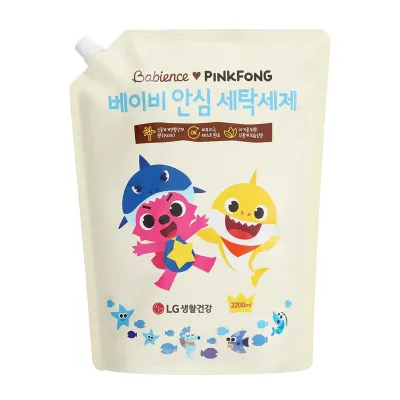
To assess the mildness of Babience baby detergent, you must first locate the full ingredient list on the physical packaging. This list is typically printed on the back or side of the bottle, or on the outer box if the product is packaged. In some markets, such as Singapore, imported products may feature localized sticker labels translated into English. It is important to carefully read these stickers or peel them back to ensure you are viewing the complete, original ingredient list provided by the manufacturer rather than an abbreviated summary.
Products mentioned in this guide
![[CARTON DEAL] Babience Detergent Refill 2200ml x 3 K-Beauty Local SG Seller Ready Stock - Kloft](https://img.lazcdn.com/g/p/e9c5d3b1c65b2e2c44ffd2664f62ece1.png_400x400q80.png_.webp)
![[CARTON SALE] Babience Laundry Detergent Refill 2200ml x 3 (Made in Korea Local SG Seller Ready Stock) - HEBELOFT](https://img.lazcdn.com/g/p/da809d99551098d77d728c53e99d5673.png_400x400q80.png_.webp)
![[CARTON DEAL] Babience Laundry Detergent Refill 2200ml x 2 Fabric Softener Refill 2200ml x 1 Local SG Seller Ready Stock - Kloft](https://img.lazcdn.com/g/p/3f22d2a0b0743010470f83be8fee92ae.png_400x400q80.png_.webp)
Prices are valid at publication and may change. Please refer to the product page for the latest price.
Once you locate the list, look closely at the primary cleaning agents, which are known as surfactants. For baby detergents, manufacturers often select plant-derived surfactants, such as alkyl polyglucosides (for example, coco-glucoside or decyl glucoside) or mild amphoteric surfactants like cocamidopropyl betaine. These agents work by reducing the surface tension of water, allowing it to lift dirt, milk residue, and organic matter from fabric fibers. Plant-derived surfactants are generally preferred for infant laundry because they cleanse effectively without stripping the natural lipid barrier of your baby’s delicate skin.
In addition to surfactants, many baby detergents contain enzymes to target stubborn stains. Enzymes such as protease, amylase, and lipase are highly effective at breaking down organic proteins and starches found in breast milk, formula, spit-up, and baby food. While these enzymes are excellent for stain removal, some infants with highly sensitive skin or conditions like eczema may experience mild irritation from residual enzymes left on fabric fibers. You should check the label to verify which enzymes are present and note any manufacturer warnings regarding potential enzyme sensitivities.
Additives to Cross-Check for Sensitive Infant Skin
Beyond the primary cleaning agents, you must evaluate the formulation for additives that can trigger skin irritation or allergic reactions. One common category of additives to look out for is optical brighteners. These are synthetic chemicals designed to remain on fabric fibers after rinsing to absorb ultraviolet light and emit a blue tint, making clothes appear whiter and brighter. Because optical brighteners do not actually clean the fabric and are formulated to stay bound to the clothing, they can cause persistent contact irritation when they rub against an infant’s sensitive skin barrier.

Artificial dyes and synthetic fragrances are also major culprits behind contact dermatitis and respiratory sensitivities in young infants. Dyes are purely aesthetic additives that serve no functional purpose in cleaning your baby’s clothes. Synthetic fragrances, and even highly concentrated natural essential oils, contain complex chemical mixtures that can easily sensitize delicate skin. When reviewing the Babience label, check for the absence of artificial colorants (often listed as CI followed by a number) and look for “fragrance-free” designations rather than simply “unscented,” as unscented products may still contain masking fragrances.
Finally, pay close attention to the preservative system and the types of surfactants used in the formula. Preservatives are necessary in water-based detergents to prevent the growth of harmful bacteria and mold, but some preservatives, such as methylisothiazolinone (MI), methylchloroisothiazolinone (MCI), or certain parabens, are known skin sensitizers. Additionally, strong anionic surfactants like sodium lauryl sulfate (SLS) are generally considered too harsh for infant laundry care. Cross-check the ingredient list to ensure the product utilizes mild, food-grade, or highly tolerated preservative alternatives instead of these harsh chemicals.
Evaluating Safety Claims and Certifications on the Packaging
When shopping for baby detergent, it is easy to be swayed by prominent marketing claims on the front of the bottle. Terms such as “natural,” “gentle,” “hypoallergenic,” or “eco-friendly” are frequently used to appeal to parents, but these terms are often unregulated and do not guarantee that a product is completely safe for every infant. A detergent labeled “natural” can still contain plant-derived ingredients or essential oils that trigger allergic reactions in babies with compromised skin barriers.
To make an objective assessment, look for standardized, independent dermatological testing certifications on the packaging. Recognized seals from independent institutes, such as Germany’s Dermatest or local pediatric and dermatological associations, indicate that the formula has undergone structured patch testing on human subjects. However, you must verify what these certifications actually cover by reading the manufacturer’s detailed product documentation, as some tests are conducted on adult volunteers with sensitive skin rather than infants.
If the retail label on your Babience bottle uses vague or grouped terms—such as “surfactant blend” or “preservative system”—without disclosing the specific chemical names, you should take steps to obtain the full details. Contact the manufacturer or the local distributor directly to request a complete ingredient disclosure or a Safety Data Sheet (SDS). A reputable and transparent brand should readily provide this information, allowing you to verify every single ingredient before exposing your newborn’s clothing to the detergent.
Testing the Detergent and Monitoring Skin Reactions
Even if a detergent’s ingredient list appears completely safe on paper, the ultimate test is how your baby’s skin reacts to the washed fabrics. Before washing your infant’s entire wardrobe, bedding, and plush toys, conduct a preliminary wash test. Select a small batch of items that have direct, prolonged contact with your baby’s skin, such as a cotton bodysuit or a swaddle blanket. Wash these items separately using the recommended dosage of the detergent, and ensure your washing machine completes a thorough rinse cycle to minimize any potential residue.
Once the test items are clean and dry, dress your baby in them and monitor their skin closely over the next 24 to 48 hours. Look for early signs of localized skin irritation, such as redness, dry or rough patches, tiny red bumps, or localized rashes. Pay extra attention to areas where the fabric fits snugly or rubs against the skin, such as the neck, wrists, thighs, and diaper line. Additionally, observe your baby for any signs of physical discomfort, such as unusual fussiness, rubbing, or scratching at their clothes.
If you observe any signs of skin irritation or an allergic reaction, stop using the detergent immediately. Remove the washed clothing and dress your baby in garments washed in a known, safe alternative. You should rewash all affected items in plain water or a confirmed hypoallergenic detergent to strip away any lingering chemical residues. If the rash is severe, spreads, causes your baby obvious distress, or does not improve after a few days, consult a pediatrician or dermatologist promptly for a professional medical evaluation rather than relying on unprescribed home remedies.
Frequently Asked Questions (FAQ)
Can I use baby detergent for washing adult clothes as well?
Yes, you can use baby detergent for adult clothing, but there are practical trade-offs to consider. Because baby detergents are formulated with mild surfactants and fewer harsh chemicals, they may struggle to remove heavy adult stains, deep-set sweat, or industrial odors effectively. Additionally, specialized baby detergents often cost more per wash than standard household detergents. If you choose to wash the entire family’s laundry with baby detergent to prevent cross-contamination, you may need to pre-treat adult stains or adjust your dosage, which can increase your overall laundry expenses.
What should I do if my baby develops a rash after using this detergent?
If your baby develops a rash, immediately stop using the detergent and isolate any clothing washed in it. Rewash all of your baby’s garments, bedding, and towels using plain water or a previously tolerated, fragrance-free alternative to strip away any lingering chemical residues. Document the rash by taking clear photos and note the exact batch number and purchase date of the detergent for your records. If the skin irritation does not improve within a few days, or if your baby is in pain or develops a fever, seek professional medical advice from a qualified healthcare provider. Do not apply over-the-counter steroid creams or herbal remedies without a professional diagnosis.

Community discussion
Share your experience or ask a question. Comments are reviewed before publication.