
To determine if Babience detergent is safe for your newborn’s skin, you must directly verify the active ingredient list on the physical bottle or the manufacturer’s official portal. Newborn skin is up to 30% thinner than adult skin, making it highly susceptible to chemical irritation and contact dermatitis. While baby detergents are generally formulated to be milder than standard household cleaners, formulations can change over time and vary by batch or region. Safety is not a permanent guarantee, so caregivers must learn to identify gentle ingredients and recognize potential irritants on the packaging.
In Singapore’s warm and humid climate, babies sweat frequently. This moisture can reactivate chemical residues left on clothing fibers, increasing the risk of skin chafing and redness. By understanding how to read detergent labels and adopting thorough rinsing habits, you can protect your infant’s delicate skin barrier while keeping their clothes clean.
How to Verify the Ingredient List of Babience Detergent
To get the most accurate and up-to-date ingredient list for Babience detergent, always inspect the physical label on the bottle in your hand. Online marketplaces and third-party retailer descriptions are frequently outdated, incomplete, or translated incorrectly. Because manufacturers reserve the right to update their formulations to improve shelf life or performance, the physical packaging remains the only definitive source of truth for that specific batch.
Products mentioned in this guide
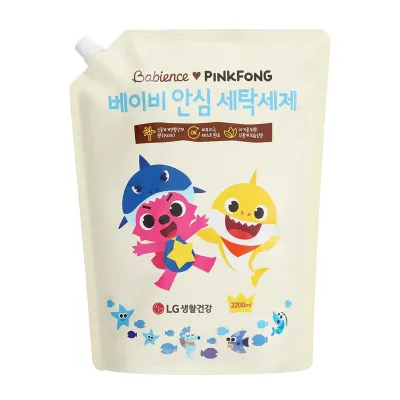
![[CARTON SALE] Babience Laundry Detergent Refill 2200ml x 3 (Made in Korea Local SG Seller Ready Stock) - HEBELOFT](https://img.lazcdn.com/g/p/da809d99551098d77d728c53e99d5673.png_400x400q80.png_.webp)
![[CARTON DEAL] Babience Detergent Refill 2200ml x 3 K-Beauty Local SG Seller Ready Stock - Kloft](https://img.lazcdn.com/g/p/e9c5d3b1c65b2e2c44ffd2664f62ece1.png_400x400q80.png_.webp)
![[CARTON DEAL] Babience Laundry Detergent Refill 2200ml x 2 Fabric Softener Refill 2200ml x 1 Local SG Seller Ready Stock - Kloft](https://img.lazcdn.com/g/p/3f22d2a0b0743010470f83be8fee92ae.png_400x400q80.png_.webp)
Prices are valid at publication and may change. Please refer to the product page for the latest price.
When reading the label, look for the chemical names of surfactants, preservatives, and conditioning agents. Manufacturers of baby products often list these ingredients using standard international nomenclature, though some may use simplified terms. If the label on the bottle is printed in a foreign language, cross-reference the batch number or product name on the official brand website to access a verified English ingredient list.
Avoid relying on historical blog reviews, parenting forums, or social media posts when evaluating safety. A formulation that was free of a certain preservative two years ago may have been updated recently. Checking the packaging directly before every purchase ensures you are not exposing your newborn to unexpected ingredients that could trigger a skin reaction.
Which Detergent Ingredients Are Safe or Risky for Newborn Skin?
Evaluating a baby detergent requires a basic understanding of surfactant chemistry. Surfactants are the active cleaning agents that lift dirt and oils from fabric. For newborn clothing, plant-derived, non-ionic surfactants—such as coco-glucoside, decyl glucoside, or lauryl glucoside—are generally considered gentle options. These ingredients effectively clean organic soils without stripping the natural lipids from your baby’s skin barrier if minor residues remain on the fabric.

Conversely, certain ingredients pose a higher risk of triggering contact allergies or eczema flare-ups. Strong synthetic fragrances and artificial dyes serve no functional cleaning purpose and are among the most common skin irritants. Optical brighteners, which are chemicals designed to adhere to fabric fibers to make clothes appear whiter and brighter under light, should also be avoided in newborn laundry as they are formulated to remain on the clothing after the wash cycle.
Many baby detergents incorporate enzymes like protease, amylase, or lipase to break down stubborn milk, formula, and diaper stains. While enzymes are highly effective at targeting organic matter, they can cause mild irritation if they are not completely rinsed out of the fabric. If you choose a detergent containing enzymes, ensuring a thorough rinse cycle is essential to prevent these active proteins from rubbing against your baby’s skin.
How to Read Safety Claims and Certifications on Baby Detergents
Marketing terms on detergent bottles can be confusing and are often unregulated. Words like “natural,” “hypoallergenic,” or “baby-safe” do not have standardized legal definitions in the household cleaning industry. A product labeled “natural” may still contain plant-derived ingredients that are known allergens, such as certain essential oils. Therefore, these claims should be treated as marketing concepts rather than absolute safety guarantees.
To make an informed decision, look for recognized independent dermatological certifications. Seals from reputable testing institutes, such as Germany’s Dermatest or clinical pediatrician-tested labels, indicate that the product has undergone standardized skin compatibility trials. You can verify the credibility of these claims by visiting the official website of the certifying body to understand their testing criteria and standards.
It is also important to distinguish between “fragrance-free” and “unscented” labels. A fragrance-free product contains no added scent chemicals or masking agents. An unscented product, however, may contain chemical masking agents designed to neutralize the natural odor of the raw ingredients, resulting in a neutral smell that can still irritate highly sensitive newborn skin. Always opt for truly fragrance-free formulas whenever possible.
Safe Washing Practices to Protect Your Newborn's Sensitive Skin
Even the mildest baby detergent can cause irritation if it is not used correctly. To minimize the risk of detergent buildup, always run an extra rinse cycle at the end of your washing machine program. Modern high-efficiency washing machines use minimal water, which can sometimes leave trace amounts of surfactants and enzymes trapped within the fabric fibers. An additional rinse helps flush these residues away completely.
Before washing an entire load of baby clothes in a new detergent, perform a simple patch test. Wash a single cotton bodysuit or bib with the new detergent, let it dry completely, and dress your baby in it. Monitor the skin areas in direct contact with the fabric for 24 hours, looking for any signs of redness, dry patches, or tiny bumps. If no reaction occurs, the detergent is likely suitable for your baby’s current skin sensitivity.
To further protect your newborn, wash their clothing, bedding, and reusable diapers separately from heavily soiled adult laundry. Avoid using liquid fabric softeners or dryer sheets altogether. These products work by depositing a thin, waxy chemical film over the fabric fibers to make them feel soft. This film reduces the breathability of the fabric, traps heat and sweat against the skin, and introduces unnecessary chemicals that can easily trigger infant eczema.
Frequently Asked Questions (FAQ)
Is regular adult detergent safe for newborn clothes?
Standard adult detergents are generally not recommended for newborn clothes because they often contain high concentrations of anionic surfactants, optical brighteners, and synthetic perfumes designed to linger on fabrics. These ingredients can easily compromise a newborn’s delicate skin barrier. However, if the entire household switches to a mild, fragrance-free, and dye-free adult detergent formulated for sensitive skin, it can be a safe and convenient alternative, provided you run an extra rinse cycle and monitor your baby’s skin for any adverse reactions.
What should I do if my newborn gets a rash from washed clothes?
If you suspect your newborn is experiencing a reaction to laundry detergent, immediately stop using the product. Wash all of their recently laundered clothes, bedding, and towels again using only hot water or a verified fragrance-free, hypoallergenic alternative to strip away any lingering chemical residues. Dress your baby in loose, breathable cotton clothing to minimize friction. If the skin rash persists, spreads, causes visible discomfort, or shows signs of infection, consult a qualified pediatrician or medical professional immediately for proper diagnosis and treatment.

Community discussion
Share your experience or ask a question. Comments are reviewed before publication.