
When caring for a newborn, every choice feels monumental, especially when selecting products that directly touch their delicate skin. Baby laundry detergent is a daily essential that can either keep your little one comfortable or trigger a frustrating cycle of skin irritation. Among the popular choices on the Singapore market, b b detergent (B&B) is frequently recommended by parents for its gentle, family-friendly formulation. But what exactly goes into this bottle, and is it truly safe for babies with highly sensitive skin or eczema?
While B&B baby detergent is designed with mild, plant-derived cleaning agents and avoids many of the harsh chemicals found in standard adult detergents, skin sensitivity is highly individual. No single product can be guaranteed 100% allergy-proof for every infant. To protect your baby’s skin, you must learn how to read the ingredient label, identify potential triggers, and practice safe laundry habits that minimize the risk of residue buildup.
Reading the B&B Baby Detergent Ingredient Label
To evaluate any laundry product, you must look past the marketing claims on the front of the bottle and examine the technical formulation on the back. The primary active components in any detergent are surfactants, short for surface-active agents. These molecules lower the surface tension of water, allowing it to wet fabrics thoroughly and lift away stubborn organic matter like breast milk, formula, baby food, and bodily fluids.
Products mentioned in this guide
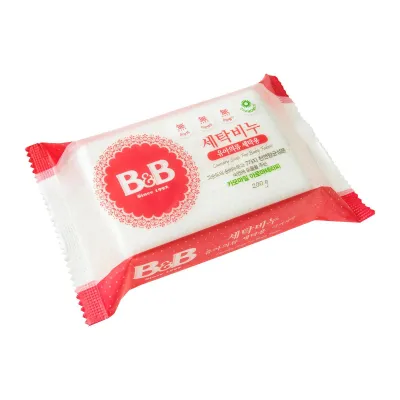
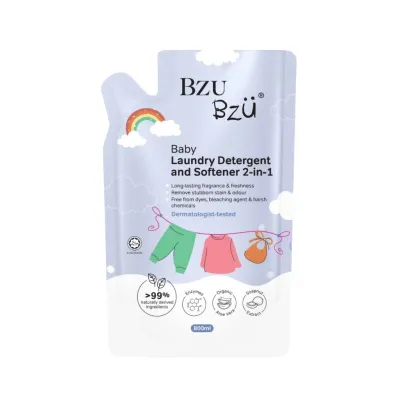
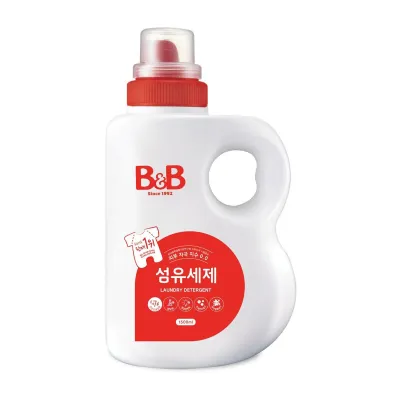
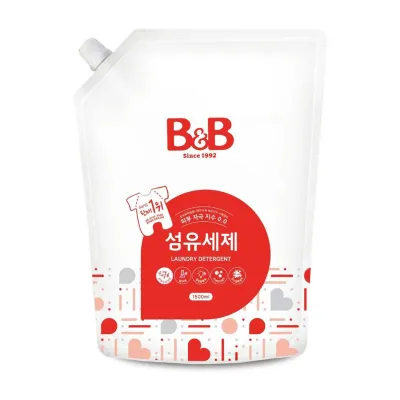
Prices are valid at publication and may change. Please refer to the product page for the latest price.
In addition to surfactants, modern baby detergents often incorporate biological enzymes. These are naturally occurring proteins that target specific types of stains. For instance, proteases break down protein-based stains (such as milk and spit-up), while amylases target starch-based food stains. Because infant diets are highly concentrated in proteins and fats, enzymes are incredibly effective at cleaning clothes without requiring aggressive mechanical scrubbing or excessively harsh chemical bases.
When inspecting your bottle of B&B detergent, you can typically find the full ingredient list printed on the back label of the physical bottle or on the outer cardboard packaging. If you are shopping online through official digital channels or local Singapore distributors, this list should also be accessible in the product specifications. If the list is not immediately visible, it is always wise to verify the ingredients on the manufacturer’s official website before purchasing.
As you read the label, you will notice a distinction between active cleaning ingredients and inactive ingredients. Active ingredients, like plant-based surfactants and enzymes, do the heavy lifting of stain removal. Inactive ingredients include stabilizers, which keep the liquid formula from separating over time, and pH adjusters like citric acid, which ensure the detergent’s acidity matches the natural pH of human skin. Understanding this balance helps you see that every ingredient serves a specific purpose, whether for cleaning efficacy or product shelf-life.
Which Detergent Ingredients to Watch for Sensitive Skin
Not all detergent ingredients are created equal, and some are far more likely to trigger contact dermatitis or flare-ups in babies with eczema or reactive skin. When cross-referencing the B&B label, there are several key categories of ingredients you should carefully evaluate.

Fragrances and Dyes
Synthetic fragrances and artificial colorants are among the most common culprits behind pediatric skin irritation. While a fresh-smelling laundry basket is appealing, the chemical compounds used to create synthetic scents can easily penetrate a baby’s thin skin barrier, leading to redness, dry patches, and itching. B&B offers different product variants; some may contain mild, naturally derived fragrances, while others are formulated to be completely fragrance-free. If your infant has diagnosed eczema or highly reactive skin, you should prioritize the fragrance-free and dye-free options, verifying on the label that no parfum or synthetic colorants have been added.
Preservatives to Avoid
Because liquid detergents contain water, they require preservatives to prevent the growth of harmful bacteria, mold, and yeast. However, certain conventional preservatives are known skin sensitizers. In particular, you should watch out for harsh chemicals like methylisothiazolinone (MIT), methylchloroisothiazolinone (CMIT), and parabens. When reviewing the B&B formula, look for milder, food-grade, or cosmetic-grade preservative alternatives, such as sodium benzoate or potassium sorbate. These alternatives effectively keep the product shelf-stable while posing a significantly lower risk of skin irritation.
Optical Brighteners
Optical brighteners are synthetic chemicals added to many commercial detergents to make fabrics appear whiter and brighter. They achieve this by absorbing ultraviolet light and emitting blue light, masking the natural yellowing of fabrics over time. The catch is that optical brighteners do not actually clean the clothes; instead, they are designed to remain embedded in the fabric fibers even after the rinse cycle. Because these chemicals stay in constant contact with your baby’s skin, they can cause friction-induced irritation and allergic reactions. Dermatologists generally recommend avoiding detergents that contain optical brighteners for anyone with sensitive skin.
Plant-Derived vs. Petroleum-Based Surfactants
The source of the surfactants in your detergent plays a major role in its mildness. Conventional detergents often rely on petroleum-based anionic surfactants, such as Sodium Lauryl Sulfate (SLS) or Sodium Laureth Sulfate (SLES), which can be highly stripping and disrupt the skin’s natural lipid barrier. In contrast, premium baby detergents like B&B typically utilize plant-derived surfactants sourced from coconut, corn, or palm (such as coco-glucoside or lauryl glucoside). These non-ionic, plant-based alternatives lift dirt gently without stripping moisture from your baby’s skin barrier, making them far more suitable for daily use on newborn clothing.
Understanding "Hypoallergenic" and Safety Claims on the Bottle
When browsing the baby care aisle in Singapore, you will find bottles adorned with terms like “hypoallergenic,” “dermatologically tested,” and “baby-safe.” While these labels are reassuring, it is important to understand what they mean in a regulatory context. In many jurisdictions, terms like “hypoallergenic” are not strictly defined by law. Instead, they indicate that the manufacturer has formulated the product without the most common known allergens, or that the product has undergone voluntary dermatological testing to show a low rate of irritation.
To verify these claims, look for recognized third-party certifications and dermatological seals on the B&B packaging. For example, many reputable baby brands seek certifications from international bodies such as Germany’s Dermatest (which rates products based on clinical skin tolerance tests) or local pediatric associations. These seals provide independent verification that the product has been subjected to standardized patch testing on human volunteers under clinical supervision, offering a layer of credibility beyond basic marketing claims.
However, you must keep in mind a crucial limitation: “hypoallergenic” simply means a reduced likelihood of causing an allergic reaction. It is not a guarantee that the product is completely “allergy-proof” for every single infant. Every baby’s skin microbiome and immune system are unique; an ingredient that is perfectly soothing for nine babies might still cause a mild rash in the tenth.
If you encounter a product where the safety claims are vague, or if you cannot find specific testing references on the packaging, do not hesitate to dig deeper. You can contact the manufacturer or the authorized distributor in Singapore directly to request their ingredient safety data sheets (SDS) or clarification on their dermatological testing protocols. A transparent brand will readily provide this information to concerned parents.
How to Safely Test the Detergent on Your Baby's Skin
Regardless of how clean or natural an ingredient list appears, the safest way to introduce any new laundry product is through a systematic, controlled test. This proactive approach allows you to identify any adverse reactions before you wash your baby’s entire wardrobe, preventing widespread discomfort.
The Patch Test Method
To conduct a safe laundry patch test, select a single, small item that comes into close, prolonged contact with your baby’s skin, such as a cotton onesie, a small receiving blanket, or a cloth washcloth. Wash this single item separately using the new b b detergent, following the manufacturer’s dosing instructions precisely. Do not mix it with other laundry, and do not use any fabric softeners or scent boosters. Once the item is dry, have your baby wear or use it during a supervised period of a few hours, ideally during the day when you can easily monitor their reactions.
Signs of Irritation to Monitor
During and after the test, closely observe the skin areas that were in direct contact with the washed fabric. Keep an eye out for the following visual and behavioral signs:
- Localized Redness: Small red patches, a widespread pink rash, or tiny raised bumps.
- Dryness or Flaking: Areas of skin that suddenly appear rough, dry, or scaly.
- Behavioral Cues: Unusual fussiness, rubbing the affected area against sheets, or scratching, which indicate itching and discomfort.
When to Stop Using the Product
If you notice any of these signs of irritation, immediately remove the garment from your baby. Bathe your baby with lukewarm water and a mild, pediatrician-approved cleanser to wash away any lingering detergent residue from their skin. Stop using the new detergent immediately and revert to a previously tolerated laundry routine. Wash the test garment again with your old, safe detergent before letting your baby wear it again.
When to Consult a Professional
In most cases, mild contact dermatitis from laundry residue will resolve on its own within a few days once the trigger is removed. However, if the redness spreads, becomes intensely inflamed, develops oozing blisters, or if your baby seems in significant pain, you should consult a pediatrician or a pediatric dermatologist in Singapore. They can help diagnose the issue, rule out other environmental triggers, and prescribe safe topical treatments to soothe your baby’s skin.
Washing and Rinsing Practices to Prevent Residue Buildup
Sometimes, skin irritation is not caused by the detergent itself, but rather by how the laundry is washed and rinsed. Even the mildest, most natural baby detergent can cause skin issues if it is not completely flushed out of the fabric fibers. By optimizing your washing mechanics, you can significantly reduce the risk of chemical residue buildup.
Proper Dosing
One of the most common laundry mistakes is using too much detergent under the assumption that more soap equals cleaner clothes. In reality, modern high-efficiency (HE) washing machines use very little water. If you overdose the detergent, the machine cannot rinse it away effectively, leaving a concentrated layer of active surfactants dried directly onto your baby’s clothes. Always use the measuring cap provided with your B&B detergent and adhere strictly to the recommended dose for your load size.
Extra Rinse Cycles
To ensure your baby’s garments are completely free of soap residue, make it a habit to select the “extra rinse” or “deep rinse” option on your washing machine. This additional cycle flushes clean water through the fabrics one last time, dissolving and removing any stubborn surfactant molecules that might have clung to the fibers during the primary rinse.
Water Temperature
While cold water washing is energy-efficient, warm water is far more effective at completely dissolving liquid detergents and breaking down biological oils from milk and food. If the garment care label allows, wash your baby’s clothes in warm water (around 30°C to 40°C). This helps the detergent perform optimally and rinse away cleanly, leaving no undissolved product behind.
Machine Maintenance
Over time, washing machine drums, detergent drawers, and rubber seals can accumulate a buildup of old soap scum, mold, and bacteria. This residue can transfer onto your clean baby clothes during the wash cycle, causing mysterious skin irritations. To prevent this, run a monthly maintenance cycle on your empty washing machine using a dedicated washing machine cleaner or hot water and vinegar, ensuring a hygienic environment for your baby’s laundry.
Frequently Asked Questions (FAQ)
Do I need a special baby detergent if my baby does not have sensitive skin?
While it is not strictly mandatory for babies with highly resilient skin, using a dedicated baby detergent is highly recommended during the first year of life. An infant’s skin barrier is up to 30% thinner than an adult’s, making it significantly more permeable to chemicals, dyes, and synthetic fragrances. Even if your baby does not show immediate signs of sensitivity, regular exposure to harsh adult detergents can gradually wear down their skin barrier over time, potentially triggering sensitivities later on. Choosing a mild formula like B&B provides an extra layer of protection during their most vulnerable developmental stage.
Can fabric softeners cause skin irritation even if the detergent is safe?
Yes, fabric softeners are actually one of the leading causes of laundry-related skin irritation. Traditional fabric softeners work by coating the fabric fibers with a thin layer of lubricating chemicals (often containing strong synthetic fragrances and quaternary ammonium compounds) to make them feel soft. This chemical coating remains on the clothes and rubs directly against your baby’s skin, easily triggering contact dermatitis. Additionally, softeners reduce the absorbency of cotton fabrics, making towels and cloth diapers less effective. It is best to skip fabric softeners entirely for baby laundry, or use wool dryer balls as a safe, chemical-free alternative.
How long does it take for a detergent allergy rash to appear?
A detergent allergy rash, clinically known as contact dermatitis, typically does not appear instantly. It usually takes anywhere from 24 to 72 hours after the skin has been in direct contact with the washed fabric for a visible rash to develop. This is because contact dermatitis is a delayed hypersensitivity reaction managed by the immune system’s T-cells. If you are testing a new detergent, monitor your baby’s skin closely for at least three full days of wearing the washed garment to ensure no delayed reactions occur before you declare the product safe for regular use.

Community discussion
Share your experience or ask a question. Comments are reviewed before publication.