
Preparing baby formula quickly and safely is a top priority for parents, but the sheer variety of feeding accessories can make the decision-making process overwhelming. When deciding on a milk dispenser, you will primarily choose between two distinct categories: automatic formula makers and manual powder dispensers. Each option serves a unique purpose, balancing the immediate convenience of automation against the simplicity, portability, and affordability of manual tools.
To determine which type of milk dispenser is right for your household, you must look closely at your daily routine, your baby’s feeding frequency, and your lifestyle. While an automatic machine can feel like a lifesaver during exhausted midnight feeds, a manual dispenser offers unmatched flexibility for families on the go. This guide breaks down the operational benefits, maintenance requirements, and practical considerations of both options to help you make an informed choice.
Identifying Your Formula Preparation Needs
Before comparing specific products, take a moment to analyze your household’s daily feeding dynamics. The age of your baby plays a significant role here; newborns feed frequently throughout the day and night, meaning caregivers face constant sleep deprivation. If you are managing multiple night feeds, a system that minimizes preparation time and cognitive effort can significantly reduce caregiver fatigue.
Products mentioned in this guide
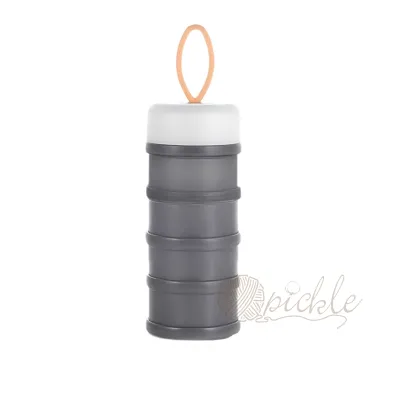
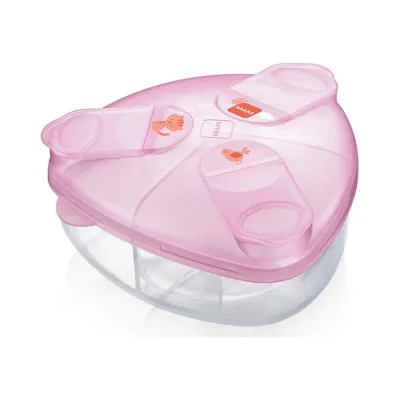
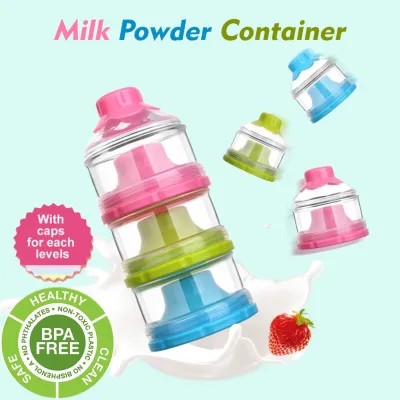
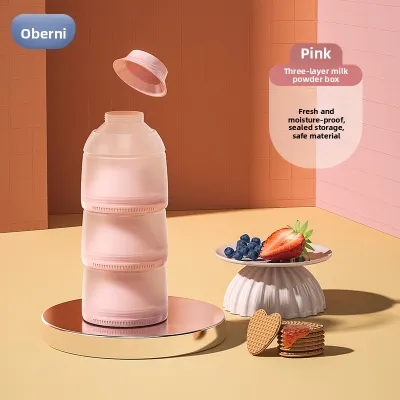
Prices are valid at publication and may change. Please refer to the product page for the latest price.
Next, evaluate your physical environment. In many urban homes, such as compact apartments or HDB flats, kitchen countertop space is at a premium. An automatic milk dispenser requires a dedicated, permanent spot near a reliable power outlet, which might crowd other essential appliances. Conversely, manual dispensers are small, lightweight, and can be easily stored in a cabinet or drawer when not in use, keeping your kitchen clutter-free.
Finally, establish a realistic budget. The initial purchase price of an automatic formula maker can be quite high, often ranging from S$150 to over S$400. You must also consider long-term costs, such as electricity consumption, replacement water filters, and specialized descaling solutions. Manual powder dispensers are incredibly budget-friendly, typically costing between S$5 and S$25, with no ongoing operational or maintenance expenses to worry about.
Automatic Formula Makers: Convenience and Considerations
Automatic formula makers are designed to streamline the bottle-preparation process by automatically mixing formula powder and water to the precise ratio and temperature. With the press of a button, these machines dispense a warm, perfectly mixed bottle in a matter of seconds. This rapid preparation is incredibly convenient when you are holding a crying, hungry baby in the middle of the night and want to avoid the multi-step process of boiling, cooling, and measuring water manually.

However, these appliances come with specific physical and operational considerations. They have a relatively large footprint on your kitchen counter and require a constant power supply. Some models also produce a moderate amount of noise during the heating and mixing cycles, which is worth noting if you plan to keep the machine in your bedroom or nursery. Because they are stationary, they cannot assist you when you are away from home or during a power outage.
The most critical factor to consider with automatic machines is the maintenance routine. To ensure hygiene and prevent bacterial growth, these machines require diligent cleaning. Removable parts, such as the mixing funnel and powder nozzle, must be washed and dried frequently—often after every few uses. Furthermore, because water sits in a reservoir, you must regularly run descaling cycles to prevent mineral buildup and inspect the internal tubing for any signs of mold or residue.
Manual Powder Dispensers: Portability and Practicality
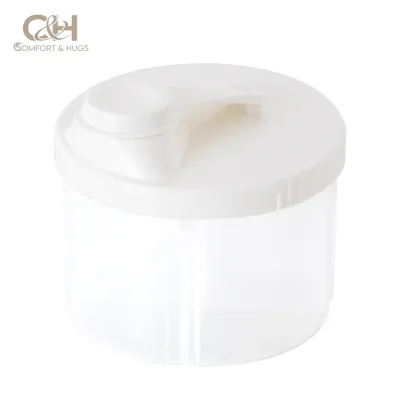
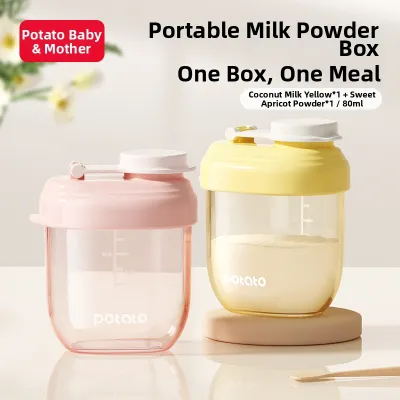
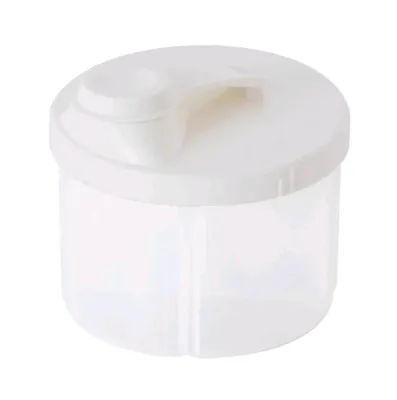
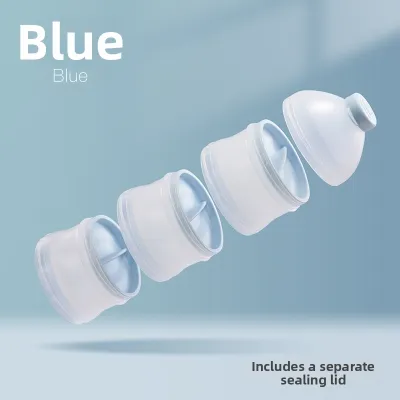
Manual powder dispensers are simple, non-electric containers divided into multiple compartments, allowing you to pre-measure individual portions of dry formula powder. They are highly valued for their portability and simplicity. If you lead an active lifestyle, travel frequently, or rely on stroller outings, a manual dispenser fits easily into a diaper bag, allowing you to prepare a fresh bottle anywhere without needing access to a power outlet.
The trade-off for this portability is the manual effort required to prepare the actual bottle. A manual dispenser only holds the dry powder; you must carry a separate thermos of hot water and a bottle of cooled, sterilized water to mix the feed to the correct temperature. This requires you to manually pour the water, add the pre-measured powder, and shake the bottle thoroughly to ensure there are no clumps. This process takes longer and requires more hands-on attention than an automatic machine.
On the plus side, manual dispensers are incredibly easy to clean and maintain. They consist of simple, food-grade plastic or silicone components with no hidden tubes, pumps, or electronic parts. You can wash them quickly with standard baby dish soap, sterilize them in a steam or UV sterilizer, and let them air-dry. Because there are no complex internal pathways, the risk of undetected mold or bacterial growth is virtually non-existent, provided you ensure the container is completely dry before refilling it with powder.
Comparing Automatic and Manual Dispensers for Your Lifestyle
To help you decide which option aligns best with your daily routine, it is helpful to compare their key characteristics side by side. The table below outlines how automatic formula makers and manual powder dispensers perform across several essential categories.
| Feature | Automatic Formula Maker | Manual Powder Dispenser |
|---|---|---|
| Initial Cost | High (typically S$150 – S$400+) | Very Low (typically S$5 – S$25) |
| Portability | None (stationary appliance) | Excellent (lightweight and compact) |
| Preparation Speed | Extremely Fast (seconds) | Moderate (requires manual mixing) |
| Cleaning Effort | High (daily washing & regular descaling) | Low (simple washing & sterilizing) |
| Space Required | Significant countertop footprint | Minimal (fits in a drawer or diaper bag) |
| Power Source | Requires electrical outlet | None (completely manual) |
Choose an automatic formula maker if you prioritize speed and convenience above all else, especially during exhausting nighttime feeding routines. This option is highly beneficial for households with multiple caregivers, as it standardizes the preparation process and eliminates the risk of human error in measuring powder scoops. It is also an excellent choice for families with twins or closely spaced siblings where bottle preparation is a near-constant task.
Choose a manual powder dispenser if you have a limited budget, prefer a minimalist kitchen setup, or travel frequently. It is the ideal companion for day trips, visits to relatives, or daycare drop-offs. Many parents also prefer manual dispensers because they offer complete control over the sterilization of every single component that touches the formula, providing peace of mind without the worry of electronic malfunctions.
Before making your final decision, verify first if your preferred formula brand is fully compatible with the automatic machine you are considering. Some specialized formulas, such as organic, hypoallergenic, or anti-reflux varieties, have unique powder densities that may not dispense accurately in certain automatic models. Additionally, check your kitchen layout to ensure you have a safe, dry space near an outlet that is out of reach of young children.
Essential Safety, Cleaning, and Maintenance Checks
Regardless of which dispenser type you choose, maintaining strict hygiene is vital to protect your baby’s developing immune system. When using an automatic formula maker, always verify that the water temperature settings comply with your formula manufacturer’s instructions and local pediatric guidelines. Some formulas require water heated to a specific temperature to dissolve properly and ensure safety, while others may lose nutritional value if the water is too hot.
Sterilization compatibility is another crucial check. Always read the manufacturer’s instructions before placing dispenser parts into a steam or UV sterilizer. While manual dispensers are generally highly compatible with standard sterilization methods, some automatic machine components can warp or degrade if exposed to extreme heat or specific UV wavelengths, which could compromise their seal or measuring accuracy.
In humid climates, such as Singapore’s, moisture control is a constant challenge. For automatic machines, check the powder dispensing nozzle daily for any signs of moisture buildup, as rising steam from the water dispenser can cause the powder to clump and clog the outlet, leading to inaccurate, watered-down feeds. For manual dispensers, ensure every compartment is completely dry before adding powder; even a tiny droplet of water can cause the formula to spoil or clump, making it difficult to pour out completely.
Finally, establish a routine inspection schedule. If you notice any persistent dampness, unusual odors, or inconsistent dispensing volumes in an automatic machine, stop using it immediately and consult the manufacturer’s customer service. For manual dispensers, inspect the plastic regularly for scratches, cloudiness, or wear, and replace them if they show signs of degradation to ensure your baby’s feed remains safe and uncontaminated.
Frequently Asked Questions (FAQ)
Can I use any brand of formula in an automatic milk dispenser?
No, you cannot assume that all formula brands and stages are universally compatible with every automatic dispenser. Automatic machines rely on precise calibration settings to match the specific density, weight, and scoop size of different formula powders. Before using a new formula, you must consult the machine manufacturer’s official compatibility list to find the correct setting for your specific brand and stage. Using an incorrect setting can result in a bottle that is too diluted or too concentrated, which can lead to nutritional imbalances or digestive issues for your baby.
How do I prevent mold in the internal tubes of a formula maker?
Preventing mold in the internal pathways of an automatic formula maker requires consistent, proactive maintenance. Always use cooled, sterilized water or distilled water in the reservoir to minimize mineral deposits, and never let water sit in the tank for extended periods. Run the manufacturer’s recommended flushing or cleaning cycles regularly, and wash all removable parts daily. After cleaning, ensure every component is completely air-dried in a well-ventilated area before reassembling the machine, and periodically inspect the water tank and visible pathways for any signs of moisture or residue.

Community discussion
Share your experience or ask a question. Comments are reviewed before publication.