
When choosing a laundry detergent for your baby, navigating the ingredient list can feel overwhelming. Attitude baby detergents are widely recognized for their plant-based, hypoallergenic formulations designed to minimize the risk of skin irritation. While these products are generally highly suitable for infants with sensitive skin, individual skin chemistry varies, meaning no single product can guarantee complete compatibility for every child.
To determine if a specific variant is right for your baby, it is essential to look closely at the ingredient list. Parents of babies with severe eczema or known contact allergies should prioritize fragrance-free options. If your baby has an active skin condition, consulting a pediatrician or pediatric dermatologist before introducing a new laundry product is always the safest course of action.
Understanding the Ingredient Profile on the Label
To make an informed decision, you must first understand how to read and interpret the key ingredient categories listed on the detergent bottle. Baby detergents typically rely on specific groups of compounds to clean, preserve, and scent the formula.
Products mentioned in this guide
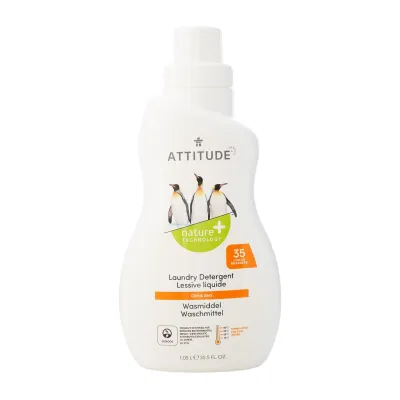
Prices are valid at publication and may change. Please refer to the product page for the latest price.
Surfactants
Surfactants, or surface-active agents, are the primary cleaning ingredients responsible for lifting dirt, oils, and organic stains from fabric fibers. When reviewing the label, look for plant-derived surfactants such as coco-glucoside, lauryl glucoside, or sodium coco-sulfate. These are derived from renewable resources like coconut or corn and are generally milder on the skin barrier compared to petroleum-based surfactants like sodium lauryl sulfate (SLS) or sodium laureth sulfate (SLES), which can sometimes strip natural oils from delicate skin.
Enzymes
Many baby detergents incorporate stain-fighting enzymes to target specific types of organic messes, such as spit-up, formula, or diaper leaks. Common enzymes include protease (which breaks down proteins) and amylase (which targets starches). While enzymes are highly effective at keeping clothes clean without harsh scrubbing, some extremely sensitive skin types can react to residual enzymes left in fabric fibers. If your baby has highly reactive skin, you may want to verify whether the specific variant you choose is enzyme-free or ensure your washing machine rinses the clothes thoroughly.
Fragrances and Preservatives
Preservatives are necessary in water-based liquid detergents to prevent the growth of harmful bacteria, mold, and yeast over time. Common preservatives include sodium benzoate and potassium sorbate. When it comes to scents, detergents may use synthetic fragrances, natural essential oils, or remain entirely fragrance-free. It is important to note that even naturally derived essential oils contain volatile organic compounds that can trigger contact dermatitis in sensitive individuals, making fragrance-free options the most reliable choice for newborns.
Evaluating Suitability for Eczema-Prone and Sensitive Skin
Babies have a skin barrier that is significantly thinner and more permeable than that of adults. This makes them highly susceptible to topical irritants that can easily penetrate the skin and trigger inflammatory responses.

Fragrance-Free vs. Scented
Dermatologists and pediatricians consistently recommend fragrance-free laundry detergents for babies showing signs of eczema or dry, itchy skin. Fragrances, whether synthetic or derived from natural plant extracts, are among the most common triggers for allergic contact dermatitis. Choosing a completely fragrance-free variant eliminates a major category of potential skin sensitizers from your baby’s daily environment.
Rinsability and Residue
In warm, humid climates like Singapore, babies sweat frequently, and many families dry their laundry indoors within high-rise apartments. When detergent residues are not fully rinsed out of clothing, they remain trapped in the fabric fibers. When the baby sweats, these residual chemicals can re-solubilize and rub directly against the skin, causing friction, chafing, and localized eczema flare-ups. A highly rinsable formula that leaves minimal residue is crucial for maintaining skin health.
Potential Sensitizers
When evaluating a detergent, check the label for optical brighteners, dyes, and specific harsh preservatives. Optical brighteners are chemical compounds designed to remain on fabric fibers to reflect light and make clothes appear whiter and brighter. Because they are formulated to stay on the fabric rather than rinse away, they can cause persistent irritation on sensitive skin. Ensuring your baby’s detergent is free from dyes and optical brighteners is a key step in protecting their skin barrier.
How to Verify Safety Claims and Certifications
Marketing terms like “hypoallergenic” or “natural” are not strictly regulated, meaning parents must learn how to independently verify these claims using the product packaging and official resources.
Reading the Ingredient List
Ingredients on product labels are listed in descending order of concentration. The first few ingredients represent the bulk of the formulation. If you notice potential irritants listed near the top of the list, the product may not be suitable for highly sensitive skin. Familiarize yourself with the botanical names of ingredients to ensure you know exactly what is going into your washing machine.
Checking for Certifications
Many parents look for third-party certifications on baby products to gain peace of mind. Common logos include EWG Verified (from the Environmental Working Group) or ECOLOGO. These certifications indicate that a product has undergone review to meet specific environmental and ingredient safety standards. However, because formulations can change, you should treat these logos as items to verify. You can cross-reference the product’s current status directly on the official registry databases of these certifying bodies to ensure the certification remains active and valid.
Patch Testing
Before washing an entire load of baby clothes in a new detergent, perform a simple wash-and-wear patch test. Wash a single small item, such as a baby sock or mitten, with the new detergent. Once dry, have your baby wear the item for a few hours under close supervision. Monitor the skin closely for any signs of redness, bumps, itching, or dryness. If any reaction occurs, stop using the detergent immediately, wash the item again with plain water, and consult a healthcare professional if the irritation persists.
Washing Best Practices for Babies with Sensitive Skin
Even the gentlest detergent can cause issues if used incorrectly. Establishing a careful laundry routine is just as important as choosing the right product.
- Dose Correctly: Always follow the manufacturer's dosing instructions precisely. Using too much detergent does not make clothes cleaner; instead, it leads to a buildup of soap residue in both the fabric fibers and your washing machine drum.
- Use an Extra Rinse Cycle: Program your washing machine to run an extra rinse cycle for all baby laundry. This is especially beneficial in humid environments where indoor drying is common, as it ensures any lingering surfactants are thoroughly flushed out of the clothing.
- Separate Baby Laundry: Wash your baby's clothes, bedding, and swaddles separately from the rest of the household's laundry. Adult garments are often washed with stronger detergents, fabric softeners, or scent boosters, which can easily transfer residues to baby clothes during a shared wash cycle.
Frequently Asked Questions (FAQ)
Can I use Attitude Baby Detergent for the whole family's laundry?
Yes, you can use this detergent for the entire household. It is highly effective at cleaning everyday garments and is an excellent option for family members of all ages who suffer from sensitive skin, eczema, or psoriasis. However, because baby detergents are formulated to be exceptionally gentle, they may not contain the heavy-duty stain removers needed for stubborn, grease-based adult stains. Additionally, using specialized baby detergent for all household laundry may be less cost-effective than using a standard, family-sized gentle detergent.
Does the scent in baby detergent cause skin irritation?
Yes, scents can be a significant source of skin irritation for infants. Even naturally derived fragrances and essential oils contain volatile compounds that can act as allergens when they come into contact with a baby’s thin, delicate skin barrier. For newborns, infants with dry skin, or babies diagnosed with eczema, it is highly recommended to avoid scented laundry products entirely and opt for a certified fragrance-free variant to minimize the risk of contact dermatitis.

Community discussion
Share your experience or ask a question. Comments are reviewed before publication.