
When investing in a high-end baby carrier, parents often weigh the aesthetic appeal of luxury options against the structural utility of traditional premium brands. The Artipoppe Zeitgeist carrier has gained global prominence for its striking patterns and fashion-forward designs, but its ergonomic performance remains a primary consideration for discerning caregivers. Artipoppe provides solid ergonomic fundamentals, featuring adjustable seat widths and plush, padded shoulder straps that align with standard infant development guidelines. However, whether it outperforms other established premium carriers depends heavily on your physical build, your baby’s specific developmental stage, and your daily lifestyle requirements.
Both Artipoppe and its major premium competitors are designed to support a baby’s natural hip and spine development when used in strict accordance with the manufacturer’s physical guidelines. The primary differences lie in the adjustment mechanisms, fabric choices, and weight distribution systems. While some parents find the minimalist, crossable strap design of the Artipoppe highly comfortable, others may prefer the structured lumbar support and highly adjustable buckles of more utilitarian premium models. Ultimately, the decision involves balancing aesthetic preferences with specific physical fit requirements and functional needs.
Core Ergonomic Features: Seat, Panel, and Weight Distribution
Selecting a baby carrier requires a clear understanding of how different designs interact with both the infant’s developing body and the wearer’s physical frame. Ergonomics in babywearing cannot be evaluated through a single feature; rather, it relies on a harmonious relationship between three key structural pillars. These pillars are the lower body support (the seat), the upper body and spinal alignment (the back panel), and the load-bearing comfort for the caregiver (the weight distribution system).
Products mentioned in this guide
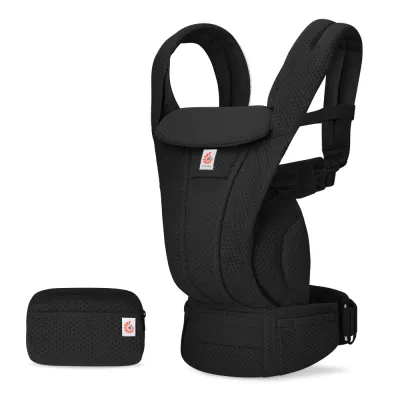
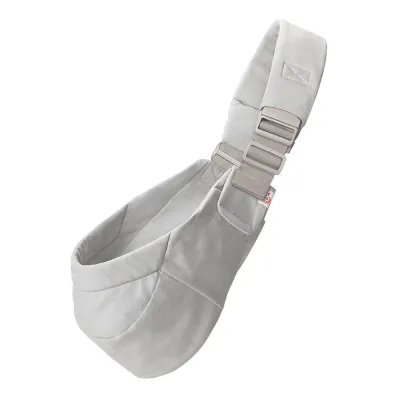
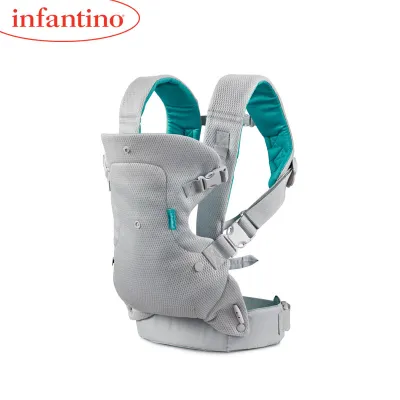
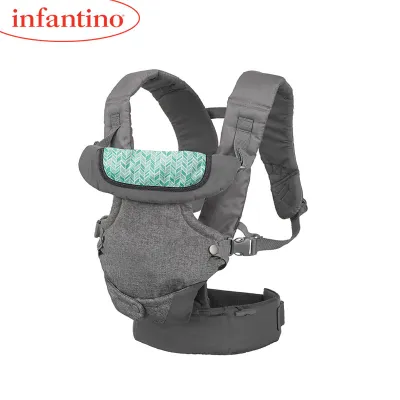
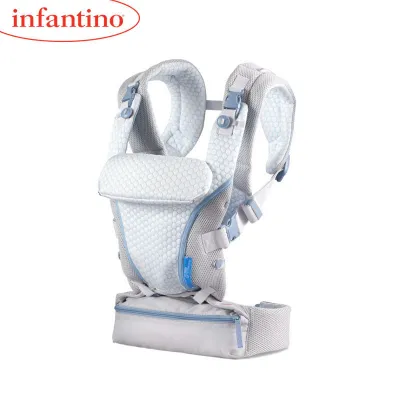
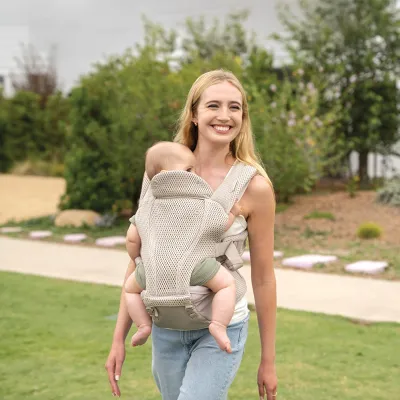
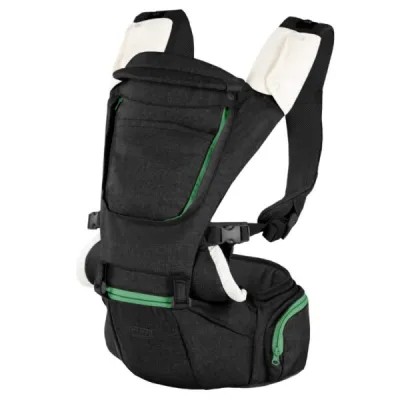
Prices are valid at publication and may change. Please refer to the product page for the latest price.
While premium carriers generally target the same physiological milestones—such as promoting healthy joint development and preventing caregiver strain—their mechanical execution varies significantly. Some brands prioritize highly structured, multi-adjustable components made of synthetic performance meshes, while others focus on soft-structured, fabric-centric designs that rely on natural tension and wrapping techniques. Understanding these differences allows parents to select a carrier that matches their daily routines and climate conditions.
Seat Design and Hip Positioning
The primary goal of any ergonomic carrier seat is to facilitate the “M-shape” or “froggy” position, where the baby’s knees are positioned higher than their bottom, and their hips are spread naturally. This position reduces stress on the developing hip joints and supports the natural alignment of the pelvis. The International Hip Dysplasia Institute recognizes carriers that successfully maintain this posture, but achieving it requires precise seat adjustments that scale with your baby’s growth.
The Artipoppe carrier utilizes a seat adjustment system integrated into the waistband, employing a series of buttons and fabric folds to narrow or widen the seat. This design allows for a clean, streamlined look without external hardware, but it requires caregivers to manually adjust the settings while the carrier is off. In contrast, many standard premium carriers feature external velcro sliders, snap buttons, or track systems on the outside of the waistband, allowing for quick adjustments on the fly as the baby grows.
To ensure optimal hip ergonomics, caregivers must regularly check the physical fit of the seat relative to the baby’s size. The seat fabric should extend fully from knee crease to knee crease, supporting the thighs without bunching or forcing the lower legs to turn inward. If the seat is too wide, it can overextend the baby’s hips and cause discomfort; if it is too narrow, the legs will dangle straight down, placing excessive pressure on the hip sockets. Caregivers must consult the manufacturer’s manual to verify the precise weight and height thresholds for each seat setting, ensuring the baby’s lower body remains fully supported in a deep, comfortable squat.
Panel Shape and Back Support
An infant’s spine undergoes significant changes during the first year of life, transitioning from a gentle, continuous C-curve at birth to a mature S-curve once they begin walking. A well-designed back panel must support this natural curvature without forcing the spine into an unnaturally straight or flat position. It must also provide sufficient lateral stability to prevent the baby from slumping to one side, which can compromise their airway.
Artipoppe carriers feature a soft-structured back panel crafted from premium woven fabrics, such as jacquard cotton, linen, silk, or cashmere blends. This fabric-centric approach allows the panel to mold closely to the baby’s back, mimicking the snug, secure feeling of a traditional woven wrap while offering the convenience of buckles. However, because the panel is less rigid than those found on highly structured competitors, maintaining proper spinal alignment relies heavily on achieving the correct tension through the shoulder straps.
In comparison, other premium structured carriers often utilize multi-paneled back designs with built-in foam supports, mesh ventilation zones, and adjustable height extenders. These features offer a more rigid, self-supporting structure that can make it easier for beginners to achieve a secure fit, though some find it less cuddly or flexible than a fabric-first panel. Regardless of the brand, caregivers must verify that the panel height is adjusted correctly for their baby’s developmental stage. For newborns lacking independent head and neck control, the panel must extend high enough to support the base of the skull, and any adjustable neck cushions or folds must be secured according to the manufacturer’s safety instructions to keep the airway completely clear at all times.
Weight Distribution and Parent Comfort
The comfort of the wearer is just as critical as the positioning of the baby, especially during extended carrying sessions. A high-quality carrier must distribute the baby’s weight evenly across the caregiver’s hips, shoulders, and upper back, preventing localized pressure points that lead to muscle fatigue or spinal strain. This distribution is achieved through a combination of the waistband structure, shoulder strap padding, and the overall strap configuration.
Artipoppe addresses wearer comfort with wide, plushly padded shoulder straps designed to be worn in a crossed-back (X-back) configuration. This setup naturally spreads the load diagonally across the wearer’s back, which many parents find highly effective at reducing shoulder strain and preventing the straps from slipping. The waistband is relatively wide and padded, though it lacks the rigid lumbar support pads commonly found on utility-focused premium carriers. This makes the waistband more flexible and contouring, but potentially less supportive for individuals prone to lower back pain.
Standard premium carriers frequently offer both parallel (H-back) and crossed-back configurations, often accompanied by a dedicated, rigid lumbar support pad that slides onto the waistband. This rigid support is highly beneficial for long walks or carrying heavier toddlers, as it transfers a significant portion of the weight directly to the pelvis. When choosing between these designs, caregivers should consider their own body proportions, torso length, and shoulder width. A petite wearer may find wide, bulky straps overwhelming, while a taller wearer might require a longer waistband and more structured lumbar support. Proper fitting is essential; always follow the manufacturer’s instructions for tightening the straps and positioning the waistband flat against your body to avoid physical strain.
Verifiable Specs and Fit Comparison
To help you evaluate these design differences objectively, it is helpful to look at the verifiable specifications provided by the manufacturers. Comparing physical attributes such as weight ranges, strap configurations, and adjustment mechanisms provides a clear picture of how each carrier operates in daily practice.

The following table compares the Artipoppe Zeitgeist carrier against two common premium benchmarks: a standard premium structured carrier designed for maximum utility and a premium minimalist carrier focused on streamlined simplicity.
| Specification | Artipoppe Zeitgeist | Premium Structured Carrier (Utility-Focused) | Premium Minimalist Carrier (Streamlined) |
|---|---|---|---|
| Stated Weight Range | Check product label (typically 3.2 kg to 20 kg) | Check product label (typically 3.2 kg to 20.4 kg) | Check product label (typically 3.2 kg to 15 kg) |
| Newborn Readiness | Built-in adjustable seat; verify minimum weight | Built-in adjustable seat or requires insert (verify model) | Built-in adjustable seat; verify minimum weight |
| Strap Configurations | Crossed-back (X-back) | Parallel (H-back) or Crossed-back (X-back) | Parallel (H-back) with back yoke |
| Waistband Support | Wide, padded, flexible waistband | Structured waistband with dedicated lumbar support pad | Firm, slim waistband with integrated buckle |
| Seat Adjustment Method | Internal buttons and fabric folding | External velcro sliders or snap buttons | External zippers or sliding adjusters |
| Primary Fabric Options | Jacquard woven blends (cotton, linen, silk, cashmere) | Synthetic performance mesh, cotton canvas | Lightweight 3D mesh, cotton blends |
When reviewing these specifications, always cross-reference the physical labels and instruction manuals of the exact model you intend to purchase. Manufacturers update their designs and weight thresholds periodically, and safety compliance requires adhering strictly to the documentation provided with your specific unit.
Luxury Pricing vs. Everyday Utility
The financial investment required for an Artipoppe carrier is substantially higher than that of standard premium carriers, placing it firmly in the luxury lifestyle category. While a standard premium carrier typically ranges from S$200 to S$400 in the Singapore market, an Artipoppe carrier can range from S$600 to well over S$1,000, depending on the rarity and composition of the fabric blend. To evaluate whether this price premium is justified, caregivers must weigh the aesthetic value against practical everyday utility.
From a functional standpoint, both luxury and standard premium carriers offer comparable lifespans, with most models rated to support children from infancy up to approximately 20 kilograms. However, the actual usability of the carrier over this lifespan can be influenced by material choice and maintenance requirements. Artipoppe’s use of delicate fabric blends like silk, cashmere, and high-grade wool requires meticulous care, often necessitating hand washing or specialized dry cleaning. For busy parents dealing with frequent infant spit-up or diaper leaks, a standard premium carrier made of machine-washable cotton or synthetic mesh may offer far greater practical convenience.
Furthermore, Singapore’s tropical climate is a crucial factor when assessing fabric utility. The high humidity and warm temperatures mean that heavy jacquard weaves or cashmere blends can quickly become uncomfortably hot for both the baby and the wearer, even during short walks through the Singapore Botanic Gardens or outdoor transits. While Artipoppe offers lighter linen and cotton options, standard premium utility carriers often feature dedicated, highly breathable 3D mesh panels designed specifically to maximize airflow in warm climates. Caregivers should carefully consider their primary usage environments and maintenance preferences when deciding if the luxury aesthetic aligns with their daily lifestyle.
Final Decision Framework: Which Carrier Fits Your Needs?
To make a confident decision, it is helpful to analyze your specific lifestyle preferences, physical comfort requirements, and budget considerations through a structured framework.
Choose the Artipoppe carrier if:
- You prioritize high-end fashion, unique aesthetic patterns, and luxurious, natural fabric blends that feel like a premium wrap.
- You prefer a simplified, streamlined design with minimal plastic buckles and wide, plush shoulder straps worn in a crossed-back configuration.
- Your baby's current weight and height align perfectly with the manufacturer's specifications, and you are comfortable with specialized fabric care requirements.
Choose standard premium alternatives if:
- You require highly structured, rigid lumbar support and robust, easily adjustable buckles for long-distance carrying or active outdoor use.
- You live in a warm, humid environment and prioritize maximum airflow through dedicated synthetic mesh panels that are fully machine-washable.
- You want a highly utilitarian carrier with external pocket storage, integrated sun hoods, and straightforward adjustment systems at a standard premium price point.
Verify first if:
- You have any pre-existing musculoskeletal issues, such as chronic lower back pain, shoulder instability, or pelvic floor dysfunction. In these scenarios, always consult a qualified healthcare professional, physical therapist, or certified babywearing consultant before purchasing or using any front-loading carrier. They can help you evaluate how different weight distribution systems interact with your specific physical needs to prevent injury or discomfort.
Frequently Asked Questions (FAQ)
At what age and weight can a baby start using the Artipoppe carrier?
You must always consult the specific user manual and physical product label of your Artipoppe carrier model to determine the exact minimum weight and height requirements. Generally, many soft-structured premium carriers are rated for use starting at approximately 3.2 kilograms, provided the infant meets the necessary developmental milestones. Age is only a general guideline; physical size, weight, and developmental readiness—such as the baby’s ability to maintain a clear airway and support their head with minimal assistance—are the critical safety metrics. Never use the carrier if your baby falls below the manufacturer’s stated thresholds, and consult a pediatrician if you have questions about your newborn’s developmental readiness.
Do I need an infant insert for premium baby carriers?
Newborn readiness requirements vary significantly depending on the brand and model of the baby carrier. Some premium carriers feature integrated, highly adjustable seat widths and panel heights designed to safely accommodate a newborn’s small frame without any extra accessories. Other models require a separately purchased infant insert to ensure the baby is positioned high enough to keep their airway completely clear, support their spine in a natural curve, and prevent their legs from overextending. Always check the official manufacturer documentation for your specific carrier model to verify if an insert is mandatory for your baby’s current weight, as using a carrier without the required support can pose serious safety risks.

Community discussion
Share your experience or ask a question. Comments are reviewed before publication.