
Pigeon is a household name for many parents, known for its extensive range of baby care products. When washing tiny onesies, swaddles, and bibs, many families turn to Pigeon liquid detergent, expecting a formulation that is milder than standard adult laundry products. However, because an infant’s skin barrier is up to thirty percent thinner than an adult’s, even specialized baby products require careful evaluation. “Safe” is not a universal label, as every infant’s skin sensitivity is entirely unique.
Rather than relying solely on front-of-pack marketing claims, parents should learn how to actively verify the specific ingredients in their chosen detergent. Understanding what different ingredient categories do and observing how your baby’s skin reacts to freshly washed fabrics are essential steps in maintaining skin health. This guide provides a practical framework to help you evaluate detergent formulations, perform safe home testing, and establish laundry habits that minimize the risk of skin irritation.
How to Find and Read the Ingredient List on Pigeon Detergent
To truly understand what goes onto your baby’s clothing, you must look past the colorful illustrations on the front of the bottle and examine the back label. Manufacturers typically print the ingredient disclosure or functional categories on the reverse side of the packaging, often in small print near the usage instructions. If the physical bottle only lists broad categories like “surfactants” or “cleaning agents,” you can search the official brand website or request a Safety Data Sheet (SDS) for a complete chemical breakdown.
Products mentioned in this guide
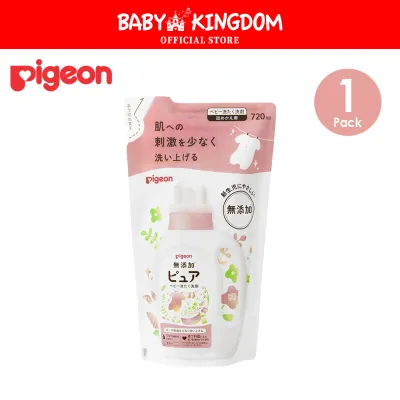
![Pigeon Baby Laundry Detergent Pure 720ml Refill [Bundle of 6]](https://img.lazcdn.com/g/p/2c00db10bf192c13708edbecb84dba92.jpg_400x400q80.jpg_.webp)
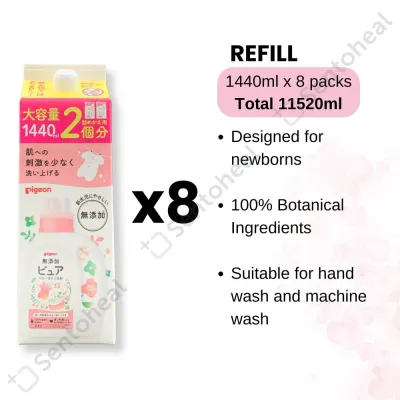
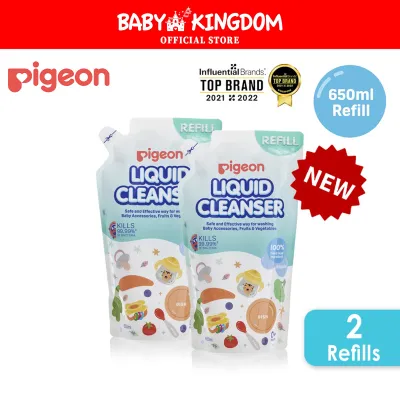
![[6-Pk] Pigeon Liquid Cleanser Refill 650ml [Exp:2028]](https://img.lazcdn.com/g/p/9b388095b25ffc97428971ef201d38c9.png_400x400q80.png_.webp)
Prices are valid at publication and may change. Please refer to the product page for the latest price.
It is important to recognize that Pigeon liquid detergent formulations can vary significantly depending on the region where they are manufactured and sold. A bottle purchased in one country may feature a different preservative system or surfactant blend than one purchased elsewhere, due to local regulatory standards. Additionally, different product lines within the brand—such as standard baby laundry detergents, antibacterial variants, or those formulated specifically for sensitive skin—will contain distinct active ingredients.
When reading the ingredient list, you will often encounter complex chemical names that can seem intimidating. These names are typically grouped into broader functional categories on consumer-facing labels to make them easier to understand. For instance, terms like “sodium laureth sulfate” or “alkyl polyglucoside” represent the cleaning agents responsible for lifting dirt, while other long names might represent stabilizers, pH adjusters, or preservatives. Learning to identify these functional groups allows you to make informed decisions without needing a degree in chemistry.
Common Ingredient Categories in Baby Liquid Detergents
Surfactants are the primary cleaning agents in any liquid detergent, working to break down oils and lift dirt from fabric fibers so they can be washed away. In baby-specific formulas, manufacturers often prioritize plant-derived surfactants, such as those derived from coconut or corn, because they tend to be milder on sensitive skin than traditional petroleum-based alternatives. While petroleum-derived surfactants are highly effective at cutting through heavy grease, they are more likely to strip the natural lipid barrier of an infant’s skin if any residue remains on the fabric.

Fragrances and dyes are among the most common triggers for contact dermatitis and skin irritation in infants. Many baby-specific detergents omit artificial dyes entirely to eliminate unnecessary chemical exposure, resulting in a clear or pale liquid. If a product is labeled as scented, it is crucial to check the ingredient list for specific fragrance compounds or allergens, as even natural essential oils can sometimes cause adverse skin reactions in highly sensitive babies.
Enzymes are specialized proteins added to detergents to target and break down tough, organic stains like breast milk, formula, spit-up, and baby food. While enzymes are incredibly efficient at keeping baby clothes looking clean, some infants with highly reactive skin or compromised skin barriers may experience mild irritation from enzyme residues. If your baby has eczema or extremely dry skin, you may want to verify whether your chosen detergent contains enzymes and consider an enzyme-free formula if irritation occurs.
Preservatives and stabilizers are necessary components in liquid detergents to prevent the growth of bacteria, mold, and yeast in the bottle over time. Because water-based formulas are highly susceptible to microbial contamination, these ingredients ensure the product remains safe to use throughout its shelf life. When reviewing these components, parents should look for modern, gentle preservative systems that meet international safety profiles for rinse-off products, avoiding older, harsh preservatives that are known sensitizers.
How to Test if the Detergent is Safe for Your Baby's Skin
While terms like “hypoallergenic” or “dermatologically tested” on a detergent bottle are helpful indicators that the manufacturer has taken steps to minimize irritants, they do not offer an absolute guarantee. These labels generally mean the product has undergone standard testing on a select group of individuals, but they cannot account for the unique sensitivities of your specific child. Every baby’s skin barrier reacts differently to residual chemicals, making individual observation the most reliable safety check.
To safely determine if a new detergent is compatible with your baby’s skin, you can conduct a practical home patch test using a single garment. Choose a small item that sits directly against the skin, such as a cotton bodysuit or a swaddle blanket, and wash it separately using the new detergent. Have your baby wear this single washed item for a few hours while keeping a close eye on the skin areas in direct contact with the fabric.
During and after this trial wear, monitor your baby’s skin for early signs of contact dermatitis or irritation. Look for localized redness, dry or rough patches, tiny raised bumps, or signs of physical discomfort such as unusual fussiness or scratching. These symptoms often appear in areas where clothing fits snugly or where friction and sweat are most common, such as the neck, thighs, and armpits.
If you observe any signs of skin irritation, stop using the detergent immediately and wash the affected clothing again with plain water or a previously tolerated detergent to remove any lingering residue. For mild redness, keeping the skin clean and moisturized may help it recover naturally. However, if the rash spreads, becomes severe, oozes, or causes your baby significant distress, consult a pediatrician or a pediatric dermatologist for professional guidance and treatment.
Washing Practices to Minimize Detergent Residue on Clothes
Even the mildest baby detergent can cause skin irritation if it is not thoroughly rinsed out of the fabric fibers. To prevent surfactant buildup, always follow the manufacturer’s dosage instructions printed on the back of the bottle, adjusting the amount based on your load size and water hardness. In humid climates, clothes are washed frequently, and using too much detergent can leave a sticky residue that traps moisture, sweat, and bacteria against your baby’s skin.
Selecting an extra rinse cycle on your washing machine is one of the most effective ways to ensure all traces of detergent are completely flushed away. This is particularly important for front-loading machines, which use less water and may require an additional rinse to thoroughly clear out suds. Taking this simple extra step significantly reduces the likelihood of chemical residues remaining on tight-fitting garments like sleepwear.
Always check the care labels on your baby’s clothing to determine the appropriate water temperature for washing. While warm water can help dissolve detergents and break down oils more effectively, some delicate fabrics require cold washes to maintain their shape and softness. Ensuring your washing machine operates within both the garment’s care guidelines and the detergent’s optimal performance range will yield the cleanest, residue-free results.
To optimize your laundry routine, separate heavily soiled items—such as cloth diapers, bibs covered in solid food, or garments soiled by diaper leaks—from everyday sleepwear and items that sit directly against the baby’s skin. Washing heavily soiled items separately allows you to use targeted stain removers or higher temperatures where necessary, without exposing your baby’s daily wear to excessive chemical treatments or cross-contamination.
Frequently Asked Questions (FAQ)
Can I use regular adult detergent if I run out of baby detergent?
Standard adult detergents are formulated to tackle heavy outdoor dirt, body oils, and synthetic fabric odors, meaning they often contain higher concentrations of strong surfactants, optical brighteners, and intense fragrances. These ingredients are highly prone to leaving residues that can irritate an infant’s delicate skin barrier. If you run out of baby detergent in an emergency, use only a tiny fraction of the recommended adult detergent dose and run the wash through multiple extra rinse cycles to flush out as much residue as possible before letting your baby wear the clothes.
Do I need to wash new baby clothes before the first use?
Yes, it is highly recommended to wash all new baby clothes, blankets, and fabric toys before they ever touch your baby’s skin. New garments often carry chemical finishes, starches, and flame retardants applied during manufacturing to keep them looking crisp on store shelves, alongside dust and bacteria from shipping and handling. A gentle first wash with a mild baby detergent removes these potential irritants and softens the fabric, making it much safer and more comfortable for your newborn.
Is it necessary to use a fabric softener with baby detergent?
Traditional liquid fabric softeners and dryer sheets are generally not recommended for baby laundry because they work by leaving a thin chemical coating over the fabric fibers. This coating can significantly reduce the breathability and absorbency of cotton garments, potentially trapping heat and sweat against your baby’s skin, while the strong fragrances and quaternary ammonium compounds used can trigger allergic reactions. If you want to soften baby clothes naturally, consider using wool dryer balls in the dryer or adding a small splash of distilled white vinegar to the washing machine’s rinse compartment.

Community discussion
Share your experience or ask a question. Comments are reviewed before publication.