
Newborn babies possess incredibly delicate skin that requires meticulous care, making the choice of grooming tools a critical decision for new parents. When considering Pigeon cotton balls for your infant’s daily routine, they are generally safe and highly suitable, provided you verify that the specific packaging indicates 100% pure cotton and zero added chemicals. In warm, humid climates like Singapore, where infants are prone to sweat accumulation in skin folds, frequent and gentle cleansing is essential to prevent heat rash and chafing. However, because a newborn’s skin barrier is still developing, you must not rely solely on brand reputation; instead, learn how to inspect the product’s physical properties and read the manufacturer’s labels to ensure safety.
Why Newborn Skin Requires Specific Cotton Standards
A newborn’s skin is structurally different from adult skin, being up to thirty percent thinner and far more permeable to external substances. This delicate barrier lacks a fully developed acid mantle, making it highly susceptible to friction, environmental irritants, and chemical additives. Standard cosmetic or household cotton products often contain synthetic binders, optical brighteners, or chlorine bleach residues that can easily trigger contact dermatitis or localized allergic reactions on an infant.
Friction is another major concern when grooming a newborn. Coarse fibers or poorly constructed cotton balls can cause micro-abrasions on the skin surface, opening pathways for bacterial or fungal infections. In humid environments, these tiny tears are particularly problematic as sweat and moisture can pool in skin creases, exacerbating irritation and leading to painful rashes.
Products mentioned in this guide
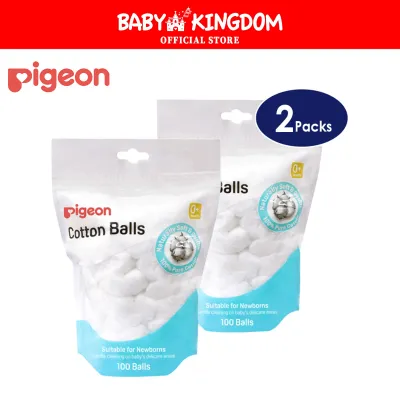
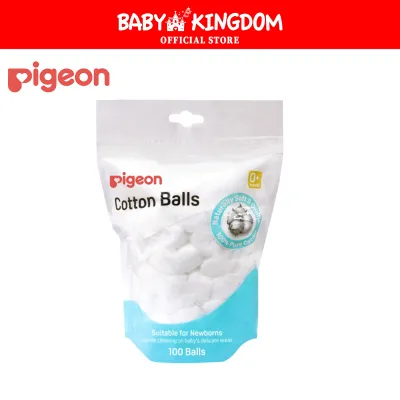
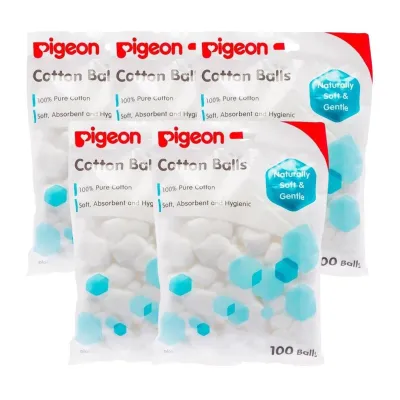
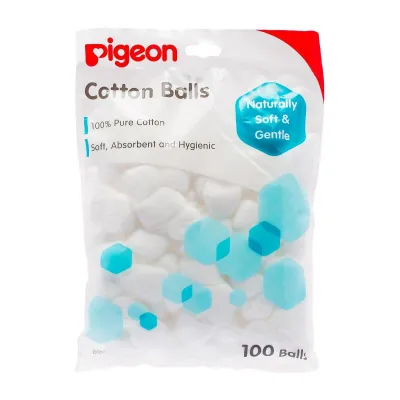
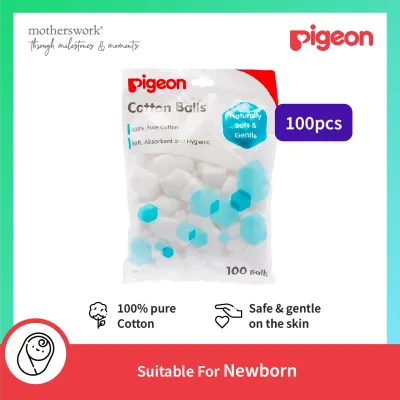
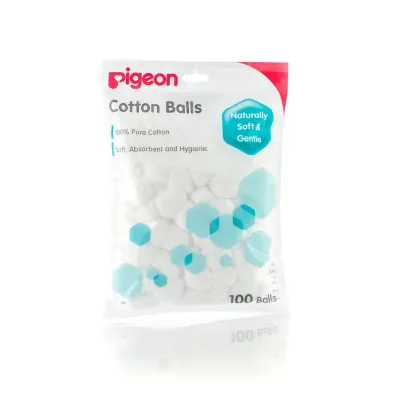
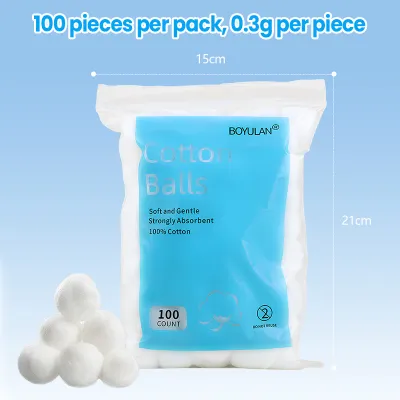
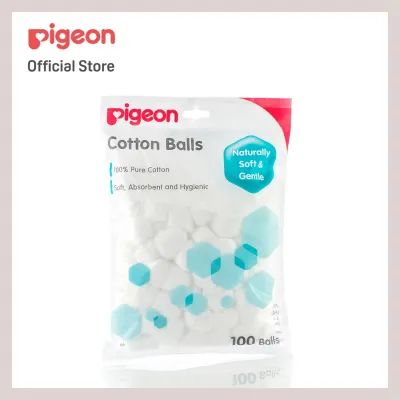
Prices are valid at publication and may change. Please refer to the product page for the latest price.
To mitigate these risks, baby-safe cotton must meet strict physical baselines. It must consist of long, high-quality natural fibers that offer exceptional softness to minimize friction during contact. High absorbency is equally critical, allowing the cotton to hold sufficient water to cleanse the skin without requiring repetitive wiping. Finally, the cotton ball must maintain its structural integrity when wet, ensuring it does not disintegrate or leave behind loose fibers that could cling to the baby’s skin or eyes.
How to Verify Pigeon Cotton Ball Safety on the Packaging
While budgeting S$5 to S$10 for premium baby grooming accessories is common, your first line of defense is a thorough inspection of the product packaging. Turn the bag or box over to locate the ingredient list and material composition. Confirm that the product is labeled as 100% pure cotton, with no synthetic fiber blends like polyester or rayon, which can be abrasive and less absorbent. The label should also explicitly state that the cotton is free from artificial fragrances, colorants, and chemical bleaching agents.

Next, look for specific hygiene or sterilization claims printed on the packaging. While many manufacturers use high-temperature processing to ensure cleanliness, you should verify if the package states the cotton is sterilized or produced under strict hygienic conditions. Keep in mind that these claims are manufacturer-specific, so you must read the fine print rather than assuming all baby cotton products undergo the same treatment.
Carefully review the recommended age range, usage instructions, and safety warnings provided by the manufacturer. Some packaging may outline specific limitations, such as avoiding use inside the ear canal or nose. Checking these details ensures you are using the product exactly as intended by the design team, reducing the risk of accidental misuse.
Before using a new pack of cotton balls, perform a physical inspection of the product itself. Open the package in a clean environment and check for any unusual chemical odors, which could indicate improper storage or chemical residues. Gently pull a cotton ball to assess its fiber shedding; excessive linting or a dusty residue suggests the cotton may easily break apart during use, making it less suitable for sensitive areas like the eyes or umbilical cord.
Safe Techniques for Daily Newborn Grooming with Cotton Balls
Using cotton balls safely requires precise, low-risk techniques that minimize physical friction and prevent the spread of bacteria. When cleaning your newborn’s eyes, always employ the single-wipe technique. Moisten a fresh cotton ball with lukewarm water, and gently wipe from the inner corner of the eye outward. Dispose of the cotton ball immediately and use a completely new one for the other eye to prevent cross-contamination, which is a common cause of newborn eye infections.
For other areas of the face, neck folds, and the diaper area, prioritize gentle patting over rubbing. Wiping or scrubbing, even with soft cotton, can strip away the natural oils protecting your baby’s skin and cause micro-tears. Instead, saturate the cotton ball with water, gently press it against the skin to release the moisture, and then pat the area dry with a clean, dry cotton ball or soft cloth.
Umbilical cord stump care demands extreme caution and should only be performed according to your pediatrician’s specific instructions. If you are advised to clean or dry the area, use a sterile or highly hygienic cotton ball to gently absorb excess moisture around the base of the stump. Avoid aggressive rubbing or leaving damp cotton fibers snagged on the drying cord, as keeping the area dry is paramount to preventing infection and promoting natural healing.
Before beginning any grooming routine, always practice strict hand hygiene. Wash your hands thoroughly with soap and water for at least twenty seconds before touching the cotton balls or your baby’s face. Ensure your baby is placed on a secure, flat surface, and never leave them unattended during grooming, even for a brief moment, as infants can move unexpectedly.
Potential Risks, Irritation Signs, and When to Stop
Despite their softness, cotton balls carry inherent risks if used incorrectly or if the fibers are of lower quality. The primary physical hazard is the detachment of loose cotton fibers. If these tiny fibers break away, they can easily enter your baby’s eyes, causing irritation and redness, or be inhaled if used too close to the nostrils or mouth. Always inspect the skin after grooming to ensure no stray fibers remain.
As a caregiver, you must remain vigilant for observable signs of skin distress during or after grooming. If you notice localized redness, swelling, dry patches, or unusual discharge around the eyes or umbilical cord, discontinue using the product immediately. These symptoms can indicate that the cotton is too abrasive, that the baby is reacting to a chemical residue, or that an infection is developing.
Never combine cotton balls with unverified home remedies, essential oils, or adult skincare products. A newborn’s skin cannot tolerate the concentrated botanical compounds or chemical preservatives found in these liquids. Stick strictly to plain, lukewarm water or mild, pediatrician-approved baby cleansers to avoid severe chemical burns or systemic absorption of harmful ingredients.
If your baby exhibits persistent skin irritation, signs of an allergic reaction, or any indication of infection—such as pus, warmth, or spreading redness—stop all home grooming treatments immediately. Consult a pediatrician or a qualified healthcare professional right away to receive an accurate diagnosis and appropriate medical treatment.
Alternative Grooming Tools for Delicate Baby Care
While cotton balls are highly versatile, other specialized grooming tools may be more appropriate depending on the specific task and your baby’s skin sensitivity. For precise cleaning around the outer ear or within narrow skin folds, baby-specific cotton swabs with built-in safety stops are an excellent alternative. These safety stops prevent the swab from entering too deeply into delicate cavities, reducing the risk of injury.
For larger surface areas, such as during diaper changes or when wiping down the body, soft, reusable baby muslin cloths or disposable cotton tissue wipes are often more practical. Muslin cloths are exceptionally gentle, highly breathable, and can be washed and reused, making them an eco-friendly option. Disposable cotton tissues, on the other hand, offer the convenience of a single-use wipe without the risk of shedding loose fibers.
Ultimately, your choice of grooming tool should be guided by the specific task at hand and your baby’s individual skin tolerance. Some infants may have highly reactive skin that responds better to reusable organic fabrics, while others may require the sterile convenience of single-use cotton products. Observe how your baby’s skin reacts to different materials and adjust your routine accordingly to maintain optimal skin health.
Frequently Asked Questions (FAQ)
Can I use regular adult cotton balls for my newborn?
Regular adult cotton balls are often processed with different bleaching agents and may contain synthetic fiber blends that are too harsh for a newborn’s delicate skin. They also tend to shed fibers more easily, increasing the risk of eye irritation or inhalation. It is always safer to choose cotton products specifically manufactured and labeled for infant use.
How should I store cotton balls to maintain hygiene?
To prevent environmental contamination, store your cotton balls in their original packaging, ensuring it is tightly sealed after each use. Alternatively, transfer them to a clean, dry, airtight container. Keep the container in a cool, dry place away from household dust, direct sunlight, and bathroom moisture, which can encourage mold growth.
What liquids are safe to use with cotton balls on newborn skin?
The safest liquid to use with cotton balls on a newborn is plain, lukewarm water. If cleansing a soiled diaper area or sticky residue, you may use a mild, fragrance-free baby cleanser recommended by your pediatrician. Avoid using alcohol, astringents, or adult toners, as these will severely dry out and damage your baby’s skin barrier.

Community discussion
Share your experience or ask a question. Comments are reviewed before publication.