
When introducing solid foods to your baby, bananas are often one of the first fruits parents reach for due to their soft texture, natural sweetness, and convenience. If you are standing in the produce aisle comparing organic bananas to conventional ones, you might wonder if the organic label offers a superior nutritional profile for your growing infant. Nutritionally, organic and conventional bananas are virtually identical. Both options deliver the same essential vitamins, minerals, and dietary fiber that support your baby’s development. The primary differences lie in the agricultural methods used to cultivate them and how those methods affect pesticide exposure, rather than any variation in the fruit’s inherent nutritional value.
Nutritional Differences: Does the Organic Label Matter?
Many parents assume that organic certification automatically translates to a higher concentration of vitamins and minerals. However, scientific comparisons show that core nutrients—such as potassium, vitamin B6, vitamin C, and dietary fiber—remain largely consistent across both organic and conventional bananas. Potassium supports healthy muscle and nerve function, while vitamin B6 is essential for brain development and metabolic processes. Both farming methods yield fruit with the same fundamental macronutrient profile, caloric content, and moisture levels.
Farming methods generally do not alter how a banana plant synthesizes these essential nutrients. While organic soil management can sometimes slightly influence trace mineral levels, these minor variations do not create a measurable health or developmental advantage for your baby. Both options provide an excellent, nutrient-dense start to solid feeding.
Products mentioned in this guide
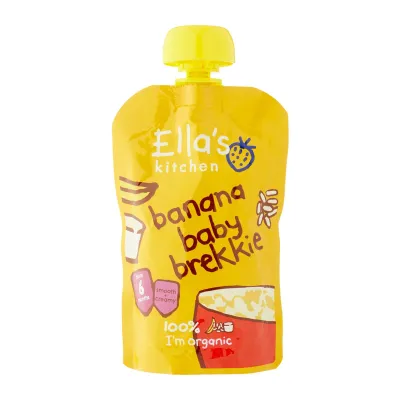
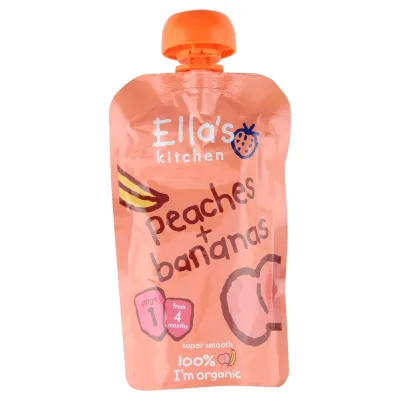
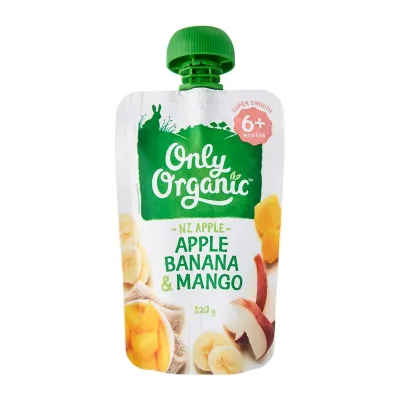
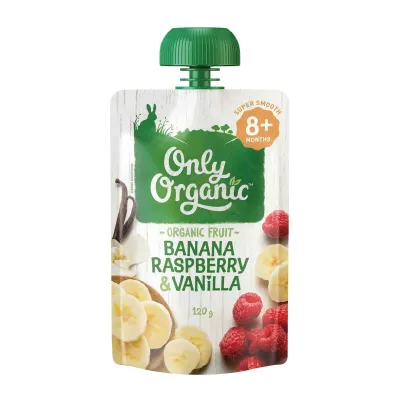
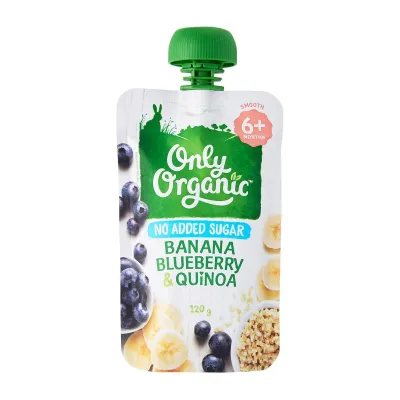
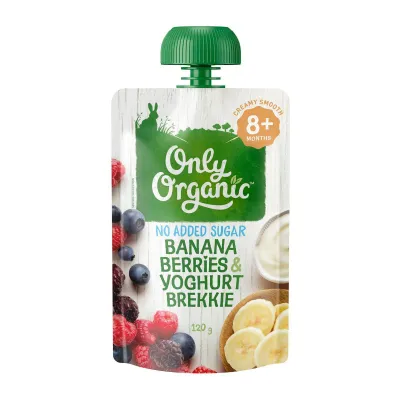
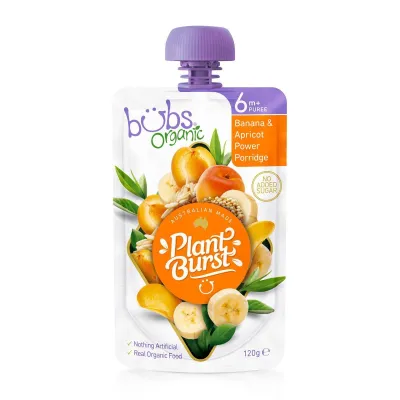
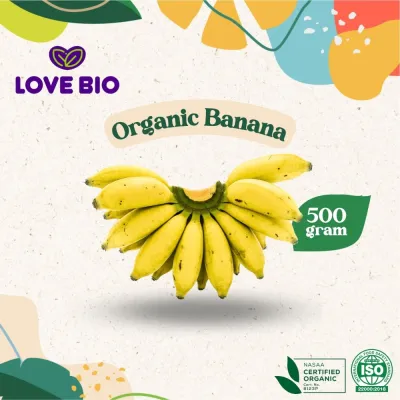
Prices are valid at publication and may change. Please refer to the product page for the latest price.
Instead of the farming method, the factor that most significantly impacts your baby’s nutrition and digestion is the fruit’s ripeness. Unripe bananas contain high levels of resistant starch, which can be difficult for an infant’s immature digestive tract to break down, occasionally leading to gas or mild constipation. As a banana ripens, its enzymes naturally convert these complex starches into simple sugars like fructose and glucose. This conversion makes the fruit much softer, sweeter, and significantly easier for your baby to digest. Choosing a banana at the right stage of ripeness has a more immediate, practical impact on your baby’s digestive comfort than whether it carries an organic label.
Pesticide Risks and the Protection of the Banana Peel
One of the main reasons parents consider organic baby food is to minimize their infant’s exposure to synthetic chemical residues. Infants have developing organs and a higher food intake relative to their body weight, making them more sensitive to environmental chemicals. Organic farming strictly restricts the use of synthetic pesticides, herbicides, and artificial fertilizers, which directly addresses these parental concerns and offers peace of mind.

However, the physical structure of the banana provides an exceptionally robust natural defense. The thick, fibrous, inedible peel acts as a highly effective shield, protecting the inner edible flesh from direct contact with agricultural sprays used in conventional farming. Because the peel is discarded before consumption, pesticide residues rarely reach the part of the fruit your baby actually eats. This natural barrier makes conventional bananas one of the cleanest non-organic produce choices available.
Despite this natural protection, cross-contamination can still occur during preparation. If there are pesticide residues, dirt, or bacteria on the outer surface of the peel, cutting through it with a knife can transfer those substances directly onto the soft inner flesh. To prevent this, always wash the outer peel under running tap water before peeling or slicing the banana. This simple hygiene step ensures that the edible portion remains clean and safe for your baby.
How to Verify Organic Certifications and Labels
When shopping for baby food or fresh produce, navigating the marketing claims on packaging can be confusing. To ensure you are purchasing genuine organic bananas, look for official certification seals from recognized regulatory bodies. These logos guarantee that the farm has undergone rigorous inspections and adheres to strict organic agricultural standards.
It is important to distinguish between strictly regulated “Certified Organic” labels and unregulated marketing terms. Phrases like “natural,” “green,” “eco-friendly,” or “pesticide-free” are often used to attract well-meaning parents, but they do not carry any legal definition or guarantee of organic farming practices. Always look for the official seal of an accredited organic certifier to verify the claim.
For loose, unpackaged bananas sold in bulk, you can easily verify their status by checking the Price Look-Up (PLU) sticker affixed directly to the fruit. Organic produce is identified by a five-digit PLU code that always begins with the number 9 (for example, 94011). In contrast, conventional bananas feature a four-digit PLU code that typically begins with the number 4 (such as 4011). Checking this code is a quick and reliable way to confirm what you are buying.
Preparing and Serving Bananas Safely for Your Baby
Bananas are an ideal food for babies starting solids, which typically occurs around six months of age when they show signs of developmental readiness. To prepare them safely, select bananas that are fully yellow with small brown speckles on the skin. These are soft enough to be easily mashed with a fork into a smooth puree or served as safe, soft spears for babies practicing baby-led weaning. Avoid using firm bananas with green tips, as they are harder to mash and more difficult for your baby to swallow.
Before you begin preparing the food, wash your hands thoroughly with soap and water. Rinse the outer banana peel under cool running water, peel the fruit, and discard any bruised or damaged sections. Use clean cutting boards, bowls, and utensils to mash or slice the fruit to prevent introducing harmful bacteria to your baby’s meal.
Store fresh bananas at room temperature in a cool, dry place away from direct sunlight. Do not store unripe bananas in the refrigerator, as cold temperatures cause chilling injury, which stops the ripening process, turns the skin black, and ruins the texture. If you have leftover mashed banana, store it in an airtight container in the refrigerator and consume it within 24 hours. The mashed fruit may turn slightly brown due to natural oxidation; while this is harmless, you can minimize it by adding a tiny drop of fresh lemon juice if your baby has already successfully tolerated citrus.
Making the Choice: Budgeting and Prioritizing Produce
Raising a baby involves many expenses, and organic produce often carries a premium price tag. In local markets, organic bananas typically cost more than conventional ones. Because bananas are consistently classified as low-risk for pesticide residues due to their thick protective peel, they are an excellent place for parents to save money.
If you are working within a budget, a practical strategy is to allocate your organic grocery budget toward thin-skinned fruits and vegetables—such as strawberries, apples, pears, and spinach—where pesticide residues are more likely to remain on the edible parts. You can then confidently purchase conventional bananas, knowing that their thick peel has kept the inner fruit well-protected.
Ultimately, the most crucial factor in infant nutrition is offering a diverse range of whole foods to ensure your baby receives a wide spectrum of vitamins and minerals. A baby who enjoys a variety of conventional fruits and vegetables will benefit far more than a baby whose diet is restricted to only a few items due to the high cost of buying exclusively organic. Focus on variety, proper hygiene, and safe preparation rather than organic perfection.
Frequently Asked Questions (FAQ)
Are organic bananas less likely to cause allergic reactions in babies?
No. Allergic reactions to bananas are triggered by natural proteins present within the fruit itself, not by farming methods or the presence of synthetic pesticides. If your baby has a banana allergy, they will react to both organic and conventional versions. When introducing bananas for the first time, offer a small amount and monitor your baby closely for signs of an allergic reaction, such as hives, swelling of the lips or face, vomiting, or difficulty breathing. If you observe any of these symptoms, stop feeding the banana immediately and consult a pediatrician or seek medical attention.
Do organic bananas ripen differently than regular ones?
Organic bananas ripen using the same natural biological processes as conventional ones, primarily driven by the production of ethylene gas. However, because organic bananas are not treated with synthetic ripening agents or chemical preservatives to delay spoilage during transport, their ripening timeline can sometimes be less predictable. To speed up the ripening of organic bananas at home, place them in a paper bag with an apple or another ripe banana to trap the natural ethylene gas. To slow down ripening, separate the bananas from the bunch and store them individually in a cool, well-ventilated area.
Can I mix regular and organic bananas in the same baby puree batch?
Yes, you can safely mix regular and organic bananas in the same batch of baby puree. Both types of bananas are nutritionally compatible and safe for your baby to consume. The key to safe preparation is ensuring that both the organic and conventional bananas are thoroughly washed on the outside before peeling, and that you use clean hands, cutting boards, and utensils. Mixing them is a practical way to manage your household groceries, reduce food waste, and transition your baby to different foods without compromising their health or safety.

Community discussion
Share your experience or ask a question. Comments are reviewed before publication.