
Deciding on a car seat for your child in Singapore involves balancing safety, convenience, and strict legal compliance. If you are considering a Mimosa car seat, the short answer is that many Mimosa models are safe and fully compliant with local regulations, but compliance is never a blanket guarantee for an entire brand. To legally and safely use any child restraint on Singapore roads, the specific model you purchase must carry recognized international safety certifications and fit your child’s physical development.
Safety is a dynamic attribute that depends heavily on proper selection, installation, and maintenance. Rather than assuming a seat is safe based solely on its brand name, parents must actively verify safety labels, inspect physical components, and strictly follow the manufacturer’s instructions. Understanding how Singapore’s transport laws apply to child restraints is the first step in ensuring your child is protected during every journey.
Understanding Singapore LTA Child Restraint Laws
Under the Singapore Road Traffic Act, the Land Transport Authority (LTA) mandates that all passengers under 1.35 meters in height must be properly secured using an approved child restraint system, booster seat, or adjustable seat belt. This rule applies to all private motor vehicles, including private hire cars. While traditional taxis are legally exempt from this requirement due to their public service nature, passengers are still strongly encouraged to use portable restraints to protect young children from sudden impacts.
Products mentioned in this guide
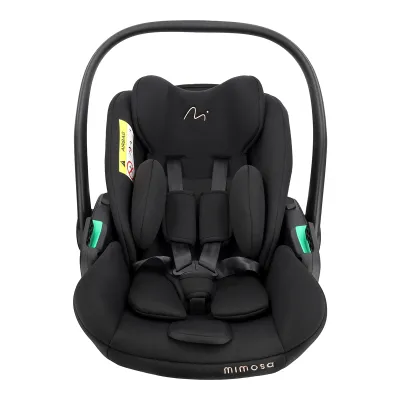
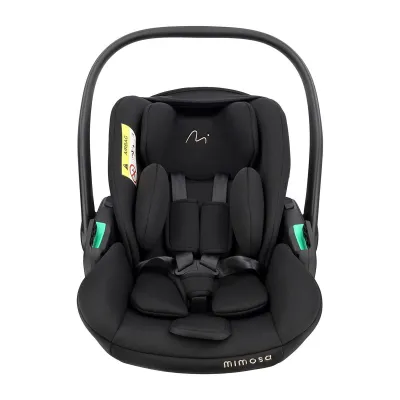
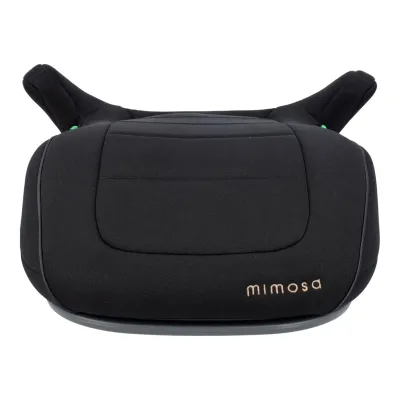
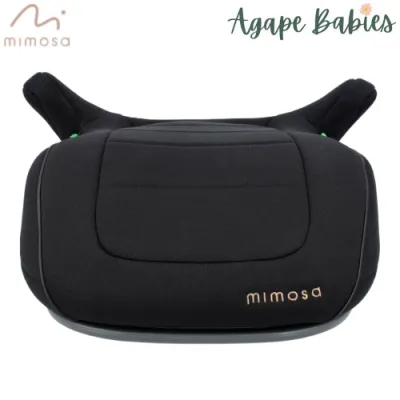
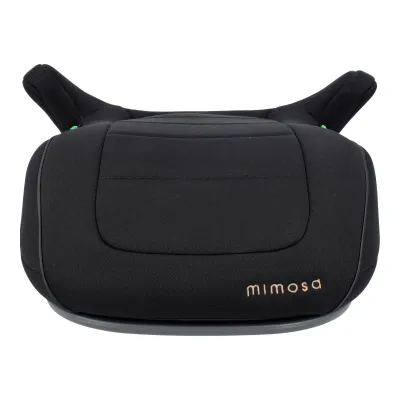
Prices are valid at publication and may change. Please refer to the product page for the latest price.
To meet LTA requirements, a child restraint must comply with recognized international safety standards. The most common standards accepted in Singapore are the United Nations Economic Commission for Europe (UN ECE) regulations, specifically UN ECE R44/04 and the newer, more stringent UN ECE R129 (commonly known as i-Size). These standards ensure that the seat has undergone rigorous crash testing, including frontal and rear impact assessments, to verify its protective capabilities.
Legal compliance is tied directly to the specific car seat model and how it is used, not the brand as a whole. A manufacturer may produce some models that carry these certifications and others designed for markets with different regulatory standards. Consequently, parents must ensure that the specific model they choose is certified and matches their child’s current height, weight, and physical development as defined by the manufacturer.
How to Verify Safety Certifications on Your Mimosa Car Seat
To ensure your Mimosa car seat is legally compliant and safe for use, you must locate and verify the physical certification label. This label is typically an orange sticker or a highly durable decal affixed directly to the back, base, or side of the car seat’s plastic shell. Do not rely solely on online product descriptions, marketing brochures, or packaging boxes, as these do not constitute legal proof of compliance during a roadside check or in the event of an insurance claim.

When inspecting a UN ECE R44/04 label, look for key indicators that prove its legitimacy. The label will display the word “Universal” or “Semi-Universal” (indicating vehicle compatibility), the specific weight range the seat is approved for (such as 0–18 kg or 9–36 kg), and an approval circle containing the letter “E” followed by a number. This number represents the country that granted the certification (for instance, E1 for Germany or E4 for the Netherlands). Crucially, the approval number located beneath this circle must start with “04,” indicating it complies with the latest revision of the R44 standard.
For newer models certified under UN ECE R129 (i-Size), the label will display the i-Size logo, the approved height range of the child (such as 40 cm to 105 cm), and a maximum child weight limit. Because i-Size standards categorize seats primarily by height rather than weight, this label helps prevent premature transitions to larger seats. When shopping on online marketplaces or buying from third-party sellers, physically inspect this label before completing your purchase to avoid grey-market imports that may lack recognized certifications.
Physical Safety Features to Inspect on the Car Seat
Beyond checking the certification label, you should perform a thorough physical inspection of any Mimosa car seat before installing it in your vehicle. This is particularly critical if you are purchasing a display model, buying from a reseller, or assessing a seat that has been in storage for an extended period.
First, check the mechanical integrity of the 5-point harness system. Buckle and unbuckle the harness several times; the buckle should engage with a distinct, audible click, and the release button should operate smoothly. Inspect the harness webbing along its entire length for any signs of fraying, thinning, or loose stitching. Pull the harness adjustment strap to ensure it tightens and loosens smoothly without binding.
Second, if your Mimosa model features ISOFIX connectors, inspect them for smooth deployment and mechanical stability. Push the connectors onto your vehicle’s anchor points to verify that the visual locking indicators turn completely green, signaling a secure connection. If the seat uses a support leg or a top tether, ensure these components adjust securely and lock firmly into position.
Third, remove the fabric seat cover to inspect the energy-absorbing foam underneath. This foam, typically made of Expanded Polystyrene (EPS) or Expanded Polypropylene (EPP), is designed to absorb impact forces during a collision. Carefully check the foam for hairline cracks, crumbling edges, or deep indentations. If the foam is damaged, the seat’s ability to protect your child is severely compromised, and the seat should not be used.
Finally, locate the manufacturer’s expiration date or date of manufacture, which is usually stamped or molded into the plastic shell of the seat. Car seats have a limited lifespan—typically five to ten years from the date of manufacture—because the plastic shell and internal components degrade over time due to heat, UV exposure, and temperature fluctuations. In Singapore’s hot and humid tropical climate, this degradation can occur more rapidly. Never use a car seat that has passed its expiration date.
Installation and Usage Rules for Maximum Protection
Even the most highly certified car seat cannot protect your child if it is installed or used incorrectly. Always consult the specific Mimosa manufacturer’s instruction manual alongside general LTA guidelines, as installation pathways and belt routing differ significantly between models.
When securing your child in the harness, always perform the “pinch test” to verify correct tightness. Once the harness is buckled, attempt to pinch the webbing horizontally at your child’s collarbone using your thumb and forefinger. If you can pinch any excess webbing between your fingers, the harness is too loose and must be tightened further. Additionally, ensure your child is not wearing bulky jackets or thick raincoats when buckled in. Bulky clothing compresses during a crash, leaving dangerous slack in the harness.
Pay close attention to the transition criteria from rear-facing to forward-facing. Pediatric safety experts and international regulations recommend keeping children rear-facing for as long as possible, as this position provides superior head, neck, and spine protection. Do not transition your child to a forward-facing position based on age alone. Instead, strictly follow the height and weight limits specified on your Mimosa seat’s certification label.
Finally, observe a strict safety boundary: if your car seat is involved in a moderate or severe vehicle collision, you must stop using it immediately. Even if there is no visible damage to the plastic shell or fabric, the internal structure and energy-absorbing foam may have suffered microscopic fractures that compromise its performance in a subsequent crash. Consult the manufacturer or local distributor regarding crash-replacement policies, or replace the seat entirely.
Frequently Asked Questions (FAQ)
Can I use a Mimosa car seat purchased overseas in Singapore?
Yes, but only if the specific model bears a valid UN ECE R44/04 or UN ECE R129 (i-Size) certification label. Singapore’s LTA does not accept seats certified solely to other regional standards, such as the United States FMVSS 213 or Australia/New Zealand AS/NZS 1754, unless they also carry the approved European markings. Always verify the physical label on the seat before using it locally.
How do I check if my Mimosa car seat has been recalled?
To check for active safety recalls or product notices, locate the tracking label on the plastic shell of your seat. This label contains the exact model number, batch number, and manufacturing date. Visit the official Mimosa website or contact the authorized distributor in Singapore to cross-reference this information against their safety notices. Regularly checking for updates ensures your seat remains safe for continued use.
Is it safe to use a second-hand Mimosa car seat?
Using a second-hand car seat carries significant inherent risks and is generally not recommended unless you can verify its complete history. You must be absolutely certain that the seat has never been involved in any vehicle collision, has all its original labels and instruction manuals intact, is well within its manufacturer-specified lifespan, and shows no signs of structural damage or missing parts. If any of these factors are unknown or unverified, do not use the seat; instead, consult a professional or purchase a new, certified model.

Community discussion
Share your experience or ask a question. Comments are reviewed before publication.