
Caring for a newborn’s tiny, paper-thin nails can be one of the most nerve-wracking tasks for new parents. An electric nail cutter, also commonly referred to as an electric baby nail trimmer or file, offers a modern alternative to traditional metal clippers. These devices are generally safe for newborns and infants when used with the correct attachments and proper technique, but they are not entirely free of risks.
Instead of cutting the nail with sharp blades, an electric trimmer uses a rotating, cushioned filing pad to gently wear down the nail edge. This mechanism significantly reduces the risk of accidental skin nips, which are common with traditional clippers. However, parents must remain aware of potential hazards such as friction burns, over-filing, and small parts that could pose choking risks.
Understanding How Electric Nail Cutters Work on Baby Nails
To understand why many parents prefer an electric nail cutter, it helps to look at how the filing mechanism operates. Traditional baby clippers require you to position a sharp metal edge beneath the tiny nail and squeeze, which can easily catch the surrounding skin if the baby squirms. An electric trimmer, by contrast, relies on a rapid spinning or oscillating motion to file the nail down gradually, giving you much greater control over how much nail is removed.
Products mentioned in this guide

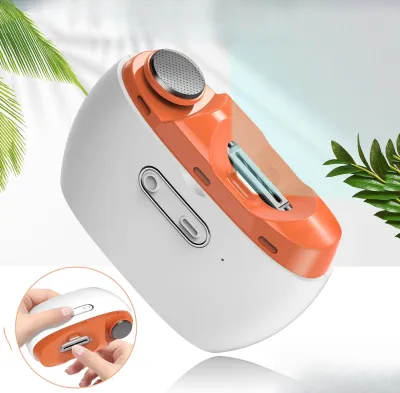
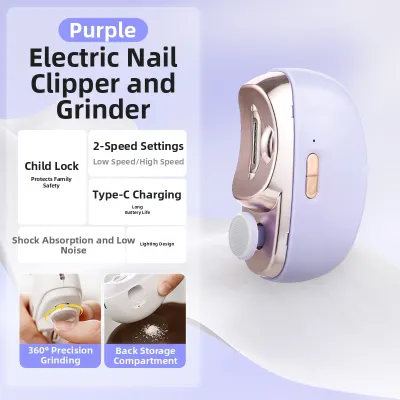
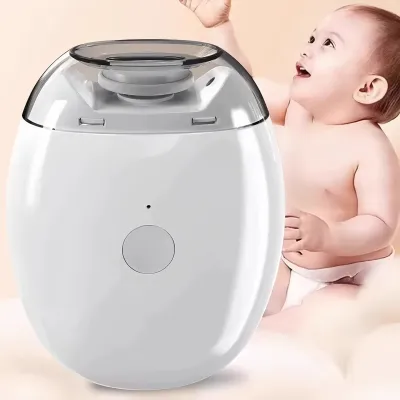
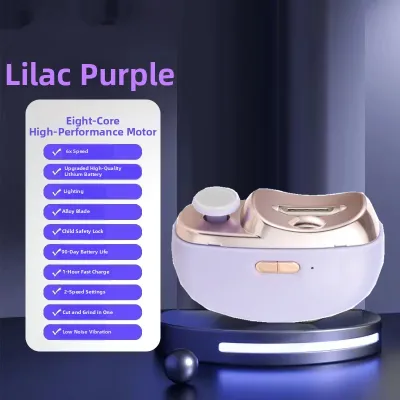
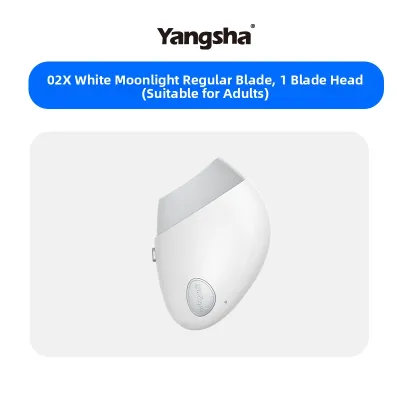
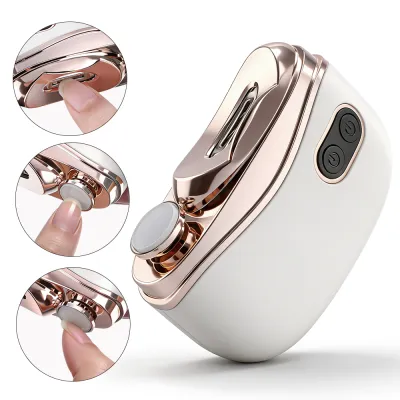

Prices are valid at publication and may change. Please refer to the product page for the latest price.
The filing pads themselves are specifically engineered for different stages of infancy. Unlike adult nail files, which feature highly abrasive surfaces, baby-specific filing discs are cushioned and come in varying textures. These pads are typically color-coded to represent different age ranges, starting with ultra-soft grits for newborns and progressing to slightly coarser textures as the child’s nails thicken over the first year.
The motor of a quality electric nail cutter is designed to run at low rotation speeds. This gentle speed ensures that the friction generated does not create excessive heat on the delicate nail plate. Many models also feature a bi-directional rotation setting, allowing you to change the direction of the spin depending on whether you are trimming the left or right hand, which helps prevent the nail from splitting or tearing.
Realistic Safety Risks to Watch Out For
While electric nail cutters are designed with safety in mind, they are mechanical devices that require careful handling. One of the most common risks is friction burns. Even though the filing pads are cushioned, holding the spinning disc against the same spot on the nail for too long can quickly generate localized heat, causing discomfort or minor skin irritation for your baby.

Another hazard involves catching the delicate skin folds or cuticles surrounding the nail. If you press the device too firmly against the finger or hold it at an incorrect angle, the edge of the rotating pad can rub against the soft skin. This can lead to redness, chafing, or tiny abrasions that, while minor, can cause significant discomfort to an infant.
Parents must also be vigilant about the physical components of the device. Electric nail cutters consist of several small, detachable parts, including the color-coded filing heads and the battery compartment cover. If these parts are left loose or if the device is stored within a child’s reach, they present a serious choking hazard.
Finally, there is the risk of over-filing. Because the filing process is gentle and quiet, it can be easy to lose track of how much nail has been removed. Filing the nail down too far can thin the nail plate excessively, exposing the highly sensitive nail bed underneath and making the baby’s fingertips tender to the touch.
Must-Have Safety Features to Check Before Buying
When shopping for an electric nail cutter, selecting a model with the right safety features can greatly minimize the risks associated with infant nail care. First and foremost, look for adjustable speed settings. A device with multiple speed modes allows you to start on the lowest setting for a delicate newborn and gradually increase the speed as your child grows and their nails become more resilient.
A built-in LED light is another highly practical safety feature. Many parents find that the easiest time to trim a baby’s nails is while they are asleep, which often means working in a dimly lit nursery. A small light positioned at the tip of the trimmer illuminates the tiny fingernail, helping you clearly distinguish between the nail edge and the surrounding skin.
The noise level of the motor is also a critical factor. A loud, vibrating motor can easily startle a sleeping infant or cause a calm baby to become anxious and squirm. Opt for a model that advertises a whisper-quiet motor, which allows you to complete the grooming process without disturbing your baby’s rest.
Lastly, inspect the physical construction of the device. The filing pads should click securely onto the rotating spindle so they cannot easily pop off during use. Additionally, the battery compartment should be secure, ideally requiring a small screw or a firm, multi-step latch to open, ensuring that older siblings or the baby cannot access the batteries.
How to Safely Use the Trimmer on Your Baby
Using an electric nail cutter safely requires a combination of the right environment, proper physical technique, and constant observation. Timing is everything when it comes to baby grooming. Attempting to file the nails of an active, awake infant can be challenging and increases the risk of accidental slips. Instead, schedule the grooming session when your baby is deeply asleep, or during a calm feeding session when they are distracted and relaxed.
To begin, ensure you have a firm but gentle grip on your baby’s hand or foot. Isolate one finger or toe at a time, holding it securely between your thumb and forefinger. Use your thumb to gently press the fleshy pad of the baby’s finger downward, pulling the skin away from the nail edge to expose the entire nail plate clearly.
Hold the electric trimmer at a slight angle, keeping the filing pad parallel to the natural curve of the nail. Turn the device on the lowest speed setting and apply it to the nail with very light pressure. Let the rotating pad do the work; there is no need to push the device hard against the nail. Many high-quality models are designed to stop spinning automatically if too much pressure is applied, which is an excellent safeguard against skin irritation.
Throughout the process, pause frequently to inspect your work. Run your own finger over the baby’s nail to check for any sharp corners or rough edges that could scratch their face. Ensure you are not filing too close to the pink nail bed, and check the surrounding skin for any signs of redness or warmth from friction.
When to Stop and Switch to Manual Alternatives
There are certain situations where an electric nail cutter may not be the best tool, and knowing when to put the device away is crucial for your baby’s safety. During the first few weeks of life, a newborn’s nails are incredibly soft, pliable, and often still attached to the surrounding skin. In this early stage, mechanical filing can sometimes cause the nail to peel rather than file smoothly. Gently peeling the loose edges with your fingers or using a simple manual emery board is often safer.
If your baby has any signs of skin irritation, hangnails, ingrown nails, or minor infections around the cuticle, you should avoid using an electric trimmer. The mechanical friction and vibration can aggravate the inflamed tissue and potentially spread bacteria. These situations require precise, manual care or professional medical advice.
You should also stop using the device immediately if your baby shows signs of extreme distress, cries, or repeatedly pulls their hand away. Forcing the use of an electric trimmer on a struggling child significantly increases the risk of friction burns or accidental injury. It is always better to pause, soothe your baby, and try again at a later time.
If you ever accidentally graze the skin and cause bleeding, or if you notice persistent redness, swelling, or unusual nail growth, stop all grooming attempts. Keep the area clean and consult a pediatrician or healthcare professional to ensure there is no risk of infection.
Frequently Asked Questions (FAQ)
At what age can I start using an electric nail cutter?
You should always consult the manufacturer’s guidelines for your specific model, as age recommendations can vary. Many electric nail cutters include ultra-soft filing pads designed specifically for newborns from birth. However, you must assess the actual hardness and condition of your baby’s nails before starting. For premature infants or babies with specific developmental conditions, it is best to seek pediatric advice before using any mechanical grooming tools.
Can the spinning pad damage the baby's nail bed?
Yes, damage to the nail bed can occur if the device is used incorrectly. Applying excessive pressure, holding the rotating pad in one spot for too long, or using a pad with an incorrect grit level for your baby’s age can wear down the nail plate and irritate the sensitive tissue underneath. To prevent this, always use the recommended age-specific pad, apply minimal pressure, and keep the trimmer moving across the nail.
Are battery-operated or rechargeable models safer for infants?
Both designs can be safe, but they present different maintenance and safety considerations. Battery-operated models require you to regularly check that the battery cover is securely locked to prevent access to small batteries, which are a severe choking and chemical hazard. Rechargeable models often feature sealed designs with no accessible battery compartments, reducing this specific risk, and they typically offer more consistent motor power as the charge drains.

Community discussion
Share your experience or ask a question. Comments are reviewed before publication.