
Many parents looking to keep their children clean and healthy often wonder if a specialized kids ear cleaner is a safe addition to their grooming routine. With a wide array of ear drops, lighted loops, and suction devices available on online marketplaces, it is easy to assume these products are standard care. However, for the vast majority of healthy children, dedicated ear cleaning tools are not only unnecessary but can also introduce significant risks of injury, irritation, or infection.
The human ear is a highly specialized, self-cleaning organ. Attempting to manually clear out earwax often does more harm than good, disrupting natural processes and potentially damaging delicate structures. Before purchasing any ear care product, parents must understand how earwax functions, the hazards associated with common cleaning tools, and how to safely maintain their child’s hygiene without causing accidental harm.
Do Kids Actually Need Ear Cleaners? Understanding Earwax
To determine if your child needs an ear cleaning product, it is essential to understand what earwax is and why it is there. Scientifically known as cerumen, earwax is not a sign of poor hygiene or dirt. Instead, it is a natural, protective substance produced by glands in the outer part of the ear canal. This sticky substance plays several vital roles in maintaining your child’s ear health.
Products mentioned in this guide
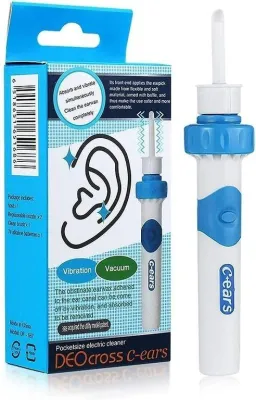




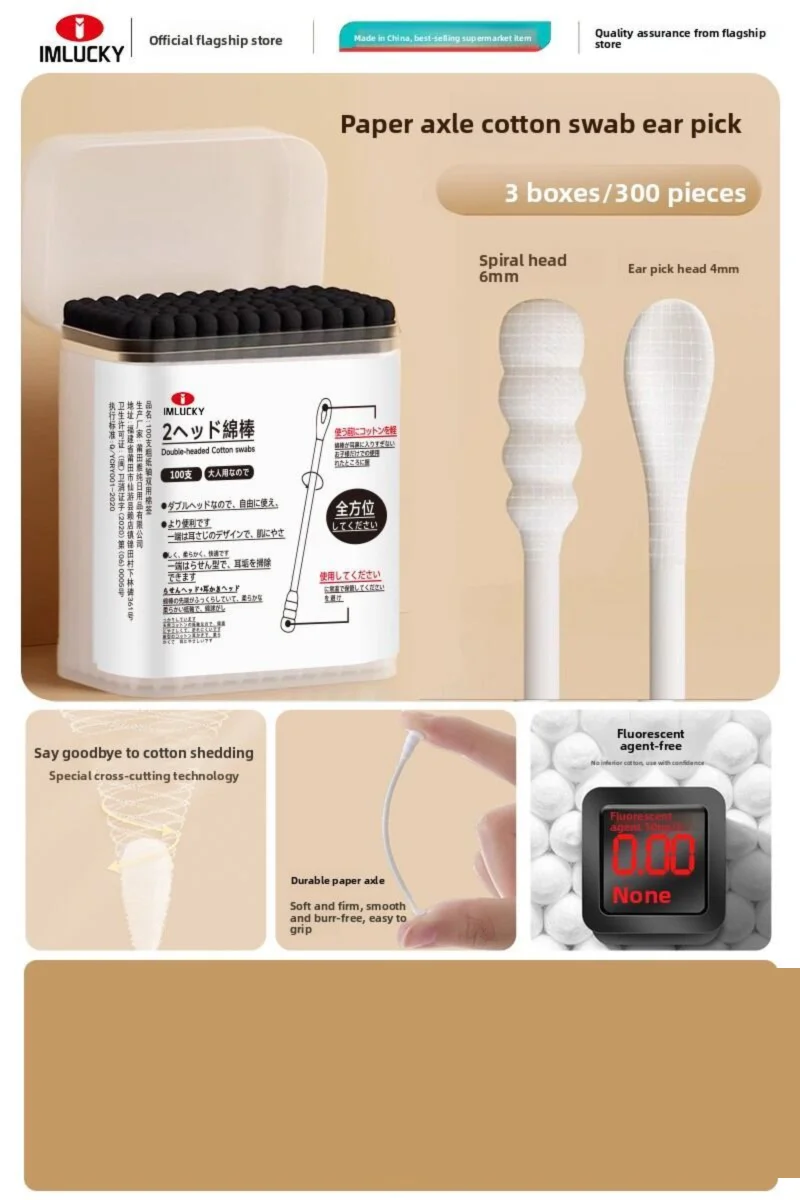
Prices are valid at publication and may change. Please refer to the product page for the latest price.
First, earwax acts as a physical barrier that traps dust, dirt, hair, and other foreign particles, preventing them from traveling deeper into the ear canal where they could damage the eardrum. Second, it has natural lubricating properties that prevent the delicate skin of the ear canal from becoming dry, itchy, or cracked. Finally, earwax contains mild acidic properties and enzymes that help repel water and inhibit the growth of bacteria and fungi, reducing the risk of painful infections.
The human body also has a built-in mechanism to remove old earwax automatically. As your child talks, chews, and yawns, the natural movement of the jaw helps migrate old wax slowly from the deeper parts of the canal toward the outer ear opening. Additionally, the skin inside the ear canal grows outward like a conveyor belt, carrying old wax and trapped debris along with it. Once the wax reaches the outer ear, it typically dries up, flakes off, and falls out unnoticed during regular activities or bath time.
Because of this highly efficient self-cleaning process, visible earwax at the opening of the ear canal is completely normal and healthy. True earwax impaction—where the wax becomes tightly packed and blocks the canal—is relatively uncommon in healthy children. Signs of actual buildup that might require attention include a feeling of fullness or discomfort, frequent rubbing or pulling at the ear, mild hearing changes, or a persistent cough. If you observe these signs, it is important to seek professional guidance rather than attempting to clear the blockage at home.
Safety Risks of Common Ear Cleaning Tools for Children
When browsing baby care sections or online marketplaces, parents are confronted with various tools marketed for ear hygiene. While these products promise clean ears, many of them carry hidden hazards that can lead to painful complications for a developing child.

Cotton swabs are perhaps the most common tool parents reach for, yet they are highly discouraged by pediatricians and ear specialists. The tip of a cotton swab is roughly the same width as a child’s ear canal. Instead of scooping wax out, using a swab acts like a ramrod, pushing the wax deeper into the canal and packing it tightly against the eardrum. This can lead to severe impaction, temporary hearing loss, and intense pain. Furthermore, if a child wiggles or moves suddenly while a swab is inside the ear, it can easily puncture the delicate eardrum, causing bleeding and permanent hearing damage.
Over-the-counter ear drops and softening solutions are another popular category. While these drops are designed to break down stubborn wax, they are not universally safe for all children. The skin inside a child’s ear canal is incredibly thin and sensitive. Certain ingredients in these solutions can cause localized skin irritation, allergic contact dermatitis, or chemical burns if used incorrectly. Additionally, if a child has an undiagnosed perforated eardrum or ear tubes, introducing liquid drops into the ear canal can allow fluid to enter the middle ear, leading to severe pain and infection.
Mechanical tools, such as plastic loops, metal ear picks, lighted curettes, and mini-suction devices, have flooded the consumer market. These tools require a high level of precision and a completely still subject—two conditions that are rarely met when dealing with young children. The rigid materials of these tools can easily scratch the highly sensitive skin of the ear canal. Even a microscopic scratch can break the skin’s protective barrier, allowing bacteria to enter and cause a painful outer ear infection, commonly known as swimmer’s ear. There is also a substantial risk of deep tissue trauma if the tool is inserted too far.
Bulb syringes and home irrigation kits present their own set of physical hazards. These kits rely on flushing the ear canal with water to dislodge wax. However, controlling the water pressure, volume, and temperature at home is exceptionally difficult. If the water pressure is too high, it can rupture the eardrum. If the water temperature is too cold or too hot, it can stimulate the inner ear’s balance center, causing sudden, severe dizziness, nausea, and vertigo. Trapping excess moisture behind a partial wax blockage also creates a warm, damp environment that encourages bacterial growth.
How to Choose a Safe Ear Cleaning Product for Your Child
If your child’s pediatrician has confirmed that home care is appropriate and has recommended using a specific product, parents must evaluate their options with extreme care. Shopping for these products requires looking beyond marketing claims and focusing on verifiable safety features.
First, always check the product packaging for age-appropriate labeling, weight restrictions, and specific manufacturer warnings. Pediatric products are formulated and sized differently than adult versions. Never use a product on an infant or toddler unless the packaging explicitly states it is safe for that specific age group. Carefully read the manufacturer’s instructions to understand the intended method of use and any required caregiver supervision.
Second, evaluate the physical design of any tool you consider. If you are using a physical applicator or syringe, look for built-in safety guards or oversized, flexible tips. A safety guard is a physical barrier on the tool that prevents it from being inserted beyond a safe depth into the ear canal. The tip should be made of soft, medical-grade silicone rather than rigid plastic or metal, minimizing the risk of scratches or trauma if your child moves unexpectedly.
Third, carefully review the ingredient list of any ear drops or softening solutions. Avoid products that contain harsh chemicals, artificial fragrances, alcohol, or common allergens. If your child has a history of sensitive skin, eczema, or allergies, perform a patch test on a small area of skin outside the ear first, or consult a specialist to verify that the ingredients are safe for your child’s specific skin profile.
Finally, the most critical step in choosing any ear care product is consulting a pediatrician before making a purchase. A healthcare professional can use an otoscope to look directly inside your child’s ear canal, determine if there is an actual issue, and recommend a safe, targeted solution. They can also advise you on whether a product is compatible with your child’s anatomy, especially if they have a history of ear infections or have tympanostomy tubes.
Safe Cleaning Practices and When to See a Doctor
Maintaining your child’s ear hygiene does not require complex tools or invasive procedures. By adopting simple, external cleaning habits, you can keep their ears clean while completely avoiding the risks associated with internal ear cleaners.
The safest and most effective routine for daily hygiene is to limit cleaning strictly to the outer ear. During your child’s regular bath time, take a soft, damp washcloth wrapped around your clean finger and gently wipe the external ear, known as the pinna. Clean the folds of the outer ear and the area directly behind the ear where sweat and dirt can accumulate. Once finished, gently pat the area dry with a clean towel. Never insert the washcloth, your finger, or any other object into the ear canal itself.
If a pediatrician has prescribed or recommended a specific ear drop, strict adherence to the instructions is vital. Ensure your child is lying down comfortably with the affected ear facing upward. Administer the exact number of drops recommended, and have your child remain still for the specified time to allow the liquid to work. Never exceed the recommended dosage or frequency, and stop use immediately if your child shows any signs of discomfort.
Parents must be vigilant and recognize immediate stop conditions that require professional medical evaluation. Discontinue the use of any ear product and contact a healthcare provider immediately if your child experiences sudden ear pain, bleeding, clear or yellow fluid discharge, swelling around the ear, dizziness, balance issues, or sudden changes in their hearing. These symptoms can indicate a ruptured eardrum, a severe infection, or physical trauma that requires prompt medical treatment.
Ultimately, if you suspect your child has a significant earwax buildup or if they have inserted a foreign object into their ear, do not attempt to resolve the issue at home. Pediatricians and ENT specialists have specialized training and sterile, professional instruments—such as micro-suction devices and specialized curettes—to safely remove wax under direct visualization. Seeking professional care ensures your child’s hearing and ear health remain fully protected.
Frequently Asked Questions (FAQ)
Can I use adult ear drops on my child?
No, you should not use adult ear drops on a child unless specifically instructed to do so by a pediatrician. Adult formulations often contain higher concentrations of active ingredients, different pH levels, or preservatives that can be highly irritating to a child’s delicate ear canal. Children’s ear canals are much shorter and have thinner, more sensitive skin than those of adults. Always look for pediatric-specific products and verify their safety with a healthcare professional before application.
How often should I clean my child's ears?
Routine cleaning of the inner ear canal should never be performed, as the ear is self-cleaning and needs its natural wax barrier to stay healthy. For the outer ear, a simple wipe down with a damp washcloth during regular bath time—about two to three times a week—is more than sufficient to keep the ears clean and free of dirt. If you notice a sudden increase in wax production or suspect a blockage, consult a doctor rather than increasing the frequency of home cleaning.

Community discussion
Share your experience or ask a question. Comments are reviewed before publication.