
Visual ear cleaners equipped with miniature cameras have become popular tools for parents looking to monitor their child’s ear health. However, finding a safe and effective device for an infant requires looking beyond marketing claims and focusing on precise technical specifications. Because a baby’s ear canal is incredibly delicate, narrow, and still developing, the best visual ear cleaner is not simply the one with the highest resolution, but the one that offers the most robust physical safety features, stable connectivity, and gentle materials.
In Singapore’s humid climate, moisture can sometimes contribute to softer earwax, but it can also increase the risk of minor outer ear irritation. When shopping on local online marketplaces or visiting specialty baby stores, you will encounter dozens of smart ear otoscopes. To make an informed and safe choice, you must know how to evaluate tip security, camera latency, illumination levels, and the critical boundaries where home care must stop and professional medical intervention must begin.
Essential Safety Features to Look For
The physical design of the ear cleaner is the first line of defense against accidental injury. Unlike adult ear canals, an infant’s ear canal is short, straight, and highly sensitive to pressure and friction. Any tool introduced into this space must be designed specifically for pediatric anatomy.
Products mentioned in this guide
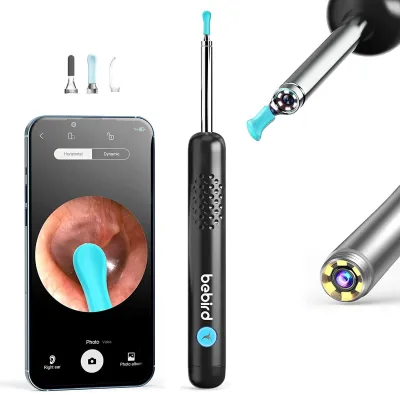
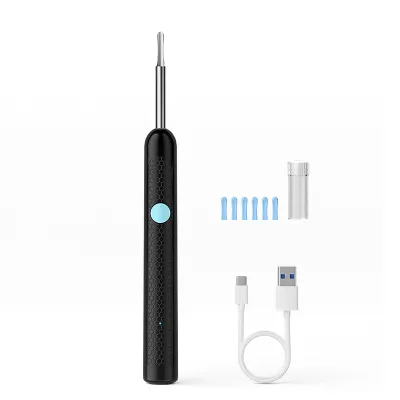
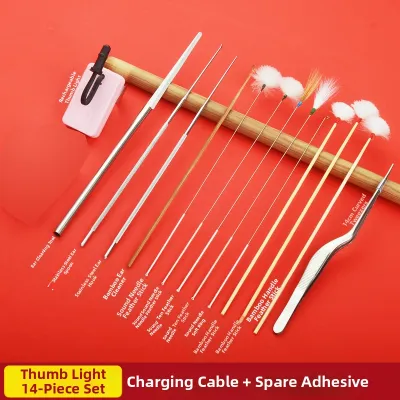
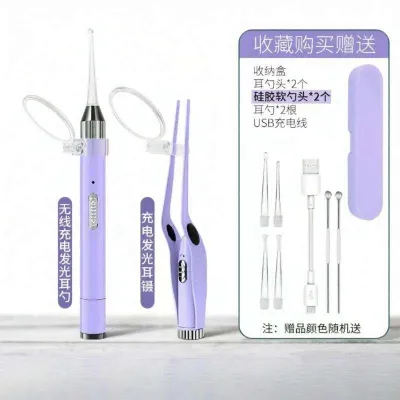
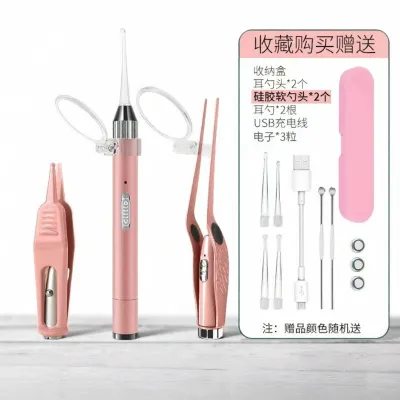
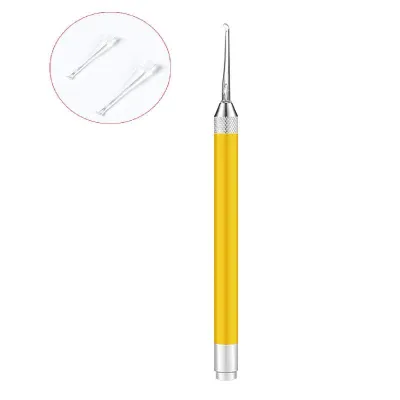
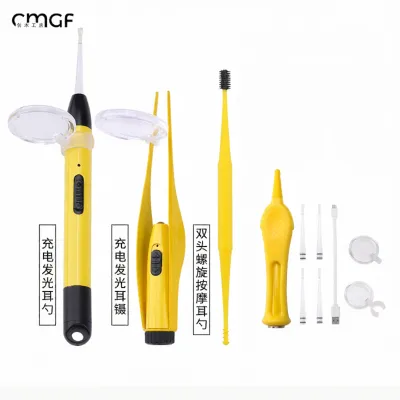
Prices are valid at publication and may change. Please refer to the product page for the latest price.
The tip of the visual ear cleaner must be made of soft, medical-grade silicone. Hard plastic or metal tips can easily scratch the delicate lining of the ear canal, leading to pain, bleeding, or secondary infections. Parents should look for tips that are flexible yet firm enough to scoop loose wax without bending completely out of shape.
The diameter of the tip is equally critical. Standard adult visual ear cleaners often feature tips that are 3.5mm to 4.5mm in diameter, which are far too wide for an infant’s narrow canal. For babies, look for specialized ultra-thin probes, ideally under 3.0mm, which allow sufficient clearance to navigate the canal without scraping the walls.
One of the most significant risks associated with cheap visual ear cleaners is the tip detaching inside the ear canal. You must verify how the tip attaches to the wand. Threaded screw-on tips or integrated, non-removable silicone covers are generally much safer than simple snap-on designs that can easily slip off when encountering resistance from earwax.
Visual ear cleaners rely on built-in LED lights to illuminate the dark ear canal. However, excessive brightness can generate heat and cause discomfort or glare, making it difficult to see clearly on your screen. The ideal device should feature adjustable brightness settings or a cool-light LED system that illuminates the canal without heating up the tip of the probe.
A stable grip is essential when performing any delicate task on a moving baby. The handle of the ear cleaner should have a non-slip texture or an ergonomic shape that fits securely in your hand. This prevents accidental slips if your baby makes a sudden movement.
Some advanced baby-specific ear cleaners come with physical safety guards or depth limiters. These are adjustable collars or rings that fit onto the shaft of the device, physically preventing the probe from being inserted beyond a pre-set, safe depth. This feature provides an extra layer of reassurance, ensuring you cannot accidentally reach the eardrum.
Evaluating Camera Quality and App Connectivity
A visual ear cleaner is only as good as its camera. If the image is blurry, laggy, or constantly disconnecting, the device becomes a hazard rather than a helpful tool. Parents must understand the technical specifications that govern video performance.

Look for a camera resolution of at least 1080p (high definition). Lower-resolution cameras can make the inside of the ear look like a pixelated mass, making it impossible to distinguish between soft yellow earwax, dry skin, or the delicate, pearly-gray eardrum itself. High clarity allows you to identify landmarks within the ear canal clearly.
A high resolution is useless if the video feed suffers from motion blur every time you move the wand. A frame rate of 20 to 30 frames per second (fps) is recommended for smooth, real-time viewing. This ensures that as you gently guide the probe, the image on your phone updates instantly and smoothly, allowing you to react immediately to any minor adjustments.
Most visual ear cleaners connect to your smartphone via a localized Wi-Fi signal emitted by the device itself, while some use a direct wired connection. Wired connections offer the most stable transmission, but wireless models provide better maneuverability. If choosing a wireless model, ensure the device uses a stable 2.4GHz or 5GHz connection to prevent sudden screen blackouts or freezing while the probe is inside the ear.
Before purchasing, check the compatibility of the companion app with your smartphone’s operating system. Read recent app store reviews to ensure the software is regularly updated, does not crash frequently, and does not require unnecessary or invasive privacy permissions to function.
Latency refers to the time delay between the physical movement of the ear cleaner and the corresponding movement shown on your screen. High latency is extremely dangerous; if you move the wand and the screen takes a full second to update, you might accidentally push the probe too deep before realizing it. Look for devices that specify ultra-low latency or real-time transmission.
Safety Boundaries and When to Stop
Even with the most advanced visual ear cleaner, home extraction has strict limits. Parents must remember that the primary purpose of a visual ear cleaner should be inspection and monitoring, rather than aggressive cleaning. Knowing when to stop is the most critical skill a caregiver can possess.
Never attempt to use a visual ear cleaner if your baby is fussy, squirming, or actively resisting. The slightest sudden head turn can cause the probe to scrape the canal wall or puncture the eardrum. If your baby cries, pulls away, or shows any signs of distress, stop immediately and withdraw the device.
Ideally, visual inspection should only be performed when the baby is completely calm, relaxed, or held securely by another adult. Never force the device into the ear canal. If you do not have a second pair of hands to help keep the baby’s head still, it is safer to postpone the inspection.
Earwax is naturally produced to protect, lubricate, and clean the ear canal. If you look inside and see a dark, hard, or tightly packed plug of wax that completely blocks the canal (impacted wax), do not attempt to dig it out with the visual cleaner. Trying to extract hard wax at home often pushes it deeper, packing it against the eardrum and causing pain or temporary hearing loss.
If the earwax is located deep within the inner third of the ear canal, close to the eardrum, leave it alone. The skin near the eardrum is incredibly thin and sensitive, and the risk of accidental eardrum perforation is extremely high. Home visual cleaners should only be used to gently sweep away loose, soft wax that is clearly visible near the entrance of the ear canal.
If you observe any fluid discharge, yellow or green pus, blood, or a foul odor coming from the ear, do not insert the visual cleaner. These are clear signs of an outer or middle ear infection. Similarly, if the ear canal looks bright red, swollen, or if your baby constantly rubs or pulls at their ear in pain, seek medical attention.
In Singapore, you can easily consult a pediatrician, a general practitioner at a local clinic, or an Ear, Nose, and Throat (ENT) specialist. These professionals have specialized tools, such as professional otoscopes and gentle micro-suction devices, to safely clear blockages without risking damage to your baby’s hearing.
Building Your Shortlist: What to Verify Before Buying
When browsing online marketplaces or local baby boutiques, you will find a wide array of visual ear cleaners. To narrow down your choices to the safest options, you must perform a systematic verification of product specifications, safety certifications, and real-world user feedback.
Always read the fine print on the product packaging or the manufacturer’s official website. Many visual ear cleaners sold online are designed primarily for adults and are labeled as such in their user manuals, even if the online listing uses images of children. Ensure the manufacturer explicitly states that the device is suitable for infants or young children, and check for any specific age or weight restrictions.
Look for recognized electrical and material safety certification marks. Since these devices contain lithium-ion batteries and wireless transmitters, they should comply with international safety standards such as CE, FCC, or RoHS. For products sold in Singapore, checking for compliance with local consumer product safety guidelines ensures the device has undergone basic electrical and material safety testing.
Customer reviews can reveal critical long-term performance issues that are not mentioned in the product description. When reading reviews on ecommerce platforms, filter for negative or three-star reviews and search for keywords like “hot,” “warm,” “detached,” “disconnected,” or “battery.”
Because the camera tip contains LEDs and a tiny image sensor, it can generate heat during prolonged use. A device that warms up quickly can cause thermal discomfort or minor burns inside a baby’s sensitive ear canal. Look for reviews that mention whether the tip stays cool during a five-minute session. Additionally, watch out for reports of rapid battery degradation or swelling, which indicate poor build quality.
Pay close attention to any reviews mentioning that the silicone tip came loose or fell off during use. This is a major safety hazard. Similarly, if multiple users complain that the app frequently disconnects or freezes mid-use, remove that device from your shortlist, as a frozen screen during a delicate procedure can lead to accidental over-insertion.
Frequently Asked Questions (FAQ)
Are visual ear cleaners safe for newborns?
Generally, visual ear cleaners are not recommended for newborns. A newborn’s ear canal is extremely narrow, short, and highly vulnerable to injury. Most manufacturers specify a minimum age of at least six months or older for their devices.
For newborns, the safest approach is to focus entirely on external hygiene. Use a soft, damp washcloth to gently wipe the outer ear (the pinna) and the area behind the ear. Never insert cotton buds, visual probes, or any other objects into a newborn’s ear canal unless specifically instructed and demonstrated by your pediatrician.
How often should I clean my baby's ears?
You do not need to clean your baby’s inner ear canals on a regular basis. The human ear is a self-cleaning organ; old earwax naturally migrates from the inside of the canal to the outer ear opening, carrying dirt and dead skin cells with it. This process is assisted by the natural jaw movements your baby makes while feeding, crying, or babbling.
Over-cleaning can disrupt this natural process, strip the ear canal of its protective lining, and dry out the skin, leading to itching and irritation. Limit your routine cleaning to wiping the visible outer ear during bath time. If you suspect a significant wax buildup is causing discomfort or affecting your baby’s hearing, consult a healthcare professional rather than attempting frequent home extractions.
Community discussion
Share your experience or ask a question. Comments are reviewed before publication.