
Using cotton swabs to clean the inside of a baby’s ears and nose is not safe. While these swabs are common household items, inserting them into narrow infant canals poses significant risks of physical injury, eardrum damage, and impacted wax or mucus. They should only be used on the outermost surfaces of the ear and nose under strict safety conditions.
Why Pediatricians Advise Against Internal Ear and Nose Cleaning
Infant anatomy is incredibly delicate, making standard grooming tools risky when used internally. The eardrum is a thin, sensitive membrane positioned close to the entrance of a baby’s narrow ear canal. Because the canal is so small, even a slight slip or sudden movement can cause the tip of a swab to press against the eardrum, potentially leading to pain, bruising, or a painful puncture.
Earwax, or cerumen, is not dirt that needs to be scrubbed away. It is a natural substance produced by glands in the outer ear canal that serves a vital protective function. It traps dust, hair, and foreign particles, while also providing natural lubrication and mild antibacterial properties to keep the canal healthy.
Products mentioned in this guide
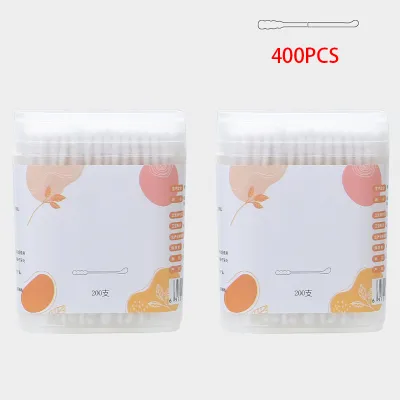
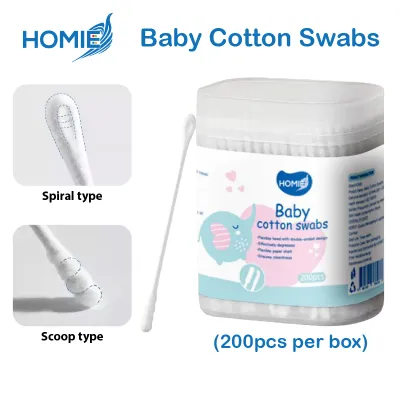
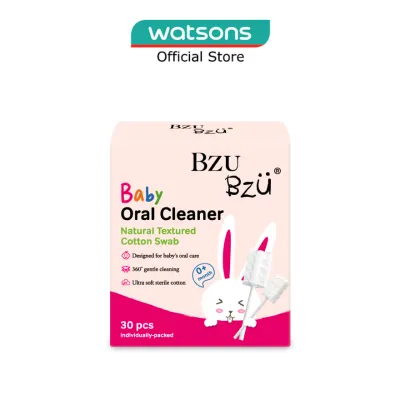

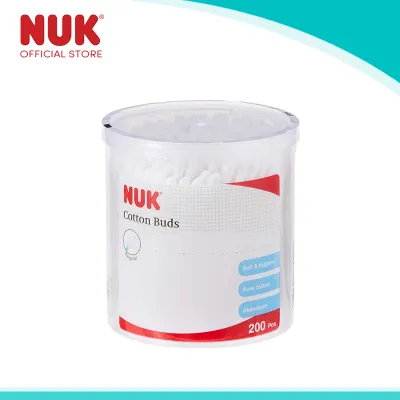
![[SG INSTOCK] Dual Tips Paper Stick Cotton Bud (200 sticks) Multi-Function/ Beauty/ Facial/ Makeup Cotton Buds / Manicure Coloured Cotton Buds/ Cotton swabs/ Baby Cotton Buds/ Cotton Container/ Cotton Storage/ Medical Cotton Buds/ Ear Cleaning Cotton Buds](https://img.lazcdn.com/g/p/40b609ea08014fec76dc1eaf434803c4.png_400x400q80.png_.webp)
Prices are valid at publication and may change. Please refer to the product page for the latest price.
Under normal conditions, the ear has a highly effective self-cleaning mechanism. As your baby moves their jaw during feeding, sucking, or crying, old earwax slowly migrates from the inside of the canal to the outer ear. Once it reaches the outside, it dries up and falls away naturally without any manual intervention.
Inserting a cotton swab disrupts this natural outward flow. Instead of removing the wax, the tip of the swab often acts like a plunger, pushing the wax deeper into the canal. This can cause the wax to become tightly impacted against the eardrum, which can lead to discomfort, temporary hearing dampening, or localized infections.
Nasal passages are similarly vulnerable to internal cleaning attempts. The lining of a baby’s nose consists of highly sensitive mucous membranes and tiny, fragile blood vessels. Inserting a swab can easily scratch these tissues, leading to swelling, bleeding, or pushing mucus further up into the nasal cavity, which ultimately worsens congestion.
Safe Boundaries for Using Cotton Swabs on Babies
While internal cleaning is off-limits, cotton swabs still have a place in a baby’s grooming routine when used strictly on external surfaces. The golden rule is to keep the swab visible at all times and never let any part of the tip enter the ear canal or nasal cavity.

Safe usage is limited to the outer ear folds, known as the pinna, and the area behind the ear. In warm, humid climates like Singapore, sweat, milk residue, and dead skin can easily accumulate in these creases, making them prone to redness and irritation. A damp cotton swab can gently trace these outer folds to remove buildup without entering the canal.
For the nose, limit use to the very outer edges of the nostrils to catch loose, dry mucus that has already made its way out. Never push the swab upward into the nostril, as this can trigger a sneeze reflex or cause accidental tissue damage.
Before using any swab, inspect the product carefully. Gently pull on the cotton tip to ensure it is firmly attached to the stem. Loose cotton can detach during use, presenting a serious choking hazard or leaving a foreign object trapped in the baby’s ear or nose.
Timing and temperament are critical when performing any grooming task. Only attempt to clean around your baby’s ears or nose when they are calm, alert, and still. If your baby is squirming, crying, or resisting, stop immediately and wait for a better time. A sudden jerk of the head while holding a swab near the face can lead to accidental puncture injuries.
Finally, storage is a key safety consideration. Keep all grooming tools, including cotton swabs, completely out of reach of infants and toddlers. As babies grow and develop their grasp, they may try to mimic your actions, leading to dangerous self-insertion.
Safer Alternatives for Ear and Nose Care
Managing earwax and nasal congestion safely requires shifting to gentler, non-invasive methods. For daily ear hygiene, a soft, warm, damp washcloth is a highly effective tool. Simply wrap the cloth around your index finger and gently wipe the outer ear folds and the area behind the ears during bath time.
If you notice earwax at the opening of the canal, leave it alone. In most cases, this wax is on its way out and will wash away naturally. Unless a healthcare professional advises otherwise, there is no need to actively extract earwax from a baby’s ear.
When it comes to nasal congestion, babies often need help because they cannot blow their own noses. Instead of reaching for a swab, use pediatric saline drops. These drops help loosen stubborn, dry mucus naturally without irritating the delicate nasal lining.
After applying saline drops, you can use a manual bulb syringe or a nasal aspirator to gently draw out the loosened mucus. Always check the manufacturer’s instructions for proper suction techniques and cleaning protocols to ensure the device remains hygienic.
When selecting grooming tools, review the product manual or packaging instructions carefully. Many infant grooming kits include specialized tools designed for tiny features, but they must always be used according to the manufacturer’s safety guidelines to prevent accidental injury.
Warning Signs: When to Stop and Seek Medical Help
Parents should monitor their baby’s ears and nose for signs that require professional medical attention rather than home grooming. If you observe your baby frequently tugging or rubbing at their ears, crying during feeding, or showing signs of unexplained irritability, they may be experiencing ear discomfort or an infection.
Watch for any fluid drainage from the ear canal. Yellow, green, or bloody discharge is abnormal and indicates a potential infection or a ruptured eardrum. If you notice these symptoms, or if your baby develops a fever alongside ear discomfort, consult a pediatrician promptly.
In the nasal passages, persistent blockage that interferes with your baby’s ability to feed, sleep, or breathe comfortably requires professional evaluation. Because infants are primary nose breathers, severe congestion can quickly impact their overall well-being.
If an accident occurs during cleaning—such as a sudden movement that causes bleeding or visible injury inside the ear or nose—stop what you are doing immediately. Do not attempt to clean the area further or apply home remedies.
For any persistent symptoms, or if you suspect an object or impacted wax is lodged deep inside, avoid further home intervention. Seek guidance from a qualified healthcare professional who has the specialized lighting and instruments to safely examine and treat delicate infant pathways.
Frequently Asked Questions (FAQ)
Are cotton swabs with safety shields safe for baby ears?
Cotton swabs designed with safety shields—often featuring a bulbous shape that narrows only at the very tip—are engineered to prevent deep insertion into the ear canal. The wider base acts as a physical barrier, limiting how far the swab can enter.
While these shields reduce the risk of accidental eardrum puncture, they do not make internal cleaning entirely safe. The tip can still push loose earwax backward, leading to compaction over time. Therefore, even safety-shielded swabs should only be used for cleaning the outer ear folds.
Before purchasing or using these products, verify the manufacturer’s age recommendations, usage instructions, and safety warnings printed on the packaging to ensure they are appropriate for your baby’s developmental stage.
What should I do if I accidentally push wax deeper into my baby's ear?
If you accidentally push earwax deeper into your baby’s ear canal, the most important step is to stop cleaning immediately. Continuing to use a swab or attempting to dig the wax out will only compact it further, making professional removal more difficult and increasing the risk of injury.
Do not attempt to use tweezers, fingers, hairpins, or any other household tools to extract the wax. These items can easily scratch the delicate canal lining or puncture the eardrum, leading to severe pain, bleeding, or infection.
Instead, monitor your baby for any signs of discomfort or hearing changes, and schedule an appointment with a pediatrician. Healthcare professionals have the proper training, specialized ear curettes, or gentle irrigation tools to safely clear the blockage without harming your baby’s ear.

Community discussion
Share your experience or ask a question. Comments are reviewed before publication.