
When preparing a nursery in Singapore, selecting a safe sleeping environment is one of the most critical decisions you will make for your infant. The boori baby brand is a popular choice among local parents due to its aesthetic appeal and reputation for solid wood craftsmanship. However, brand reputation alone is never a substitute for verified safety compliance.
To ensure your infant’s safety, you must understand the specific regulatory benchmarks that govern nursery furniture in Singapore. While the local market features a variety of imports, verifying that your chosen crib model meets recognized international safety standards is essential before bringing it into your home.
Understanding Baby Crib Safety Standards in Singapore
Singapore’s consumer protection framework for nursery furniture heavily utilizes established international safety standards to evaluate product safety. Enterprise Singapore, the national standards and consumer protection agency, monitors safety requirements for general consumer goods, but nursery furniture often relies on rigorous testing protocols developed in Australia, Europe, or the United States.
Products mentioned in this guide
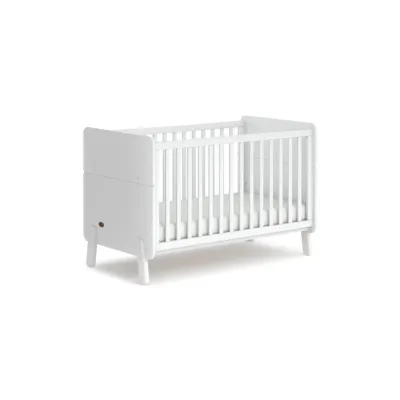
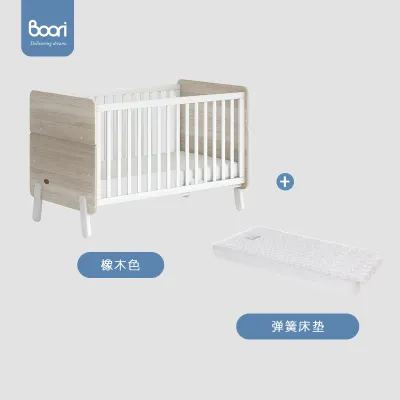
![[Free Installation] Australia Boori Oasis Oval Convertible Cot](https://img.lazcdn.com/g/p/d9673baa930e99bd30b3ba0c74ab805e.jpg_400x400q80.jpg_.webp)
Prices are valid at publication and may change. Please refer to the product page for the latest price.
When evaluating a crib, you should look for specific standard numbers that indicate the design has undergone mechanical and chemical testing. The most common standards applicable to premium cribs in Singapore include AS/NZS 2172 (the joint Australian and New Zealand standard), EN 716 (the European standard for children’s cots), and ASTM F1169 (the American standard for full-size baby cribs).
These standards dictate everything from structural strength and mattress support integrity to the chemical composition of the paints used. For instance, the Australian standard AS/NZS 2172 is highly relevant to Boori products, given the brand’s Australian origins, and is widely respected for its stringent testing on drop-side mechanisms and impact resistance.
Parents should never assume a crib is safe simply because it is sold by a well-known brand or carries a premium price tag. Older models or units manufactured for different regional markets may not comply with the latest safety updates. Always look for clear, printed compliance marks or standard numbers on the product packaging, the user manual, or a permanent label affixed directly to the crib frame.
How to Verify Boori Baby Crib Certifications
Verifying the safety credentials of a boori baby crib requires a systematic approach, whether you are shopping in a physical showroom or reviewing a model online. The first step is to inspect the physical product or its official documentation for a permanent safety label. This label is typically located on the inner side of the headboard, footboard, or on the underside of the mattress base, and should clearly state the manufacturer’s details, batch number, and the specific safety standards met.

Next, examine the included user manual and assembly guide. Legitimate manufacturers list the precise testing standards and certification marks in these documents. If you are purchasing a convertible cot that transitions into a toddler bed, the manual will also specify the distinct safety standards applicable to each configuration.
It is important to recognize that safety certifications can vary by specific model, design generation, and manufacturing batch. A design element that was permitted several years ago might have been updated under newer safety revisions. Therefore, you must verify the exact unit and model number you plan to purchase rather than relying on historical brand reviews.
To ensure accuracy, avoid relying solely on third-party marketplace listings or community forums, which may contain outdated or generalized information. Instead, consult authorized local retailers in Singapore or contact the brand’s official regional customer service team directly. Providing them with the exact model name and batch number will allow them to confirm the crib’s compliance and provide official certification documents if required.
Key Physical Safety Features to Inspect
Before placing your baby in any crib, you should conduct a thorough physical inspection of its structural and material components. This hands-on check helps identify any manufacturing defects, shipping damage, or assembly errors that could compromise your child’s safety.
Slat Spacing and Structural Integrity
The spacing between the crib slats is a critical safety dimension designed to prevent a baby’s head, limbs, or body from becoming trapped. The universal safe distance between slats is a maximum of 6 centimeters (approximately 2 3/8 inches). You can easily verify this by using a standard measuring tape to check the gaps across multiple points of the crib rail.
Structural integrity must also be tested physically. Check all joints, corner posts, and moving parts to ensure they are completely stable. Apply gentle pressure to the corners of the assembled crib; it should not rock, wobble, or shift. Examine the wood carefully for any signs of splitting, rough edges, or splinters that could injure a baby’s sensitive skin.
Mattress Fit and Hardware Security
A poorly fitting mattress creates dangerous gaps where an infant can become trapped, leading to a risk of suffocation. To check the fit, use the “two-finger rule”: if you can insert more than two fingers (approximately 3 centimeters) between the edge of the mattress and the inner crib frame, the mattress is too small. The mattress must fit snugly against all four sides of the crib.
Additionally, inspect all assembly hardware, including screws, bolts, and brackets. Every fastener must be tightened completely and sit flush with the wooden surface. Protruding hardware can catch on a baby’s clothing or sleepwear, posing a serious hazard. Regularly check the adjustable mattress base mechanisms to ensure they lock securely into their designated slots and do not slip under weight.
Non-Toxic Finishes and Paint
Because teething babies frequently chew on the top rails of their cribs, the chemical safety of the finishes used is paramount. Verify that the crib’s paint or lacquer is certified as non-toxic, lead-free, and safe for contact. Look for specific certifications, such as Greenguard Gold, which indicate low chemical emissions and the absence of harmful volatile organic compounds (VOCs).
In Singapore’s warm, humid climate, chemical off-gassing can become more pronounced. After assembling a new crib, place it in a well-ventilated room with active airflow or open windows for several days before use. This allows any initial manufacturing odors to dissipate safely, ensuring a clean breathing environment for your newborn.
Safe Setup and Usage Boundaries
Correct assembly is just as important as the structural safety of the crib itself. Always follow the manufacturer’s exact, step-by-step assembly instructions. Never attempt to modify the crib’s design, drill new holes, or use non-standard replacement hardware. If any parts are missing or damaged during assembly, stop immediately and contact the authorized distributor for original replacement components; do not substitute them with generic hardware store alternatives.
As your baby grows, you must adjust the crib to match their developmental milestones. Most cribs feature an adjustable mattress base with multiple height settings. The highest setting is intended solely for newborns who cannot yet sit up or roll over. As soon as your baby shows signs of rolling, sitting, or pulling themselves up, you must lower the mattress base to its lowest setting to prevent them from climbing or falling out. Stop using the crib entirely once your child reaches the manufacturer’s specified height or weight limit, or when the top of the crib rail is below their chest level when standing.
Finally, maintain a minimalist sleep environment to protect your baby from sleep-related hazards. Never place aftermarket bumper pads, loose blankets, pillows, quilts, sleep positioners, or soft toys inside the crib. Despite marketing claims, these items pose severe suffocation and strangulation risks. The safest setup consists of a firm, flat mattress covered only by a tight-fitting fitted sheet, with your baby dressed in a suitable, well-fitted sleep sack.
Frequently Asked Questions (FAQ)
Do Boori cribs come with a warranty in Singapore?
Yes, Boori cribs purchased through authorized local retailers in Singapore typically come with a manufacturer’s warranty that covers structural defects. However, the exact duration of the warranty and the specific terms of coverage—such as what constitutes a manufacturing defect versus normal wear and tear—can vary. Always verify the warranty policy with your retailer at the point of purchase and retain your original receipt and warranty card for future reference.
Is it safe to buy a second-hand Boori baby crib?
While purchasing a pre-loved crib is an economical and environmentally friendly option, it carries inherent safety risks. Second-hand cribs may have hidden structural damage, missing or compromised hardware, or outdated safety certifications. Furthermore, you may not have access to the original assembly manual or information regarding past product recalls. Unless you can fully verify the crib’s history, confirm that every original part and screw is present, and ensure it meets current safety standards, purchasing a new, certified crib is the safer choice for your baby.

Community discussion
Share your experience or ask a question. Comments are reviewed before publication.