
Baby swings can be a helpful tool for soothing a fussy infant, but safety must always be your primary consideration. While these devices are designed to mimic the gentle rocking motion that calms newborns, they are safe only when used strictly for awake, supervised soothing. A baby swing is not a safe sleep environment, and understanding how to use one correctly is essential for protecting your child.
Before placing your newborn in a swing, you must verify that the product is appropriate for their specific developmental stage and physical size. Many parents assume all baby swings are universally suitable for newborns, but physical requirements vary significantly between models. By learning what safety features to look for and establishing strict usage boundaries, you can create a secure environment for your infant to relax while you remain nearby.
Understanding Age and Developmental Guidelines for Baby Swings
Every baby swing comes with specific manufacturer guidelines that dictate the minimum and maximum age, weight, and height requirements for safe use. Before assembling or using a swing, you must locate these specifications in the product manual or on the packaging label. Newborns are particularly vulnerable because they lack the neck strength and head control to support themselves, making strict adherence to these limits a matter of basic safety.
Products mentioned in this guide
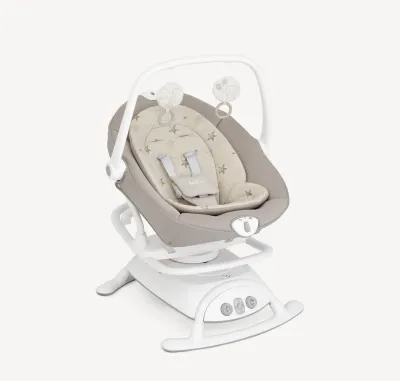
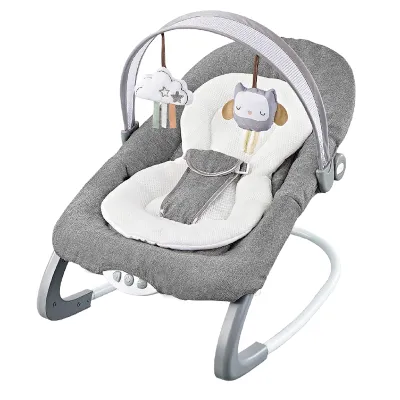
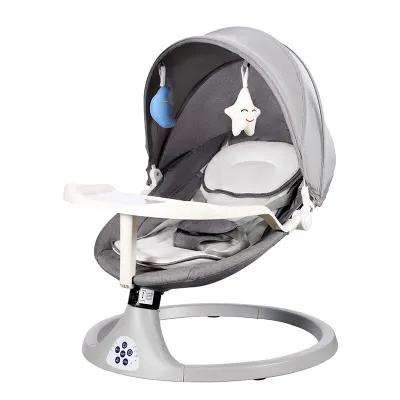
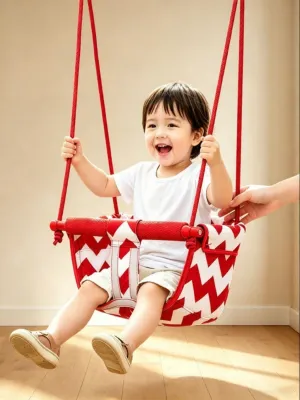
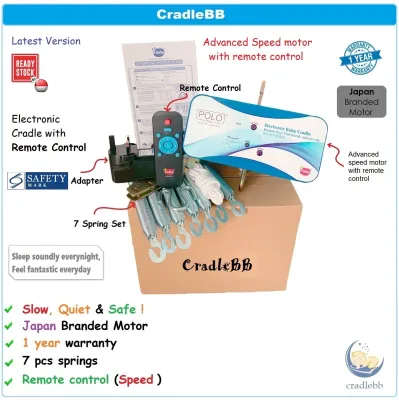
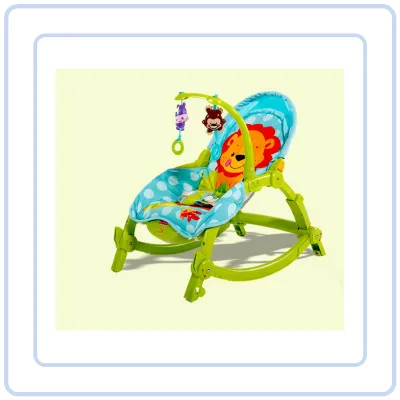

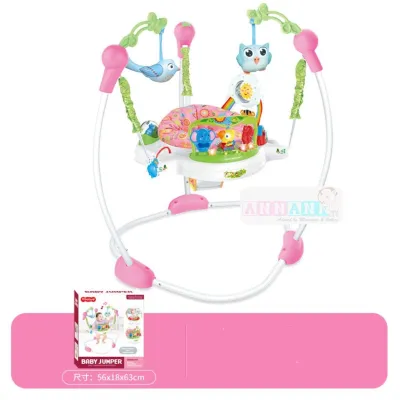
Prices are valid at publication and may change. Please refer to the product page for the latest price.
Weight limits for newborn-compatible swings often start at around 2.5 to 3 kilograms, but you must never assume your baby fits based on age alone. A premature infant or a smaller newborn may not meet the minimum weight threshold, even if they are technically several weeks old. Conversely, larger babies might approach the maximum weight limit much faster than expected, requiring you to monitor their growth closely and check the manual regularly.
In addition to physical measurements, you must observe your baby’s developmental milestones to determine when it is time to stop using the swing. As soon as your infant begins attempting to roll over, sit up, or push up on their hands and knees, they have outgrown the safety parameters of a standard swing. These movements increase the risk of the swing tipping over or the baby shifting into an unsafe position where they could become trapped.
It is also vital to distinguish between supervised, awake soothing and unsafe sleep practices in inclined seats. A baby swing is designed solely to comfort an awake infant under active adult supervision. Because the seat is inclined, allowing an infant to sleep in a swing poses serious safety risks, which makes transitioning a sleeping baby to a flat, firm sleep surface an absolute necessity.
Critical Safety Features to Verify Before Purchasing
When shopping for a baby swing, the harness system is one of the most critical safety features to evaluate. A 5-point harness, which secures the baby at the shoulders, hips, and crotch, is highly recommended over a 3-point system. This configuration prevents a small newborn from sliding downward or slumping sideways, keeping their body securely centered in the seat even as the swing moves.

Adjustability is another key aspect of the harness system. You should check that the straps can be tightened sufficiently to fit a tiny newborn frame snugly without causing discomfort. Padded straps are a helpful addition, as they prevent the harness from chafing against your baby’s delicate neck and shoulders, ensuring they remain comfortable while staying securely buckled.
Recline positions are equally important for supporting a newborn’s airway. Because newborns cannot hold their heads up, a swing seat must offer a deep recline option that keeps the baby lying relatively flat. If the seat is too upright, the baby’s heavy head can slump forward onto their chest, which can restrict their breathing. Look for swings with adjustable recline mechanisms that lock firmly into place.
Base stability and structural integrity are essential for preventing accidents. A high-quality swing should feature a wide, sturdy footprint that distributes weight evenly across the floor. When inspecting a swing, check the locking mechanisms on the frame to ensure it cannot accidentally fold or collapse while in use. In typical apartment layouts where space is carefully managed, ensure the swing’s base can sit fully flat on the floor without being crowded by other furniture.
Finally, you should verify the presence of recognized safety certifications and compliance marks on the product packaging or frame. These marks indicate that the swing has undergone testing to meet established safety standards. Depending on your location, look for relevant consumer safety labels, such as local safety marks or international standards, to ensure the product meets rigorous manufacturing requirements.
Safe Usage Practices and Supervision Rules
Establishing clear, actionable boundaries for daily swing use is just as important as choosing the right product. The most fundamental rule of swing safety is that use must always be awake and supervised. Active supervision means keeping the baby in your direct line of sight at all times, rather than simply being in the same room or relying on baby monitors while you attend to other tasks.
Session management is another key factor in keeping your baby safe. You should plan short, supervised intervals for swing use, typically limiting sessions to no more than 30 minutes at a time. Prolonged periods in an inclined seat can increase the risk of positional airway restriction and may also limit the opportunities your baby has for essential floor play and tummy time, which are crucial for physical development.
Where you place the swing in your home can significantly impact its safety. The swing must always be positioned on a flat, stable floor surface. Never place a baby swing on elevated surfaces such as tables, countertops, sofas, or beds, as the motion of the swing can cause it to shift and fall. Additionally, ensure the swing is kept far away from potential hazards, including stairs, heaters, electrical cords, and window blind cords.
In local homes, you must also be mindful of environmental factors like air conditioning drafts and direct sunlight. Avoid placing the swing directly under a split-unit air conditioner or in the path of strong mechanical fans, which can make a newborn uncomfortably cold. Keeping the swing away from open balcony doors or low windows ensures your baby is safe from sudden drafts and outdoor elements.
Recognizing Warning Signs and When to Stop Use
As your baby grows, you must remain vigilant for physical and behavioral signs that indicate they have outgrown the swing. Regularly check your baby’s physical position while they are seated. If their head is close to the top of the seat back, or if their feet dangle excessively and touch the floor, they have outgrown the physical limits of the device, and you should discontinue use immediately.
Behavioral cues can also signal that the swing is no longer appropriate or safe for your child. If your baby shows signs of distress, arches their back excessively, or actively tries to twist and climb out of the seat, they are telling you they are ready for a different environment. Forcing a resistant baby to stay in a swing increases the risk of the device tipping or the baby slipping out of the harness.
Regular equipment maintenance is essential for ongoing safety. Before placing your baby in the swing for each session, perform a quick visual inspection of the entire unit. Check the fabric seams for tearing, ensure the harness buckles click securely into place, and inspect the mechanical parts and hinges for any signs of wear, cracking, or loose screws.
If you notice any damage, mechanical malfunctions, or unusual noises during operation, stop using the swing immediately. Do not attempt to repair a broken swing with makeshift parts; instead, contact the manufacturer for authorized replacement components or advice. Taking these proactive steps ensures that your baby’s soothing sessions remain safe and comfortable.
Frequently Asked Questions (FAQ)
Can a newborn sleep in a baby swing?
No, a newborn should never be allowed to sleep in a baby swing. The inclined position of a swing seat poses a serious risk of positional asphyxiation, where an infant’s head can slump forward and block their airway. If your baby falls asleep while in the swing, you should gently remove them and place them on their back on a flat, firm sleep surface, such as a crib or bassinet, which are the only recommended safe sleep environments.
How do I clean and maintain the swing safely?
To clean your baby swing safely, always start by checking the manufacturer’s care label for specific instructions. Most fabric seat covers can be removed and machine-washed on a gentle cycle using a mild, baby-safe detergent. For the frame and plastic components, wipe them down with a damp cloth and a mild soap solution, avoiding harsh chemical cleaners or bleach that could degrade the materials or weaken the harness straps over time.

Community discussion
Share your experience or ask a question. Comments are reviewed before publication.