
Using a baby rear view mirror in Singapore is legal, provided the accessory does not obstruct your view of the road or violate general vehicle safety standards. While the Land Transport Authority (LTA) does not explicitly ban these mirrors, they must be installed in a way that ensures they do not become dangerous projectiles during sudden braking or a collision.
For parents driving with rear-facing infants, these mirrors offer peace of mind by allowing a quick glance at the baby through the car’s existing rearview mirror. However, safety is not guaranteed by the mere presence of the product. You must carefully evaluate the mirror’s materials, mounting mechanism, and placement to ensure it protects rather than endangers your child.
Checking Singapore Traffic Rules for Car Accessories
When customizing your vehicle with baby gear, understanding local traffic regulations is essential for maintaining safety and avoiding fines. In Singapore, the primary regulatory concern for any aftermarket car accessory is driver visibility. Under local traffic laws, drivers must maintain a clear, unobstructed view of the road ahead, to the sides, and to the rear.
Products mentioned in this guide
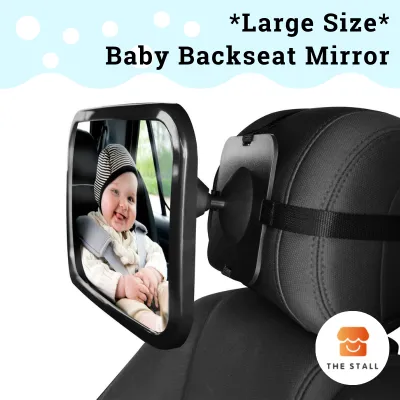
![[LocalStock] Baby Rear View Mirror Back Car Seat Mirror Adjustable Car Baby Kids Monitor Mirror Kids Safety](https://img.lazcdn.com/g/p/9816e54598950e0b760b90530d3fde56.jpg_400x400q80.jpg_.webp)
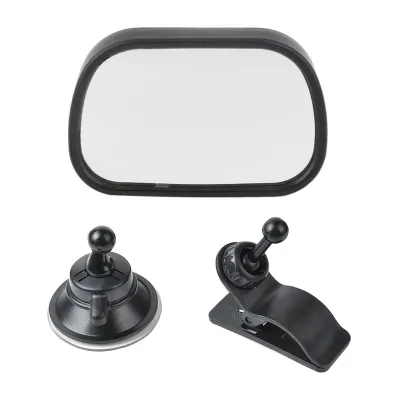
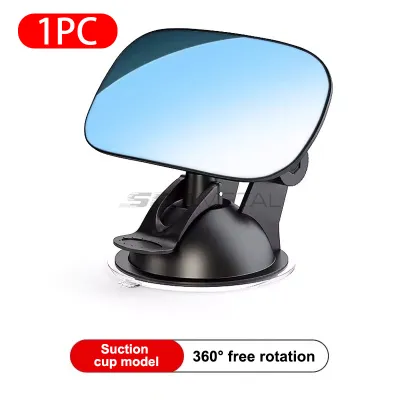
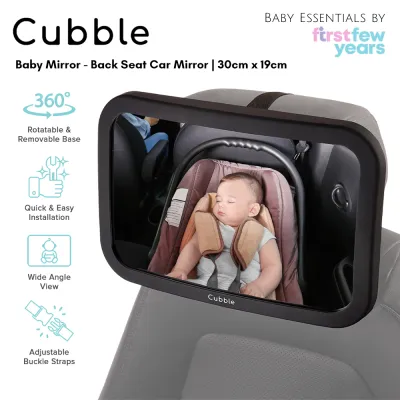
Prices are valid at publication and may change. Please refer to the product page for the latest price.
The Land Transport Authority (LTA) regulates vehicle modifications and accessories to ensure they do not compromise road safety. While there is no specific registration or approval process required for a simple baby mirror, the accessory must comply with general safety principles. This means the mirror must not block your direct line of sight through the windscreen or side windows, nor should it significantly distort your view through the rear windscreen.
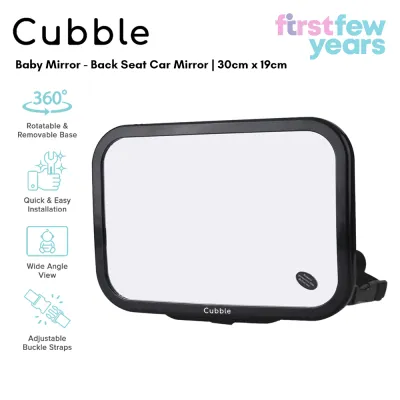
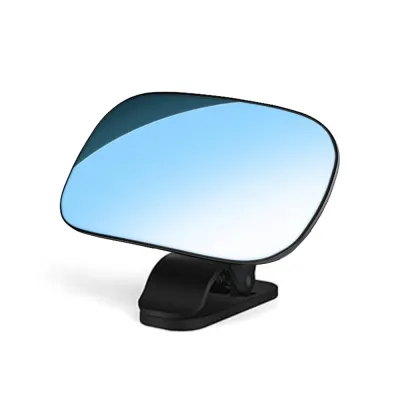
There is a critical regulatory and practical distinction between headrest-mounted mirrors and those attached directly to the glass via suction cups. Headrest-mounted mirrors, which secure around the rear seat headrests, generally do not interfere with the driver’s primary viewing areas. Conversely, mirrors attached directly to the rear windscreen or side windows are subject to stricter scrutiny. If a window-mounted mirror falls within the sweep of your rear wiper or blocks a significant portion of your rearward vision, it could be deemed an obstruction, potentially leading to compliance issues during routine vehicle inspections or traffic stops.
Identifying Safety Risks and Potential Hazards
While baby rear view mirrors are designed to help parents monitor their infants, they introduce distinct physical risks if they are poorly designed or improperly installed. The most severe hazard is the projectile risk during sudden braking, sharp turns, or a collision. In a crash, any unsecured or weakly secured object in the cabin accelerates rapidly, potentially striking passengers with immense force. A heavy mirror attached with flimsy straps or weak plastic clips can easily detach and become a dangerous projectile inside the vehicle.

Another significant concern is driver distraction. The convenience of being able to see your baby can easily turn into a hazard if you find yourself staring at the mirror instead of focusing on the road. A quick glance is acceptable, but prolonged monitoring can create dangerous blind spots and delay your reaction times. Furthermore, oversized or overly reflective mirrors can catch glare from the sun or headlights of vehicles behind you, temporarily blinding you while driving.
The material composition of the mirror is also a critical safety factor. Standard household mirrors are made of glass, which shatters into sharp, dangerous shards upon impact. In a car environment, using a glass mirror is highly hazardous. If an airbag deploys or a collision occurs, shattered glass can cause severe injuries to an infant seated just inches away. Therefore, verifying that the mirror is constructed from high-quality, shatterproof materials is a non-negotiable safety step.
Key Safety Features to Verify Before Buying
To ensure you choose a safe baby rear view mirror, you must look beyond aesthetic appeal and focus on specific design and material specifications.
First, verify that the mirror face is made of shatterproof acrylic or polymer rather than glass. Acrylic is lightweight, highly durable, and designed to bend or crack without shattering into sharp fragments. When shopping on online marketplaces or at specialty baby stores, check the product packaging or manufacturer specifications for explicit shatterproof or shatter-resistant declarations.
Second, examine the mounting mechanism closely. The safest mirrors utilize a dual-strap system that wraps both horizontally and vertically around the vehicle’s headrest. These straps should be made of heavy-duty nylon webbing and feature robust, locking buckles rather than simple hook-and-loop fasteners or weak plastic clips. A dual-strap design ensures that even if one strap slips, the second strap keeps the mirror anchored to the headrest.
Third, look for secure adjustability features. Most baby mirrors use a ball-and-socket joint to allow you to angle the mirror toward your baby. However, this joint must have a reliable locking mechanism, such as a tightening screw or a high-friction collar. Without a secure lock, the vibrations from driving over speed bumps or uneven road surfaces in Singapore can cause the mirror to droop, requiring constant manual readjustment that distracts you from driving.
Finally, check the product labels for safety testing declarations. While there is no universal mandatory certification specifically for baby car mirrors, reputable manufacturers often subject their products to voluntary crash testing. Look for packaging that indicates the product has been crash-tested under simulated collision conditions, and verify that the materials used are non-toxic and heat-resistant, which is particularly important given Singapore’s tropical climate.
How to Install and Position the Mirror Safely
Proper installation is just as important as choosing the right product. Before purchasing a mirror, verify that your vehicle’s rear headrests are adjustable and compatible with strap-on accessories. Fixed headrests that are molded directly into the seat back often lack the necessary gaps to secure horizontal and vertical straps properly, which can cause the mirror to slide or detach.
When positioning the mirror, adjust it so that you can see your baby’s face with a quick glance at your vehicle’s existing rearview mirror. You should not have to turn your head, stretch, or adjust your physical driving posture to see the baby. If you find yourself straining to see, the mirror is positioned incorrectly and needs to be adjusted while the vehicle is parked.
Given Singapore’s hot and humid climate, routine maintenance is essential. High temperatures inside a parked car can accelerate the degradation of plastic buckles and nylon straps, making them brittle over time. Make it a habit to perform a quick physical check before every journey. Tug on the straps to ensure they remain tight, inspect the buckles for cracks, and verify that the mirror is firmly anchored to the headrest.
Lastly, know when to stop using the mirror. If the mounting straps or the mirror housing interfere with your car seat’s top tether, side-impact protection, or overall installation, prioritize the car seat’s integrity. The car seat is your child’s primary protection system; no accessory should ever compromise its fit or function. If you are unsure, consult your car seat manufacturer or a certified child passenger safety technician for guidance.
Frequently Asked Questions (FAQ)
Can I use a baby rear view mirror with a rear-facing car seat?
Yes, baby rear view mirrors are specifically designed for use with rear-facing car seats. Because infants must ride in rear-facing seats for optimal spinal protection, you cannot see them directly from the driver’s seat. A headrest-mounted mirror allows you to monitor your baby’s breathing, comfort, and sleep status safely. However, you must ensure that the mirror’s mounting straps do not wrap around or interfere with the car seat’s harness, tether straps, or shell, as this could compromise the seat’s performance in a crash.
Are suction cup mirrors safe for car windows?
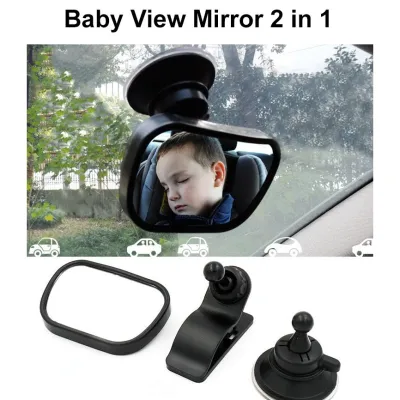
Suction cup mirrors are generally less secure than headrest-mounted options and carry higher safety risks. Singapore’s intense tropical heat can cause the air inside the suction cup to expand, leading the cup to lose its grip and detach unexpectedly while you are driving. Additionally, mounting a mirror directly to the rear windscreen or side windows can create physical blind spots and obstruct your view of traffic, which may violate local visibility regulations. For these reasons, headrest-mounted mirrors with secure dual-strap systems are highly recommended over suction cup models.

Community discussion
Share your experience or ask a question. Comments are reviewed before publication.