
Quick Answer: Safety and Compliance Overview
For parents navigating the roads of Singapore, keeping a watchful eye on a rear-facing infant is a natural instinct. This desire for constant reassurance often leads families to consider purchasing a baby car mirror. However, before making this addition to your vehicle, it is essential to understand that the safety of a baby car mirror is not a simple yes or no. Instead, safety depends entirely on the mirror’s design, weight, and installation method. While these accessories are not explicitly banned under local traffic laws, any item introduced into a vehicle cabin must comply with Land Transport Authority (LTA) guidelines, ensuring it does not obstruct the driver’s view or violate vehicle modification rules. The primary decision factor for parents involves balancing the clear benefit of monitoring a rear-facing child against the potential risks of introducing a loose accessory into the passenger cabin.
Evaluating the Safety Risks of Baby Car Mirrors
When evaluating whether to install a baby car mirror, parents must carefully weigh several physical and operational risks that can impact cabin safety. The most critical concern is the potential for projectile hazards. In the event of sudden braking or a collision, any unsecured object in the vehicle cabin can become a dangerous projectile. A heavy mirror, particularly one constructed with real glass or secured by weak mounting mechanisms, can easily detach. Because the mirror is positioned directly opposite your baby on the rear headrest, a detachment during an impact poses a direct physical risk to your child and other passengers.

Another significant factor is driver distraction. While a mirror is intended to provide peace of mind, it can inadvertently divert your attention from the road. The temptation to constantly glance at your baby’s reflection can lead to cognitive distraction, taking your eyes off traffic during critical moments. Furthermore, environmental factors common in Singapore, such as intense sunlight or bright streetlights during night drives, can cause glare and reflections. This sudden glare off the mirror surface can temporarily blind the driver or create confusing visual artifacts in the rearview mirror.
Products mentioned in this guide
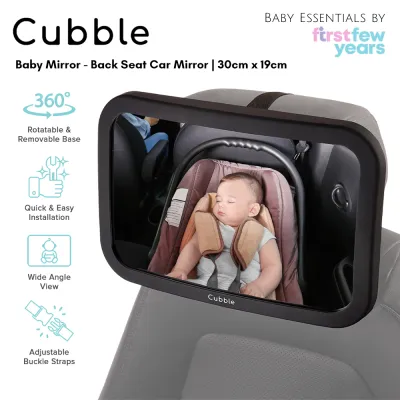
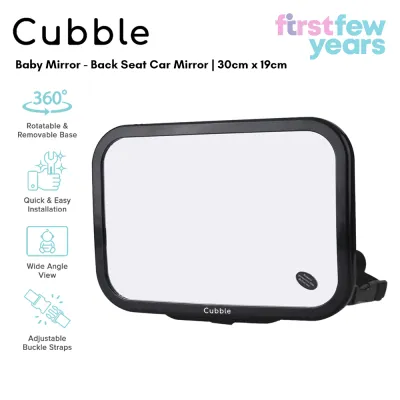

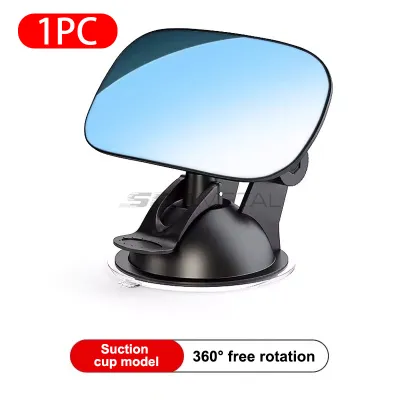
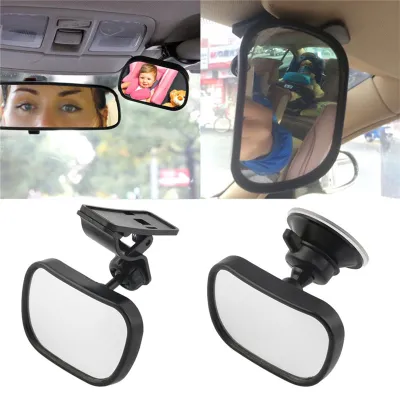
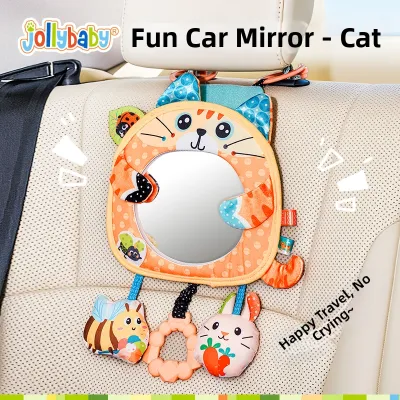
Prices are valid at publication and may change. Please refer to the product page for the latest price.
Lastly, parents must consider the risk of rear-view obstruction. Depending on the size and positioning of the mirror, it can block a portion of your central rear window. A large mirror mounted on a center headrest can significantly reduce your field of vision, making it harder to spot motorcycles or low-profile vehicles behind you. Maintaining complete situational awareness is vital on busy urban expressways, and any accessory that compromises your line of sight should be carefully re-evaluated.
Navigating Singapore Traffic Regulations and Compliance
Navigating Singapore’s traffic regulations requires a proactive approach to vehicle compliance. While there is no specific law that outlaws baby car mirrors by name, the Land Transport Authority (LTA) maintains strict standards regarding vehicle safety and modifications. Parents should consult the LTA guidelines to ensure that any interior accessory does not constitute an illegal modification or create a safety hazard. Generally, any item that impairs the driver’s clear view of the road through the front windshield, side windows, or rearview mirrors is prohibited.
In addition to regulatory guidelines, it is essential to consult your vehicle owner’s manual before installing any aftermarket accessory. Modern vehicles are equipped with complex safety systems, including side-curtain airbags designed to protect passengers in the rear seats. These airbags often deploy from the roofline or the sides of the seats near the headrests. If a baby mirror or its mounting straps cross into the airbag deployment zone, it can interfere with the proper inflation of the airbag or, worse, be propelled into the cabin with extreme force when the airbag deploys.
The overarching safety principle is that no accessory should ever compromise the driver’s primary task: operating the vehicle safely. If a mirror blocks your line of sight, creates persistent glare, or cannot be mounted securely without interfering with your car’s built-in safety features, it does not meet safe driving standards. Compliance is not just about avoiding fines; it is about ensuring the vehicle’s engineered safety systems can function exactly as intended during an emergency.
Key Features to Look for in a Safer Baby Mirror
If you decide that the benefits of a baby car mirror outweigh the risks for your family, selecting the right product is crucial. When browsing options on an online marketplace or at a local baby specialty store, prioritize material safety above all else. Look for mirrors made from shatterproof acrylic or high-grade impact-resistant polymers. Traditional glass mirrors should never be used in a vehicle cabin, as they can shatter into sharp, dangerous shards during a collision. Acrylic mirrors are lightweight and designed to bend or crack rather than shatter under pressure.
The mounting mechanism is another critical feature to evaluate. Avoid mirrors that rely solely on suction cups or simple friction clips. Instead, look for models that feature robust, adjustable straps that wrap both horizontally and vertically around the rear headrest. These straps should be secured with heavy-duty plastic buckles that lock firmly into place. A non-slip backing on the mirror mount is also highly recommended, as it prevents the mirror from sliding or shifting due to vehicle vibrations.
Size and weight should also guide your purchase decision. While a larger mirror might seem appealing because it offers a wider field of view, it also carries more mass. In a collision, a heavier object exerts significantly more force, increasing the likelihood that the mounting straps will fail. Opt for a compact, lightweight design that provides just enough visibility to confirm your baby’s well-being without adding unnecessary weight to the headrest. A smaller mirror is also less likely to block your view through the rear window.
Best Practices for Secure Installation and Ongoing Use
Ensuring the ongoing safety of a baby car mirror requires proper installation and regular maintenance. Begin by performing a step-by-step installation check before every journey. Position the mirror on the headrest of the seat where the baby’s car seat is installed. Wrap the straps securely around the headrest, pulling them as tight as possible to eliminate any slack. Once fastened, adjust the angle of the mirror so that you can see your baby’s face clearly with a quick glance in your rearview mirror. You should not have to twist your body or adjust your physical driving posture to see the reflection.
Routine maintenance is essential because car cabins are subject to constant movement and environmental stress. Singapore’s tropical climate brings high humidity and intense cabin heat when parked outdoors, which can cause plastic buckles to become brittle and straps to stretch or degrade over time. Make it a weekly habit to physically test the mirror’s connection. Give the mirror a firm tug to ensure the straps have not loosened and that the mounting bracket remains securely anchored to the headrest.
Finally, parents must recognize when it is time to stop using the mirror. The primary purpose of a baby car mirror is to monitor an infant in a rear-facing car seat. Once your child transitions to a forward-facing car seat, the mirror serves no safety purpose and should be removed immediately. Additionally, if you find that the mirror is causing you to look away from the road frequently, or if your child becomes old enough to be distracted or agitated by their own reflection, it is best to remove the accessory to maintain a focused and safe driving environment.
Frequently Asked Questions (FAQ)
Can I use a suction cup mirror on my car window?
Suction cup mirrors are generally not recommended for long-term use in vehicles. In Singapore’s hot and humid climate, the temperature inside a parked car can fluctuate dramatically, causing the air inside the suction cup to expand and contract. This process frequently leads to the suction cup losing its grip and detaching unexpectedly while driving. Additionally, attaching accessories directly to the rear window glass can damage aftermarket window tinting films or interfere with the integrated rear defogger lines. Always consult your vehicle manufacturer’s guidelines before attaching any accessory to the glass surfaces of your car.
Do baby mirrors interfere with ISOFIX car seat installations?
Generally, headrest-mounted baby mirrors do not physically interfere with ISOFIX car seat installations, as ISOFIX anchor points are located deep within the seat crease at the base of the vehicle seat. However, parents must exercise caution during installation. Ensure that the mirror’s mounting straps do not drape down, cross, or interfere with the car seat’s top tether strap, safety harness, or any load legs. Always refer to both your car seat’s instruction manual and your vehicle’s owner’s manual to confirm that all safety components are routed correctly and remain completely unobstructed.

Community discussion
Share your experience or ask a question. Comments are reviewed before publication.