
Deciding whether to install a baby mirror for car use is a common dilemma for parents in Singapore. On one hand, these mirrors offer significant peace of mind by allowing you to monitor your rear-facing infant while driving. On the other hand, because they are classified as aftermarket accessories, they sit in a regulatory gray area. Most car seat manufacturers do not crash-test their seats with third-party mirrors, meaning absolute safety cannot be guaranteed. To make an informed choice, you must weigh the psychological benefits of visual monitoring against the physical risks of driver distraction and potential projectile hazards.
While a baby mirror for car travel is not inherently banned, its safety depends entirely on product design, installation quality, and your vehicle’s environment. Before purchasing or installing one, it is vital to understand that any unsecured object in a vehicle cabin can behave unpredictably during sudden braking or an accident. By evaluating the specific risks and learning how to mitigate them, you can decide whether a mirror is appropriate for your family’s daily commute.
Understanding the Risks of Using a Baby Car Mirror
Projectile Hazards in a Collision
The primary physical risk of using an aftermarket mirror is the hazard of it becoming a projectile during a collision or sudden emergency braking. In a crash, loose items inside the vehicle cabin continue traveling at the car’s pre-impact speed. A mirror assembly weighing just 300 grams can exert a massive force when thrown forward at high speeds, potentially striking your child in the rear facing car seat directly below it. Because the mirror is typically mounted on the rear headrest directly opposite your baby, any structural failure of the straps or mount puts your infant directly in the line of impact.
Products mentioned in this guide
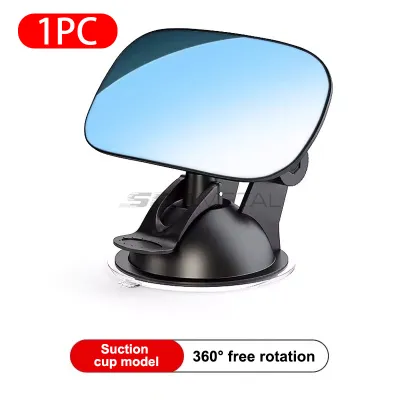
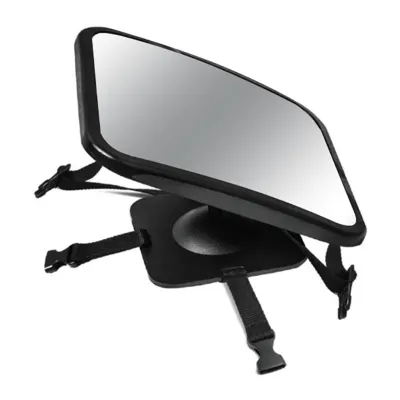
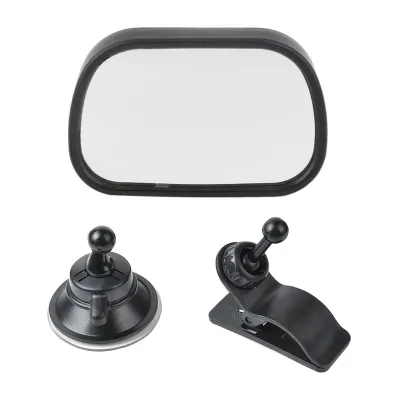
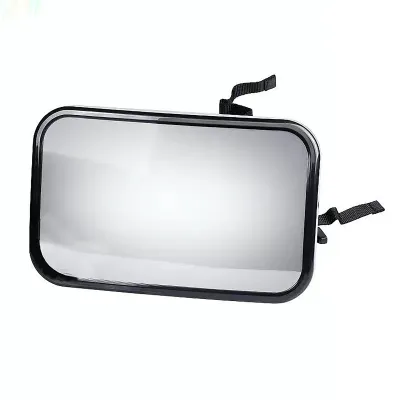
Prices are valid at publication and may change. Please refer to the product page for the latest price.
Driver Distraction and Blind Spots
While the mirror is meant to help you monitor your baby, it can easily become a dangerous source of driver distraction. Glancing into the mirror to check on a sleeping or crying baby takes your eyes off the road, even if only for a split second. In Singapore’s dense, fast-moving traffic on major expressways like the PIE or CTE, a momentary distraction can drastically increase your reaction time during a sudden stop. Additionally, depending on its size and placement, a large mirror can block your direct rear-view line of sight or create blind spots, while the tropical sun can cause highly distracting glare or reflections to bounce off the mirror into your eyes.
Shatter and Material Risks
Many low-cost baby mirrors are constructed from glass or low-grade plastics that are highly susceptible to damage. Real glass mirrors pose an extreme hazard in a vehicle, as they can easily shatter into sharp shards during an impact or even under thermal stress. Furthermore, Singapore’s intense tropical climate can cause interior cabin temperatures to exceed 60 degrees Celsius when parked in direct sunlight. This extreme heat rapidly degrades cheap plastics and adhesives, making the mounting brackets brittle and prone to snapping when subjected to the sudden forces of a vehicle turn or stop.
Car Mirror Safety Standards and Guidelines in Singapore
Local Regulations and Standards
In Singapore, the Land Transport Authority (LTA) and Traffic Police enforce strict laws regarding child passenger safety, requiring children under 1.35 meters to be properly secured in approved child restraint systems. However, there are no specific, mandatory safety certifications or crash-test standards exclusively for aftermarket baby car mirrors under local traffic regulations. Because these mirrors are classified as general interior accessories rather than safety equipment, they do not undergo the rigorous government-mandated testing required for car seats and seatbelts.

Voluntary International Testing
Because local regulations do not certify these products, you must look for voluntary safety testing marks from reputable international brands. Some manufacturers voluntarily subject their baby mirrors to independent crash testing at specialized facilities, simulating frontal and side-impact collisions to ensure the mirror remains securely attached to the headrest. When shopping, prioritize brands that provide verifiable proof of crash testing rather than relying on generic marketing terms like “safety approved” or “premium quality.” Always verify these claims by checking the manufacturer’s official documentation or product manuals.
Manufacturer Guidelines and Warranties
Before installing any aftermarket accessory, it is crucial to consult your specific car seat manufacturer’s instruction manual. Many premium car seat brands explicitly warn against using unapproved third-party accessories, including mirrors, seat protectors, and toy bars. In some cases, using an unapproved accessory can void the car seat’s warranty or compromise its official safety certification. If your car seat manual strictly prohibits aftermarket attachments near the seat, you should follow those instructions and avoid using a mirror altogether.
How to Choose and Securely Install a Baby Car Mirror
Key Features to Look For
If you decide that the benefits of using a mirror outweigh the risks for your family, selecting a high-quality, safety-focused product is your first line of defense. Look for the following key features to ensure maximum safety:
- Shatterproof Acrylic Material: Never use a mirror made of real glass. Choose lightweight, shatterproof acrylic or specialized safety polymers that will not break into sharp pieces upon impact.
- Dual-Strap Attachment Systems: Avoid mirrors that rely solely on suction cups or single elastic bands, as these easily fail under heat or tension. Opt for dual-strap designs that wrap both horizontally and vertically around the headrest, secured by heavy-duty plastic tension buckles.
- Lightweight, Compact Design: Select a mirror with a low physical mass to minimize the kinetic energy and potential force of impact if the mounting system ever fails.
- Padded Backing: A mirror with a soft foam or rubberized backing will grip the headrest more effectively, reducing vibration and preventing the assembly from slipping out of alignment during travel.
Proper Installation and Positioning
Once you have selected a high-quality mirror, proper installation is critical to mitigating projectile risks. Follow these steps to secure the mirror:
- Clean the Headrest: Wipe down the rear headrest to remove any dust or oils that could cause the mounting straps to slip.
- Thread and Tension the Straps: Loop the straps both horizontally and vertically around the headrest. Pull each strap as tightly as possible, securing the tension buckles firmly.
- Perform the Shake Test: Grasp the mirror frame and shake it firmly. The assembly should not move or wobble more than one centimeter in any direction. If it slips, re-tighten or adjust the straps.
- Adjust the Angle Safely: Sit in the driver's seat and adjust the mirror's angle so you can see your baby's face with a quick glance at your vehicle's standard rearview mirror. You should never have to turn your head, twist your body, or physically adjust the baby mirror while the vehicle is in motion.
Routine Maintenance and Checks
Singapore’s high humidity and intense heat can cause nylon straps to stretch and plastic buckles to weaken over time. Make it a habit to check the mirror’s stability before every single trip. Give the mirror a quick tug to ensure the straps have not loosened, and inspect the plastic mounting brackets for any signs of warping, discoloration, or hairline cracks. If you notice any degradation in the materials, remove the mirror immediately and replace it.
When to Stop Using the Mirror and Transition
Developmental Milestones and Seat Transitions
As your child grows, their safety needs and the cabin environment will change. You should stop using a baby car mirror once your child transitions from a rear-facing car seat to a forward-facing car seat. This transition typically occurs when the child reaches the maximum height or weight limits specified by your car seat manufacturer, which is often around two to four years of age. Once the car seat is forward-facing, you can monitor your child directly or via a standard wide-angle cabin mirror, rendering the rear-headrest mirror obsolete.
Immediate Red Flags for Removal
There are several critical warning signs that indicate you must remove the mirror immediately to protect your child:
- Material Wear: Frayed, stretched, or thinning nylon straps, or cracked plastic buckles and frames.
- Loose Hinges: An adjustment joint that has become loose, causing the mirror to droop or shift alignment during normal driving vibrations.
- Child Reach: When your baby grows tall enough or active enough to reach out, kick, or grab the mirror from their car seat. If your child can touch the mirror, they can easily pull it down onto themselves or loosen the mounting straps, creating an immediate hazard.
Safe Disposal or Repurposing
When it is time to retire your baby car mirror, do not pass a worn or heat-degraded mirror on to another parent. If the straps or plastic show signs of aging, dispose of the mirror responsibly to ensure it is not used in a compromised state. If the acrylic mirror face is still in good condition, you can repurpose it as a safe, shatterproof floor-play mirror for tummy time at home, keeping it well away from vehicle hazards.
Frequently Asked Questions (FAQ)
Can I use a baby car mirror with any car seat?
No, you cannot assume a baby mirror is compatible with every car seat. You must check your specific car seat manufacturer’s instruction manual before purchasing or installing a mirror. Some brands strictly prohibit the use of any aftermarket accessories near the seat, and installing one may compromise the seat’s safety performance or void your manufacturer’s warranty.
Are shatterproof baby mirrors completely risk-free?
No, shatterproof mirrors are not entirely risk-free. While shatterproof acrylic prevents sharp glass shards from injuring your child in a crash, the mirror assembly itself still possesses physical mass. If the mounting straps fail, stretch, or snap during a collision, the entire unit can still become a heavy, blunt-force projectile that can cause serious injury to your baby.

Community discussion
Share your experience or ask a question. Comments are reviewed before publication.