
When baby-proofing your home, electrical outlets are often the first hazard that comes to mind. For parents living in homes with Type G three-pin sockets, the standard response is often to purchase a pack of plastic socket covers from an online marketplace. However, many child safety experts and electrical safety organizations now warn that these cheap plastic inserts can actually create more hazards than they solve. Instead of protecting your curious crawler, poorly fitting or low-quality socket covers can introduce severe choking risks, damage your electrical contacts, and even bypass the built-in safety mechanisms of your wall outlets.
Understanding the physical development of your child is key to evaluating these risks. As babies grow, their curiosity and fine motor skills develop rapidly, turning seemingly secure household items into potential playthings. To keep your home safer, it is essential to look closely at how these plastic inserts interact with your specific wall sockets, how to identify dangerous wear and tear, and what alternative childproofing strategies offer more reliable protection.
Identifying Choking and Fit Risks in Socket Covers
The primary appeal of a plastic socket cover is its simplicity, but this simplicity is precisely what makes it dangerous. Most standard socket covers are small, lightweight pieces of molded plastic. Once removed from the wall, many of these covers are small enough to fit entirely inside a young child’s airway. Between the ages of 6 and 18 months, babies explore their environment primarily by putting objects into their mouths. If a toddler manages to pry a cover loose, it instantly transforms from a safety device into an immediate choking hazard.
Products mentioned in this guide
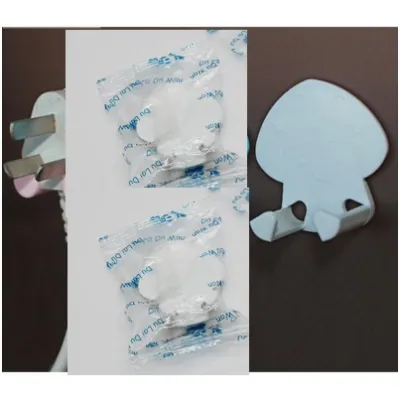
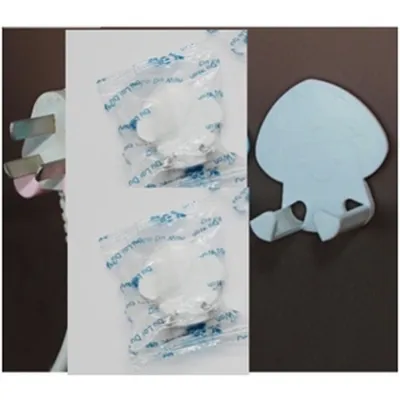
![[Local Seller!] Baby Safety Electrical UK 3pin Power Outlets Socket Cover Plug Caps Japan Brand KM1037 - 5pcs](https://img.lazcdn.com/g/p/ea9601dbec0eaea46fd1122e080ef0b2.jpg_400x400q80.jpg_.webp)


Prices are valid at publication and may change. Please refer to the product page for the latest price.
Fit issues compound this danger significantly. Type G sockets, which are standard in Singapore, feature three rectangular slots. A secure socket cover must fit these dimensions perfectly to prevent a child from removing it. However, because manufacturing tolerances vary widely among third-party brands sold online, many covers do not sit flush against the wall plate. If a cover is slightly loose, a toddler who has developed a pincer grasp can easily pull it out. Furthermore, some poorly designed covers only insert into the top ground slot, leaving the lower live and neutral slots partially exposed or making the cover incredibly easy to tilt and remove.
Material degradation is another critical factor that parents often overlook. The tropical, humid climate of Singapore, combined with the ambient heat generated by household electrical currents, can cause cheap plastics to degrade rapidly. Over time, exposure to warmth and air causes these covers to become brittle. When a brittle cover is pulled or bumped, the plastic prongs can snap off. This leaves a small, sharp piece of plastic in your child’s reach, or worse, leaves a broken prong permanently wedged inside the live terminal of your socket, creating a persistent electrical hazard.
How to Inspect Your Current Socket Covers for Safety
If you are currently using plastic socket inserts in your home, performing a rigorous safety audit is an important step in protecting your family. You should regularly inspect every outlet in your living spaces, paying close attention to those located near the floor or behind easily accessible furniture.

Begin with a thorough retention check. Insert the cover into the socket and observe it from the side. It must sit completely flush against the face of the wall plate, leaving absolutely no gap. If you can slide a fingernail, a credit card, or a small toy under the edge of the cover, a child can do the same. Any gap provides leverage that a determined toddler will eventually exploit.
Next, conduct a visual inspection for physical wear. Remove the cover and hold it up to a bright light. Look closely for hairline cracks, particularly where the prongs meet the flat face of the cover. Check for any signs of discoloration, yellowing, or warping, which indicate that the plastic has been compromised by heat or UV exposure. If the plastic feels slightly soft, sticky, or unusually brittle, its structural integrity has failed.
You must also test the removal difficulty. Try to remove the cover using only your fingertips without using your nails. If you can pull it out easily with a simple pinch-and-pull motion, it is not secure enough to withstand a toddler’s curiosity. Safe covers should require adult-level strength, a specific removal key, or a tool to extract.
Establish clear discard conditions for your household. If a socket cover is loose, shows any signs of cracking, has bent prongs, or can be removed easily by an adult using two fingers, stop using it immediately. Do not attempt to repair damaged covers with tape or glue, as these temporary fixes can melt under electrical warmth or create additional choking hazards.
Safer Childproofing Alternatives to Plastic Socket Inserts
Fortunately, you do not have to rely on removable plastic inserts to keep your child safe from electrical hazards. There are several highly effective, professional-grade alternatives that eliminate the risks of choking and socket damage entirely.
The most reliable defense is often already built into modern electrical infrastructure. High-quality Type G sockets feature internal safety shutters. These shutters are spring-loaded barriers inside the live and neutral apertures. They are designed to remain closed unless equal pressure is applied to both slots simultaneously, or until a longer ground pin is inserted into the top slot. This means that if a child attempts to poke a single object, like a hairpin or a toy, into one of the slots, the shutter remains locked, preventing contact with live electricity. You can verify if your home’s sockets have functioning shutters by looking closely into the slots under a flashlight; you should see a solid plastic barrier blocking the path.
For outlets that must remain in use for plugged-in appliances, socket cover boxes offer an excellent solution. These are protective plastic enclosures that screw or clip directly over the entire wall plate. They lock shut, enclosing both the outlet and the plugs of your connected devices. This prevents your child from pulling out cords—which can damage appliances or expose live prongs—while keeping the entire socket face completely inaccessible.
Strategic furniture placement is another practical, non-invasive way to childproof your home. You can block access to low-level wall outlets by placing heavy furniture, such as bookshelves, sideboards, or heavy drawers, directly in front of them. However, when using this method, you must ensure that all heavy furniture is securely anchored to the wall using anti-tip straps. Unanchored furniture poses a severe tipping hazard if a child attempts to climb it to reach a hidden outlet.
Essential Electrical Safety Practices for Baby-Proofing
Comprehensive electrical safety in a baby-proofed home goes far beyond simply blocking wall outlets. Curious toddlers are often drawn to dangling wires and active appliances, which present their own set of serious risks.
Effective cord management is vital for preventing both electrical shocks and physical injuries. Loose, trailing cords are a major tripping hazard for children learning to walk, and a tempting target for crawling babies who may pull on them. Use heavy-duty cable trunking or self-adhesive cable concealers to secure wires firmly along your baseboards. For cords that run from tables to the floor, use spiral cable wraps or cord shorteners to keep them taut and out of reach.
Appliance placement requires careful planning as your child gains mobility. Keep all heat-generating devices, such as electric kettles, irons, and hair straighteners, securely out of reach, even when they are cooling down. Ensure that heavy appliances are pushed far back on countertops so their power cords do not dangle over the edge, where a child could pull them down. Additionally, keep any water-adjacent electrical devices, like humidifiers or bottle warmers, well away from play areas and out of your child’s reach.
Finally, make routine wall plate checks a part of your household maintenance. Periodically touch your wall plates while appliances are running to ensure they do not feel warm. Look for any signs of brown or black discoloration around the plug slots, and listen for faint buzzing or sizzling sounds. These symptoms indicate loose wiring or overloaded circuits, which are serious fire hazards. If you notice any of these warning signs, stop using the outlet immediately and contact a licensed electrical worker or a qualified electrician to inspect your home’s wiring.
Frequently Asked Questions (FAQ)
Do I need socket covers if my sockets have built-in safety shutters?
In most cases, no. Modern Type G sockets installed in compliance with local safety standards already feature highly effective internal safety shutters that block access to live parts. Adding external plastic socket covers is often redundant and can sometimes be counterproductive. If a cheap plastic cover breaks inside the socket, it can jam the internal shutters in the open position, permanently exposing the live contacts. Additionally, bright or colorful socket covers can actually attract a baby’s attention to an outlet they would otherwise ignore.
What should I do if a socket cover breaks or gets stuck inside the socket?
If a plastic prong snaps off and becomes lodged inside a socket, prioritize safety above all else. Your very first step must be to turn off the main power supply at your home’s distribution board (DB box) for that specific circuit; simply turning off the switch on the wall outlet is not sufficient. Once you have verified that the power is fully isolated, do not attempt to pry the piece out with metal tweezers or screwdrivers, as this can damage the internal contacts or cause a shock if the circuit is still live. If the broken piece cannot be easily and safely removed with non-conductive plastic tools while the power is off, stop immediately and contact a qualified electrician to replace the wall plate.

Community discussion
Share your experience or ask a question. Comments are reviewed before publication.