
Finding the right diaper for your baby in Singapore’s hot and humid climate is a balancing act between skin health, absorbency, and cost. While Applecrumby has gained popularity for its focus on plant-derived materials and chlorine-free processing, established household names like Pampers, Huggies, and MamyPoko remain dominant choices for their advanced absorption technologies and widespread availability. The ideal choice depends entirely on your baby’s unique skin sensitivity, body shape, and your family’s budget.
Understanding the Contenders: Brand Positioning and Core Focus
To make an informed choice, it helps to understand the core design philosophy behind each brand. Applecrumby positions itself as a premium, eco-conscious option. Their marketing emphasizes the use of naturally derived, plant-based materials and a strict avoidance of chlorine, chemical fragrances, and latex. This focus appeals directly to parents who want to minimize their baby’s exposure to synthetic chemicals and potential allergens.
Pampers, a globally recognized household name, focuses heavily on thinness, rapid liquid distribution, and dry-feel technology. Their design philosophy centers on keeping the baby’s skin dry through advanced absorbent cores that lock moisture away quickly. This makes them a popular choice for parents who prioritize a lightweight, non-bulky fit that allows for maximum freedom of movement.
Products mentioned in this guide
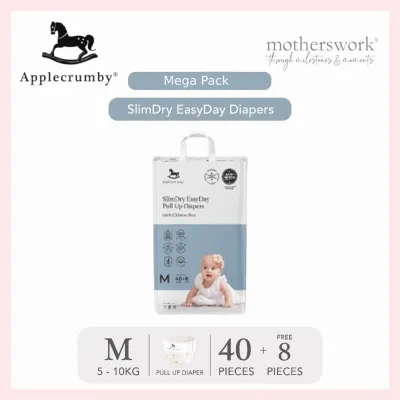
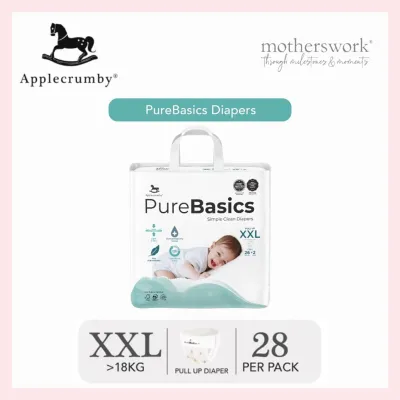
![[2 Packs Mini] Applecrumby® AirPlus Overnight Diapers](https://img.lazcdn.com/g/p/be9e77c81f616de08210fa347a9212e1.jpg_400x400q80.jpg_.webp)
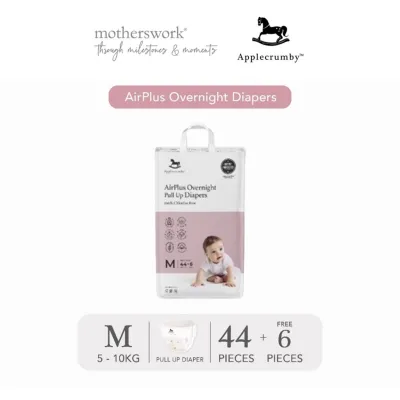
![[4 Packs Mega] Applecrumby® SlimDry⁺ Diapers](https://img.lazcdn.com/g/p/909966f1635a2a3877c76f75daa8d523.png_400x400q80.png_.webp)
![[4 Packs Mega] Applecrumby® PureBasics Diapers](https://img.lazcdn.com/g/p/ec3599b29a70633ec9b9099d0454df0c.png_400x400q80.png_.webp)
![[4 Packs Mega] Applecrumby® AirPlus Diapers](https://img.lazcdn.com/g/p/d447d938d048a31015aaa8a8d0fad089.png_400x400q80.png_.webp)
![[5 Packs Mini] Applecrumby® AirPlus Diapers](https://img.lazcdn.com/g/p/2bff6e6dff19add370c822532a11aeef.png_400x400q80.png_.webp)
Prices are valid at publication and may change. Please refer to the product page for the latest price.
Huggies designs its diapers with a strong emphasis on a secure, contoured fit and robust skin protection. They frequently highlight features like pocketed waistbands to prevent runny stool blowouts and soft, textured inner liners designed to gently cushion the skin. Their target audience includes parents of highly active babies who need a diaper that moves with the child without shifting or leaking.
MamyPoko is highly regarded across Asian markets for its high-capacity absorption and user-friendly designs, particularly their pants-style diapers. Their positioning focuses on maximum leak prevention and long-lasting dryness, making them a go-to option for overnight use. They cater to parents who want peace of mind during long sleep stretches or extended outings where frequent changes might be difficult.
While these brand positions provide a helpful starting point, they do not guarantee individual baby compatibility or absolute safety. A diaper’s performance is highly dependent on how it interacts with your baby’s unique body shape and skin chemistry. What works exceptionally well for one infant may cause leaks or skin irritation for another, making personal observation and trial essential.
Key Comparison Dimensions to Check on the Packaging
When comparing these brands in-store or on online marketplaces in Singapore, the product packaging is your primary source of information. Start by verifying the material composition claims printed on the box. Look for specific terms such as “chlorine-free processing” or “totally chlorine-free (TCF)” on premium options like Applecrumby, and compare them with the material descriptions on mass-market brands, which may use elemental chlorine-free (ECF) wood pulp or synthetic top sheets.

Next, evaluate the absorbency and breathability features detailed by the manufacturer. Many brands highlight proprietary core technologies, such as channel designs that distribute liquid evenly to prevent sagging, or breathable outer covers that allow hot air and moisture vapor to escape. In Singapore’s tropical climate, high breathability is crucial for maintaining skin health, so look for explicit mentions of micro-pores or vapor-permeable backsheets that help keep the diaper area cool.
Do not overlook the physical construction details illustrated on the packaging. Check for the presence of a wetness indicator—a color-changing strip that runs along the outside of the diaper to signal when a change is needed. Examine the descriptions of the waistband elasticity and the height of the double leg cuffs (leak guards), as these structural elements are your primary defense against messy leaks and blowouts.
Finally, compare the physical thickness of the diapers if you have access to sample packs or detailed product images. While some parents prefer an ultra-thin diaper for lightweight comfort under light clothing, others feel more secure with a thicker, more padded core for long outings or overnight use. Understanding these structural differences on paper will help you narrow down which features align best with your daily caregiving routine.
Evaluating Fit, Comfort, and Skin Sensitivity
A baby’s skin is exceptionally thin and sensitive, making it highly reactive to friction, moisture, and chemical additives. When evaluating any diaper brand, carefully inspect the ingredient list on the packaging for added fragrances, lotions, parabens, or latex. If your baby has highly sensitive skin, choosing a diaper free from these additives can significantly reduce the risk of contact dermatitis and diaper rash.
To safely test a new diaper brand, always start by purchasing the smallest pack available rather than committing to a bulk box. Use the new diapers over a trial period of three to five days, closely monitoring your baby’s skin during every change. Look for early signs of irritation, such as redness around the waistband, chafing along the leg cuffs, or localized rashes on the buttocks.
If you observe persistent redness, swelling, or a worsening rash, stop using the diaper immediately. Keep the area clean and dry, and consult a qualified pediatrician or healthcare professional if the irritation does not resolve. Never attempt to self-diagnose severe skin conditions or rely solely on diaper changes to cure an active infection.
Remember that diaper fit is highly individual and depends on your baby’s unique body shape. A diaper that fits a long, lean baby perfectly might cause tight red marks on a baby with chubby thighs. Observe how the diaper sits when your baby crawls, sits, or rolls; the waistband should be snug but allow you to slide two fingers comfortably inside, and the leg cuffs should flare outward to seal against leaks without digging into the skin.
Price, Availability, and Value Assessment
Managing diaper expenses is a long-term financial consideration for families in Singapore. To compare the true cost of these brands, avoid looking only at the retail price of a single pack. Instead, calculate the exact cost per diaper by dividing the total pack price in S$ by the number of pieces inside (S$ Price / Piece Count = Cost per Diaper).
Because premium brands like Applecrumby often contain fewer pieces per pack compared to mass-market options like Pampers, Huggies, or MamyPoko, this calculation reveals the actual daily or monthly cost difference. You may find that while a premium pack seems only slightly more expensive, the cost per individual diaper is significantly higher.
Availability is another practical factor to weigh. Mass-market brands like Pampers, Huggies, and MamyPoko are readily available in almost every local Singapore supermarket, neighborhood pharmacy, and convenience store. Applecrumby, being a more specialized brand, is typically sourced through official online brand stores, specialized baby boutiques, or major online marketplaces.
To optimize your budget, look for bulk purchase options, carton deals, or subscription services offered by online retailers. Planning your purchases around major local shopping campaigns or baby fairs can also yield substantial savings, allowing you to stock up on your preferred brand at a lower cost per unit.
Decision Framework: Which Diaper Should You Try First?
To help you decide which brand to test first, consider your primary caregiving priorities and your baby’s specific needs. If your priority is minimizing chemical exposure and you prefer plant-derived materials, and your budget allows for a higher cost per diaper, starting with Applecrumby is a logical choice.
If you prioritize a lightweight, ultra-thin diaper with rapid liquid distribution for an active baby, or if you need a widely available option that fits easily into a standard budget, Pampers or Huggies are excellent starting points. Their extensive size ranges and specialized active-fit designs cater well to growing infants.
If your baby is a heavy wetter, particularly overnight, or if you prefer the convenience of highly absorbent pants-style diapers for a wriggly toddler, MamyPoko’s high-capacity designs make it a strong candidate to try first.
Verify first with a pediatrician if your baby has diagnosed skin conditions, severe eczema, or known allergies to specific materials. In these cases, professional medical guidance should always supersede general brand comparisons.
Regardless of which brand you choose to explore first, always begin with a single trial pack or a sampler set. Testing the diaper in real-world conditions—during active daytime play and long overnight stretches—is the only definitive way to ensure it delivers the leak protection and comfort your baby deserves.
Frequently Asked Questions (FAQ)
How do I know when to size up my baby's diaper?
You should consider moving to the next diaper size if you notice physical signs of poor fit during daily use. These signs include red, indented marks left on your baby’s thighs or waist, frequent leaks or blowouts that did not occur previously, or the fastening tapes failing to reach the center zone easily. Additionally, if the diaper’s rise feels too low—meaning it sits well below your baby’s belly button—it is time to transition. Always check the manufacturer’s weight guidelines printed on the packaging as a baseline reference, but remember that a baby’s unique body shape and distribution of weight may require you to size up before they reach the official maximum weight limit.
Can I mix and match different diaper brands for day and night use?
Yes, mixing and matching different diaper brands is a highly practical and cost-effective strategy used by many parents in Singapore. For instance, you might choose a lighter, highly breathable, and more budget-friendly diaper for frequent daytime changes when your baby is active. At night, you can switch to a premium, highly absorbent diaper designed specifically for long-lasting dryness to help your baby sleep comfortably without interruptions. When using this rotation strategy, ensure that both brands fit your baby securely and do not cause localized skin irritation or friction rubs at the transition points.

Community discussion
Share your experience or ask a question. Comments are reviewed before publication.