
Finding the right diaper pants for your baby in Singapore’s warm, humid climate involves balancing skin health, leak protection, and household budget. While Applecrumby, Pampers, and Huggies are all popular choices among local parents, there is no single superior option that fits every infant. A diaper’s performance is highly dependent on your baby’s unique body shape, developmental stage, skin sensitivity, and daily activity levels. By understanding how to evaluate these brands across key physical and financial criteria, you can make an informed decision that keeps your baby comfortable and dry.
Evaluating Fit and Comfort for Active Babies
Active babies who are constantly rolling, crawling, or cruising require diaper pants that move with them without shifting. When comparing Applecrumby, Pampers, and Huggies, the first physical characteristic to examine is the waistband elasticity. A high-quality waistband should stretch easily to accommodate a full belly after feeding, yet retract gently to prevent the diaper from slipping down during play. Run your fingers along the inside of the waistband to check for any stiff or scratchy edges that could cause friction against your baby’s delicate skin.
Leg cuff design is equally critical for preventing leaks and physical discomfort. Look for double-layered leg gathers that sit flat against the skin rather than bunching up. When fitting the diaper pants, run your finger around the leg openings to flare out the cuffs; this simple step helps verify that the elastic is positioned correctly to prevent gaps without digging into the thighs. If you notice deep red marks on your baby’s waist or thighs after a few hours of wear, it is a clear sign that the current cut or size is too restrictive.
Products mentioned in this guide
![[Carton Deal] Applecrumby PureBasics Baby Diapers Pull Up Pants Kids Disposable Diaper](https://img.lazcdn.com/g/p/bb9f06ce53c5711a18080e97c22683d4.jpg_400x400q80.jpg_.webp)
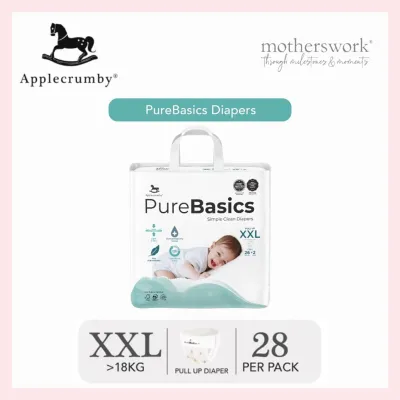
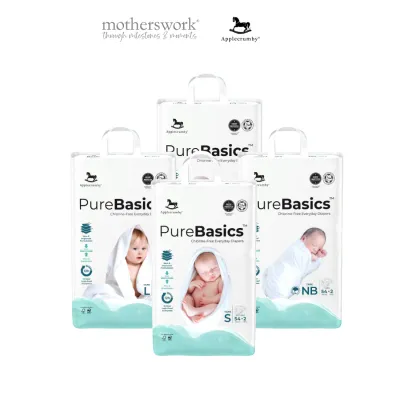
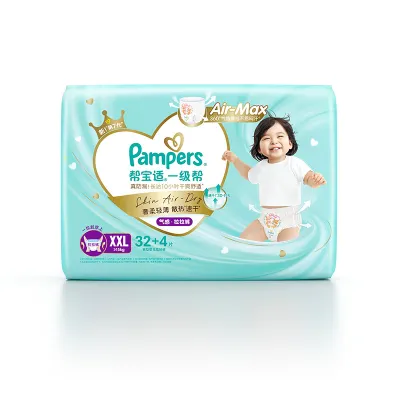
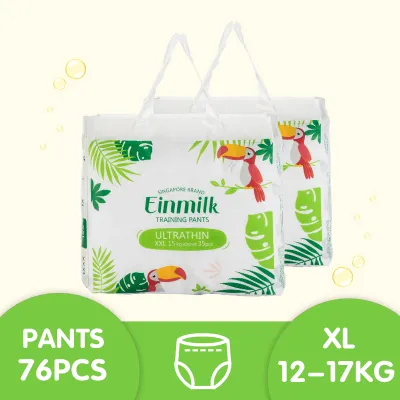
Prices are valid at publication and may change. Please refer to the product page for the latest price.
The overall cut of these three brands varies significantly, making some more suitable for specific baby builds. Some brands favor a slimmer, more streamlined cut that fits snugly on longer, leaner babies, while others offer a wider, roomier design that accommodates rounder bellies and thicker thighs. If your baby is in between sizes, a slimmer-cut diaper might cause chafing at the hips, whereas a roomier cut might sag and leak. Observing your baby’s movements during active play will help you identify whether a diaper rides up at the back or sags in the crotch, both of which indicate an incompatible fit.
Comparing Absorbency and Leak Protection
Absorbency is the core function of any diaper, especially during long overnight stretches or outings around Singapore. To evaluate how Applecrumby, Pampers, and Huggies manage moisture, start by reviewing the manufacturer specifications on the packaging regarding their core technology. Many modern diaper pants utilize Superabsorbent Polymers (SAP) or specialized channel designs to distribute liquid evenly and prevent sagging. Check for the presence of a wetness indicator, which changes color when wet, allowing you to monitor the diaper’s status without having to pull it open.

Conducting a structured at-home test is an excellent way to assess real-world absorbency without relying solely on marketing claims. During a typical day, monitor how the diaper performs over a three-to-four-hour period of normal hydration and activity. After removing the diaper, gently press a dry paper towel against the inner lining to see if any moisture transfers back; a high-performing core should lock wetness away, leaving the surface dry to the touch. Note whether the core bunches up into heavy clumps or maintains its structure when full, as clumping can restrict your baby’s movement and cause discomfort.
For overnight use or long naps, the effectiveness of the standing leak guards becomes paramount. Active sleepers frequently change positions, which can cause liquid to pool on one side of the diaper before the core can absorb it. Examine the height and elasticity of the inner barrier walls along the leg openings. These guards should stand upright when the diaper is opened and hug the groin area closely. If you experience frequent leaks during sleep, check whether the leaks occur at the waist or the legs, as this will tell you whether you need a diaper with a higher back rise or more robust leg barriers.
Checking Materials and Skin Sensitivity
Singapore’s high humidity can exacerbate skin issues, making the choice of diaper materials incredibly important for babies prone to diaper rash. When evaluating Applecrumby, Pampers, and Huggies, carefully read the product labels to verify any dermatological testing claims, hypoallergenic certifications, or chlorine-free processing. Because these terms are not universally standardized, look for specific, recognized testing bodies or detailed ingredient lists on the manufacturer’s official website to confirm what goes into the product.
The physical feel of the diaper can give you a good indication of its breathability and comfort. Feel both the inner lining and the outer cover with the back of your hand, which is more sensitive to texture. The inner lining should feel silky and soft to minimize friction against the skin, while the outer cover should feel fabric-like rather than plastic-like. A highly breathable outer cover allows heat and moisture vapor to escape, reducing the humid microclimate inside the diaper that can encourage bacterial growth and skin breakdown.
Additionally, pay close attention to any added lotions, botanical extracts, or fragrances listed on the packaging. While some parents prefer scented diapers to mask odors, fragrances and certain chemical additives can trigger allergic reactions or contact dermatitis in sensitive babies. If you are transitioning to a new brand, monitor your baby’s skin closely for any signs of redness, bumps, or irritation, particularly around the waistband and leg cuffs. If skin irritation develops, stop using the diaper immediately and consult a qualified pediatrician or healthcare professional for guidance.
Calculating Price per Diaper and Sourcing Options
Managing diapering costs requires looking past the shelf price of a single pack and calculating the true cost per piece. Because pack counts vary significantly between brands and sizes, divide the total price of the pack by the number of diapers inside to find the unit cost in S$. Keep in mind that larger sizes (such as XL or XXL) typically contain fewer pieces per pack, which naturally increases the cost per diaper as your baby grows.
To secure the best value, explore different sourcing options across Singapore’s retail landscape. Compare prices on major online marketplaces, brand official stores, and local supermarkets, taking note of bulk-buy promotions or carton discounts. When shopping online, always factor in shipping fees and the minimum spend required to qualify for free delivery, as these additional costs can quickly offset any initial savings. Many e-commerce platforms also offer subscription services that provide recurring discounts, which can be highly economical for brands you use consistently.
Availability is another crucial factor to consider before committing to a specific brand. Some premium or niche diaper brands may only be available through specialized online retailers or select baby boutiques, which can lead to supply chain disruptions or shipping delays. Conversely, mainstream brands are widely stocked in almost every local supermarket and convenience store, making it easy to pick up an emergency pack if you run out. Ensure that your chosen brand and size are consistently accessible through your preferred shopping channels to avoid sudden, inconvenient brand switches.
Decision Framework: Which Diaper Pants to Choose?
Selecting the right diaper pants involves matching your baby’s physical needs and your household priorities to the specific characteristics of each brand. If your primary focus is on finding diapers with specific natural, chlorine-free, or eco-conscious material features, and your baby’s body shape aligns with their cut, Applecrumby pants are a strong candidate to consider. Their focus on material purity makes them a popular choice for parents prioritizing ingredient transparency.
If your baby has a longer, leaner build and typically fits better in slimmer-cut diapers, Pampers pants may offer the snug fit you need to prevent gaps at the waist and thighs. Their design often emphasizes a streamlined profile that fits neatly under clothing, and their clear wetness indicators make it simple for caregivers to identify when a change is due. This brand is highly suitable for parents who value widespread availability and a classic, reliable fit.
For babies with rounder bellies or thicker thighs, Huggies pants often provide the roomier cut and robust elastic barriers necessary to prevent red marks and leaks. Their generous sizing and sturdy leg guards are well-suited for active toddlers who require extra coverage and security during high-energy play. If your baby is prone to heavy wetting or frequent blowouts, the structural design of these pants can offer peace of mind.
Before making a permanent switch to any new diaper brand, it is essential to perform a trial run with a single pack to observe how your baby’s skin and body respond. If your baby has a history of severe skin sensitivities, eczema, or persistent diaper rash, always consult a pediatrician or medical professional before changing diaper brands or introducing new materials to their daily routine.
Frequently Asked Questions (FAQ)
When should I switch from diaper tapes to diaper pants?
The transition from tape diapers to diaper pants is typically driven by your baby’s developmental milestones rather than a specific age. As babies become more mobile—usually around the stage of rolling over, crawling, pulling to stand, or walking—they often resist lying flat on their backs for diaper changes. Diaper pants can be pulled on quickly while your baby is standing or moving, making the changing process much less stressful for both caregiver and child. Additionally, diaper pants offer a more secure, 360-degree elastic fit that accommodates the active movements of a busy toddler, whereas tape diapers may shift or loosen during vigorous play.
How do I know if the diaper pants are the wrong size?
You can determine if your baby’s diaper pants are the wrong size by performing a few simple visual and physical checks. If you notice deep, persistent red marks or indentations around your baby’s waist or thighs after removing the diaper, it is a clear indication that the diaper is too tight and you need to size up. Conversely, if you experience frequent leaks, sagging in the crotch, or visible gaps around the leg cuffs when your baby moves, the diaper is likely too large or the cut is incompatible with their body shape. Always refer to the manufacturer’s weight guidelines on the packaging as a starting point, but let your baby’s actual fit and comfort guide your final sizing decisions.

Community discussion
Share your experience or ask a question. Comments are reviewed before publication.