
Finding the right diaper in Singapore’s humid, tropical climate requires balancing skin breathability, reliable absorbency, and overall household cost. Applecrumby has gained popularity among local parents seeking premium options that emphasize chlorine-free and plant-derived material claims. However, choosing between this brand and other established mainstream alternatives involves looking beyond marketing slogans to evaluate how they perform in daily use, how they fit your baby’s unique build, and how they impact your monthly budget.
Every baby has a unique body shape and skin sensitivity level, meaning there is no single diaper brand that works perfectly for everyone. By understanding how to read product labels, test absorbency at home, and calculate the true cost per use, you can make an informed decision that keeps your baby comfortable and dry. This guide provides a practical framework to compare these options objectively based on your family’s specific needs.
Decoding Applecrumby Diapers: What to Check on the Label
When evaluating Applecrumby diapers, the first step is to look closely at the packaging to verify the manufacturer’s specific material claims. The brand is widely recognized for highlighting chlorine-free processing and the inclusion of plant-based components in its construction. Parents should check the label to confirm which parts of the diaper utilize these naturally derived materials, as this can vary between different product lines and diaper generations.
Products mentioned in this guide
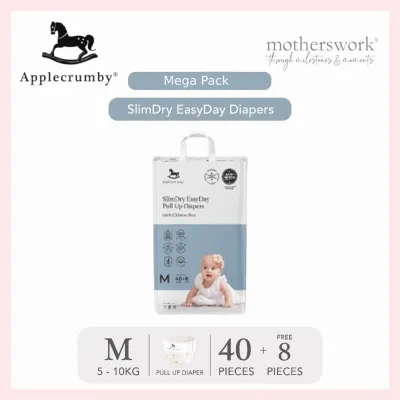
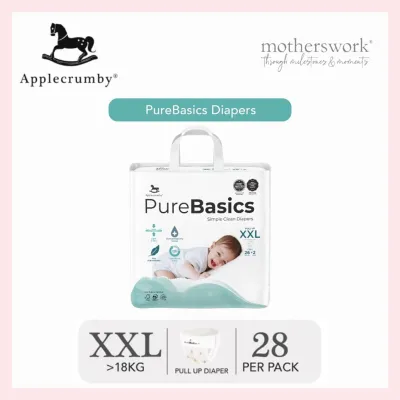
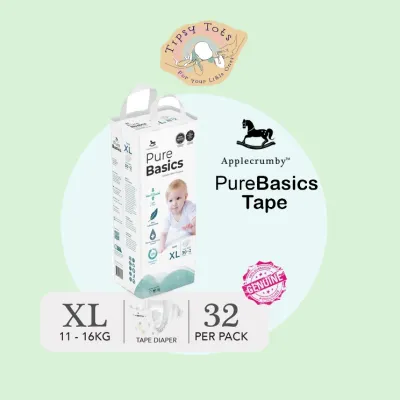
![[2 Packs Mini] Applecrumby® SlimDry EasyDay Diapers](https://img.lazcdn.com/g/p/b9ce43021f0306b5f7e5af617e320744.jpg_400x400q80.jpg_.webp)
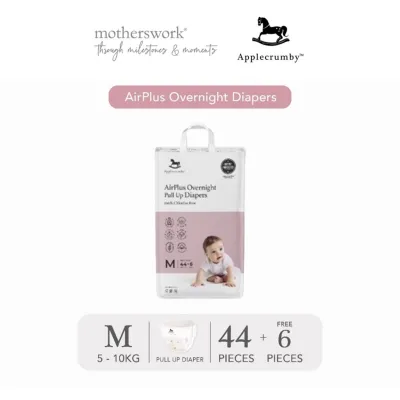
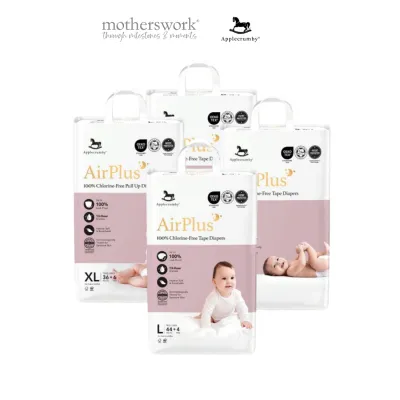
![[4 Packs Mega] Applecrumby® AirPlus Diapers](https://img.lazcdn.com/g/p/d447d938d048a31015aaa8a8d0fad089.png_400x400q80.png_.webp)
![[5 Packs Mini] Applecrumby® AirPlus Diapers](https://img.lazcdn.com/g/p/2bff6e6dff19add370c822532a11aeef.png_400x400q80.png_.webp)
Prices are valid at publication and may change. Please refer to the product page for the latest price.
Structural design features are equally important to examine before making a purchase. Look at the waistband elasticity and the construction of the leg cuffs on the packaging diagrams or the product itself. A well-designed diaper should feature a wide, flexible waistband that stretches comfortably without constricting, alongside double-layered leg cuffs designed to contain messes. These physical features play a critical role in preventing leaks during active movement.
Rather than relying solely on promotional terms, look for recognized third-party certifications printed on the pack. These may include dermatological test seals, forest management certifications for wood pulp sources, or chemical-safety standards. Verifying these independent labels helps ensure that the product meets your personal standards for safety and environmental impact before it ever touches your baby’s skin.
How to Compare Absorbency and Leak Protection
Absorbency is the core function of any disposable diaper, especially during long overnight stretches or outings around Singapore. To compare brands, start by identifying the physical indicators of absorbency, such as the thickness of the core and the presence of a wetness indicator. While a thicker core sometimes suggests more traditional wood pulp filler, modern thin cores often utilize advanced superabsorbent polymers (SAP) to lock away moisture without adding bulk.

To compare performance objectively without risking a major blowout, you can conduct a simple, safe at-home absorbency test. Place a unused diaper flat on a clean surface and slowly pour a measured amount of lukewarm water—approximately 100 to 150 milliliters, mimicking a baby’s typical output—onto the center of the core. Wait one minute, then press a dry paper towel firmly against the surface to see how much moisture transfers back. A high-performing core will lock the liquid away, leaving the paper towel dry to the touch.
In daily life, recognizing the signs of insufficient absorbency will tell you when a specific brand is not meeting your baby’s needs. Frequent sagging, a damp feeling on the outside of the diaper cover, or clothing that feels humid after a nap are clear indicators that the core is saturated or unable to distribute liquid quickly enough. If these issues occur regularly despite using the correct size, it may be time to explore alternative brands with different core technologies.
Evaluating Fit, Comfort, and Skin Sensitivity
Even the most absorbent diaper will leak if the fit is incorrect. To ensure a proper fit, always use the two-finger rule when securing the diaper on your baby. You should be able to slide two fingers comfortably between the diaper waistband and your baby’s tummy, as well as around the leg openings. If the fit is too tight, it can cause painful chafing; if it is too loose, liquid will easily escape before the core can absorb it.
Regularly monitor your baby’s skin during diaper changes, particularly in Singapore’s warm weather where trapped moisture can quickly lead to irritation. Look for red marks, deep indentations around the thighs, or localized rashes after consecutive uses. These physical signs often indicate that the diaper’s shape is incompatible with your baby’s build, or that the materials are trapping too much heat and humidity against the skin.
To minimize the risk of skin irritation, check the packaging for explicit dermatological testing, hypoallergenic claims, or fragrance-free labels. Fragrances and certain chemical processing agents can trigger reactions in babies with sensitive skin or conditions like eczema. Choosing products that omit added perfumes and prioritize gentle, breathable outer covers can significantly reduce the likelihood of diaper rash.
Calculating Price and True Value Across Brands
Comparing diaper prices requires looking past the upfront cost of a single pack, as package sizes and diaper counts vary widely between brands and sizes. To find the true cost, calculate the price per individual diaper. You can do this by dividing the total price of the pack by the number of diapers inside. For example, a pack costing S$25.00 containing 50 diapers results in a unit cost of S$0.50 per diaper.
$$\text{Cost per Diaper} = \frac{\text{Total Pack Price in S\$}}{\text{Number of Diapers in Pack}}$$
Beyond the basic unit price, consider the frequency of changes required throughout the day. A cheaper diaper that saturates quickly and requires changing every two hours may end up costing more over a month than a slightly more expensive, highly absorbent diaper that keeps your baby dry for four hours. Factor in the cost of additional laundry, diaper rash creams, and interrupted sleep when evaluating the overall value of a brand.
To get the best value on your chosen brand, regularly check official brand websites and authorized local e-commerce platforms for bundle offers, subscription discounts, or bulk-buying options. Many brands offer significant savings when you purchase multiple packs at once. However, avoid stockpiling too many packs of a single size, as babies grow rapidly and may transition to the next size before you finish your supply.
Decision Framework: Choosing the Right Diaper for Your Baby
To help streamline your choice, use this conditional framework to decide which diaper type best aligns with your family’s daily routine and priorities:
- Choose Applecrumby if: You prioritize specific material preferences, such as chlorine-free processing and plant-derived components, your budget accommodates a premium price point, and your baby's skin responds well to the specific fit and material composition.
- Choose alternative mainstream brands if: You require highly specialized sizing options, need maximum overnight heavy-duty absorption for a heavy wetter, prefer the convenience of buying diapers at any neighborhood supermarket, or want to minimize your monthly diapering expenses.
- Consult a professional if: Your baby experiences persistent, severe diaper rash, exhibits signs of allergic reactions, or has diagnosed skin conditions that require medical-grade barrier creams or specialized pediatric advice.
Always remember to check the manufacturer’s weight and size guidelines on the packaging before purchasing, as sizing standards can differ significantly between brands. If you are transitioning between brands, consider purchasing a single small pack first to test the fit and skin compatibility before investing in bulk quantities.
Frequently Asked Questions (FAQ)
Are plant-based diapers like Applecrumby always better for sensitive skin?
Not necessarily. While plant-based materials and chlorine-free processing can reduce exposure to certain chemical residues, they do not guarantee a product is completely hypoallergenic for every baby. Natural fibers can still cause friction, and individual babies may react to different materials. It is essential to monitor your baby’s skin for any signs of redness or irritation and verify that the product has undergone independent dermatological testing.
How do I know if I need to size up in a specific diaper brand?
You should consider sizing up if you notice persistent red marks or deep indentations around your baby’s thighs or waist, if the fastening tabs struggle to reach the center panel easily, or if you experience sudden, frequent leaks. Additionally, if the diaper’s rise is too low and no longer covers the belly button, or if your baby has recently crossed into the upper weight limit specified on the product packaging, it is usually time to transition to the next size.
Can I mix different diaper brands for day and night use?
Yes, mixing different diaper brands is a highly practical and cost-effective strategy used by many parents. You might choose a lighter, highly breathable, and more budget-friendly diaper for frequent daytime changes when your baby is active. For overnight sleep, you can switch to a premium, high-capacity diaper designed specifically for extended wear to ensure your baby remains dry and comfortable throughout the night without requiring a change.

Community discussion
Share your experience or ask a question. Comments are reviewed before publication.