
Choosing a laundry detergent for your baby involves looking beyond appealing front-label designs and sweet scents. While Anakku is a widely recognized brand in the baby care space, parents must understand that no single laundry product is universally guaranteed to be compatible with every infant’s skin. A baby’s skin barrier is significantly thinner and more permeable than an adult’s, making it highly susceptible to irritation from chemical residues left on clothing fibers. To determine whether a specific bottle of Anakku detergent is suitable for your child, you must look past the marketing claims and examine the exact ingredient list printed on the packaging. This guide provides a practical framework for reading those labels, identifying potential skin irritants, and safely testing the product at home.
How to Verify the Actual Ingredient List on Your Bottle
To verify what is actually inside your detergent, always start by inspecting the physical bottle or outer packaging. Manufacturers frequently update their formulations to improve performance, comply with new standards, or source alternative raw materials, meaning online product descriptions on ecommerce platforms may not always reflect the bottle currently sitting on your laundry shelf. Look closely at the back or side panel of the container for a section labeled “Ingredients” or “Active Ingredients.”
In some regions, manufacturers list ingredients using standard chemical names or the International Nomenclature of Cosmetic Ingredients (INCI) format. This standardized system ensures that chemical compounds are named consistently worldwide, allowing you to cross-reference them easily. If the physical label only lists broad categories—such as “anionic surfactants” or “preservatives”—without specifying the exact chemical names, you can visit the manufacturer’s official website or contact their customer service line directly to request a complete ingredient disclosure. Keeping a close eye on these details is especially important if your baby has a history of reactive skin or diagnosed eczema, as even minor formulation tweaks can trigger a flare-up.
Products mentioned in this guide
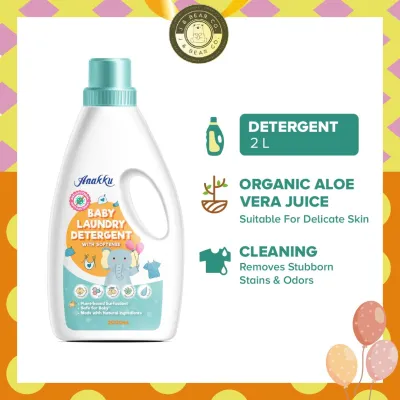
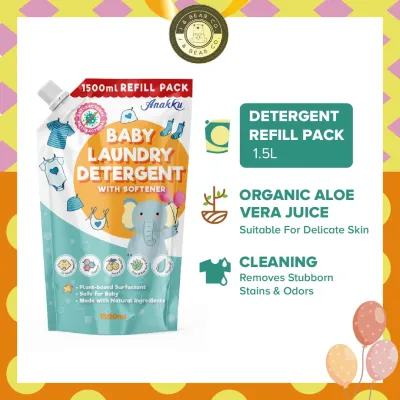
![[SG Ready Stock] Anakku Baby Laundry Detergent with Softener Refill Pack 1.5L](https://img.lazcdn.com/g/p/653fcc563e316bd8ab14e34cbe0514b7.jpg_400x400q80.jpg_.webp)
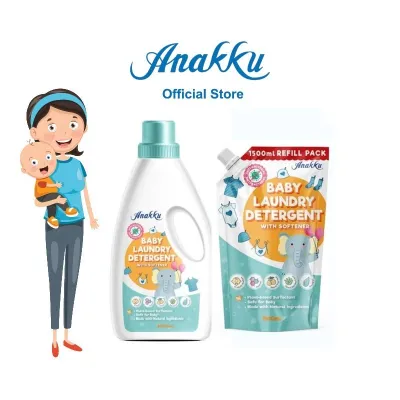
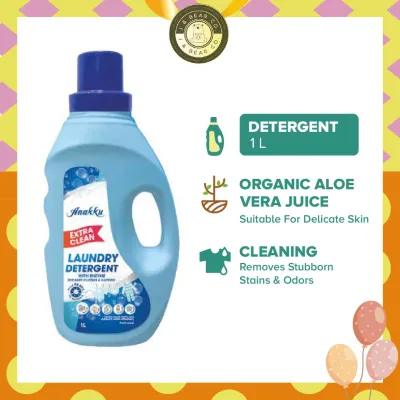
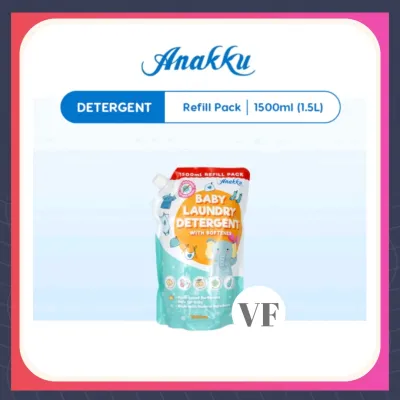
Prices are valid at publication and may change. Please refer to the product page for the latest price.
Common Baby Detergent Ingredients and Potential Irritants
Baby detergents typically rely on surfactants to lift dirt and oils from fabric fibers. These cleansing agents can be derived from synthetic petrochemicals or plant-based sources like coconut or palm oil. While plant-derived surfactants are generally formulated to be milder on sensitive skin, synthetic surfactants like sodium lauryl sulfate (SLS) or sodium laureth sulfate (SLES) are highly effective cleansers but can sometimes strip the skin’s natural lipid barrier if not thoroughly rinsed out. When reading the label, check which type of surfactant is utilized and note whether your baby’s skin shows any sensitivity after exposure.

Fragrances and dyes are among the most common triggers for contact dermatitis in infants. It is crucial to distinguish between “unscented” and “fragrance-free” products. An “unscented” detergent may still contain masking fragrances designed to neutralize the chemical smell of the raw ingredients, whereas a “fragrance-free” product is formulated without any added scent compounds. Synthetic dyes, often added solely for aesthetic appeal to give the liquid a blue or pink hue, serve no functional cleaning purpose and represent an unnecessary risk for highly sensitive skin.
Preservatives are necessary in liquid detergents to prevent the growth of bacteria and mold during storage, but certain types can be problematic. Traditional preservatives like methylisothiazolinone (MIT) or formaldehyde-releasing agents have a higher documented association with skin sensitization. Additionally, many modern baby detergents incorporate enzymes like amylase or protease to break down tough organic stains from milk, formula, or baby food. While enzymes are highly effective for stain removal, they are active proteins that can occasionally remain trapped in fabric fibers and irritate delicate skin, particularly in warm, humid climates like Singapore’s where sweat can reactivate these residues.
Decoding "Hypoallergenic" and "Baby-Safe" Marketing Claims
The front of a detergent bottle is often covered in reassuring terms like “hypoallergenic,” “baby-safe,” “gentle,” or “natural.” It is important for parents to recognize that these terms do not have strict, universally enforced regulatory definitions. A manufacturer can label a product “hypoallergenic” simply to indicate that it is formulated to minimize the risk of allergic reactions, but this does not mean the product is entirely free of potential allergens or guaranteed to be safe for every individual baby.
Similarly, the phrase “dermatologically tested” indicates that the product was evaluated under the supervision of a dermatologist, but it does not disclose the testing methodology, the sample size, or whether any participants experienced mild reactions. Instead of relying solely on these front-label claims, parents should look for independent, third-party certifications. Organizations such as national eczema associations or independent toxicological review boards evaluate products against strict ingredient criteria. When a product carries an official seal from a recognized dermatological or allergy authority, you can verify its authenticity directly on the certifying organization’s public database to ensure the certification is current and applicable to the specific formulation.
Practical Steps to Test Detergent Tolerance on Sensitive Skin
Before washing your baby’s entire wardrobe with a new detergent, it is wise to perform a small-scale wash test. Select two or three small, non-essential garments, such as washcloths or socks, and wash them separately using the new product. Once dried, have your baby wear or use these items for a day while you closely monitor their skin for any signs of localized irritation. This controlled introduction helps you isolate the detergent as the potential cause if a reaction occurs, without exposing their entire body to a potential irritant.
To minimize the risk of detergent buildup, always follow the manufacturer’s dosage instructions precisely. Using too much liquid does not make clothes cleaner; instead, it leaves behind a soapy residue that traps dirt and irritates the skin. In Singapore’s humid climate, where sweat can easily dissolve fabric residues and press them directly into the skin, running an extra rinse cycle is an excellent preventive measure. This additional rinse helps ensure that all traces of surfactants, enzymes, and fragrances are thoroughly flushed out of the clothing fibers.
During and after the test, inspect your baby’s skin regularly, focusing on areas where clothing fits snugly, such as the collar, wrists, thighs, and waistband. Look for early signs of contact irritation, which typically present as localized redness, dry or rough patches, or a fine, bumpy rash.
When to Stop Using the Detergent and Seek Professional Advice
If you observe any adverse skin reactions, discontinue using the detergent immediately and re-wash the affected clothing in plain water or a previously tolerated detergent. Immediate stop conditions include the appearance of blistering, a rapidly spreading red rash, cracked or bleeding skin, or any signs of respiratory discomfort such as wheezing or coughing, which could indicate an inhalation sensitivity to added fragrances.
It can sometimes be challenging to differentiate between a detergent allergy and other common infant skin issues. For instance, heat rash typically appears in skin folds and areas of high sweat accumulation, while infant eczema often presents as dry, itchy patches on the cheeks, elbows, or knees. If a rash persists for more than a few days after you stop using the detergent, or if your baby seems highly uncomfortable and itchy, consult a pediatrician or a pediatric dermatologist. A qualified professional can perform formal patch testing to identify the exact chemical culprit and recommend safe, specialized skincare routines and alternative laundering products.
Frequently Asked Questions (FAQ)
Can I mix baby detergent with fabric softeners for infant clothes?
Pediatricians and dermatologists generally recommend avoiding fabric softeners and dryer sheets for infant clothing. Fabric softeners work by leaving a thin chemical coating over the fabric fibers to make them feel softer, but this coating often contains heavy synthetic fragrances and preservatives that remain in constant contact with your baby’s skin. Furthermore, this chemical residue can significantly reduce the flame-retardancy of baby sleepwear and decrease the absorbency of cloth diapers and cotton towels.
Does the water temperature affect how much detergent residue is left on clothes?
Yes, water temperature plays a significant role in how effectively detergent dissolves and rinses away. Liquid detergents generally dissolve better in warm water than in cold water, which helps prevent concentrated soapy spots from clinging to the fabric. However, you must always check the garment care labels on your baby’s clothes first, as some delicate cottons or wools may shrink or degrade in high temperatures. If you prefer or need to wash in cold water, ensure you do not overdose the detergent and consider utilizing an extended rinse cycle to facilitate complete residue removal.

Community discussion
Share your experience or ask a question. Comments are reviewed before publication.