
Choosing the right fridge door lock is a critical step in childproofing your kitchen, but the best option depends heavily on your appliance’s material, your living situation, and your child’s developmental stage. While adhesive locks offer a non-invasive setup that preserves your appliance’s exterior, screw-mounted locks provide a permanent, mechanical hold designed to withstand significant force. To make the correct choice, you must balance the physical limitations of your refrigerator with the growing strength of your toddler.
Assessing Your Fridge Surface and Household Needs
Before purchasing any childproofing hardware, you must evaluate the physical characteristics of your refrigerator and the specific needs of your household. Modern refrigerators feature a wide variety of exterior finishes, including smooth stainless steel, fingerprint-resistant coatings, textured plastics, glass panels, and curved doors. Each of these materials interacts differently with adhesives and drilling tools, making surface identification your very first task. For instance, a textured or heavily contoured surface can prevent an adhesive pad from establishing a complete bond, while a glass-front door completely rules out any drilling.
Your household dynamics also play a decisive role in this decision. Toddlers develop physical strength and problem-solving skills at different rates, meaning a lock that deters a one-year-old might easily fail under the persistent pulling of an older child. You must assess your child’s current dexterity and strength, keeping in mind that their capabilities will increase rapidly over the coming months. Additionally, if you are living in a rental property, permanent modifications like drilling holes into an appliance are typically prohibited and can lead to security deposit deductions.
Products mentioned in this guide
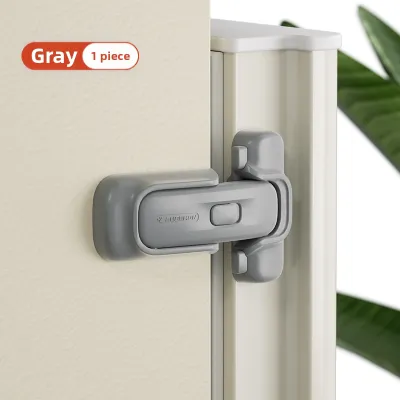
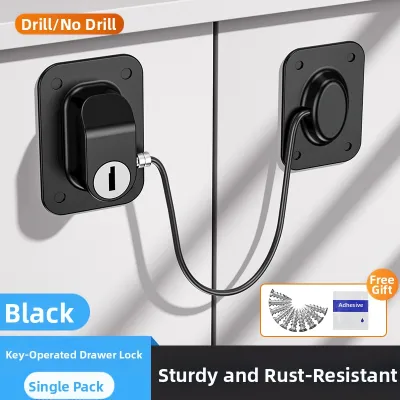
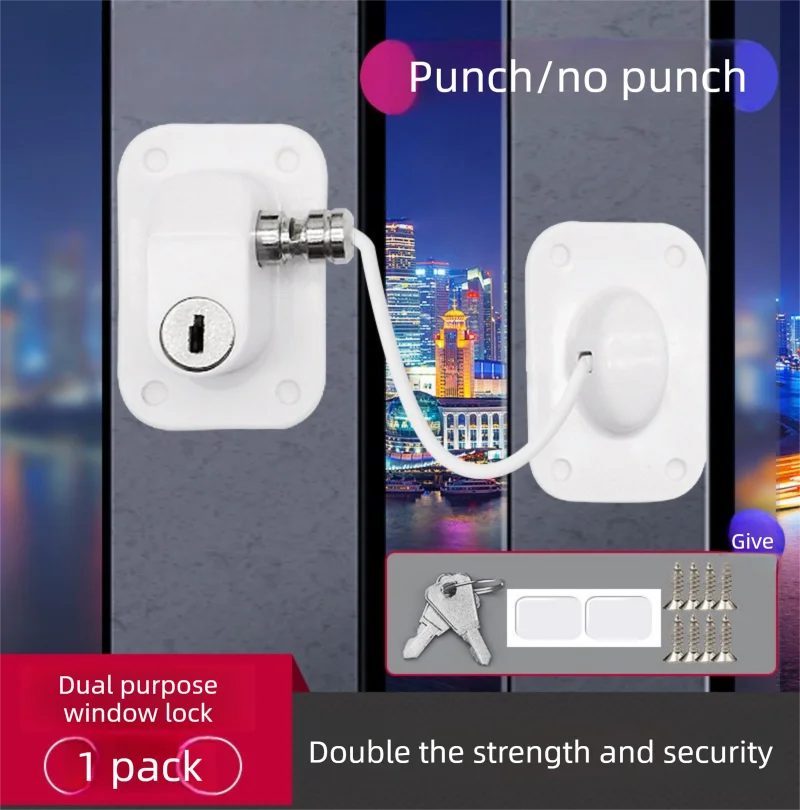
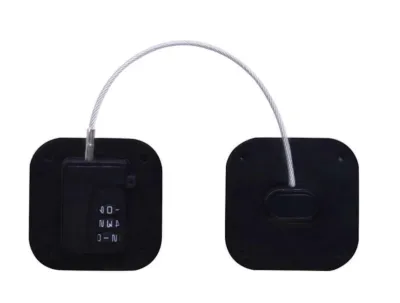
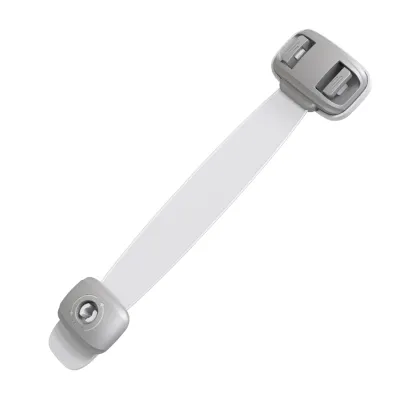
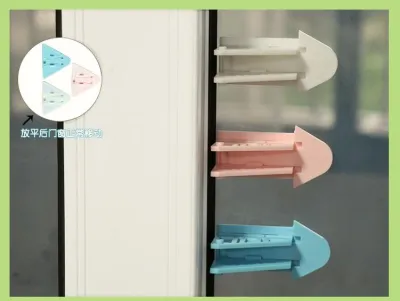
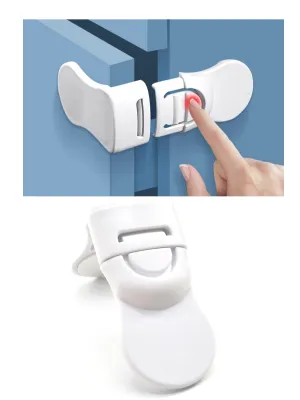
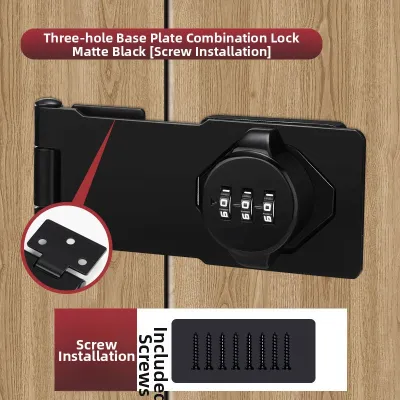
Prices are valid at publication and may change. Please refer to the product page for the latest price.
Finally, you must consider the long-term impact on your appliance itself. Drilling into a refrigerator door or cabinet can permanently damage internal components, such as cooling lines or electrical wiring, and will almost certainly void the manufacturer’s warranty. Even heavy-duty adhesives can sometimes leave stubborn residue or strip away delicate surface coatings upon removal. Reviewing your appliance’s user manual and warranty terms before making any modifications is essential to avoid costly damage.
Adhesive Fridge Door Locks: When They Work Best
Adhesive-mounted fridge door locks are highly popular because they are easy to install and do not require specialized tools. These locks rely on high-bond double-sided tape to secure the locking mechanism to the appliance frame and door. They perform exceptionally well on smooth, flat, non-porous surfaces such as high-gloss plastics, flat metal panels, and glass. When applied correctly to a compatible surface, the adhesive creates a reliable bond that can easily withstand the typical pulling force of an infant or young toddler.

However, adhesive locks have distinct physical limitations that caregivers must understand. They are generally unsuitable for heavily textured surfaces, matte finishes, or areas with tight curves, as these textures prevent the adhesive from making full contact with the surface. Environmental factors in the kitchen also affect adhesive longevity; high humidity, frequent temperature fluctuations, and condensation can gradually weaken the chemical bond over time. If your kitchen experiences high moisture levels or if your fridge exterior frequently feels cold and damp, adhesive failure becomes a significant risk.
For renters or families looking for a temporary childproofing solution, adhesive locks are often the most practical choice. They allow you to secure the kitchen without leaving permanent physical damage on the landlord’s appliance. However, removing these locks requires patience and care to avoid scratching the fridge surface or peeling off protective coatings. While they offer excellent convenience, caregivers must remain vigilant and regularly check that the adhesive pads are not beginning to lift or peel under daily use.
Screw-Mounted Fridge Door Locks: When They Work Best
Screw-mounted fridge door locks offer a mechanical connection that does not rely on chemical adhesion, making them the most secure option for high-force situations. These locks are ideal for households with older, highly persistent toddlers who have learned how to use their body weight to pull doors open. Because the lock is physically anchored to the appliance frame with screws, it provides a level of resistance that adhesives simply cannot match, ensuring the fridge remains closed even under intense, repeated pulling.
Installing a screw-mounted lock requires a suitable, drillable surface on the refrigerator’s exterior cabinet. This method is only viable on solid metal or heavy plastic frames where screws can bite securely without compromising the appliance’s structural integrity. You must completely avoid drilling into glass panels, thin decorative trim, or areas where internal cooling coils and electrical wiring are routed. Because these internal components are hidden beneath the outer skin of the fridge, drilling carries an inherent risk of puncturing a refrigerant line, which can ruin the appliance and pose safety hazards.
The primary trade-off of a screw-mounted lock is the permanent alteration of your appliance. Once the lock is removed, you will be left with visible screw holes that must be filled or sealed to prevent moisture from entering the insulation layer. This permanent modification will typically void your appliance warranty, making it a choice best reserved for older appliances that are out of warranty, or situations where absolute mechanical security is the top priority. Caregivers must carefully weigh this permanent structural change against the temporary nature of childproofing.
Adhesive vs Screw-Mounted: Feature Comparison and Decision Framework
To help you decide which mounting method fits your home, it is helpful to compare their key characteristics side-by-side. The following comparison framework outlines how each type performs across critical categories, allowing you to match the lock to your specific appliance and household needs.
| Feature | Adhesive-Mounted Locks | Screw-Mounted Locks |
|---|---|---|
| Installation Effort | Low; requires surface cleaning and curing time. | High; requires drilling, measuring, and tools. |
| Holding Strength | Moderate; sufficient for infants and young toddlers. | High; resists heavy pulling and older children. |
| Surface Compatibility | Best on smooth, flat, non-porous surfaces. | Requires solid, drillable metal or plastic frames. |
| Appliance Damage Risk | Low; potential for adhesive residue or coating peel. | High; permanent holes and risk to internal lines. |
| Rental Suitability | High; removable with proper techniques. | Low; generally prohibited by landlords. |
| Warranty Impact | Minimal; check for surface finish exclusions. | High; likely voids the appliance warranty. |
To finalize your decision, you can apply these straightforward rules based on your living situation and appliance type:
Choose an adhesive-mounted lock if:
- You are living in a rental property and must return the appliance undamaged.
- Your refrigerator has a glass-front door or delicate external panels that cannot be drilled.
- Your child is an infant or young toddler who is easily deterred by basic physical barriers.
- You want a quick, tool-free installation that can be completed in a few minutes.
Choose a screw-mounted lock if:
- Your child is older, exceptionally strong, or has repeatedly bypassed adhesive locks.
- You own the appliance and are comfortable making permanent physical modifications to it.
- The refrigerator surface is heavily textured, curved, or prone to condensation, making adhesives unreliable.
- You require a long-term, highly durable security solution that will last for several years.
Verify first if:
- You are unsure about the location of internal cooling lines or electrical wiring beneath the fridge's outer skin.
- Your appliance is still under manufacturer warranty, as drilling will likely void your coverage.
- Your fridge has a specialized anti-fingerprint or protective coating that might peel when removing adhesive.
Installation and Removal Guidelines
Proper installation is critical to ensuring your chosen lock functions correctly and does not damage your appliance. For adhesive-mounted locks, the key to a strong bond is thorough surface preparation. Start by cleaning the mounting area with a mild degreasing agent or rubbing alcohol to remove all grease, dust, and fingerprint oils. Allow the surface to dry completely before applying the adhesive pads. Once applied, press the pads firmly against the surface for at least thirty seconds, and allow the adhesive to cure for the manufacturer-specified time—typically 24 hours—before applying any pulling force.
When it comes time to remove an adhesive lock, hasty pulling can damage your fridge’s finish. To remove the lock safely, use a hair dryer on a low-heat setting to gently warm the adhesive pad, which softens the glue. Once softened, slide a piece of dental floss or a plastic scraper underneath the pad to slice through the adhesive layer. Any remaining residue can be cleaned off using a mild adhesive remover or cooking oil, followed by a wash with soapy water to restore the surface.
For screw-mounted locks, installation requires extreme caution to avoid damaging the refrigerator’s internal systems. Before drilling, consult your appliance’s manual or contact the manufacturer to identify safe drilling zones that are free of cooling lines and electrical wires. Always use a drill bit depth stop to prevent the drill from penetrating too deeply into the appliance cabinet. If you decide to remove a screw-mounted lock in the future, you must fill the remaining holes with a food-safe silicone sealant to prevent moisture from seeping into the appliance’s insulation layer, which could cause mold or rust.
If at any point during the installation process you feel uncertain about the safety of drilling or the compatibility of an adhesive on your specific appliance, stop immediately. Consulting the appliance manufacturer or hiring a qualified professional is the safest way to prevent costly damage to your refrigerator.
Ongoing Safety and Maintenance Checks
No childproofing device is completely maintenance-free, and regular inspections are necessary to ensure your fridge lock remains secure. Over time, daily use can degrade the lock’s components, causing adhesive bonds to weaken or screws to loosen. Make it a habit to check the lock weekly by gently tugging on it to verify that the mounting remains firm and that there are no signs of peeling, cracking, or wobbling.
During your routine checks, inspect the lock for any small parts that may have become loose or damaged. If a plastic component cracks or a screw backs out, it can quickly become a serious choking hazard for young children. If you notice any structural damage, worn-out adhesive, or loose hardware, discontinue use immediately and replace the lock or the mounting pads to maintain a safe environment.
Remember that child safety locks are intended to assist caregivers, not replace active adult supervision. Always verify the age suitability, weight limits, and specific installation warnings in your lock’s product documentation to ensure it matches your child’s developmental stage. As your child grows, their physical strength, height, and cognitive abilities will change, meaning your childproofing strategy must evolve as well. Regularly assess whether your current lock still provides adequate security, and be prepared to upgrade, reposition, or eventually remove the lock once your child is old enough to understand kitchen safety rules.
Frequently Asked Questions (FAQ)
Can I use an adhesive lock on a stainless steel fridge?
Yes, you can generally use an adhesive lock on a stainless steel refrigerator, provided the surface is smooth and clean. However, many modern stainless steel appliances feature brushed finishes or specialized anti-fingerprint coatings. These textured surfaces and chemical coatings can significantly reduce the adhesive’s ability to form a strong bond, leading to premature failure. Additionally, removing a strong adhesive from a coated stainless steel surface carries a risk of peeling away the protective finish, so you should always check the appliance manufacturer’s care guidelines before application.
Will screwing into my fridge void the warranty?
Yes, drilling holes and using screws to mount a lock on your refrigerator will almost certainly void the manufacturer’s warranty, particularly for the door and cabinet components. Refrigerator manufacturers design their appliances with sealed insulation layers, internal cooling lines, and electrical wiring running through the walls. Making permanent physical modifications like drilling can compromise these systems, and manufacturers will not cover repairs for damage caused by aftermarket installations. Always review your warranty terms or contact the manufacturer’s customer service department to verify the impact before drilling into your appliance.

Community discussion
Share your experience or ask a question. Comments are reviewed before publication.