
Organizing a nursery to accommodate a growing child requires transitioning from storing simple baby essentials to managing an expanding collection of toddler toys. The key to success is building a flexible, scalable system that adapts to your child’s developmental milestones. By establishing designated play zones, choosing modular furniture, and implementing a structured toy rotation, you can maintain an orderly space that encourages independent play and simplifies cleanup. This approach ensures your storage solutions grow alongside your child, saving you from frequent room overhauls as their interests and motor skills evolve.
Assess Your Nursery Layout and Toy Collection
Before purchasing any new organizers, evaluate the physical space of your nursery and the actual items your child owns. In urban homes where floor space is often limited, maximizing every square meter is essential. Begin by measuring the clear floor space and wall dimensions, noting the locations of doors, windows, and electrical outlets. This physical assessment helps you identify distinct zones for active play, quiet reading, and dedicated storage, ensuring that furniture placement does not block natural pathways or create safety hazards.
Next, conduct a thorough audit of your child’s current toy collection. Group the items by size, shape, and developmental appropriateness, separating baby rattles and soft sensory blocks from larger toddler items like activity tables or building sets. This audit allows you to see exactly what types of storage containers you need, preventing the common mistake of buying bins that are too small for bulky toys or too deep for tiny accessories. It also helps you identify toys that your child has outgrown, which can be donated, sold, or packed away for future siblings.
Products mentioned in this guide
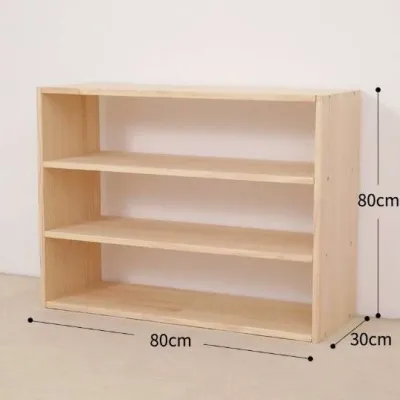
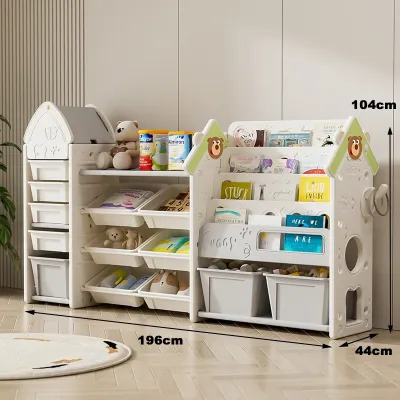
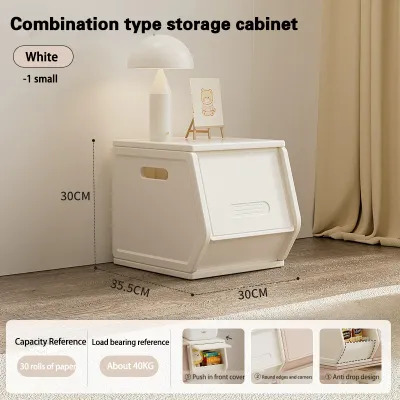
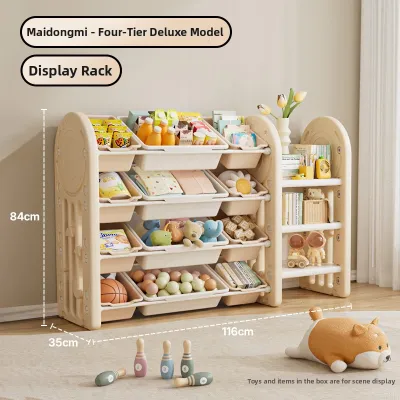
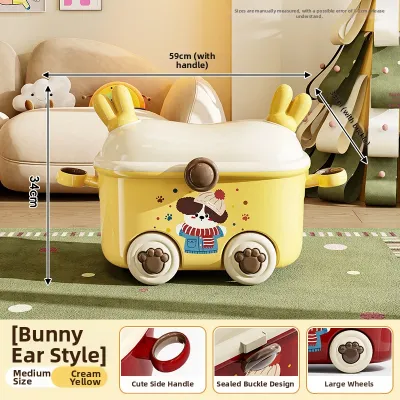
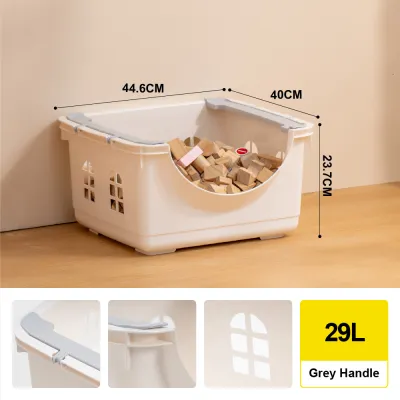
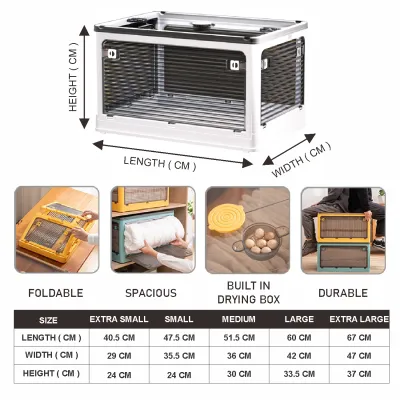
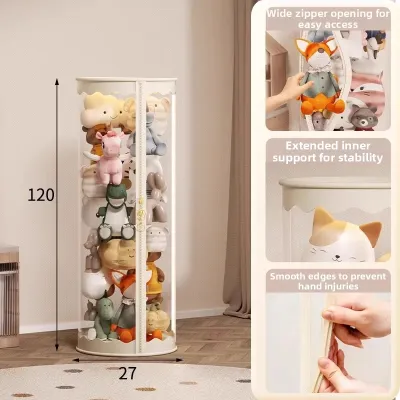
Prices are valid at publication and may change. Please refer to the product page for the latest price.
Do not overlook underutilized areas in the nursery when planning your layout. Awkward corners, the space behind doors, and the low-profile area under a crib or cot are excellent spots for hidden storage. For example, shallow, rolling containers can slide easily under a crib to hold out-of-season clothing or extra bedding, freeing up prime shelf space for active toys. By identifying these hidden storage opportunities early, you can design an efficient layout that keeps the center of the room open and safe for a crawling baby or an active toddler.
Select Adaptable Kids Toy Storage Solutions
Choosing the right storage furniture requires looking beyond immediate needs to anticipate how your child will interact with the room in the coming years. The most effective storage solutions are those that can transition from holding diapers and swaddles to organizing building blocks and art supplies. When shopping for furniture, prioritize versatile designs that can be reconfigured or repurposed as your child’s play patterns change, reducing the need to replace expensive pieces every few years.

Safety and durability should guide every purchasing decision. Look for lightweight, shatterproof materials for bins and baskets that a toddler can eventually carry or pull down independently without risk of injury. Before buying any tall shelving units or heavy chests, check the manufacturer’s weight limits, stability specifications, and safety warnings. Ensure that any furniture you introduce into the nursery is sturdy enough to withstand daily wear and tear, and always verify that the materials used are free from hazardous finishes or sharp edges.
Open Bins and Baskets for Easy Access
Lidless containers are highly effective for encouraging independent play and simplifying the cleanup process for young children. When toys are visible and easy to reach, toddlers can choose what they want to play with without needing adult assistance, which fosters confidence and decision-making skills. For safety, select soft-sided baskets made of woven cotton, felt, or canvas, or opt for smooth, flexible plastic bins. These materials prevent pinched fingers and are forgiving if a child bumps into them during active play.
To make cleanup intuitive for a toddler, use simple visual cues on the outside of each bin. Picture labels showing a drawing or photo of the contents—such as blocks, cars, or stuffed animals—help children who cannot yet read understand exactly where each item belongs. Color-coding bins is another practical method to guide toddlers during tidying sessions. Avoid deep, single-compartment toy chests; these deep wells often cause smaller toys to sink to the bottom, leading to frustration when your child dumps the entire contents on the floor just to find one specific item.
Modular Shelving and Adjustable Units
Investing in scalable shelving systems provides the flexibility needed to accommodate a shifting inventory of toys. Modular units allow you to add, remove, or reposition shelves as your child’s toys grow in size from small infant rattles to large toddler playsets. When selecting these systems, verify that the shelves can be adjusted easily without requiring specialized tools, allowing you to make quick updates as your storage needs change.
Safety is paramount when installing any shelving in a child’s room. Ensure that all tall, heavy, or top-heavy units include reliable anti-tip hardware, and plan to secure them directly to wall studs rather than relying on drywall anchors alone. Organize the shelves strategically by reserving the lowest levels for everyday playthings that your toddler can safely access without help. Keep higher shelves for decorative items, delicate books, or toys that require adult supervision, keeping them safely out of reach while still beautifully displayed.
Set Up a Toy Categorization and Rotation System
An abundance of toys can overwhelm a young child, often leading to shorter attention spans and increased clutter. Implementing a toy categorization and rotation system helps manage visual stimulation and keeps playtimes engaging. Start by grouping your entire toy inventory into clear, logical categories. Common groupings include building and construction toys, sensory and fine motor items, books, musical instruments, and pretend play sets. Keeping similar items together makes it easier for your child to focus on one type of play at a time.
Once categorized, select a fraction of the toys to remain in the active play zone, and store the rest out of sight. Out-of-rotation toys should be kept in opaque, durable containers placed in a closet, utility room, or high cabinet where your child cannot see or reach them. This separation reduces visual distraction in the nursery and makes the available toys feel fresh and exciting when they are eventually reintroduced. It also simplifies daily cleanup, as there are fewer items on the floor to manage at the end of the day.
Establish a flexible schedule for swapping toys based on your child’s current interests and developmental milestones. Rather than sticking to a rigid calendar, observe how your child interacts with their current toys; if they begin to ignore certain items or show signs of frustration, it may be time for a rotation. A common baseline is to swap out a portion of the toys every two to three weeks, keeping the selection limited to a manageable number of items. Always keep a few favorite comfort toys, such as a beloved stuffed animal or a familiar book, permanently accessible to provide a sense of security and consistency.
Create Toddler-Friendly Cleanup Routines
Teaching a toddler to help clean up is a gradual process that requires patience, consistency, and realistic expectations. Instead of demanding a complete room reset at the end of the day, which can feel overwhelming to a young child, break the cleanup process down into single, manageable steps. For example, ask your child to “put all the blue blocks into this basket” or “place the books back on the low shelf.” Giving specific, actionable instructions makes the task feel achievable and prevents the resistance that often comes with vague commands like “clean up your room.”
Integrating tidying up into the natural transitions of your daily schedule helps establish it as a normal, expected habit. Good transition times include just before lunch, before heading out to the park, or as part of the wind-down routine before bedtime. By linking cleanup to an upcoming, positive event, children learn that tidying is simply the natural conclusion to playtime. Keep these sessions short—usually no more than five minutes—to match your toddler’s limited attention span and energy levels.
Modeling the behavior is one of the most effective ways to teach cleanup skills. Work alongside your toddler, demonstrating how to handle items gently and place them in their designated spots. Use positive reinforcement by offering specific praise for their efforts, such as “thank you for putting the cars in the red bin, that helps keep our floor safe to walk on.” This constructive feedback builds a positive association with tidying up, turning what could be a daily chore into a cooperative and rewarding activity for both of you.
Adjust the Storage System as Your Child Grows
As your child transitions from a crawling baby to an active, walking toddler, their physical capabilities and play patterns will change rapidly. To support their growing independence, periodically reassess and adjust the physical layout of the nursery. Lower any hanging organizers, wall hooks, or floating shelves so they remain within your child’s natural reach. This adjustment allows them to hang up their own light jackets, bags, or dress-up clothes, reinforcing their self-reliance and motor coordination.
Your labeling system should also evolve alongside your child’s cognitive development. As your toddler begins to show signs of early literacy and letter recognition, transition from simple picture labels to a combination of pictures and written words. Eventually, you can move to simple text-only labels in a clear, bold font. This gradual shift not only keeps the storage system organized but also serves as a practical, everyday tool to support language development and word association in a familiar environment.
Finally, make it a habit to review the overall layout of the play zone to ensure it remains safe and functional. Active toddlers need plenty of open space to run, jump, and build large structures. Ensure that storage units are pushed securely against walls and that pathways between the door, bed, and play areas are completely clear of obstacles. Regularly check the stability of all furniture, inspect bins for any wear or damage, and adjust the arrangement to accommodate new, larger toys, ensuring the nursery remains a safe, inviting space for exploration.
Frequently Asked Questions (FAQ)
How often should I rotate my toddler's toys?
The frequency of toy rotation should be guided primarily by observing your child’s engagement and behavior. Signs of boredom, such as throwing toys, dumping bins without playing, or wandering aimlessly, often indicate that the current selection is no longer challenging or interesting. Conversely, if a child is easily frustrated or overwhelmed by too many choices, it may mean there are too many items in the active play zone. A flexible baseline of rotating toys every two to four weeks works well for many families, but you should adjust this timing based on your child’s focus. Always ensure that a few highly valued comfort items or favorite books remain permanently accessible to maintain a comforting sense of familiarity.
What is the safest way to anchor tall toy storage units?
To prevent dangerous furniture tip-overs, all tall or top-heavy storage units must be anchored securely to the wall. Always use the anti-tip safety kits provided by the manufacturer, or purchase certified, heavy-duty furniture straps designed for this purpose. When installing the anchors, use a stud finder to locate the wooden or metal studs behind the drywall, and screw the brackets directly into these structural studs rather than relying on plastic drywall plugs, which can pull out under pressure. If studs are not accessible, use heavy-duty toggle bolts rated for furniture safety. Periodically check the anchors to ensure they remain tight and secure, especially as your toddler grows more active and may attempt to climb shelves to reach high items.

Community discussion
Share your experience or ask a question. Comments are reviewed before publication.