
When introducing solid foods to your baby, selecting the right baby cutlery is a critical step for both safety and developmental progress. Safe materials generally include high-quality food-grade silicone, high-grade stainless steel (such as 304 or 316 grade), and specific BPA-free plastics like polypropylene (PP) or Tritan. These materials are durable, easy to clean, and designed to withstand the typical wear and tear of early feeding stages. Conversely, you should avoid cutlery made from unverified plastics, melamine subjected to high heat, and natural wood or bamboo that has peeling varnishes or signs of mold.
Choosing the right baby cutlery requires looking past generic marketing claims and learning how to verify material specifications directly on product packaging. By understanding the unique properties of each material, you can make an informed decision that supports your baby’s health and developmental milestones.
How to Evaluate Baby Cutlery Safety
Evaluating the safety of baby cutlery requires a systematic approach rather than relying on attractive packaging or vague product descriptions. The first step is to inspect the product label or manufacturer website for explicit material composition declarations. Look for clear statements indicating that the product is free from bisphenol A (BPA), polyvinyl chloride (PVC), and phthalates, which are chemical additives often found in lower-grade plastics.
Products mentioned in this guide
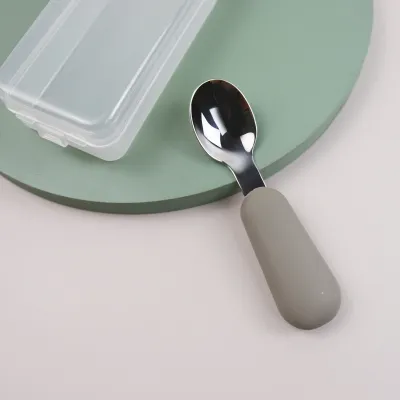
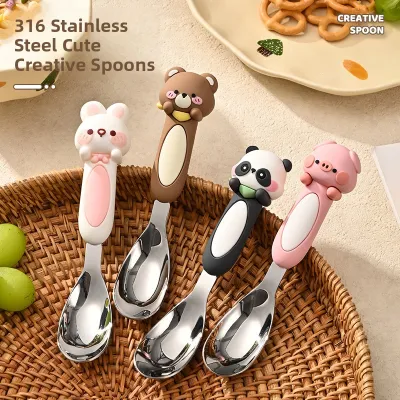
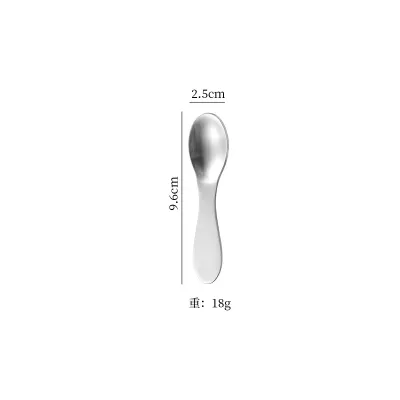
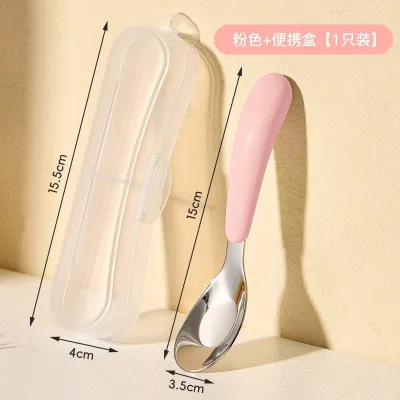
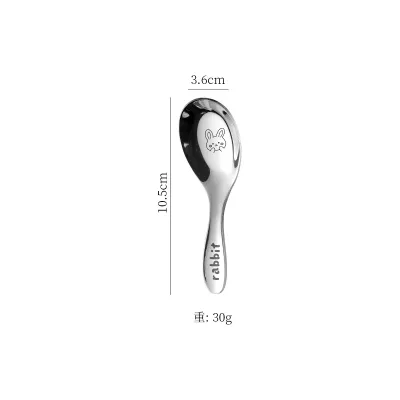
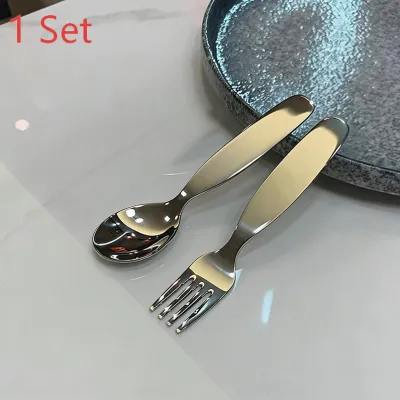
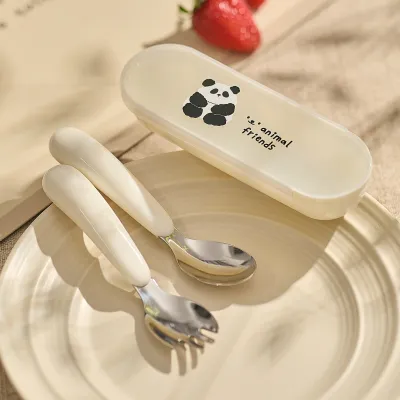
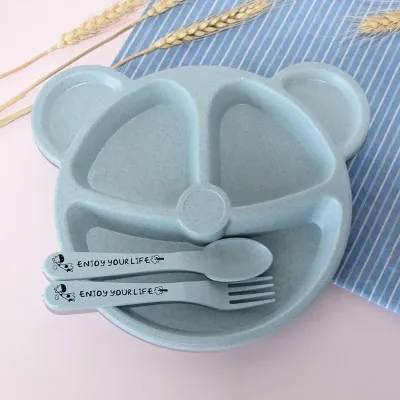
Prices are valid at publication and may change. Please refer to the product page for the latest price.
Age appropriateness is another essential factor to verify before making a purchase. Manufacturers design cutlery dimensions, weights, and shapes to match specific developmental stages, such as early weaning or self-feeding. Using a spoon designed for a toddler on a younger infant can lead to gagging or discomfort, so always check the recommended age range on the packaging.
Heat resistance limits and recommended sterilization methods must also be confirmed. Some materials can withstand boiling water or steam sterilizers, while others will warp, melt, or degrade under high temperatures. Checking these specifications ensures you do not accidentally damage the cutlery or compromise its structural integrity during routine cleaning.
Finally, learn to distinguish between vague marketing buzzwords and verifiable safety standards. Terms like “eco-friendly” or “natural” do not guarantee that a product is safe for infant feeding. Instead, focus on finding concrete material grades, manufacturer contact information, and compliance with recognized safety standards, which are typically printed on the back of the packaging.
Comparing Common Baby Cutlery Materials
Understanding the unique properties, benefits, and limitations of each material helps you choose the right tools for your baby’s current developmental stage. Different materials serve different purposes as your child transitions from purees to self-feeding.

Silicone and Stainless Steel
Food-grade silicone has become a highly popular choice for early weaning due to its soft, flexible texture. This material is gentle on sensitive, teething gums and minimizes the risk of accidental injury when a baby is learning to coordinate hand-to-mouth movements. When purchasing silicone cutlery, verify that the manufacturer specifies the use of food-grade or platinum-cured silicone, which does not contain fillers.
To ensure safe sterilization, check the specific heat resistance limits provided by the manufacturer. High-quality silicone can typically tolerate both high and low temperatures, making it compatible with boiling water, steam sterilizers, and dishwashers. However, verifying these limits on the product label prevents premature degradation of the material.
Stainless steel is an excellent, durable option for older babies and toddlers who are developing more advanced self-feeding skills. When selecting stainless steel cutlery, look for high-quality grades such as 304 or 316, which offer excellent rust resistance and durability. Inspect the tines of forks and the bowls of spoons to ensure all edges are completely smooth and rounded to protect your baby’s mouth.
It is important to remember that stainless steel cutlery is not microwave-safe. Placing metal items in a microwave can cause sparking, damage the appliance, and create a severe safety hazard. Additionally, stainless steel handles can conduct heat quickly, so always test the temperature of the cutlery before offering it to your child.
Bamboo and Wood
Bamboo and wooden cutlery are often chosen for their natural appearance and lightweight feel. However, these organic materials require diligent maintenance and careful inspection to remain safe for infant use. Before buying, check the surface coating ingredients to ensure the manufacturer used food-safe oils or resins rather than toxic varnishes or paints that could peel off over time.
Cleaning limitations are a major consideration for natural wood and bamboo products. These materials are highly susceptible to moisture damage and should never be placed in a dishwasher or left to soak in water for extended periods. Prolonged exposure to moisture causes the wood fibers to swell, warp, and eventually crack.
Cracks and splinters in wooden cutlery present both physical hazards and hygiene concerns. Food particles and moisture can easily become trapped inside these small crevices, creating an ideal breeding ground for bacteria and mold. Inspect wooden utensils thoroughly before every use, and discard them immediately if you detect any signs of splitting, rough patches, or dark mold spots.
Plastics and Melamine
Plastic cutlery is widely available, lightweight, and highly affordable, but it requires careful selection to ensure safety. When opting for plastic, look for specific, high-quality polymer identifiers such as polypropylene (PP) or Tritan. These plastics are known for their durability and heat resistance compared to cheaper alternatives, and they should always carry explicit BPA-free and BPS-free labels.
Heating restrictions are critical when using plastic or melamine utensils. Melamine, a hard plastic resin, can release chemical components when exposed to high temperatures or acidic foods. To minimize risks, never use plastic or melamine cutlery in the microwave, and avoid using them to serve extremely hot or high-fat foods, which can accelerate material breakdown.
Plastic cutlery is also prone to physical wear over time. Daily scraping against bowls and plates can create deep scratches on the surface of the plastic. These scratches are difficult to clean thoroughly and can harbor bacteria, while also making the material more susceptible to chemical leaching. Replace plastic utensils as soon as they show signs of deep scratching, discoloration, or a cloudy texture.
Red Flags and Materials to Avoid
When shopping for baby cutlery, knowing what to avoid is just as important as knowing what to look for. A primary red flag is any product that lacks clear material identification or manufacturer contact details. Avoid purchasing cheap, unbranded feeding utensils from unverified online marketplaces, as these products may not comply with safety standards and could contain undisclosed chemical additives.
Steer clear of vintage or heirloom cutlery unless you can verify its exact composition and safety. Older utensils may contain lead in their glazes, paints, or metal alloys, which poses a serious health risk to developing infants. Modern safety assurances are essential, so stick to newly manufactured products from reputable brands that openly share their material testing results.
Physical design flaws can also present significant safety hazards. Avoid cutlery with easily detachable decorative elements, small rubber grips that can be pulled off, or complex multi-piece designs. These small parts can easily become choking hazards if they detach during use. Additionally, avoid utensils with deep, unreachable crevices where food residue can accumulate and rot, even after thorough washing.
Caregiver supervision is a fundamental safety requirement during all feeding sessions, regardless of the cutlery material chosen. Never leave an infant unattended with utensils, as sudden movements can cause the cutlery to poke the eyes, throat, or nose. Ensuring a safe physical environment is just as crucial as selecting non-toxic materials.
Care, Cleaning, and When to Replace
Proper maintenance is key to extending the lifespan of baby cutlery and ensuring it remains hygienic for daily use. Always read and follow the manufacturer’s specific cleaning and sterilization guidelines. While some materials can handle steam sterilization, others may require gentle hand-washing with mild, fragrance-free dish soap to prevent chemical degradation.
Establish a routine for monitoring daily wear and tear on all feeding utensils. Inspect silicone spoons for small tears or bite marks, which can quickly expand and cause pieces of silicone to break off. For plastic items, look for surface cloudiness or deep scratches, and check wooden items for any signs of dryness or splintering. Treat these signs of wear as mandatory triggers for immediate replacement.
Proper storage is the final step in maintaining cutlery hygiene. After washing, ensure all utensils are dried completely with a clean towel or allowed to air-dry in a well-ventilated rack. Storing damp cutlery in closed drawers or airtight containers creates a humid environment that encourages the growth of mold and bacteria, particularly on natural materials like bamboo and wood.
Frequently Asked Questions (FAQ)
Can I put all baby cutlery in the dishwasher?
No, not all baby cutlery materials are suitable for dishwasher use. While high-quality silicone and stainless steel are generally dishwasher-safe, natural materials like bamboo and wood will warp and crack under the intense heat and moisture. Certain plastics can also degrade or leach chemicals when exposed to dishwasher detergents and high-temperature drying cycles. Always check the underside of the utensil or the original packaging for the dishwasher-safe symbol before washing.
Is it safe to microwave food in silicone baby bowls?
Many food-grade silicone bowls are labeled as microwave-safe and can withstand typical microwave temperatures. However, you must always verify the manufacturer’s specific temperature limits printed on the packaging. Additionally, avoid microwaving foods with high fat or sugar content in silicone containers, as these ingredients can reach extremely high temperatures very quickly, potentially exceeding the material’s safe limits and causing damage.

Community discussion
Share your experience or ask a question. Comments are reviewed before publication.