
Introducing solid foods is a landmark moment in your baby’s development, marking the transition from an all-liquid diet to a world of new textures and flavors. Preparing Nestle Cerelac Rice for your baby’s first solid meals requires careful attention to hygiene, precise mixing, and responsive feeding techniques. By understanding how to properly prepare this infant cereal, you can ensure a safe, nutritious, and positive introduction to solids.
To prepare the cereal safely, you must first verify your baby’s developmental readiness and consult your pediatrician. The preparation process involves using clean, sterilized utensils, mixing the dry cereal with a safe liquid—such as breast milk, infant formula, or cooled boiled water—and stirring thoroughly to achieve a smooth, lump-free consistency. Serving the meal involves seating your baby upright, offering tiny spoonfuls, and closely observing their cues to ensure they swallow safely and eat only until they are full.
Recognizing Your Baby's Readiness for Solid Foods
Before opening a package of infant cereal, it is essential to determine if your baby is developmentally ready to handle solid foods. Most infants reach this stage around six months of age, though individual development varies. You should look for specific physical milestones that indicate their digestive system and motor skills are mature enough for solids.
Products mentioned in this guide
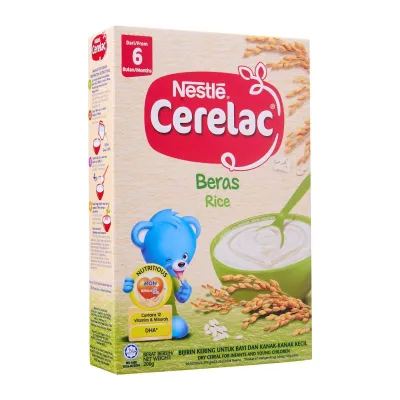
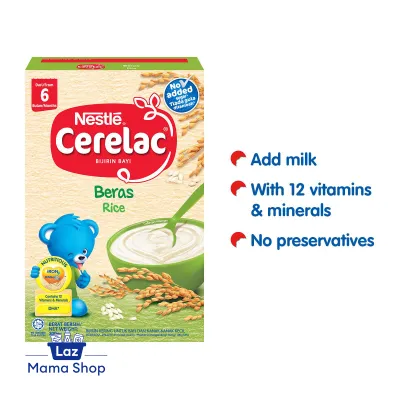
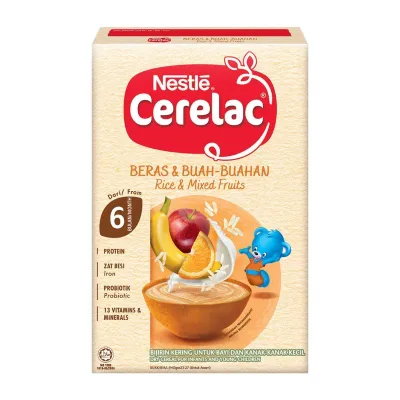
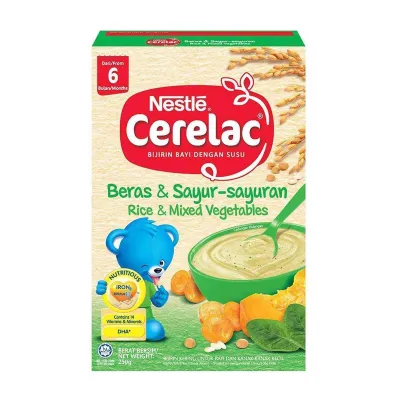
Prices are valid at publication and may change. Please refer to the product page for the latest price.
One of the most critical physical signs is the ability to sit upright with minimal support and maintain excellent head and neck control. A baby must be able to hold their head steady throughout a meal to swallow safely and prevent choking. If your baby still slumps over or cannot support their head, they are not yet ready for spoon-feeding.
You should also observe your baby’s behavioral cues and reflexes. A key indicator is the disappearance of the tongue-thrust reflex, which naturally causes young infants to push any solid object out of their mouth with their tongue. If you offer a tiny taste of food and your baby immediately pushes it out, this reflex is still active, meaning they are not quite ready. Conversely, showing active interest in your meals—such as watching you chew, reaching for your plate, or opening their mouth when food is nearby—suggests they are curious and ready to try.
Always consult your pediatrician before introducing any solid foods to your baby’s diet. This professional consultation is especially vital if your baby was born prematurely, has a history of allergies, or manages specific health conditions. Your pediatrician can provide personalized guidance on timing and verify that your baby’s growth and development align with starting solids.
Gathering Supplies and Verifying Package Instructions
Proper preparation begins with gathering the correct tools and carefully reading the manufacturer’s instructions on the packaging. Having everything ready beforehand allows you to focus entirely on hygienic preparation and safe feeding.

Select feeding tools designed specifically for infants. A soft-tipped, shallow silicone spoon is ideal because it is gentle on your baby’s sensitive gums and fits easily into their small mouth. Avoid metal spoons or deep plastic spoons, which can cause discomfort or deliver portions that are too large. You will also need a small, shallow, break-resistant bowl that is easy to hold and clean, along with a clean, flat surface for preparation.
Before mixing, locate the preparation instructions directly on your specific package of Nestle Cerelac Rice. Because formulations and recommended ratios can vary by region and product type, always rely on the packaging in your hands rather than general online advice. The instructions will specify the exact ratio of dry cereal to liquid, as well as the approved types of liquid, which typically include breast milk, infant formula, or safe drinking water.
Always inspect the packaging thoroughly before use. Check the expiration date printed on the box or tin to ensure the product is fresh and safe. Inspect the outer packaging and the inner foil seal for any signs of damage, punctures, or tears. If you notice any seal compromises or are aware of any active product recalls, do not feed the cereal to your baby; instead, contact the retailer or manufacturer for guidance.
Step-by-Step Mixing Instructions for a Smooth Texture
Achieving the correct consistency is vital for a baby who is learning to swallow something thicker than milk. A smooth, runny texture prevents gagging and helps your baby transition comfortably to solids.
Begin by washing your hands thoroughly with warm water and soap for at least twenty seconds. Ensure that your preparation area is clean and that all feeding utensils, including the bowl and spoon, have been thoroughly washed in hot, soapy water or sterilized according to standard infant care practices. Maintaining strict hygiene protects your baby’s developing immune system from harmful bacteria.
Prepare the liquid component of the cereal with care. If the package instructions call for water, boil fresh drinking water thoroughly and allow it to cool down to a lukewarm, safe temperature before mixing. If you are using breast milk or infant formula, prepare it according to your usual safe handling and temperature guidelines. Never use raw, unpasteurized milk or liquids that are not recommended by the manufacturer or your pediatrician.
To mix the cereal, pour the measured amount of lukewarm liquid into the clean bowl first. Gradually sprinkle the dry Nestle Cerelac Rice powder into the liquid while stirring continuously with a clean spoon. This gradual addition and constant stirring prevent the dry powder from clumping, ensuring a completely smooth, uniform puree. If the mixture appears too thick, you can add a small splash of liquid; if it is too runny, add a tiny pinch of dry cereal, keeping the final texture highly fluid for the first few attempts.
Before offering the cereal to your baby, always test the temperature and consistency. Place a small drop of the prepared mixture on the inside of your wrist. It should feel lukewarm or cool to the touch, never hot. Visually inspect the bowl to confirm there are no dry pockets or lumps that could cause your baby to gag.
Safe Feeding Techniques for the First Tastes
The first few feeding sessions are more about learning how to swallow and experiencing new sensations than consuming large volumes of food. Creating a calm, safe environment helps your baby build a positive relationship with eating.
Always seat your baby in a completely upright position in a secure high chair or an approved feeding seat. Proper posture is essential for safe swallowing and significantly reduces the risk of choking. Never attempt to feed your baby while they are reclining, lying down, or strapped into a car seat, as these positions make it difficult for them to control the food in their mouth.
Introduce the spoon slowly and gently. Dip the tip of the soft spoon into the prepared cereal, gathering a very small portion—no larger than a pea. Hold the spoon a few inches from your baby’s face, allowing them to see it and smell the food. Gently touch the spoon to their lower lip to encourage them to open their mouth. Once they open, place the spoon gently on the front of their tongue and let them draw the food off the spoon with their lips.
Pay close attention to your baby’s behavioral cues to determine when they are finished. Signs of fullness include turning their head away from the spoon, closing their mouth tightly, pushing the spoon away, or spitting the cereal out repeatedly. Respect these cues and stop feeding immediately; forcing a baby to finish the bowl can lead to overeating and create negative associations with mealtime.
Supervise your baby closely during and after the meal for any signs of discomfort or adverse reactions. Watch for immediate allergic reactions, such as hives, skin rashes around the mouth, swelling of the lips or face, vomiting, or sudden breathing difficulties. If you observe any of these symptoms, stop feeding immediately and seek professional medical care.
Adjusting Texture and Portions as Your Baby Grows
As your baby becomes more comfortable with the mechanics of swallowing, you can gradually adapt the preparation of Nestle Cerelac Rice to match their developing skills. This progression supports their oral motor development and prepares them for more complex foods.
Over several weeks, you can gradually transition from a very runny, liquid-like consistency to a thicker, paste-like texture. Achieve this by slowly reducing the proportion of liquid while slightly increasing the dry cereal, always following the manufacturer’s age-stage guidelines on the packaging. This gradual change encourages your baby to practice moving thicker food around their mouth and prepares them for chewing.
Portion sizes should also increase gradually based on your baby’s appetite and growth. Start with just one or two teaspoons of prepared cereal once a day, allowing them to get used to the routine. As their interest and digestive capacity grow, you can increase this to several tablespoons per feeding, eventually offering cereal twice a day, depending on their overall nutritional needs and pediatric recommendations.
Once your baby has successfully tolerated plain rice cereal for a week or two without any adverse reactions, you can begin introducing complementary pureed foods. You can mix small amounts of single-ingredient pureed fruits, vegetables, or proteins directly into the prepared cereal. Introduce only one new food at a time and wait several days before introducing another, allowing you to easily identify the source of any potential food sensitivities or allergies. Always consult your pediatrician before introducing new food groups to ensure a safe dietary progression.
Frequently Asked Questions (FAQ)
Can I store leftover prepared Cerelac Rice for the next meal?
No, you should never store or reuse leftover prepared Nestle Cerelac Rice that your baby has already started eating. When your baby feeds, saliva from their mouth travels via the spoon back into the bowl, introducing bacteria. These bacteria can multiply rapidly in the warm, moist environment of the prepared cereal, posing a food safety risk if served again. Always discard any uneaten portions immediately after the feeding session. To minimize waste, prepare only a very small portion for the first few meals. Unopened packages and dry, opened cereal should be stored in a cool, dry place, such as an airtight container, to protect the powder from humidity and contamination.
What should I do if my baby refuses the cereal or gags?
It is common for babies to refuse cereal or gag during their first few attempts at solid foods. Gagging is a normal, protective reflex that helps prevent choking by pushing food forward when it goes too far back in the mouth; it is different from choking, which is a silent emergency where the airway is blocked. If your baby gags frequently, the consistency may be too thick, so try adding more liquid to make it runnier. If your baby consistently refuses the spoon, turns away, or cries, do not force the feed. Take a break for a few days, ensure they are not overly tired or hungry when you try again, and maintain a relaxed, pressure-free environment to help them feel safe.

Community discussion
Share your experience or ask a question. Comments are reviewed before publication.