
Transitioning a toddler from a milk-dominant diet to solid family meals is a major milestone for parents in Singapore. During this second year of life, rapid physical growth and cognitive development demand a highly nutrient-dense diet. While preparing fresh, home-cooked meals is often the ideal path, busy schedules and active lifestyles mean that commercial toddler foods play a practical role in daily routines. Navigating the baby care aisles of local supermarkets or browsing online marketplaces can feel overwhelming given the sheer volume of options claiming to offer optimal nutrition. Finding products that truly support balanced growth requires looking past marketing buzzwords and understanding how to evaluate ingredients, nutritional profiles, and safety standards.
This guide provides a structured framework to help you assess commercial toddler food options available in Singapore. Rather than relying on generic recommendations, you will learn how to analyze nutritional labels, match food textures to your child’s developmental milestones, and verify the safety of products before they reach your toddler’s plate. By focusing on objective criteria, you can confidently select convenient options that complement your home-prepared meals and support your child’s long-term health.
Understanding Nutritional Shifts Across Toddler Stages
As infants cross the one-year mark, their nutritional requirements undergo a significant shift. The rapid, passive growth of infancy transitions into a phase of high physical activity, motor skill development, and cognitive exploration. Consequently, toddlers require more energy-dense foods relative to their body size, alongside a balanced distribution of macronutrients. Protein becomes increasingly important to support muscle development and tissue repair as toddlers learn to walk, run, and climb. However, because their stomach capacity remains small, these nutritional needs must be met through small, frequent, and nutrient-dense meals rather than large portions.
Products mentioned in this guide
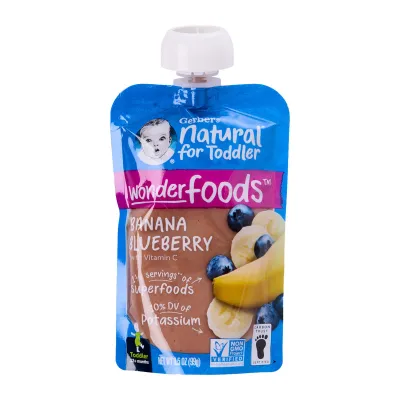
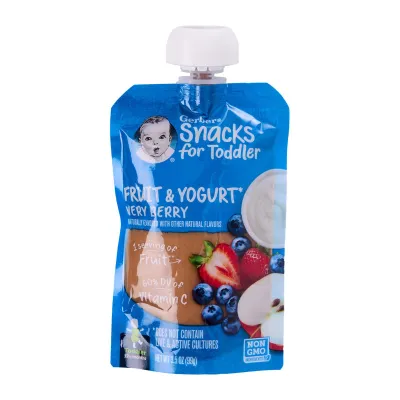
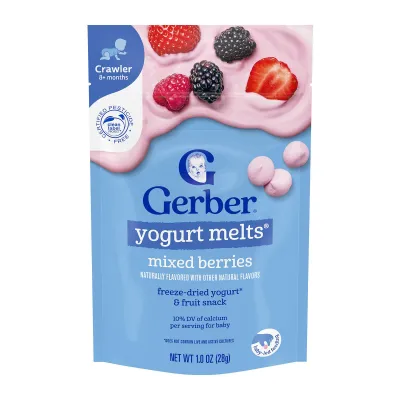
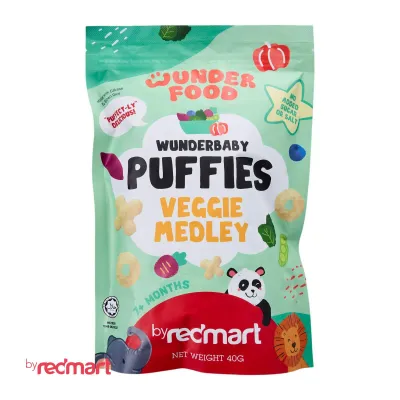
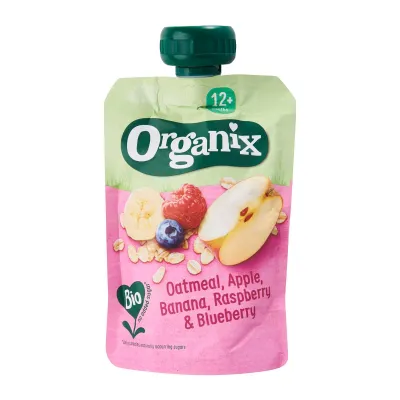
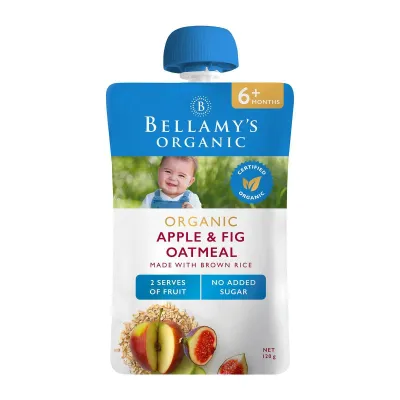
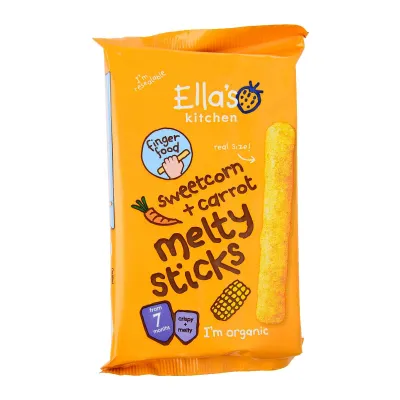
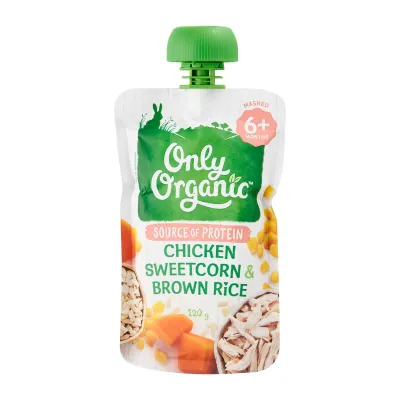
Prices are valid at publication and may change. Please refer to the product page for the latest price.
Micronutrients require careful attention during this developmental window. Iron remains a critical nutrient for brain development and cognitive function, yet many toddlers experience a drop in iron intake as they transition away from iron-fortified infant formulas or iron-rich purees. Calcium and vitamin D are equally vital during this period of rapid bone elongation and dental development. While milk remains a convenient source of calcium, relying too heavily on it can displace solid foods, potentially leading to dietary imbalances or iron deficiency. Commercial toddler foods, such as fortified cereals, grain-based snacks, and specialized meals, can help bridge these nutritional gaps when selected thoughtfully.
The transition from smooth infant purees to family-style meals is not just about nutrition; it is also a critical sensory and developmental process. Toddlers must learn to manage varied textures, move food around their mouths, and use their jaw muscles for chewing. Introducing a wide range of flavors and textures between 12 and 36 months helps prevent picky eating habits later in childhood. Commercial toddler foods are often designed to bridge this gap, offering intermediate textures like minced meals, soft chunks, and dissolvable finger foods that prepare your child for the family table.
Core Criteria for Evaluating Toddler Food Brands
When evaluating commercial toddler food brands, the ingredient list and nutrition information panel should always take precedence over front-of-pack marketing claims. One of the primary criteria to assess is the presence of added sugars and sodium. Toddlers have an innate preference for sweet tastes, which manufacturers sometimes exploit to make their products more appealing. However, pediatric dietary guidelines recommend avoiding added sugars entirely for children under two years of age, and keeping sodium intake minimal to protect developing kidneys and prevent a preference for overly salty foods. Check the nutrition panel for terms like sucrose, cane sugar, fruit juice concentrate, and sodium levels, aiming for products that rely on the natural flavors of whole ingredients.

Another essential criterion is the distinction between whole food ingredients and unnecessary fillers. High-quality toddler foods list recognizable, whole ingredients—such as vegetables, fruits, whole grains, and meats—at the very top of their ingredient lists. Be cautious of products that rely heavily on water, starches, or refined flours as primary ingredients, as these dilute the nutritional density of the food. Artificial preservatives, synthetic colors, and chemical flavor enhancers should be avoided entirely. Instead, look for brands that utilize gentle preservation methods, such as freeze-drying, cold-pressing, or thermal sterilization, which preserve both nutrients and natural flavors without chemical additives.
Finally, safety and regulatory compliance are non-negotiable when choosing food for your child. In Singapore, all imported and locally manufactured food products must comply with the strict standards set by the Singapore Food Agency (SFA). Parents should verify that the brands they purchase are sourced through reputable distributors who maintain proper cold chain storage and hygienic handling. It is also wise to periodically check official government health portals and food safety databases for any active product recalls or safety alerts. If a brand has a history of frequent recalls or fails to provide transparent sourcing information, it is best to choose an alternative.
Decoding Toddler Food Labels and Ingredient Lists
Reading a toddler food label requires a systematic approach to look past clever branding. By law, ingredients are listed in descending order of weight, meaning the first three to four ingredients make up the vast majority of the product. If a product is marketed as a “spinach and quinoa bowl” but lists apple puree and water as the first two ingredients, the actual vegetable and grain content may be minimal. Look for brands that provide clear percentage declarations for their key ingredients, allowing you to verify exactly how much of the advertised vegetable, fruit, or protein your child is actually consuming.
Identifying hidden sugars is one of the most challenging aspects of decoding labels. Manufacturers often use alternative names to disguise added sweeteners, making a product appear healthier than it is. Ingredients such as organic brown rice syrup, barley malt, agave nectar, coconut sugar, and fruit juice concentrates are still sugars that can contribute to tooth decay and establish unhealthy taste preferences. Similarly, watch out for flavor enhancers like yeast extract or hydrolyzed vegetable protein, which are sometimes added to mimic savory flavors in low-quality formulations. A clean label should consist of simple, recognizable whole foods that you would use in your own kitchen.
For toddlers with known food sensitivities or a family history of allergies, allergen declarations require meticulous inspection. Major allergens—such as milk, eggs, peanuts, tree nuts, soy, wheat, fish, and shellfish—must be clearly highlighted on the packaging, often in bold text or within a dedicated “contains” statement. However, parents must also pay close attention to precautionary allergen labeling, such as “may contain” or “processed in a facility that handles” statements. These warnings indicate a risk of cross-contamination during manufacturing, which can be critical for highly sensitive children. If your toddler has a diagnosed allergy, prioritize brands that manufacture in dedicated allergen-free facilities and carry certified allergen-free labels.
Matching Food Textures and Formats to Developmental Milestones
As your toddler grows, their oral motor skills develop rapidly, requiring a progression of food textures to support safe chewing and swallowing. Commercial toddler foods are available in various formats, each suited to specific developmental stages. For early toddlers who are still mastering the chewing motion, smooth purees with soft, tiny lumps or finely minced meals are appropriate. As their jaw strength improves, they can transition to soft, chewable chunks, diced vegetables, and tender meats. Matching the food format to your child’s current physical abilities is essential to prevent frustration and encourage positive eating experiences.
Choking hazards are a primary concern during this transitional phase, making texture evaluation a critical safety step. Certain shapes and textures, such as hard, round, or highly sticky foods, pose a significant risk to young children. When selecting commercial snacks like puffs, melts, or biscuits, look for products designed to dissolve rapidly in the mouth upon contact with saliva. Avoid giving toddlers whole nuts, large seeds, hard candies, or thick, sticky spreads directly from the jar. Always supervise your child closely during meals and snacks, ensuring they are sitting upright in a secured high chair or booster seat to minimize the risk of choking.
Integrating appropriate finger foods into your toddler’s diet is an excellent way to foster independence and develop fine motor skills. Self-feeding encourages hand-eye coordination and allows toddlers to explore the sensory properties of food, such as texture, temperature, and shape. Look for commercial finger foods that are easy for small hands to grasp, such as soft-baked grain bars, freeze-dried fruit pieces, or puffed grain sticks. These formats allow toddlers to practice the “pincer grasp” (using the thumb and index finger) while building the confidence needed to transition to eating the same meals as the rest of the family.
Sourcing and Verifying Toddler Foods Safely
In Singapore, parents have access to a wide variety of retail channels for purchasing toddler food, each offering distinct advantages. Major physical supermarkets and dedicated pharmacy chains are highly reliable options, as they typically source their inventory directly from authorized local distributors. This direct supply chain ensures that the products have been transported and stored under temperature-controlled conditions, preserving their nutritional value and preventing spoilage. Shopping in physical stores also allows you to physically inspect the packaging for dents, tears, or broken seals before making a purchase.
Online marketplaces and e-commerce platforms offer unmatched convenience, but they require extra vigilance from parents. When shopping online, prioritize official brand stores or authorized flagship sellers to avoid counterfeit or improperly stored products. Be cautious of third-party parallel importers who may not adhere to the same strict storage and transport standards required by local regulations. Read customer reviews carefully, looking for feedback regarding packaging quality, delivery speed, and product freshness. If a listing has consistently poor reviews or lacks clear information about the seller’s identity, it is safer to purchase from a verified source.
Regardless of where you purchase your toddler food, always perform a thorough inspection of the packaging immediately upon delivery or purchase. Check the expiration or “best before” date to ensure the product will be consumed well within its safe shelf life. Inspect pouches, jars, and boxes for any signs of damage, such as bloating, leaking, or compromised safety seals. Bloated pouches or unsealed jars are clear indicators of bacterial contamination and must be discarded immediately. If you notice any abnormalities in the color, smell, or texture of the food upon opening, do not feed it to your child and contact the manufacturer or retailer for a replacement.
Frequently Asked Questions (FAQ)
When should I transition my baby from infant formula or breastmilk to toddler milk and solid foods?
The transition toward a solid-food-dominant diet typically begins around 12 months of age, when most toddlers can obtain the majority of their nutrients from a varied diet of whole foods. At this stage, breastmilk or whole cow’s milk can continue to be offered as a complement to meals, rather than the primary source of nutrition. Physical signs of readiness include the ability to sit unsupported, chewing motions, and an interest in family foods. Because every child’s developmental timeline is unique, it is essential to consult your pediatrician or a pediatric dietitian to create a safe, personalized weaning and transition plan tailored to your toddler’s specific growth needs.
Are organic toddler food brands inherently more nutritious than conventional ones?
Organic certification refers to the agricultural practices used to grow the ingredients, such as avoiding synthetic pesticides and genetically modified organisms, rather than the final nutritional content of the food. An organic toddler snack can still be high in added sugars, sodium, or low-nutrient fillers. When choosing toddler food, prioritize the overall ingredient quality, sugar content, and macronutrient balance over organic labels alone. A conventional product made with whole grains, lean proteins, and no added sugar is a more nutritious choice than an organic product loaded with fruit juice concentrates and starches.
How can I manage food allergies when introducing new commercial toddler foods?
When introducing commercial toddler foods, especially those containing common allergens like dairy, soy, wheat, or nuts, introduce only one new ingredient at a time over a period of three to five days. This allows you to easily identify the source of any adverse reaction, such as hives, vomiting, or breathing difficulties. Always read the ingredient list and precautionary allergen warnings carefully, as formulations can change without notice. If your child shows any signs of an allergic reaction, stop using the product immediately and seek medical attention. For toddlers with a known high risk of allergies, consult a pediatrician before introducing new commercial foods.

Community discussion
Share your experience or ask a question. Comments are reviewed before publication.