
When childproofing a home in Singapore, securing cabinets and drawers is one of the most critical steps in preventing household accidents. Kitchens, bathrooms, and living areas contain numerous hazards, ranging from sharp utensils and heavy cookware to cleaning chemicals and fragile items. While many brands market their products as completely childproof, true reliability depends on matching the lock mechanism to your specific cabinet design and ensuring proper installation.
Selecting the right baby cabinet lock requires understanding how different mechanisms perform under daily use and how local environmental factors affect their durability. In Singapore’s warm, humid climate, adhesive performance can vary significantly compared to cooler, drier regions. By evaluating locks based on objective mechanical criteria, material compatibility, and installation requirements, you can establish a secure environment for your child without compromising the integrity of your furniture.
Key Criteria for Evaluating Cabinet Lock Reliability
To choose a reliable cabinet lock, parents must look beyond brand names and evaluate the physical design of the locking mechanism. A reliable lock must balance two competing demands: it must be challenging enough to defeat a toddler’s persistence and strength, yet simple enough for an adult to operate quickly, often with only one hand.
Products mentioned in this guide
![[SG ] [BUY8-FREE GIFT/SHIP] Baby Safety Cupboard Lock Wardrobe Drawer Fridge Lock Child Safe Cabinet Clips Door Stopper](https://img.lazcdn.com/g/p/220d3142abba66fec77ba13b63c7e817.jpg_400x400q80.jpg_.webp)

![[SG SELLER] [FREE/GIFT SHIPPING] Child Baby Safety Fabric Strap Lock Cupboard Drawer Cabinet Door Fridge Toilet Bowl](https://img.lazcdn.com/g/ff/kf/S3b85ade7209f4250a05642b8328de4685.jpg_400x400q80.jpg_.webp)
Prices are valid at publication and may change. Please refer to the product page for the latest price.
Magnetic Locks
Magnetic cabinet locks are installed entirely inside the cabinet or drawer, making them completely invisible from the outside. They rely on a powerful magnetic key held against the exterior of the door to disengage an internal latch. Because there are no visible parts, toddlers are not tempted to pull or play with the lock, which significantly increases its long-term reliability. However, the primary drawback is key management; if the magnetic key is misplaced, adults cannot access the cabinet without a spare or a high-powered magnet.
Adhesive Strap Locks
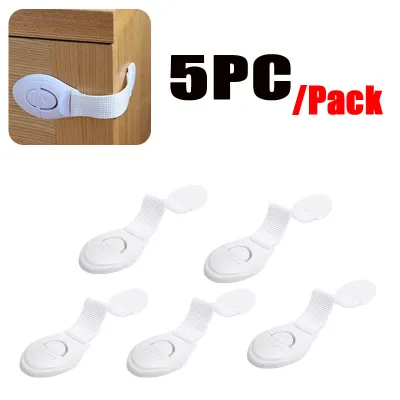
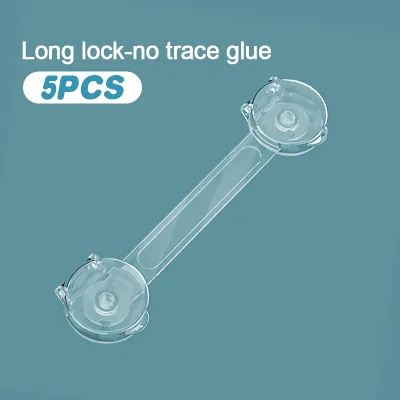
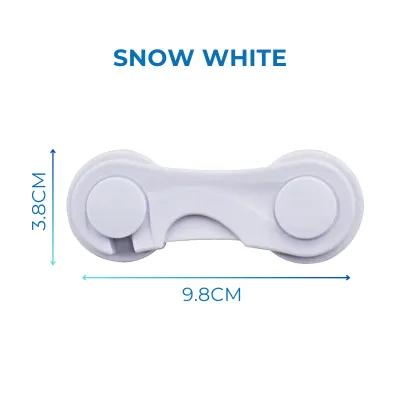
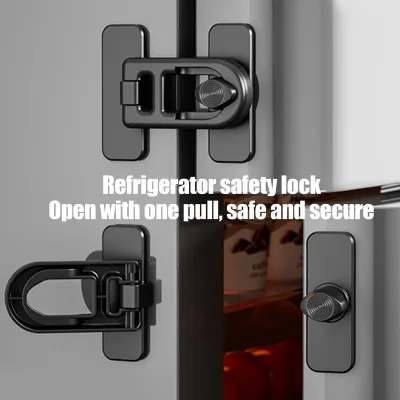
Adhesive strap locks consist of two plastic anchor points connected by a flexible plastic or fabric strap. They are mounted on the exterior of the furniture, wrapping around corners or bridging the gap between double doors. These locks are highly versatile and can be used on appliances like refrigerators and microwaves as well as standard cabinets. The main disadvantage is their high visibility, which often attracts a toddler’s attention. Over time, constant pulling and tugging can weaken the adhesive or stretch the strap, potentially creating a gap wide enough for small fingers to get pinched.
Spring Latches and Push-Button Locks
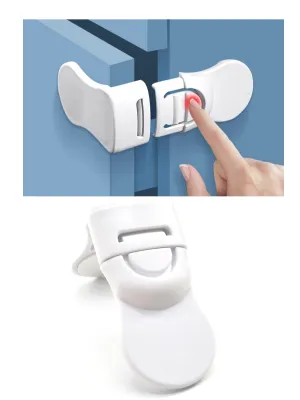
Spring-loaded latches are mounted inside the drawer or cabinet. When the drawer is opened slightly, the latch catches on a hook, preventing further movement. To open the drawer fully, an adult must press down on the flexible latch through the narrow gap. While cost-effective and simple, these locks allow the drawer to open slightly before catching. This gap can allow curious toddlers to slide their fingers inside, risking pinches or access to small items near the front of the drawer. Additionally, older toddlers often learn to press the latch down themselves if they observe the action repeatedly.
Evaluating Durability and Adult Access
When comparing these mechanisms, consider the quality of the plastics and springs used. Cheap, brittle plastics can snap under sudden force, especially if a toddler uses their body weight to pull a drawer open. Look for locks constructed from heavy-duty ABS plastic or nylon, which offer better impact resistance. The release mechanism should require a level of finger strength or coordination that a child under three years old has not yet developed, such as a dual-button squeeze or a slide-and-press motion.
Matching Lock Types to Your Cabinet Materials and Designs
Not every lock type is suitable for every piece of furniture. Installing the wrong lock can lead to immediate failure, rendering the childproofing ineffective, or cause permanent damage to expensive cabinetry finishes.

Cabinet Styles and Configurations
Modern homes often feature diverse cabinetry styles, from traditional solid wood to contemporary handle-less designs. Handle-less drawers and cabinets, which utilize push-to-open mechanisms, present a unique challenge. Exterior strap locks are difficult to mount cleanly on these flat surfaces without disrupting their function or appearance. For handle-less systems, internal magnetic locks are generally the most reliable choice because they do not interfere with the push-to-open hardware and remain completely hidden.
For double-door cabinets with handles or knobs, slide locks or cord locks that loop through the handles are highly effective. These require no adhesive or drilling, making them ideal for rental properties. However, they are only as secure as the handles themselves; if the cabinet handles are loosely screwed in, a toddler’s pulling force could rip the handle straight off the door.
Adhesive Compatibility and Singapore's Climate
The performance of adhesive-mounted locks is heavily influenced by the surface material and local environmental conditions. Singapore’s high relative humidity and ambient temperatures can cause standard rubber-based adhesives to soften, slide, or lose their grip over time. This is particularly true on porous surfaces like unfinished wood, or highly textured laminates where the adhesive cannot make full contact.
When selecting adhesive locks, look for products that utilize high-quality acrylic foam tapes, which offer superior resistance to moisture and temperature fluctuations. These adhesives bond exceptionally well to smooth, non-porous surfaces such as sealed wood, smooth melamine, glass, and metal. If you are securing cabinets in high-humidity zones like bathrooms or near kitchen stoves, adhesive locks are more prone to failure and require closer monitoring.
When to Choose Screw-Mounted Locks
While adhesive locks are popular because they do not damage furniture, they have physical limits. Heavy drawers containing heavy pots, pans, or ceramic tableware exert substantial outward force when pulled. If a toddler decides to use a drawer handle as a step to climb up, an adhesive lock will almost certainly fail under the vertical load.
In these high-risk scenarios, screw-mounted locks are highly recommended. Drilling small pilot holes and securing the lock with metal screws provides a mechanical connection that cannot be compromised by humidity, grease, or sustained pulling. While this leaves small holes inside the cabinet frame, it ensures a level of structural security that adhesives simply cannot match.
Installation and Maintenance Checks for Long-Term Safety
Even the highest-quality cabinet lock will fail if it is installed incorrectly or neglected over time. Proper installation and routine maintenance are essential to ensure the locks continue to protect your child as they grow stronger and more active.
Surface Preparation Steps
To achieve a reliable bond with adhesive locks, the mounting surface must be chemically clean. Kitchen cabinets often accumulate a thin, invisible layer of grease, cooking oil, and dust that prevents adhesives from bonding directly to the cabinet material.
- Clean the exact mounting area with isopropyl alcohol (rubbing alcohol). Avoid using standard household glass cleaners, multi-purpose sprays, or soapy water, as these often leave behind a chemical residue or film that weakens the adhesive bond.
- Wipe the surface dry immediately with a clean, lint-free microfiber cloth.
- Ensure the surface is completely dry and cool to the touch before proceeding. If the cabinet is warm from nearby cooking appliances, wait for it to cool down.
Applying and Curing the Adhesive
Once the surface is prepared, peel the protective backing from the adhesive pad, taking care not to touch the sticky surface with your fingers. Position the lock precisely, as repositioning an adhesive pad after contact will significantly reduce its ultimate bonding strength. Press the lock firmly against the cabinet surface for at least 30 seconds, applying even pressure across the entire adhesive area to activate the pressure-sensitive compound.
The most critical step in adhesive installation is the curing time. Do not test, pull, or use the lock immediately. Most high-quality adhesives require a full 24 hours to cure and reach their maximum bonding strength. Keep the cabinet unlocked or unused during this period to prevent any tension from disrupting the chemical bonding process.
Routine Inspection and Replacement Criteria
Childproofing is not a set-and-forget task. Toddlers grow rapidly, and their physical strength and problem-solving abilities increase month by month. Establish a monthly routine to inspect every cabinet lock in your home.
- Check for lifting edges on adhesive pads. If any corner of the adhesive begins to peel away from the cabinet surface, the lock's structural integrity is compromised and the adhesive pad must be replaced.
- Inspect plastic straps for signs of stress whitening, stretching, or hairline cracks.
- Test the spring tension on internal latches. If the latch does not snap back into its locking position instantly, it may fail to catch when the drawer is closed quickly.
- Verify that the locking mechanism still successfully resists your child's attempts. If your child has learned how to operate a specific lock, or if they have developed the strength to bypass it, stop using that lock immediately and transition to a more complex or heavy-duty mechanism.
What to Verify Before Purchasing a Specific Brand
When shopping for baby cabinet locks on online marketplaces or in local retail stores, you will encounter dozens of brands making similar safety claims. To identify truly reliable products, use a structured verification checklist rather than relying on promotional descriptions.
Verify Age and Developmental Limitations
Manufacturers design child safety locks with specific developmental stages in mind. Review the product documentation or packaging to identify the recommended age range. Some basic strap locks are only rated for infants up to 12 months old, while advanced magnetic locks are designed to withstand the physical force of toddlers up to 24 or 36 months. Ensure the lock you select matches your child’s current age, weight, and physical capabilities.
Look for Legitimate Safety Certifications
Reliable safety products are often tested against established international standards. When evaluating a brand, check if their products comply with recognized safety standards, such as the European standard EN 16948 (which specifies safety requirements and test methods for cupboard and drawer locking devices) or relevant ASTM standards. Compliance with these standards indicates that the lock has undergone rigorous testing for mechanical strength, durability, and chemical safety.
Analyze User Reviews for Real-World Performance
Online reviews can provide valuable insights into how a lock performs over time, but they must be analyzed critically. Filter reviews to look for specific feedback regarding:
- Adhesive Longevity: Look for comments from users living in tropical or humid climates to see if they experienced premature peeling.
- Mechanical Jamming: Check for reports of internal latches or magnetic mechanisms getting stuck in the locked position, which can trap essential items inside your cabinets.
- Completeness of Parts: Ensure reviewers do not frequently complain about missing magnetic keys, faulty installation templates, or incomplete hardware kits.
Frequently Asked Questions (FAQ)
Are magnetic cabinet locks safer than adhesive strap locks?
Magnetic cabinet locks generally offer a higher level of safety and toddler resistance because they are installed completely inside the cabinet, leaving no visible parts on the exterior. This design prevents toddlers from being tempted to pull, chew, or play with the lock. However, their safety depends entirely on key management. If the magnetic key is lost or left within a child’s reach, the system’s security is compromised. Adhesive strap locks, while highly visible and more likely to be targeted by a curious child, do not require a key and are highly versatile for securing appliances and non-standard cabinet corners.
How do I remove adhesive cabinet locks without damaging the wood?
To remove adhesive locks safely without peeling off paint, varnish, or wood laminate, you must soften the adhesive bond before attempting to pull it off. Use a hair dryer on a medium-heat setting to apply gentle heat directly to the plastic anchor pad for one to two minutes. Once the adhesive is warm and pliable, slide a piece of dental floss or thin fishing line behind the pad and use a sawing motion to cut through the softened adhesive layer. To clean up any remaining sticky residue, apply a small amount of mild adhesive remover, eucalyptus oil, or baby oil to a soft cloth and gently rub the area. Avoid using metal scrapers, harsh chemical solvents, or abrasive pads, as these can permanently scratch or strip the cabinet’s finish.

Community discussion
Share your experience or ask a question. Comments are reviewed before publication.