
Choosing a portable car seat for a toddler in Singapore involves identifying brands that offer certified, travel-friendly models backed by authorized local support. While several global manufacturers design lightweight, foldable, or compact seats, parents must verify each model’s compliance with local traffic laws and its physical fit for their child. Rather than relying on brand names alone, the most reliable approach is to evaluate specific safety certification labels, check for local distributor support, and physically test the seat’s installation in your primary modes of transport.
Navigating Singapore’s transport landscape—which often transitions between private cars, taxis, and ride-hailing services—makes portability highly desirable. However, safety must remain the primary filter. A truly recommended brand is one that does not compromise on structural integrity for the sake of convenience, and provides clear, accessible documentation to help parents install and use the seat correctly on every single journey.
What Defines a Portable Car Seat for Toddlers?
In the context of toddler travel, a portable car seat is specifically engineered to be lightweight, compact, and easy to transfer between vehicles. Unlike standard convertible car seats, which are heavy and designed to remain semi-permanently installed in a single family car, portable options prioritize rapid installation, manageable carrying weights, and space-saving dimensions. They are designed to accommodate the active lifestyle of families who rely on taxis, private hire vehicles, or frequent overseas travel.
Products mentioned in this guide
![[NEW] Maxi Cosi Nomad Plus Foldable Toddler Car Seat - 15M -4Y / 9kg - 18kg / 76 - 105 cm](https://img.lazcdn.com/g/p/f2a7fd1067ff7e20755010697c42ba39.jpg_400x400q80.jpg_.webp)
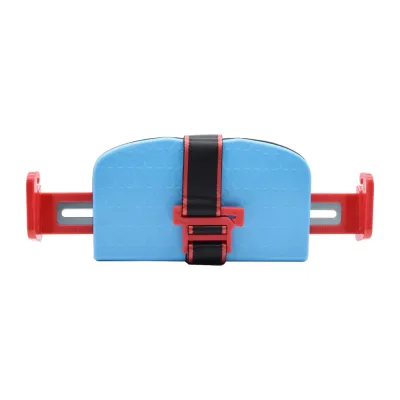
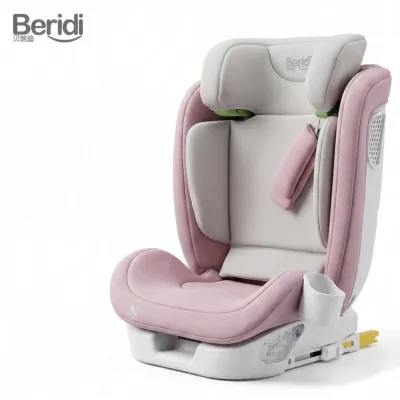
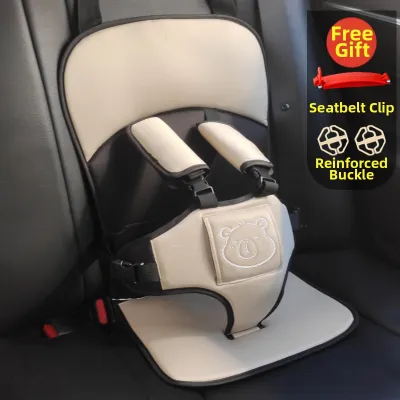
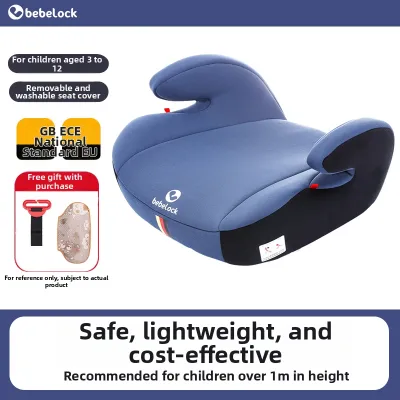
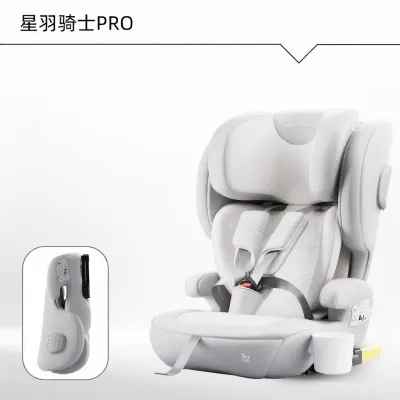
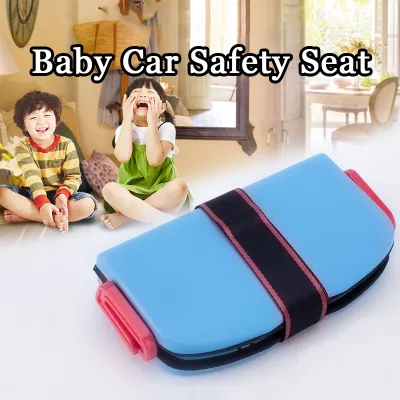
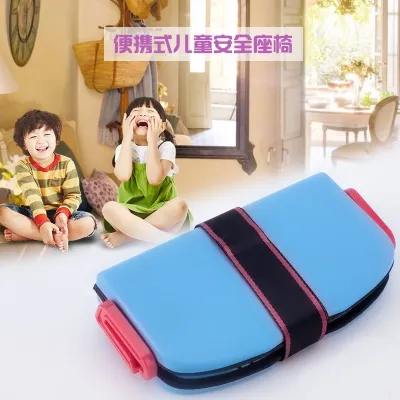
Prices are valid at publication and may change. Please refer to the product page for the latest price.
These seats generally fall into two main categories: lightweight rigid shell seats and foldable car seats. Lightweight rigid seats utilize high-strength, low-weight plastics or advanced materials to keep the overall weight low while maintaining a traditional seat structure. Foldable options feature integrated hinges that allow the backrest to fold down against the base, making them compact enough to fit into a standard taxi boot, a stroller basket, or even an airplane’s overhead cabin compartment.
However, achieving ultra-portability involves inherent design trade-offs that parents must carefully evaluate. To reduce weight and bulk, portable seats may feature thinner padding, less pronounced side-impact wings, or fewer recline positions compared to their heavy-duty counterparts. Some models may also omit ISOFIX connectors in favor of seatbelt-only installation systems to shed extra grams. Parents must weigh these trade-offs against their specific travel patterns and their child’s comfort during longer rides.
Furthermore, the term “toddler” covers a wide developmental range, typically spanning from around 12 months to 4 years of age. Portable seats designed for this demographic must feature robust restraint systems—usually a built-in five-point harness—rather than relying solely on the vehicle’s adult seatbelt. Before purchasing any portable seat, parents must consult the manufacturer’s official documentation to verify the exact weight, height, and age limits, as developmental readiness is critical for the seat to perform safely in an impact.
Safety Standards and Legal Requirements in Singapore
Operating a vehicle in Singapore requires strict adherence to child passenger safety laws. According to the Singapore Traffic Police and the Land Transport Authority (LTA), anyone under 1.35 metres in height must be secured with an approved child restraint system appropriate for their height and weight when traveling in private cars and private hire vehicles. Failing to secure a child properly is a legal offense and, more importantly, exposes the child to severe risk during sudden braking or collisions.

To ensure a portable car seat is legally compliant and safe, parents must look for recognized international certification labels permanently affixed to the seat’s shell. In Singapore, the most widely accepted standards are the European Union safety regulations, specifically ECE R129 (also known as i-Size) and the older ECE R44/04. These standards require rigorous crash testing, including frontal and rear impact assessments, and the newer R129 standard also mandates side-impact testing.
When inspecting a portable car seat, look for the distinctive orange approval label. This label contains crucial information, including the specific standard it complies with (e.g., ECE R129), the approved height or weight range, and a unique approval number. If a seat lacks this official label, or if the label is blurry, peeling, or missing key details, it should be avoided entirely, as it may be an uncertified counterfeit product that has not undergone standardized safety testing.
Using uncertified, expired, or second-hand portable car seats carries extreme risks. Car seats have a limited lifespan—typically between six and ten years from the date of manufacture—due to the natural degradation of plastic components and webbing over time. Second-hand seats are particularly hazardous because they may have been involved in a collision, which can cause invisible micro-fractures in the plastic shell or stretch the harness straps, rendering the seat incapable of protecting a child in a subsequent accident.
Matching the Seat to Your Toddler's Physical Needs
Selecting the right portable car seat requires matching the product’s specifications directly to your toddler’s current physical measurements. Safety standards categorize seats differently: older ECE R44/04 seats are grouped by the child’s weight, whereas newer ECE R129 (i-Size) seats categorize suitability based on the child’s height. Parents must measure their toddler accurately and compare these figures against the manufacturer’s stated limits, rather than relying on generalized age recommendations.
For toddlers, a five-point harness is the gold standard for safety and security. This system secures the child at the shoulders, hips, and crotch, distributing crash forces across the strongest bones of the body while keeping the child securely positioned within the protective shell of the seat. Active toddlers are prone to wriggling, and a properly adjusted five-point harness prevents them from escaping or shifting into unsafe positions during a journey.
Some portable seats utilize alternative restraint methods, such as impact shields or vehicle seatbelt positioning guides. While these systems can make the seat lighter and easier to pack, they may not provide the same level of containment or developmental support for a younger or highly active toddler. Parents should carefully evaluate whether their child has the physical maturity and behavioral discipline to remain safely positioned in a seat that does not utilize a dedicated five-point harness.
Additionally, parents must consider the orientation of the seat. While many portable car seats are forward-facing to minimize size and weight, keeping a toddler rear-facing for as long as possible is widely recommended by child safety experts. Rear-facing seats provide superior protection for a toddler’s fragile head, neck, and spine during a frontal collision. Always check the specific product manual to verify the maximum height and weight limits for both rear-facing and forward-facing configurations.
Evaluating Brand Reputation and Local Availability
When researching portable car seat brands in Singapore, verifying the authenticity of the product and the reliability of local support is essential. Purchasing from authorized local distributors or official brand stores ensures that you receive a genuine product that complies with local safety standards. It also protects you from counterfeit goods or grey-market imports that may not have been stored or transported under appropriate conditions, potentially compromising their structural integrity.
Authorized local distributors also provide crucial post-purchase support, including valid local warranties, access to replacement parts, and professional customer service. If a harness buckle becomes sticky, or if a fabric cover needs replacing, an authorized dealer can supply genuine manufacturer parts. Attempting to source third-party replacement parts or using a seat with a compromised component can severely impact the seat’s safety performance.
Before finalizing a purchase, parents should proactively check for global and local safety recalls. Reputable brands maintain transparent recall databases on their official websites, allowing consumers to enter their seat’s serial number and manufacturing date to check for any safety notices. You can also monitor updates from local consumer protection agencies and international safety organizations to ensure the brand you are considering has a clean safety record.
While budget is an important factor for many families, safety certifications and local support must never be compromised to save money. Portable car seats available in Singapore span a wide range of prices, with premium models often featuring advanced lightweight materials, simpler installation mechanisms, or more compact folding designs. Frame the purchase in S$ as a long-term investment in your child’s safety, prioritizing certified compliance and verified local support over the lowest price tag.
Pre-Purchase and Pre-Trip Inspection Checklist
To ensure your chosen portable car seat is safe to use, perform a thorough physical inspection in-store before purchasing, and conduct operational checks before every single journey. This disciplined approach helps identify potential manufacturing defects, installation errors, or wear and tear before they can compromise your child’s safety.
In-Store Physical Inspection
- Verify the Manufacturing Date: Locate the tracking label or sticker on the seat shell to confirm the date of manufacture. Avoid purchasing seats that have already spent several years in storage, as this reduces their remaining useful lifespan.
- Inspect the Harness and Buckle: Fasten and unfasten the harness buckle multiple times. The mechanism should click securely into place and release smoothly without sticking or requiring excessive force.
- Test the Installation System: If the seat features ISOFIX connectors, extend and retract them to ensure they lock smoothly. If it is a seatbelt-installed model, locate the belt path and ensure it is clearly marked and free of sharp edges that could fray the vehicle's seatbelt.
- Check the Certification Label: Confirm the presence of a genuine, legible orange ECE R129 or ECE R44/04 approval label permanently attached to the seat.
Pre-Trip Operational Checks
- Confirm the Recline Angle: Ensure the seat is installed at the correct angle specified in the manual for your toddler's developmental stage, preventing their head from flopping forward.
- Perform the Pinch Test: Once your toddler is buckled in, try to pinch the harness webbing at their collarbone. If you can pinch any excess fabric between your fingers, the harness is too loose and must be tightened.
- Test the Installation Tightness: Grasp the car seat near the belt path or ISOFIX anchors and give it a firm tug. The seat should not move more than 2.5 centimetres (one inch) in any direction.
- Check for Twisted Straps: Ensure the harness straps lie flat against your child's body without any twists, which can concentrate crash forces and cause injury.
Clear Stop Conditions
Immediately discontinue the use of a portable car seat and consult the manufacturer or a certified child passenger safety professional if you encounter any of the following conditions:
- The seat has been involved in a vehicle collision of any severity.
- The harness webbing shows signs of fraying, cutting, or severe discoloration.
- The plastic shell exhibits stress marks, hairline cracks, or deep gouges.
- The manufacturer's expiration date has passed, or the tracking label is missing.
- The harness buckle fails to lock securely or releases unexpectedly.
Frequently Asked Questions (FAQ)
Can I use a portable car seat in a taxi or private hire car in Singapore?
In Singapore, public taxis are legally exempt from the child restraint requirement, meaning passengers under 1.35 metres are permitted to travel without a car seat, though doing so is highly discouraged from a safety perspective. However, private hire cars (such as ride-hailing services) are classified as private vehicles and enjoy no such exemption; toddlers traveling in these vehicles must be secured in an approved child restraint system. A portable car seat is an excellent solution for these trips. For quick and safe roadside installation, look for a model that can be secured rapidly using the vehicle’s three-point seatbelt, as not all private hire vehicles have easily accessible ISOFIX anchors. Practicing the installation process at home beforehand will help you secure the seat quickly and confidently on the street.
Are inflatable or backless portable seats safe for toddlers?
Inflatable seats and backless booster seats are generally unsafe and unsuitable for toddlers. Toddlers do not have the skeletal development, bone density, or behavioral maturity required to use restraints designed for older children. Backless boosters rely on the vehicle’s adult seatbelt, which can ride up over a toddler’s soft abdomen or neck, causing severe internal injuries in a crash. Toddlers require a full high-back seat equipped with a dedicated five-point harness to properly distribute impact forces and keep their fragile head, neck, and spine aligned. Always verify that any portable seat you consider is explicitly certified with a built-in harness system approved for your toddler’s specific weight and height category.
How do I clean a portable car seat without compromising its safety?
To clean a portable car seat safely, you must strictly follow the manufacturer’s care instructions located on the product label or in the user manual. Never use harsh chemical detergents, bleach, or abrasive solvents, as these substances can degrade the structural integrity of the plastic shell and weaken the fabric fibers. The harness straps require extra care; never submerge them in water, machine wash them, or use heavy soaps, as this can strip away vital flame-retardant treatments and compromise the strength of the webbing. Instead, gently wipe the straps with a damp cloth and mild soap if permitted by the manufacturer, and allow them to air dry completely away from direct sunlight.

Community discussion
Share your experience or ask a question. Comments are reviewed before publication.