
Introducing solid foods is a significant milestone in your baby’s developmental journey, marking a transition toward diverse textures and essential nutrients. Potatoes are a popular choice for early weaning due to their mild flavor, smooth blending properties, and easy digestibility. In Singapore, parents have access to a wide array of imported organic baby foods, but navigating the shelves can be overwhelming. Choosing the right organic potato baby food requires a clear understanding of product formats, ingredient standards, and local retail options.
By focusing on systematic evaluation criteria rather than marketing claims, you can select products that align with your baby’s specific developmental stage. This guide provides a practical framework for assessing organic potato baby food brands available in Singapore, helping you make informed decisions at the grocery store or when shopping online.
Deciding on the Right Potato Baby Food Format
Potato-based baby foods come in several distinct formats, each serving a different purpose as your baby grows. Smooth purees and convenient squeeze pouches are typically the first entry point for infants starting solids, usually around six months of age. These products offer a highly consistent, lump-free texture that is easy for beginners to swallow, helping them get used to swallowing non-liquid foods. Pouches are particularly popular in Singapore for their portability during family outings, though caregivers should ensure they feed the puree from a spoon rather than letting the baby suck directly from the nozzle to support proper oral motor development.
Products mentioned in this guide
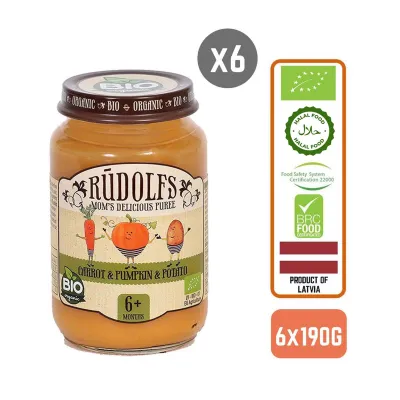
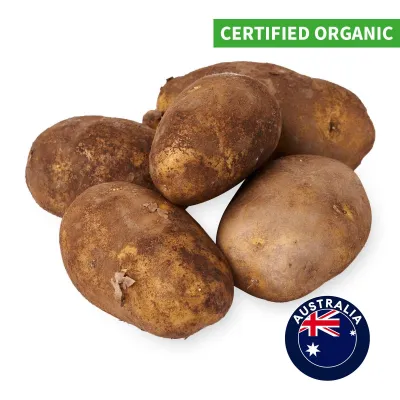
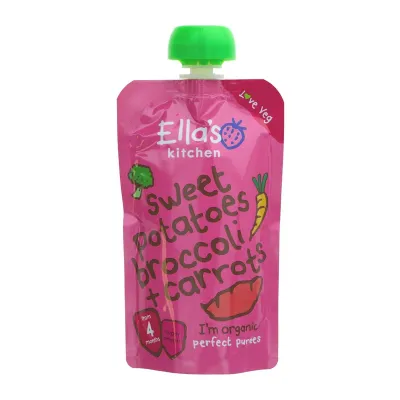
Prices are valid at publication and may change. Please refer to the product page for the latest price.
As your baby progresses to self-feeding and develops their pincer grasp—typically between eight and ten months—alternative formats like baked potato puffs, melts, and dried potato flakes become highly relevant. These finger foods encourage active chewing and hand-eye coordination. Many organic potato puffs are formulated to dissolve quickly when mixed with saliva, making them a manageable option for babies who are still learning to manage solid pieces.
However, each format comes with specific trade-offs that parents must weigh carefully. While purees and pouches offer convenience, relying on them too long can delay a baby’s acceptance of textured foods. Conversely, dried formats and baked snacks, while excellent for motor skill practice, are more processed and may contain added starches, flours, or natural flavorings to maintain their structural integrity and shelf life. Caregivers must evaluate these formats based on their baby’s current chewing ability and overall dietary variety.
Core Criteria for Evaluating Organic Baby Food Brands
When comparing organic potato baby food brands on Singapore shelves, ingredient transparency should be your primary filter. High-quality purees should feature a very short, clean ingredient list, ideally consisting only of organic potato and water. Be cautious of multi-ingredient blends that use potato as a base but add unnecessary fillers, thickeners like cornstarch, or added sodium and sugars. While blending potato with other organic vegetables like carrots, sweet potatoes, or peas is an excellent way to introduce complex flavors, the label should clearly state the proportions of each ingredient.

Beyond the organic label, analyzing the nutrition information panel is essential for understanding the product’s actual dietary value. Potatoes naturally provide carbohydrates, potassium, and moderate amounts of vitamin C, but processing methods can alter these levels. Check the sodium content carefully; baby food should have no added salt, as an infant’s kidneys are not yet mature enough to process high sodium levels. Additionally, compare the sugar content per serving, especially in blends that combine potatoes with sweet fruits, to ensure your baby is not consuming excessive natural sugars early in life.
Packaging integrity and material safety represent another critical evaluation pillar. Ensure that any plastic pouches or containers are explicitly labeled as BPA-free (Bisphenol A) to prevent chemical leaching, particularly if the food is warmed in the packaging. For glass jars, inspect the safety button on the metal lid before purchasing; it should be firmly depressed, indicating that the vacuum seal is intact. If you are purchasing squeeze pouches, check that the plastic cap is securely sealed and has not been tampered with, as compromised packaging can lead to rapid bacterial growth and spoilage.
How to Verify Organic Certifications on Baby Food Labels
Because Singapore imports the vast majority of its baby food products, parents must familiarize themselves with international organic certification standards. The most common seals you will encounter include the USDA Organic logo from the United States, the EU Organic leaf symbol from Europe, and the Australian Certified Organic (ACO) bud logo. These certifications guarantee that the ingredients were grown without synthetic pesticides, chemical fertilizers, or genetically modified organisms (GMOs), adhering to strict environmental and agricultural standards.
It is important to distinguish between different levels of organic labeling, as marketing terms can sometimes be misleading. A product displaying an official organic seal generally contains at least 95% certified organic ingredients by weight. On the other hand, products labeled “made with organic ingredients” typically contain between 70% and 95% organic components, with the remaining ingredients subject to strict safety guidelines but not fully certified organic. Always read the ingredient list on the back of the packaging, where certified organic items are usually marked with an asterisk.
To verify the validity of an organic claim, look for the certification body’s name or code number, which is typically printed near the ingredient list or the manufacturer’s address. For added assurance, you can cross-reference these details on the official databases of the respective certifying organizations. Additionally, under Singapore food regulations, imported prepackaged foods must bear a label indicating the name and address of the local importer. Checking this importer label can help you confirm that the product has entered the country through official, regulated channels.
Comparing Common Potato Baby Food Formats
To help you decide which format best suits your baby’s current developmental stage, the table below compares the primary options available in the market. Always verify specific product labels against your baby’s individual feeding progress and consult your pediatrician if you are unsure about introducing new textures.
| Format | Texture Profile | Ideal Age/Stage | Prep Time | Storage Requirements |
|---|---|---|---|---|
| Purees & Pouches | Smooth, uniform, and liquid-to-semi-solid | Early weaning (6+ months) | None (ready to serve) | Refrigerate after opening; consume within 24-48 hours |
| Dried Powders / Flakes | Fine powder; reconstitutes to a smooth mash | Transitional feeding (7+ months) | 1-2 minutes (mix with warm water/milk) | Store in a cool, dry place; seal tightly after opening |
| Baked Snacks (Puffs/Melts) | Dry, porous, and quick-dissolving | Self-feeding & pincer grasp (8+ months) | None (ready to serve) | Store in an airtight container; highly sensitive to humidity |
Where to Source Organic Baby Food in Singapore
Finding authentic organic potato baby food in Singapore is highly convenient if you know where to look. Major local supermarket chains, particularly premium outlets and those with dedicated organic aisles, carry a reliable selection of reputable international brands. Prices typically range from S$3 to S$6 per pouch, depending on the brand and ingredients. Specialized mother-and-baby retail stores across the island also stock curated ranges of organic baby foods, often sourcing unique brands that may not be available in mainstream supermarkets. These physical stores allow you to inspect the packaging integrity and expiry dates directly before making a purchase.
For parents who prefer the convenience of home delivery, online marketplaces and official brand flagship stores are excellent resources. When shopping online, it is highly recommended to purchase directly from official flagship stores or authorized local distributors. This practice ensures that the products have been transported and stored under temperature-controlled conditions, which is crucial for preserving the nutritional quality and safety of organic baby food in Singapore’s warm, humid climate.
When purchasing from online marketplaces or parallel importers, extra vigilance is required. Always check the product description for clear expiry dates and inspect the physical item upon delivery. Ensure the product has an English-language ingredient list and a local importer contact label, as required by the Singapore Food Agency (SFA). If your family observes specific dietary requirements, such as Halal compliance, look for recognized Halal certification logos on the packaging, which are common on products imported from neighboring regions or certified globally.
Safe Introduction and Serving Practices for Potato Foods
While potatoes are generally considered a low-risk, hypoallergenic food, introducing any new ingredient to your baby’s diet requires careful observation. When offering potato baby food for the first time, use the “three-day rule”: serve potato as a single-ingredient food for three consecutive days without introducing any other new foods. This approach makes it much easier to identify the source of any adverse reaction, such as skin rashes, hives, vomiting, or digestive discomfort. If you observe any of these symptoms, stop feeding the product immediately and seek advice from a qualified healthcare professional.
Proper storage and hygienic handling are critical to preventing foodborne illness, especially given Singapore’s high ambient humidity and temperature. Once a jar or pouch of potato puree is opened, it must be stored in the refrigerator immediately and consumed within the manufacturer’s recommended timeframe, which is typically 24 to 48 hours. Never feed your baby directly from the jar or pouch if you intend to save the remainder for a later meal; saliva from the spoon introduces bacteria into the food, which can multiply rapidly even under refrigeration. Instead, portion the desired amount into a clean bowl and discard any leftovers from that serving.
As your baby transitions to textured potato formats like puffs or mashed potato blends, active caregiver supervision is mandatory. Ensure your baby is sitting completely upright in a high chair during meals to minimize the risk of choking. Be prepared to stop feeding and consult a pediatrician if your baby consistently struggles with swallowing, exhibits persistent gagging, or shows signs of food aversion. Every baby develops at their own pace, and matching the food texture to their physical readiness is key to a safe and positive weaning experience.
Frequently Asked Questions (FAQ)
Can I make my own organic potato baby food at home?
Yes, preparing homemade organic potato baby food is a highly practical and cost-effective option. To do this, purchase certified organic potatoes from local markets, peel them thoroughly to remove any green spots or sprouts, and steam or boil them until they are completely tender. You can then mash them with a fork or blend them with a little breast milk, formula, or warm water to achieve the desired consistency. While homemade food allows you to control the exact ingredients and texture, it lacks the shelf life of commercial options; it must be served immediately, refrigerated for no more than 24 hours, or frozen in small, airtight portions for up to one month.
Are organic potato snacks safe for babies with no teeth?
Many organic potato puffs and melts are specifically designed to dissolve rapidly when they come into contact with a baby’s saliva, making them manageable for infants who do not yet have teeth. These snacks allow babies to practice gumming their food and developing their pincer grasp. However, teeth are not the only requirement for safe eating; your baby must also show signs of developmental readiness, such as the ability to sit upright unsupported and hold their head steady. Always supervise your baby closely during snack time, feed them one piece at a time, and verify that the product’s age and texture recommendations align with your baby’s current stage.

Community discussion
Share your experience or ask a question. Comments are reviewed before publication.