
Selecting the right toddler snack brands in Singapore involves looking beyond eye-catching cartoon characters and bold health claims on the packaging. As toddlers transition from infancy to active childhood, their nutritional requirements change rapidly, demanding foods that support rapid growth while being easy to chew and digest. Finding a trustworthy brand means learning how to evaluate ingredient lists, verify age-appropriateness, and understand how commercial snacks fit into a balanced daily diet. This guide provides a structured framework to help you navigate the local retail landscape, assess product safety, and make informed choices for your child’s daily nutrition.
Understanding Toddler Nutritional Needs for Snacking
Toddlers aged one to three are in a unique developmental phase characterized by rapid physical growth, high energy expenditure, and relatively small stomach capacities. Because their stomachs are about the size of their clenched fists, they cannot consume enough food in three main meals to meet their daily energy and nutrient requirements. Consequently, planned snacks play a vital role in their daily diet, contributing up to a third of their total daily nutrient intake. Rather than viewing snacks as occasional treats, parents should treat them as mini-meals designed to deliver essential vitamins, minerals, and macronutrients.
A toddler’s daily diet should ideally focus on nutrient density, ensuring that every calorie consumed supports healthy development. Key nutrients that often require careful attention during these early years include calcium for bone development, iron for cognitive growth, and dietary fiber to support healthy digestion. When selecting commercial snacks, look for options that naturally contribute to these nutritional goals rather than relying solely on empty calories from refined starches or simple sugars.
Products mentioned in this guide
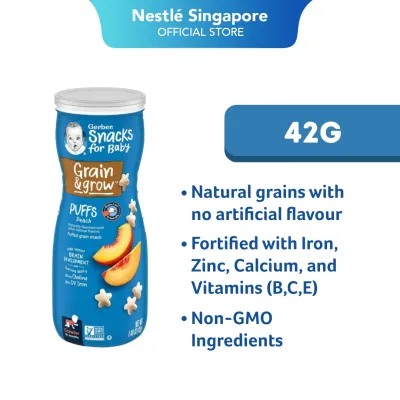
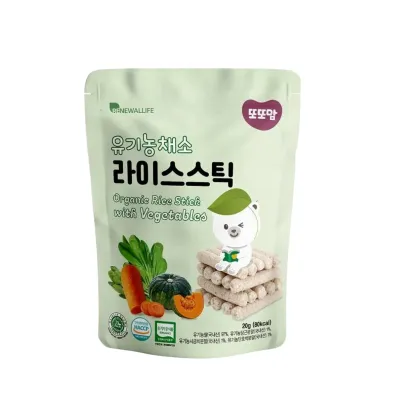
Prices are valid at publication and may change. Please refer to the product page for the latest price.
Developmental milestones also dictate the appropriate textures and shapes of snacks. Around twelve months of age, many toddlers are refining their pincer grasp and learning to chew foods with varying textures. However, their oral motor skills are still developing, making them susceptible to choking. Snacks must be soft enough to be easily mashed between the gums or tongue and the roof of the mouth. Avoid hard, round, or highly sticky foods, and always verify that a snack’s physical properties align with your child’s current chewing and swallowing capabilities.
Key Criteria for Evaluating Toddler Snack Brands
Evaluating toddler snack brands requires a systematic approach that prioritizes ingredient quality and sourcing transparency. The most reliable brands are those that prioritize whole-food ingredients, listing items like whole grains, real fruits, or vegetables at the very top of their ingredient lists. Sourcing transparency is equally important; reputable manufacturers often provide clear information about where their ingredients are grown and how they are processed, giving parents peace of mind regarding potential contaminants.

Another critical criterion is the strict limitation of added sugars, sodium, and artificial additives. Toddlers have an innate preference for sweet tastes, but introducing high amounts of added sugars early in life can establish unhealthy flavor preferences and increase the risk of dental cavities. Check the ingredient list carefully for hidden sugars, such as cane sugar, brown rice syrup, or concentrated fruit juices. Similarly, sodium levels should be kept to a minimum to protect developing kidneys and prevent a preference for overly salty foods. Artificial colors, synthetic flavors, and chemical preservatives should ideally be entirely absent from toddler snacks.
When comparing brands, it is also useful to evaluate fortification claims against naturally occurring nutrient profiles. Many commercial snacks are fortified with synthetic vitamins and minerals to make them appear healthier on the label. While fortification can be beneficial in preventing specific deficiencies, nutrients derived naturally from whole-food ingredients are generally more bioavailable and encourage a healthier relationship with whole foods. Prioritize brands that achieve their nutritional value through the use of real, minimally processed ingredients rather than heavy synthetic fortification.
Allergen management is another essential factor, particularly for families with a history of food allergies or children with known sensitivities. Trustworthy brands maintain strict protocols to prevent cross-contamination in their manufacturing facilities. Look for clear labeling that indicates whether products are processed on dedicated allergen-free lines or if there is a risk of trace exposure to common allergens such as gluten, dairy, soy, peanuts, or tree nuts. Transparent allergen declarations are a hallmark of a brand that prioritizes child safety.
Navigating Nutrition Labels and Marketing Claims
Deciphering the front-of-pack marketing claims on toddler snacks can be challenging, as terms like “natural” or “made with real fruit” are often used loosely. To make truly informed decisions, parents must learn to look past these promotional phrases and focus directly on the nutrition information panel and the ingredient list. For instance, a product labeled “no added sugar” may still contain high concentrations of fruit juice concentrate or purees. While these sugars are technically naturally occurring, they are highly concentrated and lack the beneficial fiber of whole fruit, presenting similar risks to dental health and blood sugar levels as refined sugars.
Savory snacks, such as toddler crackers, puffs, and veggie straws, require close inspection for hidden sodium and flavor enhancers. Manufacturers sometimes add small amounts of salt, yeast extract, or savory seasonings to make these products more appealing to young palates. Compare the sodium content per serving across different brands and select the option with the lowest level. Additionally, ensure that the serving size listed on the panel matches the amount your child actually consumes, as nutritional values can accumulate quickly if a toddler eats more than the recommended serving.
Age-appropriateness markers on packaging are another critical element to verify. These markers are often based on developmental stages, such as “crawling,” “standing,” or “walking,” rather than age alone. However, because children develop at different rates, these indicators should only serve as a starting point. Parents must observe their child’s actual chewing and swallowing abilities to determine if a specific snack shape or texture is safe. If a product seems too hard or does not dissolve quickly in the mouth, it is best to delay its introduction regardless of the age suggestion on the box.
Misleading marketing terms can easily obscure a product’s true nutritional profile. A snack box decorated with images of fresh spinach and kale may contain only a tiny fraction of vegetable powder, with the primary ingredients being potato starch, palm oil, and salt. To avoid these marketing traps, always read the ingredient list in order of weight, from highest to lowest. If the advertised vegetable or fruit appears near the end of the list, the snack is unlikely to provide the nutritional benefits of the actual food.
Building a Balanced and Safe Snack Routine
Integrating commercial toddler snacks into a healthy daily routine requires a thoughtful approach that balances convenience with whole-food nutrition. While commercial snacks offer excellent portability and convenience when you are out and about in Singapore, they should not entirely replace fresh, whole foods. A highly effective strategy is to pair a portion of commercial snacks with fresh options. For example, you can serve a small handful of toddler puffs alongside fresh cucumber slices, soft banana pieces, or a spoonful of plain, unsweetened yogurt. This combination boosts the overall fiber, vitamin, and mineral content of the snack while introducing diverse textures.
Portion control and timing are also essential to protect your child’s appetite for main meals. Toddlers have small appetites that are easily satisfied by snacks, which can lead to mealtime refusal if snacks are offered too close to lunch or dinner. Establish a consistent routine where snacks are served at least two hours before a main meal. This gap allows your child to build up a healthy appetite, making them more receptive to trying a wider variety of foods during family meals. Avoid letting your child graze on snacks throughout the day, as constant snacking can disrupt their natural hunger and fullness cues.
Active supervision is a non-negotiable safety requirement during snack times, regardless of how safe or dissolvable a snack claims to be. Always ensure your toddler is seated upright in a high chair or a stable chair while eating, and never allow them to eat while running, playing, or riding in a stroller. Distracted eating significantly increases the risk of choking. Keep a close eye on your child throughout the snack, watching for any signs of difficulty chewing or swallowing, and be prepared to intervene immediately if necessary.
When introducing a new brand or a snack containing a novel ingredient, it is important to monitor your child for any signs of an allergic reaction or food intolerance. Introduce only one new snack at a time, and offer it in a small quantity during the earlier part of the day so you can observe your child over several hours. Watch for symptoms such as skin rashes, hives, swelling around the mouth or eyes, vomiting, diarrhea, or sudden fussiness. If you observe any of these signs, stop using the product immediately and consult a qualified healthcare professional or pediatrician for guidance.
Sourcing and Verifying Toddler Snacks in Singapore
Sourcing toddler snacks safely in Singapore involves choosing reliable retail channels that guarantee product authenticity and proper storage conditions. Major local supermarkets, specialized mother-and-baby boutiques, and official brand websites are generally the safest options. These retailers typically maintain strict quality control standards and store products in temperature-controlled environments, which is particularly important in Singapore’s warm and humid climate to prevent premature spoilage or mold growth.
When purchasing snacks, always perform a few quick physical checks on the packaging. Verify the expiration date to ensure the product is fresh and will be consumed well before it expires. Inspect the seal integrity of the box, pouch, or tub; avoid buying any items with dented canisters, torn seals, or bloated packaging, as these are signs of potential contamination or air exposure that can compromise safety and freshness.
If you prefer the convenience of online shopping, take extra care to verify the seller’s credentials on e-commerce platforms. Prioritize official flagship stores or authorized local distributors rather than third-party sellers with unverified supply chains. This precaution helps you avoid counterfeit products or items that may have been stored in hot, humid warehouses, which can degrade the nutritional quality and safety of the food. When comparing different brands, look at the unit price or cost per serving in S$ to find options that fit your family’s budget without compromising on nutritional quality.
Proper storage at home is the final step in maintaining the safety and freshness of your toddler’s snacks. Singapore’s high humidity can quickly cause opened crackers or puffs to lose their crispness and become stale or moldy. Once a package is opened, transfer any remaining snacks to a clean, airtight container and store it in a cool, dry pantry away from direct sunlight. Always follow the manufacturer’s specific storage instructions, and discard any snacks that have been open longer than the recommended timeframe to ensure your child only consumes safe, high-quality food.
Frequently Asked Questions (FAQ)
How many snacks should a toddler eat per day?
Most toddlers benefit from having two small, planned snacks per day, typically scheduled mid-morning and mid-afternoon between their three main meals. This frequency helps maintain stable energy levels and prevents overeating or extreme hunger, which can lead to irritability. Adjust the portion sizes based on your child’s activity levels and natural hunger cues, ensuring that snacks remain small enough not to interfere with their appetite for main meals.
Are organic toddler snacks always healthier than conventional ones?
Not necessarily. While organic certification ensures that the ingredients were grown without synthetic pesticides or genetically modified organisms, it does not guarantee that the snack is nutritionally balanced. An organic toddler cookie or puff can still contain high amounts of sugar, sodium, or refined starches. It is essential to evaluate the nutrition information panel and ingredient list first, prioritizing low sugar and sodium levels regardless of whether the product is organic.
What should I do if my toddler refuses a new commercial snack?
Food refusal is a normal part of toddler development as they assert their independence and explore new textures. If your child refuses a new snack, avoid forcing or pressuring them to eat it, as this can create negative associations with food. Instead, remain neutral and try offering the snack again on a different day, perhaps paired with a familiar and well-liked food. It can take multiple exposures before a toddler becomes comfortable with a new taste or texture.

Community discussion
Share your experience or ask a question. Comments are reviewed before publication.