
At seven months old, your baby is entering an exciting phase of dietary exploration. While breast milk or formula remains their primary source of nutrition, introducing solid foods helps bridge the gap for essential nutrients like iron and zinc. Navigating the baby food aisle in Singapore can feel overwhelming with dozens of imported and local brands lining the shelves. Finding the right options requires looking beyond eye-catching packaging to evaluate texture, ingredient quality, and safety standards.
Rather than relying on a single brand, the ideal approach is to build a selection framework tailored to your child’s developmental stage. At seven months, babies are typically transitioning from ultra-smooth starter purees to thicker, slightly textured blends. By learning how to decode ingredient lists, verify local import labels, and safely source products from reputable retailers in Singapore, you can confidently choose commercial baby foods that support your little one’s growth and developmental milestones.
Understanding Your 7-Month-Old's Nutritional and Texture Needs
Around the six-to-seven-month mark, a baby’s natural iron stores accumulated during pregnancy begin to deplete. This makes the introduction of iron-rich solid foods a priority. When evaluating baby food brands, look for options that incorporate iron-fortified grains, pureed meats, or iron-rich plant sources like lentils and spinach. Energy density is also important, as your baby’s physical activity increases with rolling, sitting, or crawling attempts.
Products mentioned in this guide
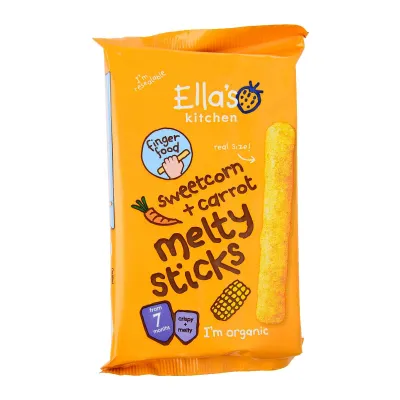
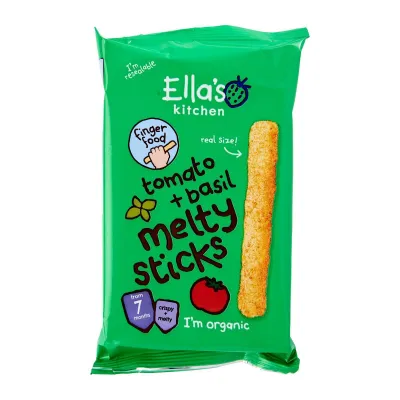
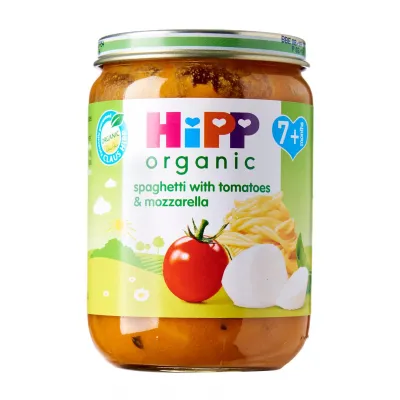
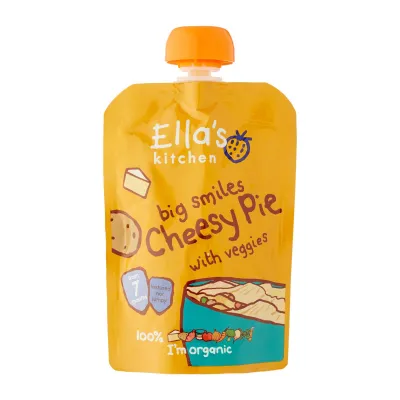
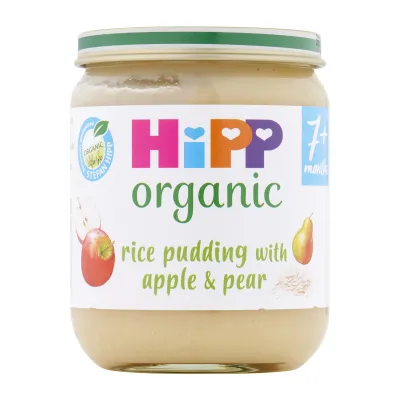
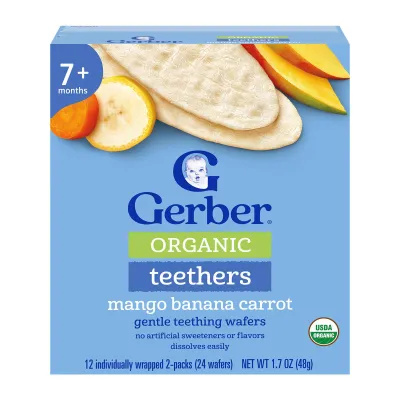
Prices are valid at publication and may change. Please refer to the product page for the latest price.
Texture progression is another critical element of this developmental stage. While six-month-olds often start with thin, single-ingredient purees, a seven-month-old is usually ready for thicker consistencies and soft, tiny lumps. This transition encourages jaw movement and chewing skills, even if your baby does not have teeth yet. Relying solely on completely smooth purees for too long can sometimes delay the acceptance of textured family foods later on.
Introducing common allergens is also a key milestone during this period. Pediatric guidelines generally recommend introducing potential allergens—such as peanut, egg, soy, wheat, and fish—one at a time in small amounts to monitor for any adverse reactions. Commercial baby foods can be a convenient vehicle for this process, but parents must carefully verify that the product contains only the intended allergen alongside familiar ingredients, rather than a complex mix of new foods. Always consult a pediatrician or qualified healthcare professional before introducing highly allergenic foods, especially if your baby has a history of eczema or food allergies.
How to Evaluate and Compare Baby Food Brands
When comparing different baby food brands, ingredient transparency should be your primary filter. High-quality brands list whole foods as their primary ingredients rather than relying on water, reconstituted juices, or starches as cheap fillers. Prioritize brands that clearly state the percentages of each main ingredient on their packaging to ensure you are getting nutrient-dense options.

Sodium and added sugars are critical metrics to evaluate. Infants do not need added salt or sugar, as their kidneys are still developing and their taste preferences are highly malleable. Check the nutrition information panel on the back of the packaging rather than relying on front-of-pack marketing claims like “no added sugar.” Some brands may use concentrated fruit juices to sweeten vegetable purees, which technically counts as free sugars and can encourage a strong preference for overly sweet flavors.
Packaging safety and convenience also play a major role in your decision-making process. Commercial baby food typically comes in glass jars, plastic tubs, or squeeze pouches. If you choose pouches, ensure they are labeled as BPA-free and designed with child-safe, choke-resistant caps. Consider the environmental impact and usability of each format; glass jars are highly recyclable and allow you to see the product inside, while pouches offer unmatched convenience for feeding on the go in Singapore’s busy urban environment.
Finally, take time to research a brand’s manufacturing standards and history. Reputable brands often share detailed information on their sourcing practices, quality control protocols, and testing for heavy metals on their official websites. You can also check local regulatory updates from the Singapore Food Agency (SFA) to ensure the brand has no active recalls or safety warnings. A brand’s willingness to provide clear, accessible information about their supply chain is a strong indicator of safety and quality.
Decoding Baby Food Labels and Ingredient Lists
Reading a baby food label requires a critical eye, as marketing terms can sometimes obscure the actual contents of the product. Look closely at the ingredient list, which is organized by weight from highest to lowest. Watch out for hidden sugars disguised under names like fruit juice concentrate, pear juice, cane syrup, or maltodextrin. Whole, minimally processed foods are always best for a developing digestive system.
Many manufacturers use a “stage” or “age” labeling system (such as Stage 1, Stage 2, or “7+ Months”) to guide parents. However, these systems are not standardized across the industry. One brand’s Stage 2 product might be a smooth, multi-ingredient puree, while another brand’s Stage 2 might contain distinct, soft chunks. Always verify the actual texture and ingredient list yourself rather than assuming a “7+ Months” label automatically matches your baby’s current chewing ability.
Allergen labeling is another vital area of inspection. Look for clear allergen warnings or precautionary statements such as “made in a facility that processes milk, soy, and wheat.” If your baby has a known sensitivity or allergy, these cross-contamination disclosures are crucial for preventing accidental exposure. Ensure the label explicitly states whether the product is processed on shared equipment, as manufacturing practices vary widely between brands.
Given Singapore’s warm and humid climate, proper storage and shelf-life verification are essential. Always check the expiry date printed on the packaging before purchasing. For dry products like baby cereals or puffs, look for instructions on how long the product remains fresh after the inner seal is broken. Wet products in jars or pouches must have clear guidelines on refrigeration requirements and maximum storage times once opened.
Safe Purchasing Channels and Authenticity Checks in Singapore
Sourcing your baby food from reputable, authorized retailers is the best way to ensure product safety and authenticity. Established physical supermarkets, specialized maternity boutiques, and official online brand storefronts maintain strict supply chain controls and temperature-regulated storage. These channels minimize the risk of purchasing counterfeit, expired, or improperly stored goods.
In contrast, buying from unauthorized third-party sellers on general online marketplaces or social media platforms carries significant risks. These sellers may offer lower prices, but they often lack proper temperature-controlled storage facilities, which is critical in Singapore’s year-round tropical heat. Heat exposure can accelerate food spoilage, degrade nutritional value, and compromise safety seals. Additionally, parallel-imported products may not comply with local labeling laws or food safety standards set by the Singapore Food Agency.
Before feeding your baby, perform a thorough physical check of the packaging. Ensure safety buttons on glass jar lids are popped down and make a distinct “pop” sound when opened, indicating the vacuum seal was intact. Squeeze pouches gently to check for any micro-leaks or swelling, which can indicate bacterial contamination. Look for a local distributor label on the back, which provides contact details in case you need to report a product issue.
If you ever encounter a product that looks compromised, smells unusual, lacks English labeling, or shows signs of damage, do not feed it to your baby. Contact the retailer where you purchased the item or the official local distributor immediately to report the batch number. Keeping a record of the batch code and expiry date is highly useful for tracking potential quality issues with the manufacturer.
Supporting Texture Progression With Commercial Foods
Transitioning your seven-month-old to thicker textures is a gradual process that requires careful observation. Look for physical signs of readiness, such as your baby bringing hands to their mouth, showing interest in what you are eating, and demonstrating improved tongue control (no longer automatically pushing food out of their mouth with their tongue). If your baby easily swallows smooth purees and opens their mouth eagerly for the next spoonful, they are likely ready for a texture upgrade.
If your preferred baby food brand only offers smooth purees, you can easily modify them at home to support texture progression. Try mixing a smooth commercial puree with a small spoonful of soft-cooked grains like quinoa, oatmeal, or well-mashed brown rice. You can also stir in finely mashed avocado, banana, or soft-cooked sweet potato to introduce small, manageable lumps.
It is common for babies to gag slightly when encountering new textures. Gagging is a normal, protective reflex that helps prevent choking, and it typically involves coughing or spitting food forward. Choking, on the other hand, is a silent and life-threatening emergency where the airway is blocked. Understanding this difference is crucial for parental confidence; if your baby gags, remain calm and allow them to clear the food themselves. However, if they struggle consistently or show signs of distress, pause the texture progression and consult a pediatrician or feeding specialist.
While commercial baby foods offer excellent convenience, they should ideally be balanced with homemade options. Preparing simple, soft-cooked family foods allows your baby to experience a wider variety of natural textures, shapes, and aromas. Combining the two approaches—using commercial jars or pouches for outings and busy days, and offering mashed family meals at home—provides a well-rounded sensory experience that prepares your child for successful family meals.
Frequently Asked Questions (FAQ)
Can I mix different baby food brands in one meal?
Yes, you can safely mix different baby food brands in a single meal, provided you have already introduced each individual ingredient to your baby without any adverse reactions. When combining products, carefully review the ingredient lists of both brands to ensure you are not accidentally doubling up on concentrated nutrients or introducing a new allergen unexpectedly. It is also important to ensure the combined texture remains consistent and safe for your seven-month-old’s current chewing stage, avoiding any sudden, unexpected lumps that might cause gagging.
How long can an opened pouch or jar of baby food be kept?
Once opened, wet commercial baby food should generally be refrigerated immediately and consumed within 24 to 48 hours, depending on the manufacturer’s specific instructions. To prevent bacterial contamination, never feed your baby directly from the jar or pouch if you plan to save the remainder for later. Saliva from your baby’s mouth can introduce bacteria into the food, causing it to spoil rapidly. Always spoon a small portion into a clean bowl for feeding, discard any leftovers in that bowl, and tightly seal the remaining portion in the original container before placing it in the refrigerator.
Are organic baby food brands always better for a 7-month-old?
Organic baby food brands are not automatically superior to conventional options, as both must meet strict food safety standards to be sold in Singapore. Organic certifications indicate that the ingredients were grown without synthetic pesticides or fertilizers, which many parents prefer. However, a product’s organic status does not guarantee it has a superior nutritional profile or an appropriate texture. It is far more important to evaluate the overall ingredient quality, checking for low sodium, zero added sugars, and a texture that matches your baby’s developmental stage, rather than relying solely on an organic label.

Community discussion
Share your experience or ask a question. Comments are reviewed before publication.