
Trimming a newborn’s tiny, fast-growing nails can be one of the most nerve-wracking tasks for new parents. Traditional metal clippers require absolute precision and a completely still infant, a combination that is rarely realistic. Because baby nails are soft and highly pliable, they can easily tear or grow sharp edges, leading to accidental facial scratches.
An electric nail cutter offers a gentle, filing-based alternative that significantly reduces the risk of accidental cuts. Instead of clipping with sharp blades, these devices use rotating or oscillating cushioned pads to file down the nail gradually. This guide provides a comprehensive framework to help you evaluate these grooming tools, match the correct attachments to your baby’s developmental stage, and establish a safe, stress-free trimming routine.
Why Choose an Electric Nail Trimmer for Your Baby?
Traditional baby nail scissors and manual clippers carry an inherent risk of pinching or cutting the delicate skin of the fingertip. A baby’s nail bed is positioned very close to the edge of the nail, making it difficult to distinguish where the nail ends and the skin begins. Electric trimmers mitigate this risk by using a filing action rather than a cutting action, which gently wears down the nail without pulling or tearing the surrounding tissue.
Products mentioned in this guide

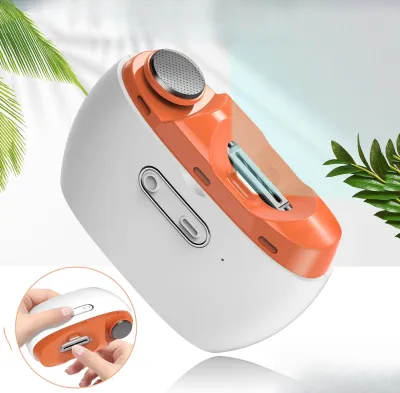

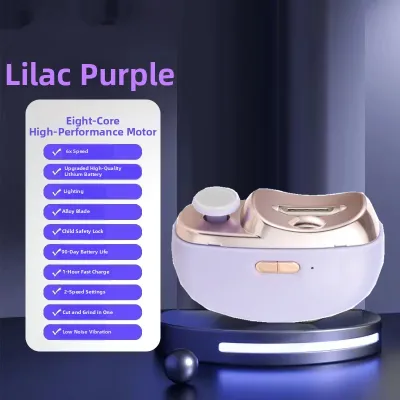
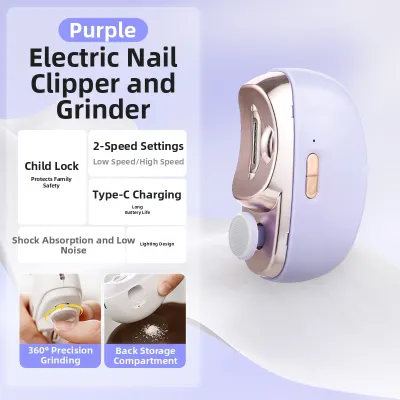
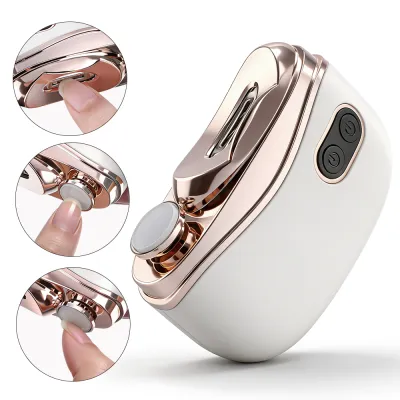


Prices are valid at publication and may change. Please refer to the product page for the latest price.
Using an electric file also helps prevent the sharp, jagged edges that often remain after using manual clippers. These rough edges can easily catch on clothing or scratch a baby’s sensitive facial skin during sleep. The rounded, smooth finish produced by an electric trimmer ensures that your baby’s hands remain safe even when they explore their face or rub their eyes.
For many caregivers, the primary benefit of an electric nail cutter is the psychological ease it provides. The fear of hurting a newborn can make nail grooming a highly stressful chore, leading parents to postpone it. Delaying trims only increases the likelihood of scratches, making a gentle, low-risk electric tool a valuable investment for parental confidence and peace of mind.
Essential Features to Look for in a Baby Nail Trimmer
When shopping for an electric nail cutter at local baby specialty stores or online marketplaces in Singapore, you will find a wide range of models. To make an informed decision, it is helpful to evaluate devices based on specific design and performance criteria that justify their cost, which typically ranges from S$15 to S$50.

First, prioritize models equipped with safety stop mechanisms. These pressure-sensitive systems are designed to stop the motor immediately if the grinding head is pressed too firmly against the skin. This feature prevents friction burns and ensures that even if the file slips onto the fingertip, the baby will not experience discomfort. Always verify the presence of this safety feature in the product specifications before purchasing.
Noise and vibration levels are critical factors, especially if you plan to trim your baby’s nails while they sleep. Look for devices that feature whisper-quiet motors. High-vibration tools can startle a sleeping infant or cause a conscious baby to pull their hand away in discomfort. A quiet, low-vibration motor allows for a calm, uninterrupted grooming session.
Adjustable speed settings and reversible rotation directions offer customized control. Most quality trimmers feature at least two speed modes: a low speed for delicate newborn nails and a higher speed for older infants with thicker nails. Reversible rotation (clockwise and counter-clockwise) allows you to file from different angles without awkward wrist movements, ensuring you can smoothly follow the natural curve of the nail on both the left and right hands.
An ergonomic handle design is essential for maintaining a secure grip while managing a squirming baby. Look for a lightweight, non-slip handle that fits comfortably in one hand, leaving your other hand completely free to secure the baby’s fingers. Additionally, a built-in LED light positioned near the grinding head is highly beneficial for illuminating the tiny nail area during nighttime trims in a dimly lit nursery.
Matching the Grinding Pad to Your Baby's Age and Development
Electric baby nail files utilize interchangeable grinding pads, each featuring a different level of abrasiveness or grit. Using a pad that is too coarse for a newborn can damage their soft nail plate, while using a pad that is too soft for an older infant will be ineffective. Understanding how to match these pads to your baby’s age is key to safe and efficient grooming.
Manufacturers typically color-code their grinding pads to indicate the grit level, with specific recommendations for different age brackets. For example, ultra-fine pads are designed for newborns from zero to three months, medium-grit pads for infants aged three to six months, and coarser pads for babies over six months. However, because color schemes vary widely across different brands, you must always verify the specific age and developmental guidelines printed on the product packaging rather than relying on color alone.
As your baby grows, their nails will naturally harden and thicken. You will need to transition to coarser pads to maintain effective filing. If you notice that the current pad is taking a long time to file down the nail or is wearing out rapidly, it is likely time to move up to the next developmental stage’s pad.
Always supervise your baby closely during nail care, and store all spare grinding pads out of reach of children. The small, colorful discs can present a choking hazard if left unattended. Regularly inspect the pads for any signs of peeling or damage before attaching them to the device.
How to Safely Trim Your Baby's Nails with an Electric File
Establishing a calm, structured routine is the best way to ensure a safe and successful nail-trimming session. Before you begin, choose a time when your baby is relaxed, calm, or asleep. Trimming immediately after a bath is highly effective, as the nails are at their softest, or during a quiet feeding session when the baby is distracted and content.
To begin, hold your baby’s hand securely but gently. Isolate one finger at a time, using your thumb to gently push back the skin of the fingertip away from the nail edge. This exposes the entire nail and minimizes the chance of the grinding pad making contact with the surrounding skin. Keep your grip firm enough to prevent sudden jerks, but gentle enough to keep the baby comfortable.
Turn on the electric trimmer at its lowest speed setting. Hold the device at a slight angle, roughly 50 to 60 degrees relative to the nail bed, and apply very light pressure. Let the motor do the work; do not press the file hard against the nail. Move the file gently across the edge of the nail in a single direction rather than sawing back and forth, which can cause heat buildup from friction.
Keep the grooming sessions short. If your baby becomes fussy or starts to squirm excessively, stop immediately and try again later. Forcing the process increases the risk of accidental slips and can create a negative association with nail care. Once you have finished filing, run your own fingertip along the edges of the baby’s nails to check for any remaining sharp corners or rough spots, smoothing them out with a gentle touch.
If you ever notice redness, swelling, or signs of irritation around your baby’s nail beds, stop using the trimmer immediately. For any persistent skin irritation, ingrown nails, or signs of infection, consult a qualified pediatrician or healthcare professional for guidance.
Cleaning, Maintenance, and When to Replace Pads
Proper maintenance of your electric nail cutter ensures its longevity, hygiene, and safety. Because the filing process generates fine nail dust, the device and its attachments must be cleaned regularly to prevent bacterial buildup and maintain motor efficiency.
After each use, detach the grinding pad from the device head. Use a small, soft-bristled brush to sweep away any accumulated nail dust from both the pad and the rotating tip of the trimmer. Wipe the body of the device with a clean, dry, or slightly damp cloth. Never submerge the electric unit in water or use harsh chemical cleaners, as this can damage the internal motor and electronic components.
Battery care is another important aspect of maintenance. Most baby nail trimmers are powered by standard AA or AAA batteries. If you do not plan to use the device for several weeks, remove the batteries to prevent leakage and corrosion, which can ruin the internal circuitry. Store the trimmer and all its accessories in its original protective case in a cool, dry place, away from the high humidity typical of Singapore’s climate.
Grinding pads are consumable items that wear down over time. Inspect the pads regularly for visual and tactile signs of wear, such as a smooth or shiny surface, uneven texture, or peeling edges. Using a worn-out pad requires you to apply more pressure, which increases friction and heat, potentially causing discomfort to your baby. Replace the pads as soon as they lose their abrasive quality, using only manufacturer-approved replacement parts to ensure compatibility and safety.
Frequently Asked Questions (FAQ)
Can I use a regular adult electric nail file on my baby?
No, you should never use an adult electric nail file on a newborn or infant. Adult devices are designed for much thicker, harder nails and operate at significantly higher speeds and vibration levels. The high rotational speed can quickly generate intense friction heat, leading to painful burns on a baby’s delicate skin.
Furthermore, adult filing attachments feature highly abrasive surfaces that can easily tear through a baby’s thin nail plate and damage the underlying nail bed. Baby-specific electric trimmers are engineered with low-torque motors that stop automatically under minimal pressure, ensuring a gentle and safe grooming experience.
How often should I trim my newborn's nails?
Newborn fingernails grow remarkably fast and may require trimming once or twice a week to prevent accidental scratching. Because infants have limited motor control in their first few months, they frequently bring their hands to their faces, making regular nail maintenance essential.
In contrast, baby toenails grow much slower and typically only need to be trimmed once or twice a month. Monitor your baby’s nails regularly by gently feeling the edges. If you notice any growth extending past the fingertip or feel sharp corners, it is time for a quick touch-up. Adjust your grooming frequency as your baby grows and their activity levels change.

Community discussion
Share your experience or ask a question. Comments are reviewed before publication.