
Securing your home for a curious toddler is a top priority for parents in Singapore, where modern apartments often feature built-in cabinetry, low drawers, and open-concept kitchens. Finding a reliable cabinet lock brand requires looking beyond marketing promises and understanding how different locking mechanisms, materials, and adhesives perform under local conditions. Because Singapore’s tropical climate brings high humidity year-round, standard adhesives can degrade faster than expected, making the choice of lock and installation method critical for long-term safety.
Rather than relying on a single brand name, parents should focus on verifying specific engineering features, material certifications, and climate compatibility. A truly reliable cabinet lock must withstand consistent pulling forces from a growing child while remaining practical enough for daily adult use. By understanding the mechanical differences between lock types and knowing how to verify product quality, you can create a secure environment that effectively keeps your child away from household hazards.
Core Criteria for Evaluating Cabinet Lock Reliability
When evaluating the reliability of any cabinet lock brand, material durability is the first line of defense. Toddlers do not just pull on cabinet doors; they twist, shake, and sometimes even bite the safety devices installed within their reach. High-quality brands manufacture their locks using robust, non-toxic plastics such as ABS (Acrylonitrile Butadiene Styrene) or POM (Polyoxymethylene), which resist bending and stress cracking. Cheap, unbranded alternatives often use thin, brittle plastics that can snap under sudden impact, potentially creating sharp edges or releasing small internal components like springs and screws that pose immediate choking hazards.
Products mentioned in this guide
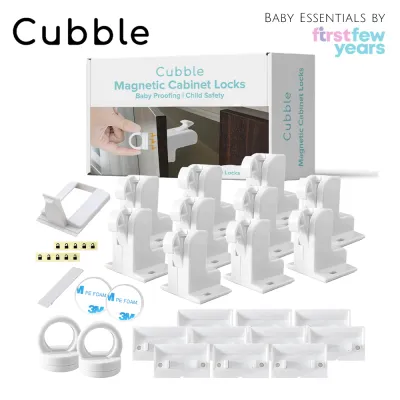
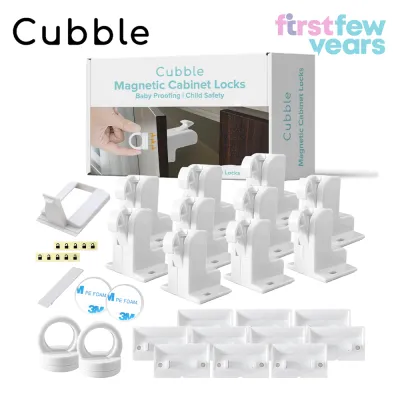
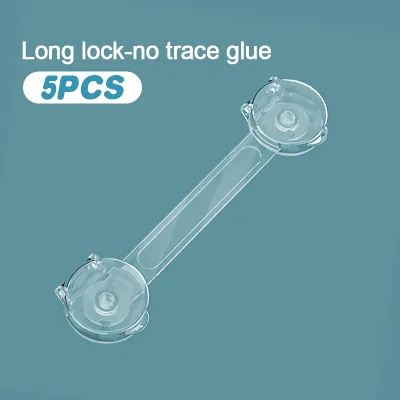
Prices are valid at publication and may change. Please refer to the product page for the latest price.
The complexity of the locking mechanism must be carefully balanced against adult convenience. A lock that is excessively difficult for an adult to open with one hand—especially when carrying a baby or holding a cooking utensil—is highly likely to be left disengaged, defeating its entire purpose. Reliable brands design mechanisms that require a specific combination of force and coordination that exceeds a toddler’s physical and cognitive capabilities, such as a dual-button squeeze or a hidden magnetic release, while remaining intuitive for adult hands.
In Singapore, adhesive quality is a make-or-break factor for any childproofing device. The country’s high relative humidity, which frequently exceeds 80 percent, can cause standard double-sided tape to soften, lose its grip, and slide off cabinet surfaces over time. Trustworthy brands typically partner with established adhesive manufacturers to supply heavy-duty acrylic foam tapes, such as 3M VHB, which are engineered to resist moisture, heat, and shear stress. When selecting a brand, look for explicit specifications regarding the type of adhesive tape included and whether it is rated for humid environments.
Finally, parents should look for compliance with recognized international child safety standards. While many products claim to be “baby-safe,” reliable manufacturers subject their designs to rigorous third-party testing. Look for references to standards such as EN 16948, which is the European standard specifically covering the safety requirements and test methods for locking devices fitted to cupboards and drawers. Compliance with these standards ensures the lock has been tested for durability, structural integrity, and its ability to resist repeated opening attempts by young children.
Matching Lock Mechanisms to Cabinet Types and Toddler Stages
Different cabinet designs and your child’s developmental stage will dictate which locking mechanism is most appropriate. Magnetic cabinet locks are widely considered the gold standard for modern kitchens because they are installed entirely inside the cabinet door, keeping them completely hidden from view. This preserves the aesthetic of your home and prevents toddlers from seeing the lock, which minimizes their temptation to play with or attempt to bypass it. To open the cabinet, an adult must place a magnetic key on the outside of the door opposite the internal latch, making it highly secure against children who lack the cognitive ability to understand the invisible mechanism.

Adhesive strap locks offer excellent versatility and are ideal for securing appliances, curved surfaces, or cabinets with external handles and knobs. These locks consist of two adhesive mounts connected by a flexible plastic or fabric strap that spans the opening gap. While highly effective and easy to install, strap locks are fully visible, which can attract a toddler’s attention. For this reason, high-quality strap locks feature dual-action release buttons that require a level of finger strength and coordination that young children have not yet developed.
For cabinets with sliding doors or drawers with internal lips, specialized sliding door locks or internal spring-loaded latches are necessary. Internal latches allow the drawer to open slightly before catching on a plastic hook, requiring an adult to reach inside and press the latch down to fully open it. While effective, these require careful installation to ensure the gap is not wide enough for a toddler’s small hand to get pinched or to access dangerous items inside. Sliding door locks often utilize a folding wing design that prevents the doors from bypassing each other until the wings are pressed flat by an adult.
As your child grows, their physical strength and problem-solving skills will evolve, requiring you to adapt your childproofing strategy. A simple strap lock that deters a crawling ten-month-old may become a target for a curious two-year-old who observes how adults operate the release mechanism. For older toddlers who excel at mimicking adult actions, transitioning to hidden magnetic locks or more complex dual-button systems is often necessary to maintain a secure home environment.
How to Verify Brand Trustworthiness and Sourcing in Singapore
To avoid counterfeit or substandard safety products, parents must be diligent when sourcing cabinet locks. Start by examining the product packaging and official brand documentation for authentic safety certifications and manufacturer details. Reputable brands will clearly print their contact information, country of manufacture, and specific safety compliance standards on the box. Avoid generic, unbranded multi-packs sold in plain plastic bags on online marketplaces, as these rarely undergo safety testing and often use inferior plastics and low-grade adhesives that fail quickly under pressure.
Before making a purchase, thoroughly evaluate user reviews on local e-commerce platforms and parenting forums, paying close attention to feedback from buyers in Singapore. Look for recurring complaints regarding adhesive failure in humid conditions, plastic components snapping, or locking mechanisms jamming after a few weeks of use. Reviews that mention a lock failing when a child pulled on it are clear indicators of poor material quality or weak adhesive backing. Conversely, consistent positive feedback regarding long-term durability in local homes is a strong indicator of a reliable product.
Sourcing your childproofing products from authorized physical baby boutiques, established department stores, or official brand storefronts on major e-commerce platforms is the best way to guarantee authenticity. Buying from reputable local retailers ensures that the products comply with local consumer safety regulations and have been imported through legitimate supply chains. Additionally, established retailers are much more likely to assist you if you receive a defective batch or need advice on product compatibility.
Finally, verify the brand’s customer support and return policies before purchasing, especially if you plan to buy locks in bulk for your entire home. Reliable brands stand behind their products by offering clear installation guides, video tutorials, and responsive customer service to help you troubleshoot installation issues. Some reputable manufacturers also sell replacement adhesive strips separately, allowing you to reinstall or relocate locks without having to purchase entirely new units if you move house or rearrange your cabinetry.
Installation Best Practices and Ongoing Safety Maintenance
Even the most reliable cabinet lock brand will fail if it is not installed correctly. Proper surface preparation is the most critical step in ensuring a strong adhesive bond. Begin by thoroughly cleaning the mounting area with isopropyl alcohol to remove all grease, dust, and household grime; avoid using standard multi-purpose sprays or glass cleaners, as these often leave behind a thin residue that prevents the adhesive from bonding fully. Once the surface is completely dry, apply the lock according to the manufacturer’s instructions, taking care not to touch the exposed adhesive tape with your fingers, as skin oils will significantly weaken the bond.
After positioning the lock, apply firm, continuous pressure to the adhesive pad for at least thirty seconds to activate the pressure-sensitive bonding agents. It is absolutely vital to allow the adhesive to cure fully before subjecting it to any tension or allowing your child near the cabinet. Most high-performance adhesives require a minimum curing time of 24 hours—and up to 48 hours in highly humid environments—to reach their maximum holding strength. Keep the cabinet doors slightly open or unused during this curing window to prevent any accidental pulling forces from disrupting the chemical bond.
Childproofing is not a set-and-forget task; it requires ongoing maintenance and regular safety inspections. Establish a monthly routine to check every cabinet lock in your home for signs of wear, plastic fatigue, or adhesive degradation. Physically pull on each locked cabinet door with moderate force to simulate a toddler’s pull and verify that the latch holds securely. Inspect the plastic components for stress whitening—a pale discoloration that indicates the plastic is weakening and nearing its breaking point—and check if the edges of the adhesive pads are beginning to lift from the cabinet surface.
Knowing when to replace a cabinet lock is essential for preventing accidents. If you notice any hairline cracks, stiff mechanisms that do not latch automatically, or lifting adhesive, replace the lock immediately. Furthermore, if your child successfully bypasses or defeats a specific lock mechanism, do not attempt to modify or repair it yourself; instead, treat this as a clear sign that your child has outgrown that particular safety device, and upgrade to a more complex or hidden locking system to ensure continued protection.
Frequently Asked Questions (FAQ)
Can I use cabinet locks on glass or high-gloss surfaces?
Yes, you can use adhesive cabinet locks on glass and high-gloss surfaces, but you must exercise extreme caution. High-gloss laminates and delicate glass panels can be susceptible to surface peeling or scratching when subjected to the intense pulling forces of a child or during the eventual removal of the lock. For glass cabinets, magnetic locks are generally not suitable as they require drilling or mounting on solid internal frames; instead, look for specialized external strap locks with high-quality adhesives, or consider using tension-based locks that wrap around external handles without adhering directly to the glass. Always ensure the glass is tempered and structurally sound before applying any safety device that will be subjected to pulling forces.
Are magnetic cabinet locks safe if the child finds the magnetic key?
If a child gains access to the magnetic key, they can easily open any magnetic lock in the house, rendering the safety system ineffective. To mitigate this risk, treat the magnetic key with the same level of security as a physical door key. Store the key on a high, metallic surface out of both the child’s reach and sight, such as the top of a refrigerator or a high wall-mounted magnetic strip. It is highly recommended to purchase a brand that includes multiple keys so you have a backup stored safely in a separate location, and look for locks that feature a manual disengage switch, which allows you to temporarily disable the locking function when your child is not at home or is asleep, reducing the need to constantly use the key.
What should I do if the adhesive leaves residue on my cabinets?
Removing adhesive residue without damaging your cabinet’s finish requires a gentle, patient approach. Start by using a hairdryer on a low-to-medium heat setting to warm the remaining adhesive pad, which softens the bonding agents and allows you to slowly peel it away from the surface. For any stubborn residue left behind, apply a small amount of a safe, surface-appropriate solvent such as eucalyptus oil, baby oil, or a dedicated mild adhesive remover to a soft microfiber cloth and gently rub the area. It is absolutely essential to test any solvent or heat application on a small, hidden area of the cabinet first to ensure it does not cause discoloration, warping, or stripping of the paint, varnish, or laminate finish.

Community discussion
Share your experience or ask a question. Comments are reviewed before publication.