
Finding the right foam mat for outdoor baby activities in Singapore requires a careful balance of safety, durability, and climate suitability. With the city-state’s year-round high humidity, sudden tropical downpours, and intense afternoon sun, a standard indoor playmat may not hold up well when taken to East Coast Park, the Singapore Botanic Gardens, or local neighborhood lawns. Parents must look beyond generic brand names and focus on verifiable material specifications, structural integrity, and practical portability.
Rather than relying on unverified marketing claims, the most reliable way to choose an outdoor baby mat is to evaluate how its physical properties perform under local environmental conditions. A high-quality outdoor mat must protect a baby’s sensitive skin from hot ground surfaces, provide adequate cushioning against hidden pebbles or twigs, and resist moisture absorption to prevent mold growth. By understanding what to look for in terms of foam density, safety certifications, and maintenance requirements, you can make an informed decision that ensures a safe, clean, and comfortable play space for your little one.
What to Look for in an Outdoor Baby Foam Mat
When selecting a foam mat for outdoor use, the physical and functional design of the product determines how well it protects your baby from uneven terrain. Outdoor surfaces like grass, sand, and concrete present challenges that indoor living room floors do not. The first consideration is thickness and density. While a very thin mat might seem easier to carry, it will fail to cushion your baby against hard soil, tree roots, or small stones. A thickness of at least 1 cm to 1.5 cm is generally recommended for outdoor use. However, thickness alone is not enough; the foam must have a high density so that it does not fully compress when your baby crawls, sits, or falls. High-density foam absorbs impacts effectively, protecting delicate knees, elbows, and heads from the hard ground beneath.
Products mentioned in this guide
Prices are valid at publication and may change. Please refer to the product page for the latest price.
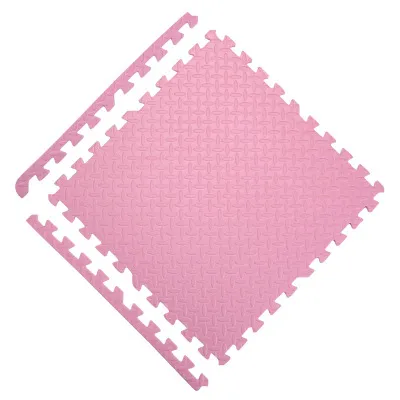
Surface texture is another critical factor for outdoor safety. A completely smooth mat can become incredibly slippery when exposed to morning dew, sweat, or spilled water. Look for mats with embossed patterns, such as cross-hatch, diamond, or alphabet textures. These raised patterns provide essential traction for babies who are learning to push up, crawl, or take their first steps. At the same time, the texture should not be so deep or intricate that it traps dirt, sand, or grass. A well-designed texture allows for quick wiping with a damp cloth while still offering excellent slip resistance.
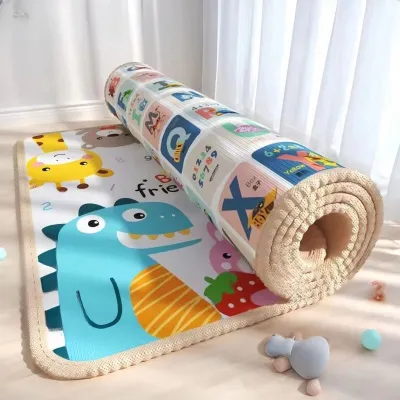
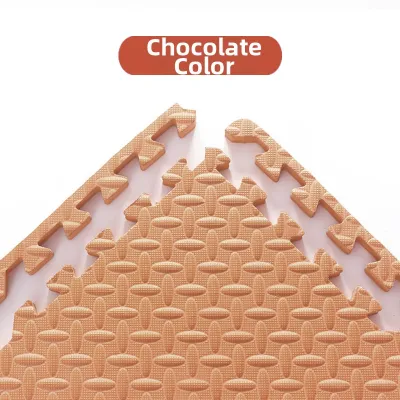
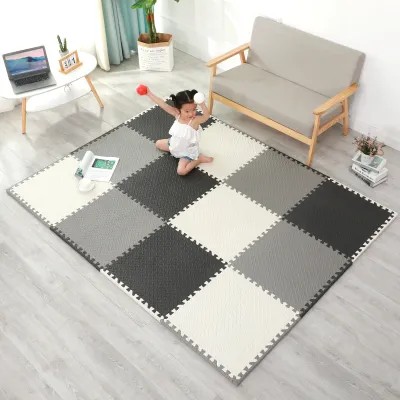
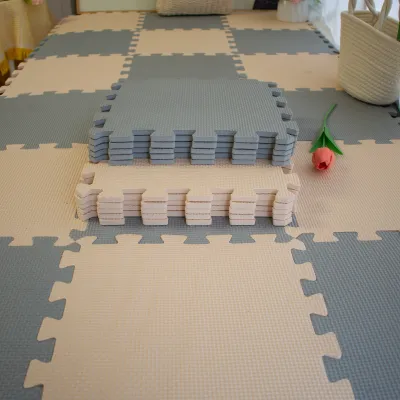
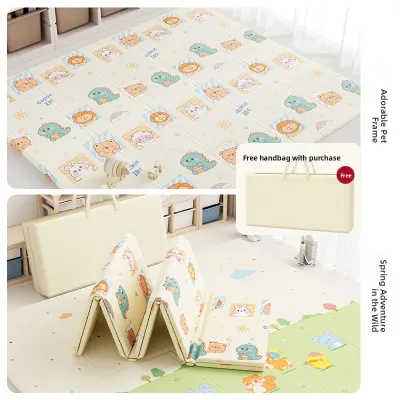
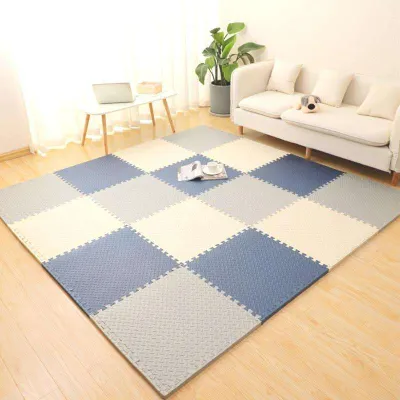
Finally, pay close attention to the edge design and folding mechanisms. Many indoor mats feature interlocking puzzle edges, which are highly impractical for outdoor use. Dirt, sand, and insects easily get trapped in the seams of puzzle mats, and assembling them on grass can be frustrating. Instead, opt for a single-piece foldable mat. The edges should be heat-sealed rather than bound with fabric tape. Fabric borders tend to absorb moisture from damp grass, leading to dirt accumulation and mold growth that is difficult to clean. Heat-sealed edges create a continuous, waterproof barrier that keeps the entire mat hygienic and easy to maintain.
Evaluating Material Safety and Weather Resistance
In Singapore’s tropical climate, material safety and weather resistance are closely linked. The intense heat and high humidity can accelerate the chemical breakdown of low-quality plastics, potentially releasing harmful substances or causing the mat to degrade rapidly. To ensure your baby’s safety, you must verify the chemical composition of the foam. Look for mats made from non-toxic materials such as Expanded Polyethylene (XPE) or high-quality Ethylene-Vinyl Acetate (EVA) that are certified free from harmful chemicals. Specifically, check manufacturer labels and product packaging for certifications indicating the product is BPA-free, phthalate-free, lead-free, and formamide-free.

Do not take a brand’s “non-toxic” claim at face value. Reliable manufacturers will reference recognized international safety standards, such as the European Toy Safety Standard (EN71), ASTM F963 in the United States, or CPSIA compliance. Before purchasing, check if the brand provides verifiable test reports from independent testing laboratories. This level of verification is especially important for babies who are in the oral stage of development and may put their mouths directly on the mat’s surface.
Weather resistance is equally vital when using a mat outdoors. Singapore’s sun can heat up outdoor surfaces to high temperatures, and a mat that retains too much heat will become uncomfortable or even unsafe for your baby. Look for mats with light-colored designs or those that specify heat-resistant properties. Some advanced outdoor mats feature a reflective or UV-resistant outer film that helps deflect solar radiation, keeping the surface cooler to the touch.
Furthermore, the internal structure of the foam determines how it handles moisture. Always choose closed-cell foam structures, such as XPE. Closed-cell foam consists of sealed, microscopic air pockets that do not allow water, sweat, or humidity to penetrate. This is crucial for preventing moisture absorption, which can lead to mold and mildew growth inside the mat. Open-cell foams, which are common in cheaper sponge-like mats, absorb liquids easily and are nearly impossible to sanitize fully once damp, making them highly unsuitable for Singapore’s humid climate.
Balancing Portability and Coverage for Travel
An outdoor baby mat is only useful if it is easy to transport to your destination. Parents in Singapore often travel by public transport, compact cars, or strollers, meaning a bulky, heavy mat will likely be left at home. When evaluating portability, compare foldable designs against rollable ones. Rollable mats are often difficult to pack because they tend to curl up at the edges when unrolled on grass, creating tripping hazards. Foldable mats, on the other hand, feature pre-creased lines that allow them to fold flat instantly. They can also be partially folded to fit smaller spaces, such as a narrow park bench or a shaded corner of a playground.
Weight is another key consideration. XPE foam mats are exceptionally lightweight, often weighing less than 1.5 kg, making them easy to carry alongside diaper bags, strollers, and other baby gear. Look for mats that come with a dedicated travel bag or built-in carrying handles. A shoulder strap or a backpack-style carrying case is highly beneficial, as it keeps your hands free to manage your stroller or hold your baby safely while walking through busy parks.
Before making a purchase, measure the folded dimensions of the mat and compare them to your available storage spaces. Check if the folded mat can fit comfortably into your stroller’s under-seat basket, your car boot, or the footwell of a taxi. In Singaporean apartments where storage space is often limited, a mat that folds down into a compact, flat rectangle can be easily slipped behind a wardrobe, under a bed, or inside a utility closet when not in use. Balancing a generous open play area (such as 180 cm by 150 cm) with a highly compact folded size ensures you get the maximum utility out of your investment.
How to Verify Brand Claims and Specifications
With numerous baby brands available on various ecommerce platforms and in local retail stores, distinguishing high-quality products from cheap imitations requires a systematic approach. Start by cross-referencing the brand’s marketing claims with the physical product labels and packaging. If an online listing claims a mat is made of premium XPE foam, but the physical packaging lacks any material labeling or safety certification marks, treat the claim with skepticism. Reputable brands will have consistent, clear labeling across their website, packaging, and user manuals.
Next, examine the manufacturer’s warranty and return policies. A brand that stands behind its product’s durability will offer a clear warranty that covers manufacturing defects, such as seam splitting or premature peeling of the outer film. Be sure to read the fine print to see if the warranty is voided by outdoor use. Some mats are strictly designated for indoor use, and using them on rough outdoor surfaces may invalidate your coverage. Choosing a brand that explicitly supports outdoor or travel use provides peace of mind regarding the mat’s long-term durability.
When researching online, read user reviews critically. Look past the initial five-star ratings that only comment on fast shipping or attractive colors. Instead, search for reviews from parents who have used the mat outdoors over several months. Pay attention to feedback regarding how well the mat resists punctures from twigs, whether the colors fade rapidly under the sun, and if the folding seams begin to tear after repeated use. Reviews that mention how easy or difficult it is to clean grass stains or mud will give you a realistic expectation of the product’s performance in real-world Singaporean conditions.
Cleaning and Maintaining Your Mat After Outdoor Use
Proper maintenance is essential to prolong the lifespan of your outdoor foam mat and ensure it remains a hygienic environment for your baby. After a day at the park or beach, always perform a quick cleaning routine before packing the mat away. Shake the mat thoroughly to remove loose sand, dry grass, and insects. Use a damp cloth or baby-safe, alcohol-free wipes to clean off any visible dirt, mud, or spilled food. This prevents outdoor grime from transferring to your carrying bag, car boot, or home storage area.
Once you return home, give the mat a more thorough cleaning. If the mat is heavily soiled, rinse it down in the shower or use a garden hose on a gentle setting. Use a mild, baby-safe dish soap or a neutral detergent mixed with warm water to clean the surface. Avoid using harsh chemical cleaners, bleach, or abrasive scrubbing brushes, as these can damage the protective outer film, strip away the non-toxic coatings, or cause the foam to degrade.
Drying the mat correctly is crucial to prevent mold and mildew. Hang the mat over a drying rack or a balcony railing in a well-ventilated, shaded area. Never leave the mat in direct, intense sunlight to dry for extended periods. While a few minutes of sun can help sanitize the surface, prolonged exposure to high temperatures can cause the foam to warp, shrink, or delaminate. Ensure both sides of the mat are completely dry before folding it for storage. Storing a damp mat in a closed bag or closet in Singapore’s humid climate will inevitably lead to mold growth and unpleasant odors.
Regularly inspect your mat for signs of wear and tear. Look for deep punctures, tears along the folding seams, or areas where the outer protective film has started to peel. If the inner foam is exposed, it can absorb moisture and harbor bacteria, making it unsafe for your baby. If you notice persistent musty smells, black mold spots that cannot be washed away, or if the foam has lost its cushioning elasticity, it is time to replace the mat to maintain a safe play environment.
Frequently Asked Questions (FAQ)
Can I leave the foam mat outside overnight or in the rain?
No, you should never leave a baby foam mat outdoors overnight or in the rain. Even high-quality closed-cell foam mats can suffer significant damage from prolonged exposure to moisture, temperature fluctuations, and morning dew. Rainwater can pool underneath the mat, and if left wet, it creates an ideal breeding ground for mold, mildew, and bacteria. Furthermore, leaving the mat outside exposes it to nocturnal pests, insects, and stray animals that can scratch, bite, or contaminate the surface. Always clean, dry, and store your mat indoors after each use to preserve its hygiene and structural integrity.
Are thicker foam mats always better for outdoor parks?
Not necessarily. While a thicker mat (such as 2 cm or more) provides excellent cushioning on very hard or rocky ground, it comes with practical trade-offs. Thicker mats are heavier, bulkier to carry, and take up significantly more space in your stroller basket or car boot. Additionally, thick foam can trap more heat from the ground, making the surface warmer for your baby in Singapore’s hot climate. For typical manicured lawns at local parks, a high-density mat with a thickness of 1 cm to 1.5 cm offers the ideal balance of lightweight portability, thermal insulation, and comfortable cushioning.
How do I prevent the mat from blowing away in windy conditions?
To secure your mat safely on a windy day, place heavy, baby-safe items on the corners, such as your diaper bag, a packed cooler, water bottles, or clean shoes. Avoid using sharp metal camping pegs, stakes, or heavy, rough rocks found in the park. Sharp objects can easily puncture the protective outer film of the foam mat, ruining its waterproof properties. Rough stones can tear the material and may also pose a choking or physical hazard if your crawling baby decides to play with them. Using soft, heavy personal items is the safest way to keep the mat anchored.

Community discussion
Share your experience or ask a question. Comments are reviewed before publication.