
Quick Answer: What Defines a Reliable Changing Dresser?
A reliable baby changing dresser serves as the functional anchor of your nursery, combining a secure, waist-height diapering station with highly organized storage for infant essentials. For first-time parents navigating the early months of parenthood, this piece of furniture eliminates the need to bend over constantly, protecting your back during dozens of daily changes while keeping diapers, wipes, and fresh clothes within arm’s reach.
The non-negotiable baseline for any changing dresser is absolute structural stability, an ergonomic height tailored to the primary caregivers, and a secure system for attaching a changing pad. A dresser that wobbles or lacks a dedicated barrier for the changing area poses immediate safety risks. Because infants grow rapidly, a truly reliable unit also offers long-term adaptability, allowing you to remove the changing topper and transition the piece into a standard bedroom dresser that serves your child through toddlerhood and beyond.
Essential Features to Evaluate for Your Nursery
When comparing different dresser designs, the drawer configuration dictates how smoothly your daily diapering routine will run. A mix of shallow and deep drawers is highly practical. Shallow top drawers are ideal for organizing small, frequently used items like diaper creams, cotton balls, socks, and onesies, allowing you to grab them with one hand while keeping your other hand securely on your baby. Deep lower drawers are better suited for bulkier items, such as extra packs of diapers, swaddles, sleep sacks, and heavy blankets.
Products mentioned in this guide
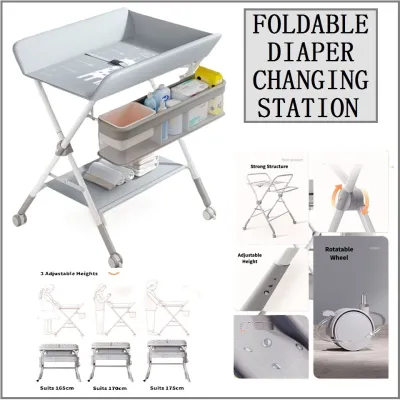
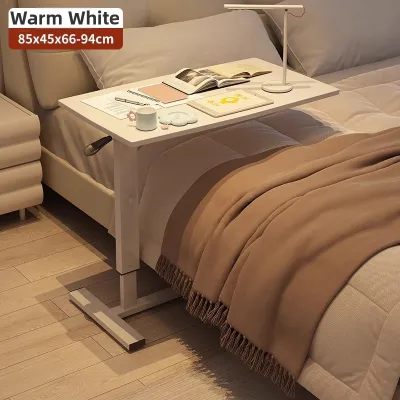
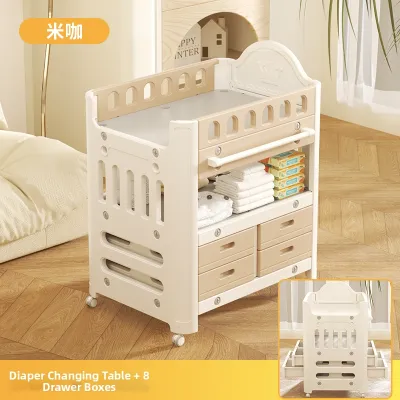
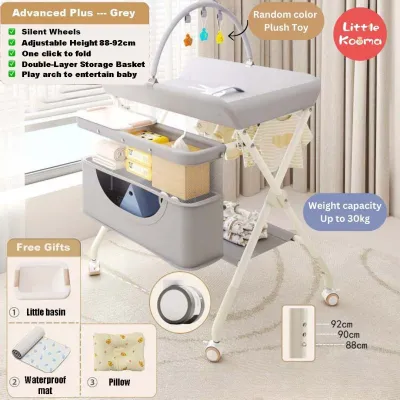
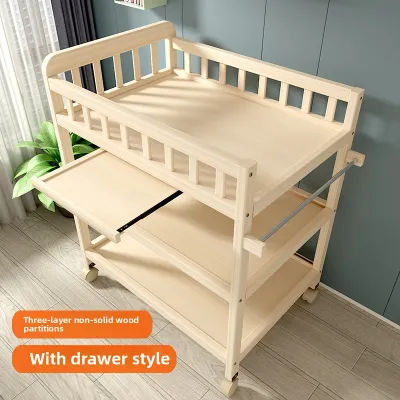
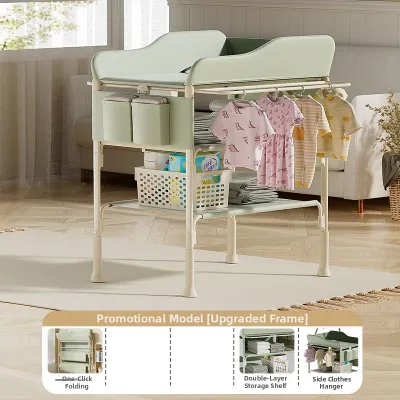
Prices are valid at publication and may change. Please refer to the product page for the latest price.

Verifying changing pad compatibility is another critical step before making a purchase. Some dressers come with a built-in changing topper featuring contoured edges or safety rails, while others require you to purchase a separate wooden topper or attach a changing pad directly to the flat dresser surface. You must check whether the dresser top includes pre-drilled holes, safety straps, or brackets that anchor the changing pad directly to the back of the frame, preventing any sliding during use.
Given the high humidity in Singapore, the durability of materials and finishes is paramount. Look for dressers with wipeable, moisture-resistant surfaces that can withstand frequent sanitizing and accidental spills without warping or peeling. Engineered wood with high-quality laminates or solid wood sealed with non-toxic, water-resistant finishes are excellent options. Avoid untreated or highly porous materials that can absorb moisture, as they are prone to mold growth and are difficult to clean thoroughly.
Hardware quality directly impacts both safety and daily convenience. Inspect the drawer glides to ensure they operate smoothly and quietly, which is essential when retrieving a clean outfit while your baby is sleeping. Safety stops are a mandatory feature; they prevent drawers from being pulled completely out of the frame, protecting both curious toddlers and caregivers from accidental injuries. Soft-close mechanisms are also highly beneficial, preventing pinched fingers and reducing noise in the nursery.
Safety Checks and Manufacturer Specifications
Safety must be your primary filter when evaluating any nursery furniture. Because dressers are inherently top-heavy when drawers are extended, anti-tip hardware is an absolute necessity. A reliable manufacturer will always include a dedicated wall-anchor kit in the packaging. You must install this hardware according to the exact instructions, securing the dresser directly to a wall stud or using appropriate masonry plugs for concrete walls, which are standard in Singapore homes.
Weight limits and load distribution specifications must be verified in the product manual before assembly. Manufacturers specify maximum weight capacities for both the changing surface and individual drawers. Exceeding these limits can compromise the structural integrity of the unit or cause it to tip forward. Ensure the changing top is rated to support at least the weight of your baby plus the changing pad, with a generous margin for when your child grows and becomes more active.
The physical design of the railing and edges on the changing top provides the first line of defense against falls. Evaluate the height and sturdiness of the barriers surrounding the changing area. A secure topper should have raised sides on at least three, and preferably all four, sides to prevent a rolling infant from slipping off the edge. These barriers should be securely fastened to the dresser frame with metal brackets rather than relying solely on adhesive or gravity.
To verify safety claims, do not rely on generic marketing descriptions on online marketplaces. Instead, inspect the physical product label or the manufacturer’s official website for compliance with recognized international safety standards, such as ASTM F2388 for baby changing products or EN 12221. Additionally, search official consumer safety databases for any active product recalls associated with the specific model or brand before finalizing your purchase.
Adapting to Your Space and Lifestyle Needs
In Singapore, where residential spaces like HDB flats and condominiums often feature compact bedrooms, the physical footprint of your nursery furniture requires careful planning. A standard-width double dresser offers abundant storage but can easily overwhelm a small room, restricting the flow of movement. For tighter spaces, consider a compact three-drawer dresser or a vertically oriented chest that maximizes storage upward rather than outward, ensuring you have enough clearance to walk comfortably around the room.
Multi-functional units can be highly appealing but require a careful evaluation of trade-offs. For example, some changing tables feature integrated bathing stations beneath a slide-out changing top. While these save space initially, they can be cumbersome to drain and clean, and their utility is short-lived once your baby outgrows the infant tub. A standalone dresser with a removable changing topper generally offers superior long-term value, as it transitions seamlessly into standard bedroom furniture once diapering years are over.
Caregiver ergonomics should guide your height selection to prevent chronic back strain. The ideal height for a changing surface is roughly at the level of the caregiver’s waist or lower ribcage, allowing you to change diapers without bending forward at the spine. If there is a significant height difference between partners, look for a dresser height that accommodates the primary caregiver comfortably, or consider using a thicker or thinner changing pad to adjust the final working height slightly.
The ease of the post-diaper transition is a key factor in maximizing your investment. Evaluate how the changing topper attaches to the dresser. Toppers that secure via brackets at the back of the unit are highly desirable, as they leave no visible screw holes on the top surface once removed. This allows you to convert the unit into a clean, elegant dresser that your child can continue to use throughout their school years, ensuring the furniture remains useful for a decade or more.
Step-by-Step Shortlist Builder
To help you navigate the vast array of options available on online retail platforms and in physical showrooms, follow this structured workflow to build your shortlist:
- Step 1: Measure the designated nursery space. Use a measuring tape to record the exact dimensions of the area where the dresser will stand. Be sure to account for door swings, wardrobe clearances, and the full extension depth of the dresser drawers to ensure you can stand comfortably in front of the unit when it is open.
- Step 2: Set a realistic budget and select materials. Determine your spending limit in S$. Decide whether you want to invest in solid wood, which offers exceptional durability and longevity, or high-quality engineered wood, which is often more budget-friendly and highly resistant to warping in humid climates.
- Step 3: Filter listings by logistics and services. When shopping online, filter your options by verifying delivery fees, professional assembly services, and return policies. Large furniture items can be difficult to transport and assemble yourself, so opting for a retailer that includes professional installation in Singapore is often worth the additional cost.
- Step 4: Analyze verified buyer reviews for quality indicators. Look closely at customer feedback on retail sites, focusing on comments regarding structural sturdiness, ease of drawer movement, and the clarity of assembly instructions. Pay attention to any recurring complaints about missing hardware, misaligned pre-drilled holes, or easily damaged finishes.
Frequently Asked Questions (FAQ)
Do I really need a dedicated changing dresser, or can I use a regular dresser?
While you do not strictly need a purpose-built changing dresser, using a standard dresser requires careful modification to ensure safety. Dedicated changing dressers are designed with specific safety features, such as raised guardrails, secure attachment points for changing pads, and certified anti-tip hardware.
If you choose to use a regular dresser, you must ensure it is at an ergonomic height and securely anchor it to the wall. You will also need to purchase a compatible changing topper or a changing pad equipped with safety straps that can be screwed directly into the back of the dresser frame to prevent sliding. Never place a loose changing pad on top of a standard dresser, as the risk of the pad slipping off during a diaper change is extremely high.
How do I know if a changing pad will fit the dresser securely?
To verify dimensional compatibility, you must measure the exact usable flat surface area of the dresser top, excluding any decorative trim or raised edges. Compare these measurements against the physical dimensions of the changing pad you plan to purchase, ensuring there is at least a few centimeters of clearance on all sides so the pad sits completely flat.
Additionally, check the dresser manufacturer’s specifications for recommended pad sizes. A secure fit means the pad does not overhang the edges of the dresser and cannot slide back and forth. If you are using a wooden topper frame, the changing pad should fit snugly inside the inner dimensions of the frame without bunching or lifting at the corners.

Community discussion
Share your experience or ask a question. Comments are reviewed before publication.