
Selecting the right baby carrier requires balancing your child’s developmental needs with your own physical comfort. While traditional structured carriers are designed to distribute weight evenly across both shoulders and hips for long journeys, minimalist options like the Wildride hip carrier focus on quick transitions and compact portability. Understanding how these different designs support your baby’s posture and your own body is essential for making an informed choice.
Evaluating a carrier’s ergonomic design involves looking closely at how it positions the child and how it impacts the wearer’s spine. Because every family has unique routines—ranging from navigating busy public transit networks to taking quick walks in warm, humid weather—the ideal carrier style varies. By examining key structural elements, you can determine which carrier type aligns best with your daily lifestyle and physical comfort requirements.
Key Ergonomic Standards to Check in Any Baby Carrier
Before comparing specific brands, it is vital to understand the baseline ergonomic criteria that support an infant’s developing skeletal structure. The primary concern for any baby carrier is hip health. A well-designed carrier must support the baby’s hips and thighs so that the knees sit slightly higher than the hips, creating a natural “M-shape” or jockey position. This positioning keeps the thigh bones securely inside the hip sockets, reducing the risk of hip strain or developmental issues.
Products mentioned in this guide
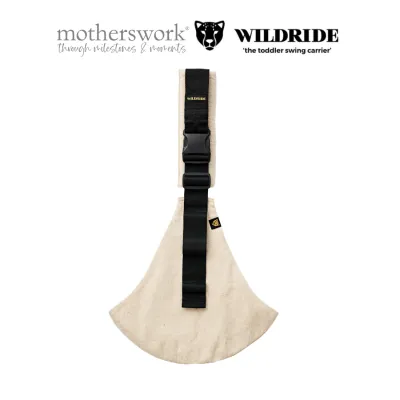
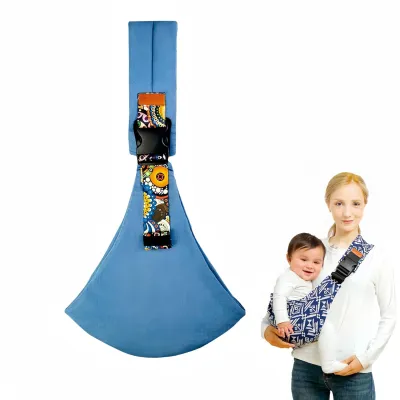
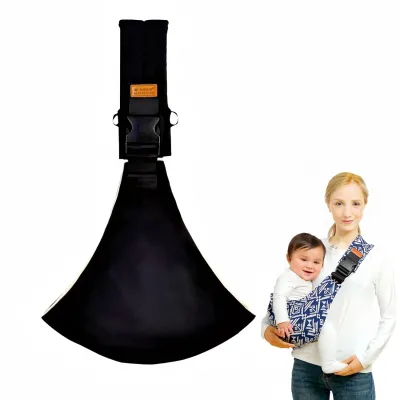
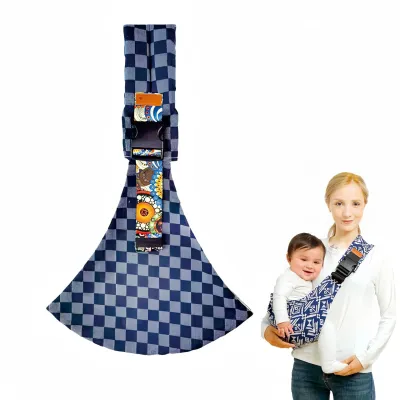
Prices are valid at publication and may change. Please refer to the product page for the latest price.
In addition to hip positioning, a carrier must support the natural curve of a baby’s spine. Newborns and young infants have a C-shaped spine that gradually straightens as they develop neck and trunk control. The carrier’s fabric or panel should gently hug the baby’s back without forcing it into an unnaturally straight position, while still preventing the baby from slumping, which can compromise their airway.
For the caregiver, ergonomic design centers on weight distribution. Carrying a growing child puts significant pressure on the shoulders, neck, and lower back. High-quality carriers typically feature wide, padded shoulder straps and a structured waistband to transfer a substantial portion of the baby’s weight to the wearer’s hips. When weight is distributed evenly across the pelvis and shoulders, the caregiver can maintain a neutral posture, reducing muscle fatigue and spinal strain during extended use.
Finally, safety and ergonomic certifications provide an objective measure of a carrier’s design quality. When shopping, caregivers should check the product packaging or the manufacturer’s official documentation for recognition from established hip health organizations, such as the International Hip Dysplasia Institute. These acknowledgments indicate that the carrier has been evaluated to ensure it supports healthy joint development when used according to the manufacturer’s instructions.
Inspecting Wildride’s Ergonomic Features
To evaluate how the Wildride hip carrier performs ergonomically, caregivers must first check the manufacturer’s stated weight, age, and developmental limits. Unlike full-body structured carriers that can sometimes accommodate newborns with specialized inserts, the Wildride is designed specifically as a toddler hip carrier. This means it is intended for older babies and toddlers who have already achieved robust head, neck, and independent sitting control. Using this style of carrier before a child reaches these developmental milestones can compromise their safety and spinal alignment.

When inspecting the seat design of the Wildride, observe how the fabric supports the child’s lower body. Because it is a minimalist hip carrier, it features a simplified seat pouch rather than a deep, structured bucket seat. Caregivers must manually adjust the fabric during positioning to ensure it extends fully from knee crease to knee crease. This manual adjustment is necessary to maintain the recommended M-shape positioning, as a seat that is too narrow will allow the legs to dangle straight down, placing undue pressure on the hip joints.
Another critical area to inspect is the single-shoulder strap system. Unlike traditional carriers that distribute weight symmetrically across both shoulders, the Wildride utilizes a diagonal sash design that rests on one shoulder and crosses the back. Caregivers should examine the density and width of the shoulder padding. A wider, more cushioned strap helps spread the load across the shoulder muscle, but because the weight is asymmetrical, it is important to monitor how your neck and shoulder feel during use. The lack of a supportive waistband means the wearer’s shoulder and core muscles carry the entirety of the child’s weight.
Adjustability is also key to achieving a safe fit. The Wildride features a robust buckle and strap system that allows the wearer to tighten or loosen the carrier quickly. When adjusting the strap, ensure the child is held close to your body and high on your hip. If the carrier is adjusted too loosely, the child will sag outward, pulling on your shoulder and forcing your spine to tilt sideways to compensate for the off-center load.
Comparing Design Approaches: Wildride vs. Mainstream Alternatives
When deciding between a minimalist hip carrier like the Wildride and heavily structured mainstream alternatives, the choice often comes down to your daily environment and lifestyle. In Singapore’s warm and humid climate, heavily padded, multi-strap carriers can quickly become uncomfortably hot for both the parent and the child. Minimalist carriers, which use less fabric and cover less of the parent’s torso, offer excellent breathability and help keep both parties cooler during outdoor errands or quick trips to the neighborhood market.
Storage and portability represent another major point of contrast. Structured carriers, while highly supportive, are often bulky and difficult to pack into a standard diaper bag or stroller basket. They can feel cumbersome when navigating crowded public transport or tight store aisles. In contrast, a minimalist hip carrier can be easily folded or rolled up, fitting effortlessly into a small bag when your toddler decides they prefer to walk. This makes it highly convenient for the transitional phase where toddlers alternate frequently between walking and wanting to be carried.
However, the fastening systems of these different styles present distinct trade-offs. Structured carriers often feature complex buckle systems, chest clips, and lumbar support pads that require a learning curve to adjust correctly, especially when switching between caregivers of different heights or body types. Wrap-style carriers require careful tying techniques to ensure safety. A hip carrier like the Wildride offers a much simpler fastening method, allowing you to slip it on and secure the buckle in seconds. This speed is highly advantageous when managing an active toddler who dislikes being strapped in for long periods.
Parent body type compatibility is another essential factor to evaluate. Symmetrical, double-shoulder carriers with wide waistbands are generally more accommodating for long-duration carrying because they distribute weight evenly, regardless of the wearer’s height or torso length. A single-shoulder hip carrier concentrates the load on one side of the body. Wearers with narrow shoulders, scoliosis, or pre-existing neck and back sensitivities may find that asymmetrical carrying causes discomfort more quickly than a balanced, two-shoulder system. Testing how different strap configurations sit on your frame is highly recommended before making a final decision.
Decision Framework: Which Carrier Should You Choose?
To determine which baby carrier best suits your family, consider your primary usage scenarios and physical needs. A minimalist hip carrier like the Wildride is an excellent choice if your daily routine involves short, frequent trips where your child constantly transitions between walking and being carried. Its compact size, ease of storage, and quick buckle adjustments make it highly practical for active parents who value mobility and want to avoid the heat of a fully structured carrier.
Conversely, you should opt for a heavily structured, double-shoulder mainstream carrier if you plan to carry your child for extended periods, such as long family outings, hikes, or travel. These structured models are also necessary if you are carrying a younger infant who has not yet developed the trunk control required for a hip carrier. The robust lumbar support and symmetrical weight distribution of structured carriers are indispensable for preventing fatigue during long-duration wear, especially if you have a history of back or shoulder pain.
Regardless of the brand or style you prefer, safety must always come first. If you are recovering postpartum, experiencing persistent back pain, or if your child has unique physical or orthopedic needs, consult a pediatrician, physical therapist, or qualified babywearing consultant before using any carrier. They can provide personalized guidance to ensure that your chosen carrying method supports your recovery and your child’s healthy physical development.
Frequently Asked Questions (FAQ)
At what age or weight can a baby safely start using a structured carrier?
Babies can typically transition to a standard upright structured carrier once they exhibit consistent head and neck control, which usually develops around four to six months of age. However, developmental milestones vary for every child, and some structured carriers are designed with specialized infant inserts to support newborns safely from birth. Always check the specific minimum weight, height, and age requirements printed on your carrier’s product label or instruction manual before first use to ensure a safe fit.
How can I tell if the baby carrier is causing me back or shoulder pain?
Common signs that a baby carrier is poorly fitted or unsuitable for your body include localized aching in your lower back, sharp pinching in your shoulders, or a tendency to lean forward or backward to balance the weight. If you experience these symptoms, check that the waistband is positioned snugly on your hips rather than your waist, and ensure all shoulder and chest straps are tightened so the baby is held close to your center of gravity. If discomfort persists after adjusting the fit, stop using the carrier and consult a healthcare professional.

Community discussion
Share your experience or ask a question. Comments are reviewed before publication.