
Waking up to a damp shirt or noticing wet patches on your clothing during a busy afternoon is a common and frustrating experience. If your breast pad keeps leaking through, it is rarely a sign of a single product flaw. Instead, it usually points to a mismatch between the pad’s absorbent capacity, its placement inside your bra, and your unique milk flow patterns.
Finding the right balance requires analyzing your daily routine, your physical setup, and the materials you wear. By identifying where the breakdown occurs, you can make simple adjustments to keep your skin dry, protect your wardrobe, and nurse comfortably.
Recognizing the Signs of Breast Pad Failure
Identifying a failing breast pad setup involves looking for specific physical cues before a major leak occurs. The most obvious sign is a damp spot appearing on your outer clothing, but subtle warnings often show up much earlier. You might notice a cold, heavy sensation against your chest, or find that the pad has folded, bunched, or completely shifted away from your nipple inside your bra cup.
Products mentioned in this guide
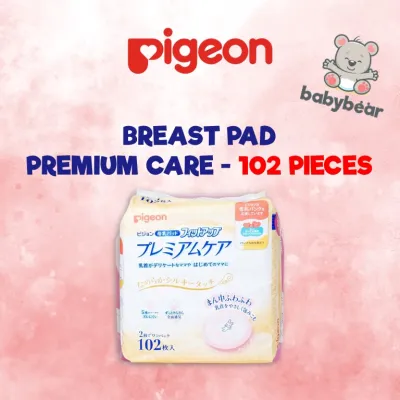
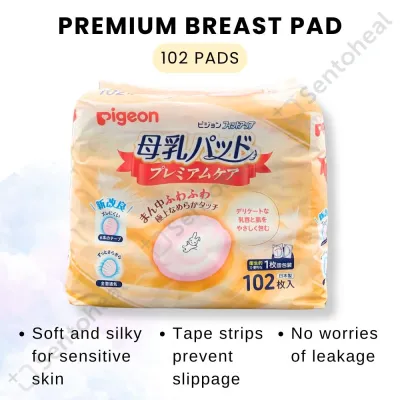
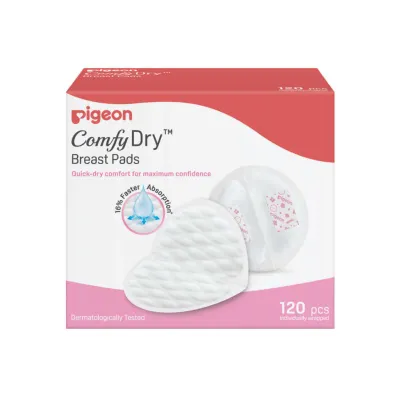
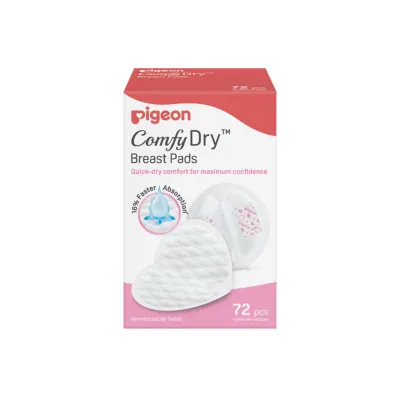
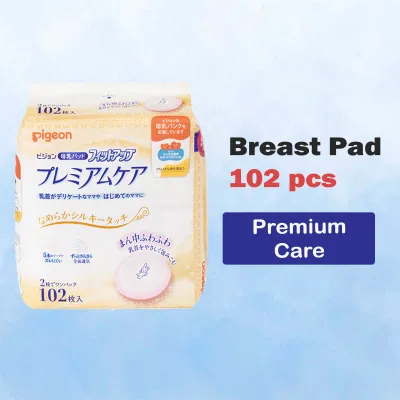
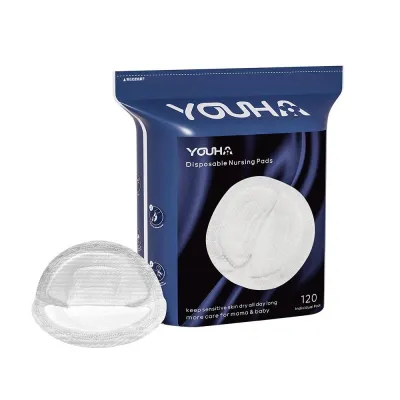
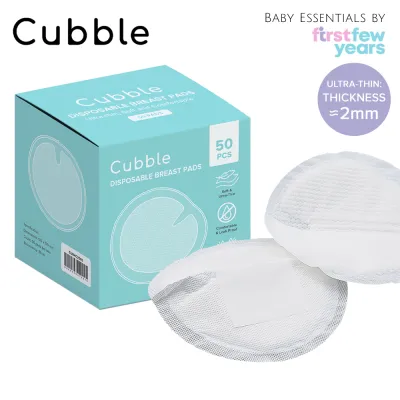
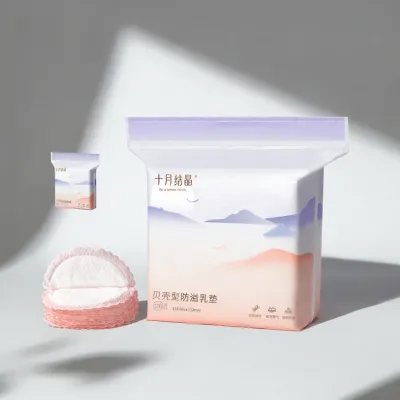
Prices are valid at publication and may change. Please refer to the product page for the latest price.
In Singapore’s warm and humid tropical climate, trapped moisture can quickly lead to localized skin irritation, itching, or redness. This discomfort is a clear signal that your pad is no longer wicking moisture away effectively. Leaks are particularly common during specific high-risk scenarios, such as overnight sleep when changing intervals are longer, during a strong let-down reflex on the non-nursing side, or when transitioning between busy daytime activities.
While occasional minor dampness can happen during sudden milk surges, consistently soaking through to your bra or outer layers indicates a systemic issue. When this occurs regularly, it is time to evaluate your pad’s fit, material, and capacity rather than assuming you must simply tolerate the wetness.
Why Your Breast Pads Keep Leaking Through
Resolving persistent leaks requires understanding that breast pad performance relies on a combination of fit, absorbency, changing habits, and structural design. When one of these elements is out of alignment with your daily milk production, the pad’s ability to hold fluid compromised.

Incorrect Fit, Size, or Placement
A breast pad cannot absorb moisture if it is not positioned correctly over the source of the flow. If a pad is too small for your breast volume or is improperly aligned, it will leave the perimeter of your nipple unprotected. This allows escaping milk to bypass the absorbent core entirely and seep directly into your bra fabric.
Your nursing bra plays a critical role in keeping the pad functional. A bra that is too loose allows the pad to slide around as you move, walk, or tend to your baby. Conversely, an overly tight bra compresses the pad’s absorbent core, squeezing trapped liquid back out toward your skin and clothing in what is known as a compression leak.
Insufficient Absorbency for Your Milk Flow
Milk production varies significantly between individuals and even at different times of the day. Standard daytime pads are designed for light leaks or minor drips between feeds. If you experience a heavy let-down, an oversupply, or rapid milk release, these thin everyday options will quickly overflow.
Using lightweight daytime pads for overnight sleep is a frequent cause of morning leaks. During the night, the intervals between nursing or pumping sessions naturally stretch longer, allowing milk to accumulate. To prevent this, check product packaging for specific absorbency ratings rather than relying on generic maternity labels, as manufacturers design distinct lines for varying flow levels.
Infrequent Changing and Pad Saturation
Every breast pad has a physical limit to the volume of liquid it can safely hold. Once the inner absorbent core reaches its maximum saturation point, it loses the ability to pull fresh moisture away from the surface.
When a pad remains saturated, any external pressure—such as holding your baby close to your chest, leaning forward, or wearing a seatbelt—forces the trapped milk outward. Additionally, once the core is full, the moisture-wicking top sheet fails, causing milk to pool on the surface of your skin and spill over the edges of the pad.
Material and Design Limitations
The construction of the pad itself can make it prone to leaking. Disposable pads that lack reliable adhesive strips frequently bunch up or shift during sleep and daily movement. Without secure anchoring, even a highly absorbent pad will fail to protect your clothing.
Low-quality disposable options often feature thin or compromised waterproof backing layers that allow moisture to seep directly through the rear of the pad. For reusable cloth pads, structural integrity can degrade over time. Repeated washing can wear down the internal waterproof membranes or cause the fibers to pill, reducing both their absorbency and their ability to wick moisture away.
Practical Solutions to Stop Breast Pad Leaks
Once you understand why your pads are failing, you can implement targeted changes to your nursing gear and daily habits. Shifting from a reactive approach to a proactive routine will significantly reduce the frequency of leaks.
Adjusting Fit, Positioning, and Bra Support
To ensure maximum coverage, take time to position each pad carefully. Center the pad directly over your nipple, smoothing out any wrinkles or folds so it lays completely flat against the natural contour of your breast.
Ensure your nursing bra fits snugly enough to hold the pad firmly against your skin without digging into your breast tissue. The bra should provide gentle, supportive compression that keeps the pad flush against your body, preventing gaps where milk could escape. If you find that your pads constantly slide out of place during daily tasks, choose disposable options with wide, high-quality adhesive tabs, or opt for contoured reusable pads that naturally match your breast shape.
Upgrading to Higher-Absorbency or Specialized Pads
If your current pads saturate quickly, upgrade to specialized products designed for heavy flows. Switch to multi-layered, ultra-absorbent, or designated “overnight” breast pads before going to bed. These options feature thicker cores, often made with super-absorbent polymers that turn liquid into a gel, locking moisture away for longer periods.
For extreme oversupply or intense let-down reflexes, consider using specialized leak-proof silicone pads or food-grade silicone breast milk collectors. These collectors sit inside your bra to catch leaking milk rather than absorbing it, allowing you to save the milk for your freezer stash. Always use these collectors according to the manufacturer’s safety guidelines, cleaning them thoroughly and avoiding prolonged wear to prevent skin maceration.
Optimizing Your Changing Routine
Preventing saturation requires a proactive changing schedule. Make it a habit to replace your breast pads immediately after nursing or pumping if they feel damp, heavy, or cool. Do not wait for them to become completely soaked before swapping them out.
Establish a practical maximum time limit for wearing a single pad during the day, such as every three to four hours, even if you feel dry. To make frequent changes convenient, keep a well-stocked supply of spare pads in your diaper bag, your home nursing station, and on your bedside table so you are never caught without a dry replacement.
Preventing Leaks and Protecting Your Skin Health
Managing breast pad leaks is essential not only for your comfort and clothing but also for protecting your skin. The warm, dark, and damp environment created by a wet breast pad is an ideal breeding ground for yeast and bacteria, which can lead to painful conditions like thrush or bacterial infections.
Always prioritize breathable materials when selecting breast pads. High-quality disposable pads with breathable outer membranes or reusable pads made from natural fibers like bamboo or organic cotton allow air to circulate, keeping the skin dry and cool. After nursing or pumping, allow your nipples to air-dry completely for a few minutes before placing a fresh pad over them.
If you use nipple balms, creams, or lanolin ointments to soothe dry skin, apply them sparingly. Heavy application of these products can transfer oily residues to your breast pads. On disposable pads, these oils can degrade the adhesive backing, causing them to slip. On reusable cloth pads, the oils can coat the fabric fibers, creating a barrier that repels liquid and severely reduces the pad’s absorbency over time. When using reusable pads, always follow the manufacturer’s care and washing labels precisely, avoiding fabric softeners and dryer sheets which leave absorbency-robbing residues.
When to Seek Professional Lactation Support
While adjusting your breast pads and changing routine can resolve most leaking issues, some situations require professional guidance. Occasional leaking is a normal part of the postpartum period as your body regulates its milk supply, but excessive, uncontrollable leaking may point to underlying physiological factors.
If your constant leaking is accompanied by painful breast engorgement, hard lumps, or localized warm spots, you may be dealing with blocked ducts or oversupply. A certified lactation consultant can work with you to assess your baby’s latch, optimize your feeding or pumping schedule, and help naturally regulate your milk production to a manageable level.
When to Consult a Healthcare Provider:
- You experience severe breast pain, localized redness, swelling, or warmth.
- You develop a fever, chills, or flu-like symptoms, which are common signs of mastitis.
- The skin on your breast or nipple becomes broken, cracked, blistered, or bleeds.
- You suspect a fungal infection, such as thrush, characterized by shooting pains during or after feeding, or shiny, itchy, or burning nipples.
- Your baby is not gaining weight adequately or shows signs of dehydration, despite your high milk output.
Frequently Asked Questions (FAQ)
Can I use panty liners instead of breast pads?
Using panty liners as a substitute for breast pads is not recommended. Panty liners are flat and do not contour to the natural shape of the breast, which leads to gaps and frequent leaks. More importantly, they often contain chemical adhesives, synthetic fragrances, or plastic backings that are not tested for safe contact with sensitive nipple skin, posing a risk of skin irritation and chemical exposure to your nursing infant.
How do I wash reusable breast pads without ruining their absorbency?
To maintain the performance of reusable breast pads, always follow the manufacturer’s specific care label. Wash them in warm water using a mild, fragrance-free detergent. Crucially, avoid using fabric softeners or dryer sheets, as these products leave a waxy coating on the fabric fibers that repels moisture and destroys absorbency. Ensure the pads are completely dry before storing or wearing them to prevent any microbial growth.

Community discussion
Share your experience or ask a question. Comments are reviewed before publication.