
A sudden drop in your breast pump’s suction can turn a routine session into a stressful experience. When your Spectra breast pump loses its pulling power, the issue is rarely a broken motor. Instead, the culprit is almost always a minor compromise in the pump’s closed vacuum system, such as a worn silicone valve, a tiny tear in a backflow membrane, condensation in the tubing, or an improper flange fit. Identifying the exact source of the leak allows you to restore full suction quickly, ensuring comfortable and efficient milk expression.
Quick Checks: Identify Where the Suction Loss Is Happening
Before replacing parts, isolate whether the suction loss stems from the motor unit or the external collection kit. Common symptoms of suction loss include a weak pulling sensation, inefficient milk expression, or a subtle change in the rhythm and sound of the motor. If the motor sounds like it is straining or working without resistance, air is likely escaping from somewhere in the assembly.
To rule out mechanical motor failure, perform a simple suction test directly on the pump unit. Unplug the tubing from the air port on the front of the Spectra machine. Turn the pump on to expression mode and place a clean finger firmly over the exposed nozzle. If you feel a strong, rhythmic vacuum pull against your fingertip, your motor is functioning perfectly. This indicates that the suction loss is occurring somewhere along the tubing, backflow protector, valve, or flange.
Products mentioned in this guide
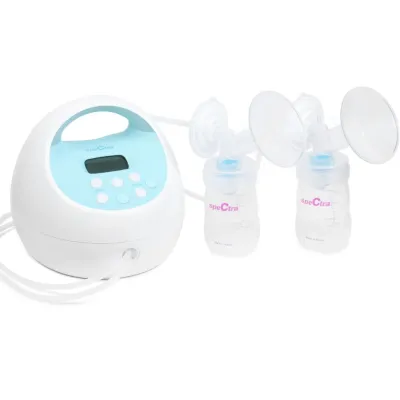
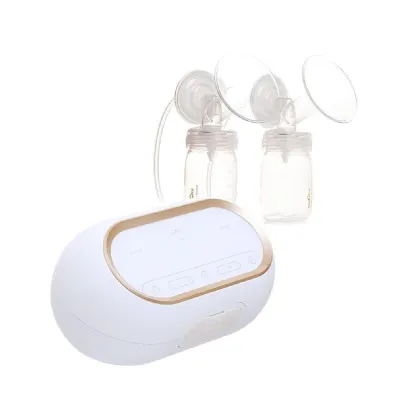
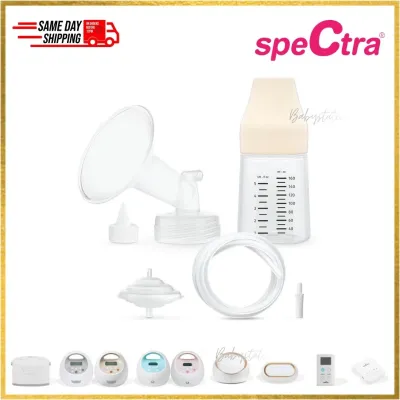
Prices are valid at publication and may change. Please refer to the product page for the latest price.
If you feel little to no suction directly at the motor port, ensure the power adapter is securely connected to both the wall outlet and the pump. For rechargeable models like the Spectra S1 or 9 Plus, check that the battery is sufficiently charged, as low power can occasionally affect vacuum consistency. Once you confirm the motor is generating a strong vacuum, focus your troubleshooting on the physical connections and silicone components, which are the most common points of failure.
Common Causes and Step-by-Step Fixes for Spectra Pumps
Spectra breast pumps operate on a closed vacuum system designed to prevent milk from entering the tubing and motor. While this design is highly hygienic, it means that the entire assembly must be completely airtight to function. Even a microscopic tear in a silicone membrane, a loose connection, or a slightly misaligned valve will break the vacuum seal, causing a drastic drop in suction.

To locate the leak systematically, work your way from the parts closest to your body back to the pump motor. This logical sequence helps you avoid unnecessary replacements and ensures you address the most vulnerable, high-wear components first. Always refer to your specific Spectra model’s user manual before making adjustments, and stop using the device if you notice any unusual electrical behavior.
Inspect and Replace Wear Parts (Valves and Membranes)
The small silicone duckbill valves or valve membranes are critical components for generating vacuum pressure. The duckbill valve stretches and contracts with every cycle, opening to let milk flow into the bottle and closing tightly to hold the vacuum. Because they are made of thin, flexible silicone, these parts naturally stretch, degrade, or develop micro-tears over time due to regular washing and sterilisation.
To inspect your valves, remove them from the breast shield and hold them up to a bright light. Gently pinch the base to check the slit at the tip. If the slit does not seal completely flat when relaxed, or if you spot any warping, stretching, or tiny tears, the valve cannot maintain a vacuum. Even a tiny gap that is barely visible to the naked eye can cause a complete loss of suction.
When installing a replacement valve, ensure it is completely dry and pushed firmly onto the connector. A wet valve can slide off or allow air to seep through. Depending on how frequently you pump, these silicone parts require regular replacement. For exclusive pumping, valves may need to be replaced every 4 to 8 weeks, while occasional pumpers can expect them to last up to 3 months.
Check Tubing and Backflow Protectors for Moisture or Blockages
The backflow protector is a physical barrier consisting of a plastic casing and a silicone membrane. It sits between the flange assembly and the tubing, preventing milk and moisture from reaching the pump motor. If the silicone membrane inside the backflow protector is stretched, torn, or improperly seated, air will leak, leading to immediate suction loss.
Moisture or condensation inside the tubing is another common issue, particularly in Singapore’s highly humid tropical climate. When warm air inside the collection kit meets the cooler ambient air, water droplets can form inside the tubes. This moisture alters the air pressure within the closed system, dampening the suction. If you notice condensation, disconnect the tubing from the collection kit but leave it attached to the pump motor. Run the pump for 5 to 10 minutes to allow the airflow to dry out the inside of the tubes completely.
Never wash or sterilise the tubing, as it is designed to remain completely dry. If milk somehow bypasses the backflow protector and enters the tubing, turn off the pump immediately to prevent motor damage. In this scenario, replace the soiled tubing and thoroughly inspect the backflow protector membrane for tears or improper assembly before pumping again.
Ensure Proper Flange Fit and Seal
Suction loss does not always stem from a mechanical or component leak; it can also happen if the breast shield, or flange, does not form an airtight seal against your skin. If the flange is too large, excess areola tissue is drawn into the tunnel, which can block the milk ducts and break the vacuum. If the flange is too small, your nipple will rub against the tunnel walls, causing friction and an incomplete seal.
During a pumping session, observe how your breast fits inside the flange. The nipple should move freely back and forth in the center of the tunnel without excessive areola being pulled in. If you hear a faint whistling or hissing sound during a cycle, air is escaping around the edges of the breast shield. Ensure the shield is pressed firmly and evenly against your breast tissue.
Keep in mind that breast and nipple sizes can change significantly throughout your breastfeeding journey, especially during the first few weeks postpartum. If you experience sudden suction issues or discomfort, re-measure your nipple diameter using a sizing ruler. You may need to transition to a different flange size to maintain a proper seal and ensure comfortable, efficient milk expression.
Verify Bottle and Connector Assembly
The connection points between the flange, the backflow protector, and the collection bottle must be completely secure. If the bottle is not screwed on straight, air can enter through the threads, disrupting the vacuum loop. Always ensure that the bottle is aligned correctly and tightened firmly, but avoid overtightening, which can warp the plastic threads over time.
Some Spectra accessories and wide-neck bottle adapters utilise small silicone O-rings or sealing discs to maintain an airtight connection. Inspect these rings during assembly to ensure they are clean, free of lint or hair, and seated flat within their grooves. If an O-ring is missing or damaged, replace it immediately to restore the system’s vacuum integrity.
Troubleshooting Table: Symptoms, Causes, and Quick Fixes
The following table provides a quick-reference guide to help you match specific suction symptoms with their most likely causes and practical solutions.
| Symptom | Most Likely Cause | Quick Fix |
|---|---|---|
| Weak pull but motor sounds normal | Worn or torn duckbill valve | Inspect the valve tip for gaps or tears; replace with a new silicone valve. |
| Motor sounds strained or pitch changes | Blocked tubing or wet backflow protector | Run the pump with only tubing attached to dry it; check the backflow membrane for moisture. |
| Air leaking from the edges of the flange | Incorrect flange size or poor skin contact | Re-measure nipple size; press the breast shield firmly and evenly against the breast. |
| Moisture visible in the tubes | High humidity or damaged backflow membrane | Replace the backflow membrane if torn; run the motor with empty tubing to clear condensation. |
| Zero suction at the breast but strong at the port | Loose connection in the collection kit | Reassemble all parts, ensuring the tubing, backflow protector, and valve are pressed firmly. |
When to Contact Spectra Support or Seek Warranty Service
While most suction issues are easily resolved by replacing worn accessories, certain symptoms point to internal mechanical or electrical failures. If your Spectra pump refuses to turn on, displays unusual error codes, emits a burning smell, or produces no suction even when you seal the motor port directly with your finger, the internal motor or battery may be compromised.
Under no circumstances should you attempt to open the plastic casing or repair the motor unit yourself. Breast pumps are precision medical devices, and opening the housing poses significant electrical safety risks and will immediately void your manufacturer’s warranty. If you suspect an internal fault, stop using the pump immediately and unplug it from the wall.
For parents in Singapore, contact the authorized local Spectra distributor or service center to initiate a diagnostic check or warranty claim. Ensure you have your proof of purchase, warranty card, and serial number (located on the bottom of the pump unit) ready. Authorized service centers can test the precise vacuum output using professional pressure gauges to determine if your pump requires a repair or replacement under warranty.
Daily and Weekly Maintenance to Prevent Future Suction Loss
Establishing a consistent cleaning and maintenance routine is the best way to prevent sudden suction loss and extend the operating life of your Spectra breast pump. Any buildup of dried milk fat or soap residue on the valves or backflow membranes can prevent them from sealing properly, leading to gradual vacuum degradation.
For daily maintenance, wash all parts that come into direct contact with breast milk—such as the flanges, duckbill valves, and bottles—in warm, soapy water after every use. Rinse them thoroughly in clean water and allow them to air-dry completely on a clean paper towel or dedicated drying rack. When sterilising parts, always consult your Spectra user manual for approved temperature limits, as excessive heat from steam sterilizers or UV cabinets can accelerate the degradation of silicone components.
For non-milk-contact parts, a simple weekly check is sufficient. Wipe down the exterior of the motor unit with a clean, slightly damp cloth, ensuring no liquid enters the air ports or power jack. Inspect the tubing for any signs of dust or moisture, and replace it immediately if it appears cloudy or stretched at the connection ends.
To maintain consistent suction, proactively replace your consumable parts according to a regular schedule. As a general guideline, replace duckbill valves every 1 to 3 months, backflow protector membranes every 3 to 6 months, and tubing every 6 months. Keeping a spare set of genuine replacement parts on hand ensures you are never left without a working pump when you need it most.
Frequently Asked Questions (FAQ)
Can I use third-party replacement parts for my Spectra pump?
While third-party valves, membranes, and flanges are widely available on online marketplaces and can be more budget-friendly, they may not meet the exact engineering tolerances required by your Spectra pump. Minor variations in silicone thickness or connector diameter can result in subtle air leaks, leading to inconsistent suction and less efficient milk expression.
Furthermore, using non-original equipment manufacturer (OEM) accessories can pose safety and warranty risks. If a third-party backflow protector fails and allows milk to enter the tubing and damage the motor, your manufacturer’s warranty will be voided. To ensure optimal performance, hygiene, and safety, it is highly recommended to use genuine Spectra replacement parts purchased from authorized retailers in Singapore.
Community discussion
Share your experience or ask a question. Comments are reviewed before publication.