
Selecting the ideal diaper bag depends on your outing duration, destination, and the volume of baby essentials you need to carry. For parents in Singapore, where a day can easily transition from an air-conditioned shopping mall to a humid outdoor park, choosing the right bag layout is essential. A compact tote or crossbody style works best for quick errands, while an ergonomic backpack is ideal for long days out, and a high-capacity travel bag handles overnight trips or flights.
To make an informed decision, you must evaluate how each bag style aligns with your daily routine, storage requirements, and carrying comfort. This guide breaks down the primary outing scenarios Singaporean parents face and details the key specifications to verify before choosing your next diaper bag.
Quick Guide: Matching Umee Bag Styles to Your Outing Needs
Before diving into specific features, it is helpful to understand how different bag designs serve distinct parenting scenarios. Matching your typical outing duration with the correct bag style ensures you do not carry unnecessary bulk on short trips or run out of storage space during long days away from home.
Products mentioned in this guide
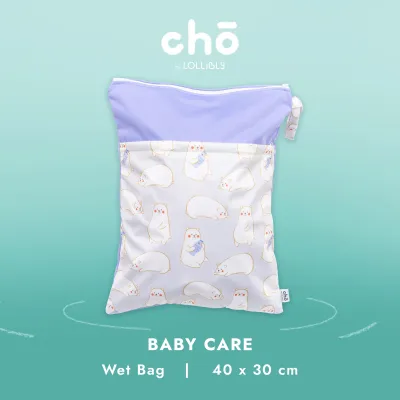
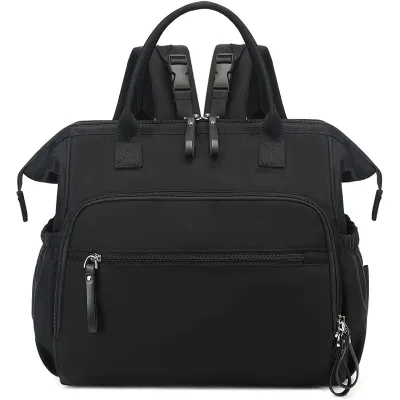
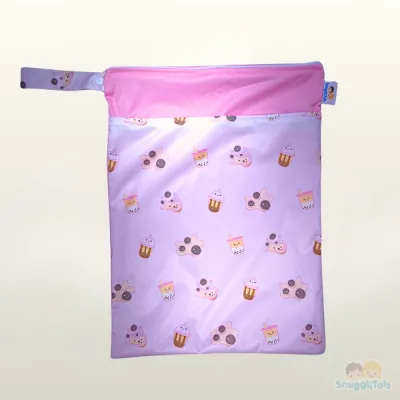
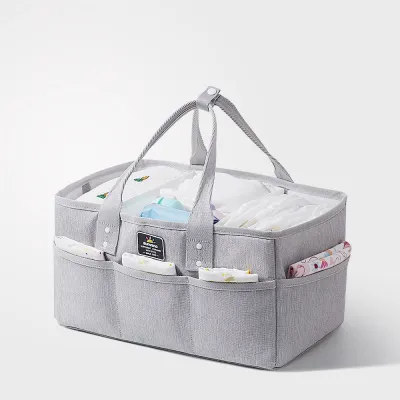
Prices are valid at publication and may change. Please refer to the product page for the latest price.
Parenting routines generally fall into three main categories, each requiring a different level of preparation and gear capacity:
- Short Mall Trips (2–4 Hours): These quick excursions require immediate, one-handed access to a small selection of high-frequency essentials. A compact tote or crossbody bag is ideal because it keeps your gear lightweight and easy to navigate through crowded shopping aisles.
- Full-Day Outdoor Outings (4–8+ Hours): Spending the day at a park, zoo, or family gathering demands hands-free mobility and balanced weight distribution. An ergonomic backpack style is the most practical choice, allowing you to carry heavier loads comfortably while keeping your hands free to manage a stroller or hold your child's hand.
- Travel and Overnight Journeys (1+ Days): Traveling or staying overnight requires maximum storage capacity to accommodate bulky items like breast pumps, multiple changes of clothes, and larger diapering setups. A high-capacity travel bag with a wide-opening main compartment ensures you can pack and organize several days' worth of supplies efficiently.
While these style categories provide a reliable starting point, you should always verify the specific model’s dimensions, compartment layout, and empty weight on the manufacturer’s product label or official listing. Features can vary between individual product releases, so checking the exact specifications ensures the bag meets your specific physical and organizational needs.
Choosing an Umee Diaper Bag for Short Mall Trips
When you are heading out for a quick 2-to-4-hour trip to a local shopping center, carrying a massive, heavy diaper bag is unnecessary and tiring. For these short excursions, your primary goal is speed and convenience. You only need to pack a few high-frequency essentials: two or three diapers, a travel pack of wet wipes, a compact changing mat, a single bottle, and perhaps a spare pacifier or small toy.

Compact tote bags or crossbody diaper bags are exceptionally well-suited for these brief trips. A key benefit of these styles is the ease of grabbing items with one hand. When you are holding a fussy baby in a public nursery room, you do not want to struggle with complicated straps or deep, dark compartments. A crossbody bag can easily be swung to the front of your body, allowing you to unzip the main compartment and retrieve a wipe or diaper instantly while keeping your other hand safely on your child.
Another critical factor to consider for mall outings is the bag’s physical structure. Public changing tables and restroom shelves are often narrow and crowded. A diaper bag with a flat, reinforced base and structured sides will stand upright on its own when placed on a flat surface. This prevents the bag from tipping over, keeping the interior contents clean and preventing your baby’s items from spilling onto public floors.
Finally, hands-free navigation is crucial when pushing a stroller through busy retail spaces. Before purchasing a compact bag, verify whether the specific model includes built-in stroller straps or detachable clips. These attachments allow you to secure the bag directly to your stroller’s handlebar, freeing up your hands and keeping the stroller’s lower basket open for shopping purchases. Always check your stroller manufacturer’s manual to ensure hanging a bag on the handlebar does not exceed the recommended weight limit or pose a tipping hazard.
Selecting the Right Umee Backpack for Full-Day Outings
Full-day outings—such as a day trip to the Singapore Botanic Gardens, a visit to the zoo, or an extended family gathering—require a completely different approach to packing. Because you will be away from home for eight hours or more, you must pack a substantial amount of gear, including extra clothing, multiple meals, diapers, wipes, toys, and personal items. Carrying this weight on one shoulder for several hours can quickly lead to muscle strain and fatigue.
An ergonomic backpack is the most practical solution for long days out. By distributing the weight evenly across both shoulders, a backpack minimizes localized strain on your neck and back. More importantly, a backpack keeps your hands completely free. This hands-free design is invaluable when you need to lift your child, push a stroller up a ramp, navigate public buses, or carry a balance bike through a park.
When choosing a backpack for outdoor use in Singapore’s warm and humid climate, temperature control is a major consideration. Look for models equipped with dedicated, insulated bottle pockets. These specialized compartments help maintain safe temperatures for breast milk, prepared formula, or pureed baby food while you are outdoors. Keep in mind that insulation performance varies, so you should always check the manufacturer’s guidelines regarding how long the pocket can safely maintain cool temperatures, especially on hot days.
Organization is equally important when carrying a large volume of gear. A well-designed diaper backpack should feature multiple internal and external compartments to help you separate items logically. Look for features such as:
- Dedicated Wet/Dry Compartments: Essential for isolating sweat-soaked clothes, wet swimsuits, or soiled items from clean gear.
- Quick-Access Side Pockets: Ideal for holding your own water bottle or a pack of tissues within easy reach.
- Secure Valuables Pockets: A zippered pocket positioned against your back provides a safe place to store your phone, keys, and wallet while navigating crowded areas.
Lastly, outdoor environments expose your bag to dirt, grass, and sudden tropical downpours. Before buying, check the manufacturer’s specifications to ensure the exterior material is water-resistant and the interior lining is non-porous and easy to wipe clean. This ensures that minor spills or light rain showers will not ruin your gear or stain the bag’s fabric.
Finding an Umee Travel Diaper Bag for Overnight Journeys
Traveling with an infant or toddler—whether it is a weekend staycation, a short flight, or an overnight visit to relatives—demands maximum storage capacity. In these scenarios, you are not just packing for a few hours; you are carrying multiple changes of clothes, sleep sacks, sleep machines, a full supply of formula or breast pump equipment, larger changing pads, and travel-sized toiletries. A standard daily diaper bag will quickly overflow, making a dedicated, high-capacity travel diaper bag a necessity.
When evaluating a travel-sized diaper bag, pay close attention to the entry design of the main compartment. Bags with a wide-opening structure, such as a doctor-bag style or a full clamshell zipper that opens flat, are highly advantageous. These designs allow you to see the entire contents of the bag at a single glance. This prevents you from having to dig blindly through layers of clothing to find a specific item buried at the bottom, which is especially helpful during hectic airport transits or in dark hotel rooms.
If you plan to use the bag for air travel or public transit, you must verify its external dimensions against standard cabin luggage or personal item limits. A travel diaper bag should be compact enough to fit comfortably under an airplane seat or in an overhead compartment, yet spacious enough to hold all your essential travel gear. Many travel-specific diaper bags also feature a built-in trolley sleeve on the back, allowing you to slide the bag securely over the handle of your rolling suitcase for easier transit through airport terminals.
Because travel bags carry significantly heavier loads, structural durability is paramount. Carefully inspect the quality of the zippers, the reinforcement of the stitching at major stress points (such as where the straps attach to the bag body), and the thickness of the shoulder straps. Check the manufacturer’s care instructions or product documentation for any stated weight limits. Overloading a bag beyond its designed capacity can cause zippers to split or seams to tear, which can be highly disruptive when you are away from home.
Essential Specifications and Safety Checks Before You Buy
Before finalizing your purchase of any diaper bag model, it is essential to perform a thorough check of its physical, ergonomic, and safety specifications. Taking the time to verify these details ensures the bag is safe for daily use, comfortable to carry, and easy to maintain over time.
Material and Cleaning
Always locate and read the care label inside the bag before attempting to clean it. Diaper bags are highly susceptible to milk spills, leaked purees, and outdoor dirt, making easy maintenance a priority. Verify whether the interior lining is fully wipeable with a damp cloth or if the entire bag is machine washable. Be aware that many water-resistant exterior coatings can be damaged or stripped away by machine washing, tumble drying, or harsh chemical detergents. If the cleaning instructions are unclear, contact the manufacturer directly to avoid damaging the materials.
Weight and Ergonomics
Before you pack a single diaper, the empty weight of the bag itself matters. A bag that is heavy when empty will quickly become uncomfortable once loaded with bottles, water, and baby gear. Look for lightweight base materials that do not sacrifice structural integrity. Additionally, examine the shoulder straps: they should be wide, contoured, and padded with breathable mesh to help distribute weight comfortably and minimize sweat buildup in warm weather. Ensure the straps are easily adjustable so you can customize the fit to your body frame.
Hardware and Safety
Carefully inspect all hardware, including zippers, metal clasps, and stroller attachment clips. Zippers should glide smoothly without catching on the fabric, as stuck zippers can be incredibly frustrating during urgent diaper changes. Ensure there are no small, easily detachable plastic or metal parts on the zipper pulls or decorative elements, as these can pose a serious choking hazard if a curious baby or toddler manages to pull them off. If the bag includes stroller straps, verify that the fastening mechanism locks securely and will not slip under the weight of a fully loaded bag.
Warranty and Authenticity
To protect your investment, purchase your diaper bag only from authorized retailers, official brand stores, or reputable online marketplaces. Buying from official channels guarantees that you are receiving an authentic product made from safe, non-toxic materials. It also ensures that you have access to valid warranty coverage and customer support in the event of a manufacturing defect, such as a broken zipper or a torn seam, shortly after purchase.
Frequently Asked Questions (FAQ)
Can I use a regular Umee backpack as a diaper bag?
While you can technically use a standard backpack to carry baby items, it generally lacks the specialized features designed for baby care. Dedicated diaper bags typically include insulated bottle pockets to keep milk at safe temperatures, wipeable interior linings to handle spills easily, and built-in stroller straps for hands-free convenience. If you choose to use a regular backpack, you will need to purchase separate insulated bottle sleeves and organizing pouches to maintain proper hygiene and organization for your baby’s gear.
How do I clean and maintain my Umee diaper bag?
Always check the manufacturer’s care label for specific washing and drying instructions before cleaning your bag. For general maintenance, empty all pockets, shake out any loose crumbs or debris, and wipe the interior and exterior surfaces with a soft cloth dampened with warm water and a mild, baby-safe soap. Allow the bag to air-dry completely in a well-ventilated, shaded indoor area before packing it again. Avoid using bleach, harsh chemical cleaners, or putting the bag in a tumble dryer unless explicitly approved by the product label, as these methods can degrade water-resistant coatings and insulation layers.
Are Umee diaper bags water-resistant?
Water-resistance varies depending on the specific model, fabric type, and product collection. Many diaper bags utilize water-resistant exterior fabrics designed to protect the contents from light rain showers or minor spills, allowing you to wipe liquid away quickly. However, water-resistant does not mean completely waterproof or submersible. During heavy downpours, water can still penetrate through zipper teeth or stitched seams. It is always best to check the product description or physical tag for specific water-resistance ratings and protect the bag during heavy rain.
Community discussion
Share your experience or ask a question. Comments are reviewed before publication.