
When introducing your child to solid foods, selecting the right toddler spoon is more than just a matter of convenience—it is a foundational step for oral development and physical safety. The short answer to which material is safest depends heavily on your toddler’s age and motor skills. For infants and early toddlers (6 to 12 months) who are still mastering their swallow reflex and exploring textures, 100% food-grade silicone is the safest option because it is soft, flexible, and gentle on sensitive gums. For older, more coordinated toddlers (15 months and above), high-quality stainless steel becomes the superior choice due to its unmatched hygiene, durability, and resistance to bacterial growth. Plastic spoons, while lightweight and affordable, carry higher long-term risks of scratching and chemical degradation, requiring strict verification of safety standards and frequent replacement.
Safety is not a static attribute; it changes as your child grows. A material that is perfectly safe for a six-month-old may present challenges for an active two-year-old, and vice versa. By understanding the physical properties, safety certifications, and developmental alignment of silicone, stainless steel, and plastic, you can make an informed decision that supports your child’s self-feeding journey while minimizing health risks.
Quick Answer: Which Toddler Spoon Material Is the Safest?
For early weaning and the initial stages of self-feeding, 100% food-grade silicone is widely considered the safest and most versatile material. Its soft, rubbery texture protects tender gums and newly erupting primary teeth from accidental impact. Additionally, high-quality silicone is naturally heat-resistant and chemically inert, meaning it will not leach harmful substances into warm purees.
Products mentioned in this guide
![Mushie Toddler Starter Spoons [Set of 2][12+ months][Food Grade Silicone]](https://img.lazcdn.com/g/p/6a835bec8bb372b6318dfee5b4b5ff0d.jpg_400x400q80.jpg_.webp)
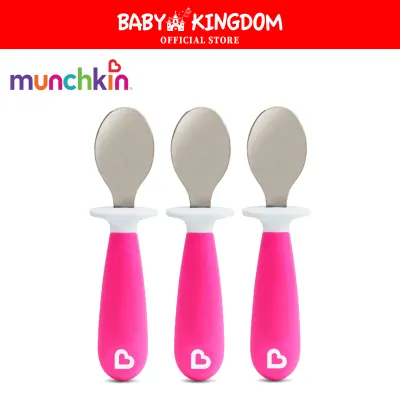
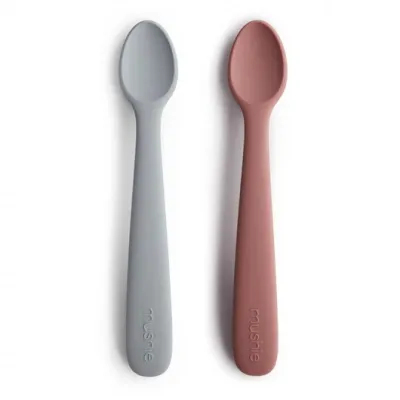
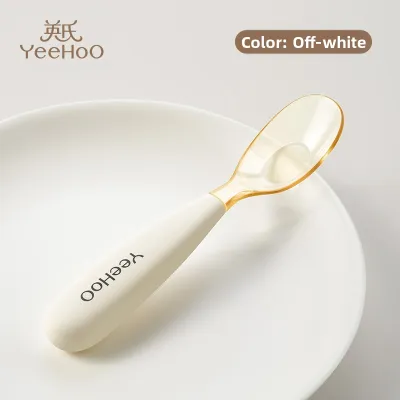
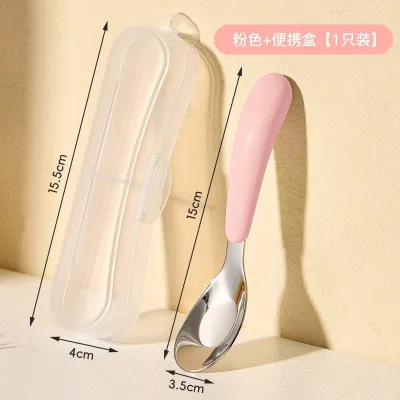
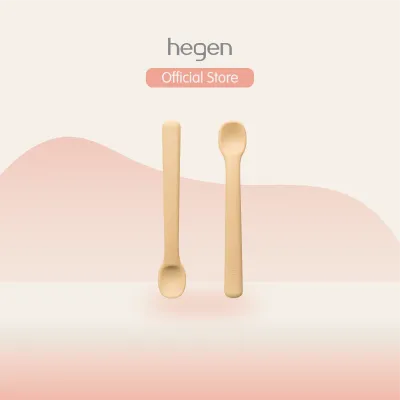
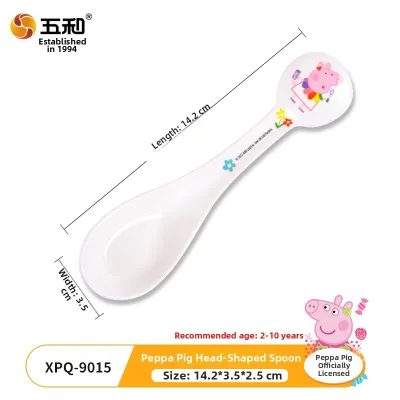
Prices are valid at publication and may change. Please refer to the product page for the latest price.
As toddlers transition into confident self-feeders (typically around 15 months and older), stainless steel becomes the safest and most hygienic option. Its hard, non-porous surface is highly resistant to scratches, making it virtually impossible for bacteria to find harbor. It is also exceptionally durable and easy to sanitize thoroughly.
Plastic toddler spoons should generally be approached with caution. While they are lightweight and inexpensive, they are highly susceptible to scratching and thermal degradation. If you choose plastic, it must be explicitly certified as BPA-free, BPS-free, and phthalate-free, and you must discard the utensil at the first sign of wear or surface damage.
Silicone Toddler Spoons: Softness and Safety for Early Weaning
Silicone has become a staple in modern nurseries, particularly for infants starting their weaning journey. Its primary appeal lies in its physical compliance. Unlike metal or hard plastic, silicone bends and flexes, which is crucial when a baby is still developing spatial awareness and hand-eye coordination.

The Pros of Silicone Spoons
Silicone is exceptionally gentle on a toddler’s oral cavity. During teething phases, babies often bite down aggressively on utensils to soothe discomfort; a soft silicone spoon absorbs this pressure without risking injury to the gums or emerging teeth. The material also provides a natural, high-friction grip, making it easier for small, clumsy hands to hold. Furthermore, silicone does not conduct heat rapidly, which helps protect your child’s sensitive lips and tongue from food that might still be slightly too warm.
The Cons of Silicone Spoons
Despite its benefits, silicone is not without drawbacks. The material is somewhat porous compared to metal, which means it can absorb strong food odors—such as garlic, onion, or tomato-based pasta sauces—and may experience permanent cosmetic staining over time. Additionally, because it is soft, older toddlers with fully erupted incisors may occasionally bite or chew through thin silicone edges, creating a potential choking hazard.
Safety Checks & Verification
When shopping for silicone spoons, always inspect the packaging to verify that the product is made from “100% food-grade silicone” or, ideally, “platinum-cured silicone.” Platinum curing is a premium manufacturing process that minimizes chemical byproducts and ensures the material remains stable under high temperatures. Be cautious of hybrid spoons that feature a soft silicone outer layer over a rigid plastic core. If you select a hybrid model, ensure the manufacturer explicitly guarantees that the inner core is fully encapsulated and made from food-safe materials, as any exposure of a low-grade core through tears can compromise safety.
When to Replace
To maintain a safe feeding environment, inspect the spoon bowl before every meal. Bend the silicone tip and look closely for tiny tears, bite marks, structural weakness, or a sticky surface texture. If the silicone shows any signs of splitting or degradation, discard the spoon immediately. Always prioritize the manufacturer’s care guidelines and safety warnings over general assumptions.
Stainless Steel Toddler Spoons: Durability and Hygiene for Older Toddlers
As toddlers refine their motor skills, their feeding tools should evolve to match their capabilities. Stainless steel spoons represent the natural next step in a child’s developmental progression, offering structural rigidity and long-term hygiene.
The Pros of Stainless Steel Spoons
Stainless steel is the gold standard for hygiene. Its completely non-porous surface resists scratches, meaning there are no microscopic crevices where food particles, saliva, and bacteria can accumulate. It does not retain food odors, resist stains, or degrade when exposed to high heat, and it carries zero risk of chemical leaching. From a practical standpoint, stainless steel spoons are incredibly durable, often lasting through multiple children without losing their structural integrity.
The Cons of Stainless Steel Spoons
The primary drawback of stainless steel is its physical rigidity. If a younger toddler bites down hard on a metal spoon or accidentally stumbles while holding it, the impact can cause painful dental or oral tissue trauma. Additionally, metal is an excellent thermal conductor; if left in a bowl of hot porridge or soup, the spoon bowl can quickly heat up to uncomfortable or unsafe temperatures.
Safety Checks & Verification
When selecting metal cutlery for your toddler, verify the specific grade of steel used. Look for reputable markings such as “304 stainless steel” or “18/8 stainless steel” (which denotes 18% chromium and 8% nickel). These food-grade alloys provide superior rust resistance and mechanical strength, ensuring the spoon remains safe and intact through years of heavy use and frequent washing.
Design Requirements
To mitigate the risks associated with metal, choose toddler spoons designed with rounded, dull edges rather than sharp profiles. Additionally, opt for models that feature non-slip, heat-insulating handles made from food-grade silicone or smooth, sealed wood. These handles protect small hands from temperature extremes and provide the ergonomic support needed for self-feeding. Introduce metal spoons only when your child has developed stable hand-to-mouth coordination and understands that utensils are not teething toys.
Plastic Toddler Spoons: Convenience and What to Watch Out For
Plastic spoons are widely available and highly visible in the toddler feeding market. While they offer undeniable convenience, they require the highest level of parental vigilance to ensure they do not become a health or safety hazard.
The Pros of Plastic Spoons
Plastic spoons are incredibly lightweight, making them easy for young toddlers to lift and maneuver. They are also highly affordable, typically retailing in low-priced multi-packs, making them a popular choice for travel, daycare, or outdoor picnics. Manufacturers often produce plastic spoons in a wide array of vibrant colors and playful shapes, which can help stimulate interest in mealtime for cautious eaters.
The Cons of Plastic Spoons
The structural properties of plastic make it highly susceptible to wear and tear. Plastic scratches easily when exposed to abrasive cleaning sponges, metal dishwashing racks, or toddler teeth. These micro-scratches quickly become breeding grounds for bacteria that standard washing may fail to eliminate. Furthermore, plastic can warp, crack, or melt when exposed to high heat, and low-grade plastics carry a risk of leaching chemical additives into food.
Safety Checks & Verification
If you choose to use plastic toddler spoons, you must verify that they are certified free from harmful chemical additives. Look for explicit packaging labels indicating the product is “BPA-free” (bisphenol A), “BPS-free” (bisphenol S), and “phthalate-free.” Because BPS is frequently used as a chemical substitute for BPA but may carry similar endocrine-disrupting characteristics, verifying the absence of both compounds is a critical safety step.
Usage Limits & Replacement
Never use plastic spoons to stir boiling pots on the stove, and avoid using them to serve food that has just been heated to high temperatures. Inspect plastic utensils regularly under bright light. If you notice any cloudiness, warping, deep scratches, rough edges, or discoloration, discard the spoon immediately. Degraded plastic can shed microplastics into your child’s food or break into small, sharp fragments that pose a severe choking or internal injury risk.
Matching the Spoon Material to Your Toddler's Feeding Stage
Choosing the safest spoon is not a static decision; it is a developmental journey. Matching the material to your child’s specific age and physical capabilities ensures a safer, more frustrating-free transition to independent eating.
Early Weaning (Approx. 6-9 months)
At the start of the solid food journey, your baby is transitioning from the sucking reflex to learning how to clear food from a spoon bowl using their upper lip. During this stage, sensitive, teething gums are the primary concern. Soft, flexible silicone spoons are ideal here. They protect the delicate oral cavity and encourage positive sensory exploration without pain.
Transition to Self-Feeding (Approx. 9-15 months)
As toddlers begin grasping the spoon themselves, they transition from a palmar grasp (holding with a closed fist) to a digital grasp. They need a utensil that offers more structural stability to scoop up denser purees, yet still protects their mouth from uncoordinated movements. Hybrid spoons—featuring a firm, food-safe inner core covered by a thick, soft silicone exterior—provide the perfect balance of structural support and oral safety.
Confident Eaters (15+ months)
Once your child has mastered the basic mechanics of self-feeding and no longer uses utensils as teething chew toys, they are ready for stainless steel. The rigidity of metal allows them to easily pierce soft fruits, scoop up grains, and mimic the adult dining experience, fostering independence and fine motor skill refinement.
Spoon Material Comparison Matrix
| Material | Best For (Stage) | Key Benefit | Main Limitation | Heat Tolerance |
|---|---|---|---|---|
| Food-Grade Silicone | Early Weaning (6-9 months) | Extremely gentle on gums; flexible and non-slip | Can absorb food odors and stains over time | High (typically up to 220°C) |
| Stainless Steel | Confident Eaters (15+ months) | Highly hygienic; durable; scratch-resistant | Rigid surface; high thermal conductivity | Very High (non-degradable in household use) |
| BPA-Free Plastic | Supervised Travel / Budget Use | Lightweight and highly affordable | Scratches easily; prone to bacterial buildup | Low to Moderate (susceptible to warping) |
Cleaning, Sterilizing, and Maintaining Toddler Spoons by Material
Proper maintenance is essential to preserve the safety and longevity of your toddler’s utensils. Each material responds differently to heat, moisture, and cleaning agents, requiring specific care routines.
Silicone Spoon Maintenance
Silicone spoons are generally dishwasher safe and can be placed on the top rack. They can also withstand standard sterilization methods, including boiling water and steam sterilizers. Because silicone is hydrophobic, it can occasionally attract food oils that leave a cloudy film or retain stubborn food odors. To resolve this, mix equal parts baking soda and warm water to create a thick paste. Apply the paste to the spoon, let it sit for approximately 15 to 20 minutes, and then rinse thoroughly with warm, soapy water.
Stainless Steel Spoon Maintenance
Stainless steel is incredibly resilient and easy to clean. It is fully compatible with dishwasher cycles, boiling water, steam, and UV sterilizers. To maintain its pristine finish and prevent mineral buildup—especially in warm, humid climates like Singapore where lingering moisture can encourage water spotting—always dry the metal spoons thoroughly with a clean microfiber cloth immediately after washing.
Plastic Spoon Maintenance
Plastic spoons require the most delicate handling to prevent premature degradation. Always wash them on the top rack of the dishwasher, well away from the bottom heating element, which can cause warping. Avoid exposing plastic spoons to boiling water or UV sterilization unless the manufacturer’s manual explicitly states it is safe to do so. High heat and UV rays can break down plastic polymers, leading to micro-cracks, surface cloudiness, and accelerated chemical degradation.
Frequently Asked Questions (FAQ)
Are bamboo or wooden spoons safe for toddlers?
While natural wood and bamboo spoons are aesthetically pleasing, they require meticulous maintenance to remain safe. Wood is highly porous, meaning it easily absorbs moisture, food particles, and saliva. In humid climates, damp wood can quickly become a breeding ground for mold, mildew, and bacteria. Furthermore, wooden utensils cannot be soaked in water, washed in a dishwasher, or subjected to standard steam or boiling sterilization without cracking, warping, or splintering. For daily, hygienic toddler feeding, silicone or stainless steel spoons are much more practical and safer options.
Can I use regular adult stainless steel spoons for my toddler?
Using regular adult cutlery is not recommended for toddlers. Adult spoons feature bowls that are far too wide and deep for a toddler’s small oral cavity, which can easily trigger a gag reflex, lead to overfeeding, or cause choking. Additionally, adult utensils have long, thin handles that do not accommodate a toddler’s developing grip. Toddler-specific spoons are ergonomically scaled with short, wide, or textured handles to support fine motor development, while their shallow bowls are engineered to ensure safe swallowing portions.
Community discussion
Share your experience or ask a question. Comments are reviewed before publication.