
Finding the right soft toy container for a nursery in Singapore requires balancing several practical factors. The tropical climate, characterized by high humidity and dust, demands storage solutions that protect delicate plush fabrics. At the same time, the container must fit within typical local residential layouts, such as HDB flats or condominiums, where floor space is often at a premium. Your child’s age and developmental stage also play a critical role in determining whether an open, easily accessible bin or a secure, enclosed container is the more appropriate choice.
While open bins encourage toddlers to participate in independent cleanup, enclosed options like clear plastic boxes or zippered fabric bags offer protection against environmental elements. This guide breaks down the practical trade-offs of popular storage types, helping you match the right container to your nursery’s layout, your child’s daily play habits, and the local climate.
Evaluating Your Nursery Space and Storage Needs
Before purchasing any soft toy container, assess the physical limitations of your nursery. Many homes in Singapore feature compact bedrooms where floor space must be carefully managed. To maximize the available area, identify underutilized zones within the room. Look for vertical opportunities, such as the back of doors, empty wall space, or closet shelves. Under-crib space is another overlooked area that can accommodate low-profile storage containers without encroaching on active play zones.
Products mentioned in this guide
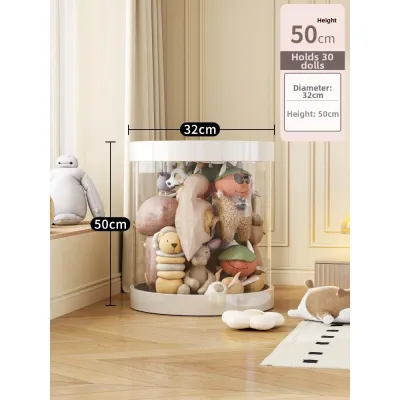
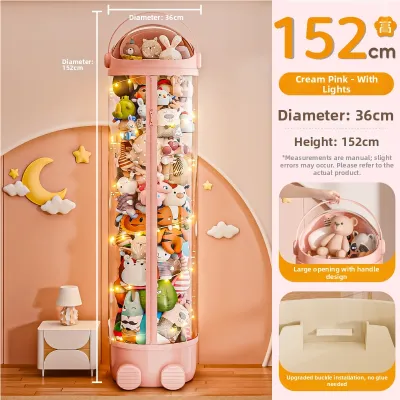
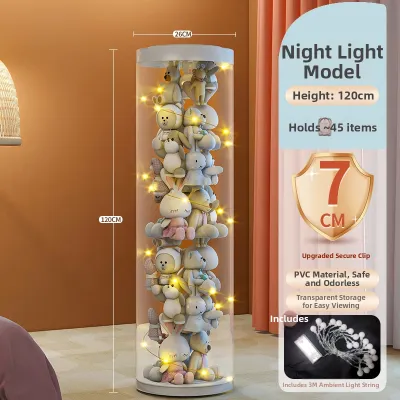
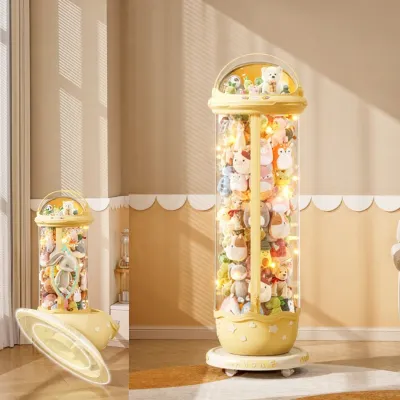
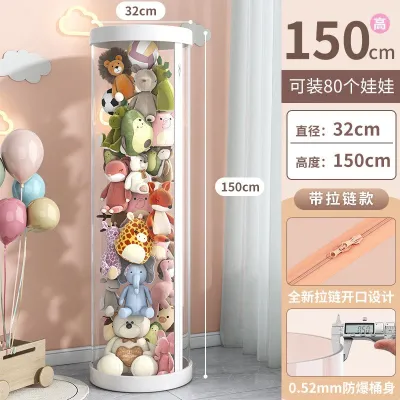
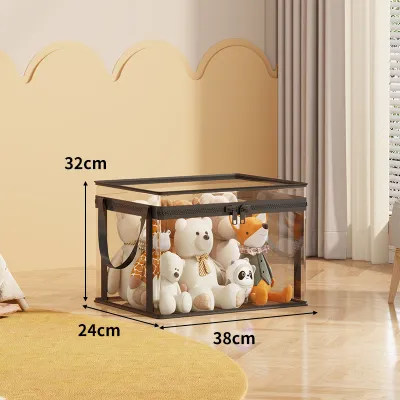
![Easyhome.sg [Clear & Large Capacity] Storage Bin with Wheels - Doll Plush Toy Organiser / Clothes Storage Basket](https://img.lazcdn.com/g/p/f79e6be6e3f46ee30a9dfebf731cacb1.png_400x400q80.png_.webp)
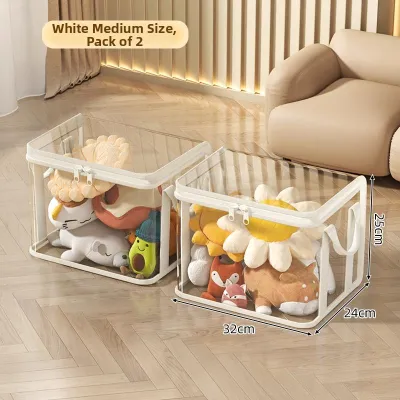
Prices are valid at publication and may change. Please refer to the product page for the latest price.
The age and motor skills of your child should directly influence your storage selection. For infants, storage is primarily a task for parents, meaning containers can be placed on higher shelves or inside closets out of reach. As babies transition into toddlers, their need for autonomy increases. Low, open containers allow toddlers to reach their favorite plush toys independently and make it easier for them to participate in putting toys away. If a container is too heavy, deep, or complex to open, it becomes a barrier to both play and tidy habits.
Visual aesthetics must also be balanced with practical daily needs. While open baskets look charming, they can quickly contribute to visual clutter if toys are piled haphazardly. Conversely, completely opaque, closed boxes keep the nursery looking pristine but can make it difficult to locate specific toys, leading to frustration during playtime. A combination of visible display storage for favorite items and concealed storage for rotated toys often provides a balanced solution.
Finally, Singapore’s high relative humidity and dust levels are critical environmental factors. Plush toys are highly susceptible to accumulating dust mites and absorbing moisture from the air, which can lead to musty odors or mold growth. Open storage solutions expose toys to these elements continuously, requiring more frequent cleaning. Enclosed storage options, such as zippered bags or sealed boxes, provide a protective barrier but require careful monitoring to ensure moisture is not trapped inside.
Open Bins and Baskets for Daily Play and Accessibility
Open-top bins and baskets are a staple in nurseries due to their convenience. These containers are lightweight and designed with wide openings, making them easy for small hands to navigate. Because there are no lids to lift or latches to undo, toddlers can easily see their toys and pull them out during play. This accessibility is beneficial for fostering self-directed play and establishing simple, stress-free cleanup routines.

However, open containers have distinct limitations. Because they lack a cover, the toys inside are constantly exposed to settling dust, which can be a concern for children with sensitive respiratory systems or allergies. Additionally, open bins do not allow for stacking, meaning they occupy a fixed amount of floor or shelf space regardless of how full they are. If overfilled, toys can easily spill over, creating a cluttered appearance that defeats the purpose of having a storage system.
These containers are ideal for frequently used plush toys that do not sit idle long enough to accumulate significant dust. They work best when placed on low shelving units or directly on the floor within a designated play zone. This setup allows older toddlers to safely navigate the edges of the bin without assistance, encouraging them to take ownership of their play space.
When selecting an open bin, safety and durability should be your primary focus. Verify that the container has reinforced, comfortable handles that can withstand being dragged across the floor. Inspect the interior and exterior carefully to ensure there are no sharp internal wire frames, rough woven edges, or loose fibers that could scratch a child or snag delicate plush fabrics. Soft felt, canvas, or smooth plastic bins are generally safer choices than rough natural wicker.
Clear Plastic Boxes for Dust Protection and Visibility
Rigid, transparent plastic boxes offer a functional alternative for parents prioritizing cleanliness. The primary advantage of clear plastic is its ability to act as a barrier against dust, pests, and ambient moisture. Because the material is transparent, parents and children can easily identify the contents of each box without opening multiple lids, reducing the time spent searching for specific toys.
Despite these benefits, clear plastic boxes have some practical drawbacks. They are significantly heavier and more rigid than fabric or felt options, which can make them more difficult for young children to handle safely. The hard edges and corners of these boxes can pose minor bump or pinch risks if they are dropped or tipped over. Furthermore, unlike collapsible fabric containers, rigid plastic boxes occupy the exact same footprint on your shelves or floor even when they are completely empty.
This storage type is highly suited for long-term storage, toy rotation systems, or organizing large collections of plush toys that are not played with daily. They are particularly useful in dust-prone areas of the home or on sturdy, mid-to-high closet shelves where they can be stacked safely. By keeping the bulk of a soft toy collection in sealed, clear boxes, you can keep them clean and rotate a few select toys into active play areas.
When shopping for clear plastic boxes, perform a thorough safety check on the lids and latches. Ensure that any lids are lightweight enough that they will not cause injury if they accidentally fall on small fingers. If the box features latches, verify that they are smooth, secure, and do not have sharp edges or tight pinch points. For larger boxes, look for models with rounded corners and integrated, smooth handles to make carrying them safer and more comfortable.
Zippered Bags and Fabric Cubes for Space-Saving Storage
Zippered bags and fabric cubes offer a flexible, space-saving solution that adapts to changing storage needs. One of the greatest advantages of these fabric-based containers is that they collapse flat when empty, allowing you to store them in a drawer or closet. They provide a soft, lightweight storage option with no hard edges, making them safe for active nursery environments where toddlers are learning to crawl and walk.
On the downside, zippered bags can be challenging for very young children to open independently, as operating a zipper requires developed fine motor skills. Additionally, fabric cubes and bags often lack rigid structural support. Without being placed inside a shelving unit, a drawer, or a closet cubby, they can sag, bulge, or tip over when filled with heavy or irregularly shaped plush toys, which can detract from a neat nursery aesthetic.
These containers are ideal for storing out-of-season toys, managing a structured toy rotation system, or maximizing deep closet shelves. Because they can be zipped shut, they offer excellent protection against dust and pests while remaining lightweight enough to be moved easily. They are also highly practical for transporting toys during family trips or visits to relatives.
Before choosing a zippered bag or fabric cube, verify the quality of the construction. Check the durability of the zippers and seams, as cheap fasteners can easily split under the pressure of stuffed toys. Ensure that the fabric is machine-washable so you can easily clean off spills, drool, or dust. It is also wise to verify that the material is breathable, such as cotton canvas or lightweight polyester, to prevent moisture from becoming trapped inside the container and causing musty odors.
Hanging Organizers for Maximizing Vertical Space
Hanging organizers are an excellent way to reclaim floor space in smaller nurseries. These vertical solutions typically hang from closet rods, wall hooks, or the back of doors, utilizing space that would otherwise go unused. By lifting toys off the floor, hanging organizers keep the nursery looking spacious while keeping small plushies visible and organized at eye level.
However, vertical storage comes with specific limitations. Hanging organizers have strict weight capacities that must not be exceeded to prevent damage to doors, rods, or the organizer itself. Because they hang freely, they can sway or detach if pulled on forcefully, which means they must be positioned carefully out of reach of climbing toddlers. They also require proper clearance; an overfilled door organizer can prevent a nursery door from opening or closing smoothly.
This storage type is ideal for compact nurseries where floor space is highly restricted. It is particularly useful for storing small, delicate, or collectible plush toys that you want to keep safe from pets, dust, or younger siblings who might put them in their mouths. It allows parents to display a curated selection of toys while keeping the floor completely clear for active play.
When selecting a hanging organizer, safety and stability are paramount. Verify that the hanging mechanism—whether it uses over-the-door hooks, velcro straps, or metal rings—is robust and fits securely on your specific door or closet rod. Check the manufacturer’s weight capacity label carefully and commit to staying well within that limit. Ensure that the organizer does not interfere with the smooth operation of the door, and avoid placing heavy items in the upper pockets to maintain a stable center of gravity.
Safety and Maintenance Checks for Toy Containers
Ensuring the physical safety of your nursery storage is as important as organizing the toys. Before introducing any new container to your child’s room, inspect it thoroughly for physical hazards. Look for sharp plastic edges, rough wooden splinters, exposed metal screws, or heavy lids that could slam down on small hands. Avoid containers with small, detachable parts, decorative beads, or long cords that could present choking or strangulation hazards.
Material safety is another critical factor to verify. Check the product packaging or manufacturer documentation for safety labels indicating that the materials used are non-toxic and free from harmful chemical treatments, such as lead, phthalates, or flame retardants. This is especially important for fabric containers that infants might chew on, or plastic bins that will be handled frequently.
Establishing a regular cleaning routine is essential for maintaining a hygienic nursery environment. Plastic bins and boxes should be wiped down regularly with a damp cloth and a mild, baby-safe detergent to remove dust and fingerprints. Fabric containers should be washed periodically according to the manufacturer’s care instructions. If a fabric bin is not machine-washable, regular vacuuming with a brush attachment can help keep dust levels under control.
Finally, parents must know when it is time to discard or replace a toy container. Inspect your storage solutions periodically for signs of wear and tear. Broken zippers, cracked plastic edges, frayed fabric handles, or loose stitching can all compromise the safety of the container. Most importantly, if you detect any mold growth or persistent musty odors that cannot be completely removed through washing or sanitizing, discard the container immediately to protect your child’s health.
Frequently Asked Questions (FAQ)
How often should I wash fabric soft toy containers?
The frequency of washing fabric containers depends on several factors, including the dust levels in your home, whether your child has allergies, and how often the toys are handled. In general, a thorough wash every two to three months is sufficient for maintaining basic hygiene. However, if a container is kept on the floor, used daily, or shows visible stains, more frequent washing may be necessary. Always check the manufacturer’s care label before washing to prevent shrinkage, color bleeding, or structural damage to the fabric.
Are vacuum storage bags safe for long-term soft toy storage?
While vacuum storage bags are highly effective for saving space, they are not always suitable for long-term plush toy storage. The high-pressure compression can permanently flatten the stuffing, distort the toy’s shape, and damage internal structures like plastic joints, squeakers, or wire frames. Vacuum bags are best reserved for short-term use, such as moving house, or for simple, unstructured plushies that do not rely on specific shaping. If you do use them, avoid compressing the toys completely to minimize the risk of permanent damage.
How can I prevent mold on toy containers in a humid climate?
To prevent mold in Singapore’s humid climate, it is crucial to maintain good airflow around your storage areas. Avoid pushing toy containers flush against external walls or placing them in dark, unventilated corners where moisture can accumulate. Choose moisture-resistant materials like breathable fabrics or easy-to-wipe plastics. Regularly open enclosed containers to let them air out, and inspect them for any signs of condensation or musty odors. Placing silica gel packets securely out of your child’s reach inside storage closets can also help manage ambient moisture.

Community discussion
Share your experience or ask a question. Comments are reviewed before publication.