
Choosing the right pigeon toothpaste for your child depends on balancing their current age with their physical ability to spit out excess foam. While chronological age provides a helpful general guideline, your child’s dental development—specifically the number of teeth they have and their control over swallowing reflexes—is the ultimate deciding factor. Selecting the appropriate formulation ensures effective cavity prevention while keeping oral care safe and enjoyable as your little one grows.
Identifying Your Baby's Current Dental Development Stage
Every infant develops at their own unique pace, meaning that chronological age is merely an approximation when it comes to oral health milestones. Before any teeth actually emerge, your baby goes through a pre-teething phase where the gums may appear slightly swollen, pink, and shiny. During this period, babies often drool excessively, chew on their fists, and show mild irritability as the primary teeth begin their journey upward through the bone and gum tissue.
When the first tooth finally erupts—typically the lower central incisors around six months of age—the oral environment changes fundamentally. The introduction of a hard, exposed surface means that dental plaque, a sticky biofilm of bacteria, can now begin to accumulate. This initial stage requires immediate, gentle cleaning to prevent early childhood caries, which can progress rapidly even on tiny, newly emerged teeth.
Products mentioned in this guide
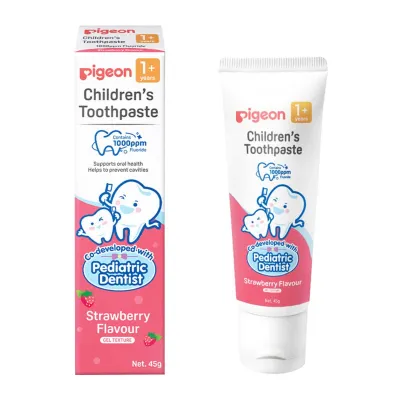
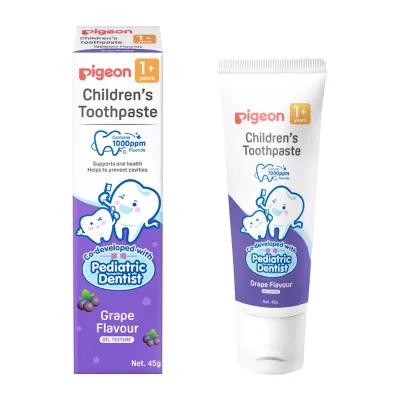
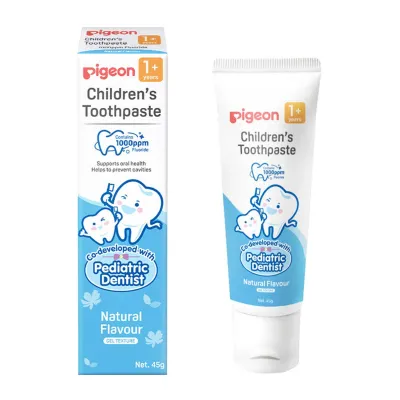
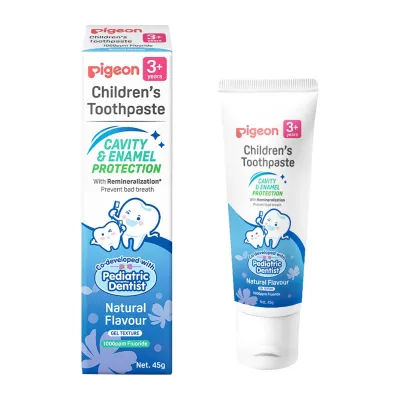
Prices are valid at publication and may change. Please refer to the product page for the latest price.
As your child transitions from a single tooth to multiple teeth, particularly when the primary molars begin to emerge between 12 and 24 months, the risk of tooth decay increases significantly. Molars feature deep pits, grooves, and fissures that easily trap food particles and sugars from milk, formula, and solid foods. Because these areas are difficult to clean, they represent the most common sites for early cavities, requiring a shift toward more structured brushing routines.
Crucially, developmental milestones dictate toothpaste selection far more than exact birth months. The most critical physical milestone is the ability to reliably spit out liquid and foam after brushing, which most children do not fully master until they are around three years old. Before a child can spit, any toothpaste applied to their teeth will inevitably be swallowed, meaning parents must select formulations that are safe for internal consumption.
To ensure you are making the safest choice for your child’s unique mouth, regularly observe the inside of their lips and cheeks, inspect new teeth as they appear, and schedule an introductory visit to a pediatric dentist. A professional dental assessment can confirm your baby’s specific developmental stage and provide personalized advice on when to introduce different oral care products.
Crucial Factors for Choosing Pigeon Toothpaste Variants
When evaluating different pigeon toothpaste options, the distinction between swallowability and the requirement to spit is paramount. Training gels are specifically formulated with food-grade ingredients and are designed to be safe if swallowed in the tiny quantities recommended for infants. Conversely, standard children’s toothpastes often contain mild foaming agents and active ingredients that are meant to be spat out completely to avoid digestive upset or excess ingredient accumulation.

Fluoride is another critical dimension that requires careful consideration. While fluoride is highly effective at remineralizing tooth enamel and preventing cavities, young children who swallow too much fluoride during the years of tooth development can develop dental fluorosis, which causes faint white lines or streaks on the permanent teeth. Parents should check the product label of their chosen pigeon toothpaste to verify the exact fluoride concentration, often measured in parts per million (ppm), and cross-reference this with local pediatric dental guidelines in Singapore to determine the safest level for their child’s specific risk profile.
Flavor and texture play a major role in establishing a positive, stress-free brushing routine. Strong, minty flavors designed for adults can cause a burning or tingling sensation that frightens young children, leading to resistance during brushing. Mild fruit flavors, such as strawberry, grape, or melon, combined with a smooth, non-gritty gel texture, help toddlers tolerate the sensation of a toothbrush in their mouth without relying on harsh artificial sweeteners or synthetic colors.
Packaging design also influences how easily parents can manage daily oral hygiene. Pigeon toothpastes are available in both traditional squeeze tubes and convenient pump dispensers. Squeeze tubes are highly portable and familiar, but they require a steady hand to avoid dispensing too much product. Pump dispensers, on the other hand, allow parents to control the exact amount of gel delivered with a single, light press, making it much easier to apply the recommended microscopic dose onto a tiny toothbrush head.
Pigeon Toothpaste Recommendations by Age and Dental Stage
To simplify your selection process, Pigeon categorizes its oral care range into distinct stages that align with your child’s physical growth and dental needs. Matching the correct variant to these milestones ensures both safety and efficacy.
Infants and First Teeth (Approx. 0–12 Months)
For newborns and infants who are just cutting their very first teeth, the primary goal of oral hygiene is to gently clean the new enamel and soothe sensitive gums. At this stage, infants have absolutely no control over their swallowing reflex, meaning that any product used in their mouth will be ingested. Pigeon training toothpastes and tooth gels designed for this introductory phase are formulated to be entirely fluoride-free and safe to swallow.
These infant-safe variants rely on mild cleaning agents and food-grade ingredients to gently lift plaque without irritating the delicate oral mucosa. They do not contain sodium lauryl sulfate (SLS)—a common foaming agent that can cause mouth ulcers in sensitive individuals—and are free from artificial colors and preservatives. The flavors are exceptionally mild, helping to ease the baby into the habit of daily cleaning without overwhelming their sensory palate.
When using these introductory training gels, parents should always verify the “safe to swallow” and “fluoride-free” claims on the specific product packaging. Only a microscopic smear, roughly the size of a single grain of rice, should be applied to a soft silicone finger brush or an ultra-soft infant toothbrush. This minimal amount is more than sufficient to clean the limited tooth surfaces present at this stage.
Toddlers with Multiple Teeth (Approx. 1–3 Years)
As toddlers transition to a diet containing more varied solid foods, their cavity risk rises, particularly as their primary molars begin to erupt and touch one another. This dental stage requires a toothpaste that offers slightly more robust cleaning power while still accounting for the fact that toddlers between the ages of one and three are still learning how to spit consistently.
For this group, Pigeon offers specialized tooth gels that provide gentle cleaning and may contain very low, controlled concentrations of fluoride, depending on the specific product line and regional formulation. These low-fluoride variants are designed to help strengthen developing enamel against acid attacks from food and drinks, offering a middle ground between basic training gels and standard children’s toothpastes.
If you choose a variant containing low levels of fluoride for a toddler who cannot yet spit reliably, you must strictly limit the dosage to a tiny smear no larger than a grain of rice. This precise dosing ensures that even if the toddler swallows the entire amount, the total fluoride ingested remains well within safe daily limits. Always read the packaging carefully to confirm the recommended age range and look for any specific usage warnings.
Preschoolers Building Brushing Habits (Approx. 3+ Years)
By the time children reach three years of age, they typically have a full set of 20 primary teeth, and their physical coordination has developed to the point where they can learn to spit out toothpaste foam after brushing. This transition marks the point where standard cavity protection becomes the top priority, as the spaces between teeth close up and trap plaque more easily.
At this stage, parents can transition to Pigeon children’s toothpastes that contain standard pediatric levels of fluoride, typically around 1000 ppm. This concentration is highly effective at rebuilding weakened enamel and preventing the onset of decay in active preschoolers. These toothpastes often feature slightly more pronounced fruit or mild mint flavors, along with engaging packaging designs that help motivate children to take charge of their own brushing routines.
Despite their growing independence, preschoolers still require constant parental supervision during oral care. Children at this age are prone to swallowing toothpaste simply because they enjoy the sweet fruit flavors, so parents must remain present to ensure they spit out the foam completely. The recommended dosage for children aged three and older is a small, pea-sized amount, which should be carefully measured out by an adult rather than left to the child’s discretion.
Safe Usage, Dosage, and Transitioning Guidelines
To maximize the benefits of your chosen pigeon toothpaste while maintaining strict safety standards, parents must adhere to clear dosage and application guidelines. Visualizing the correct amount of toothpaste is the easiest way to prevent accidental overconsumption:
- The Smear (Under 3 Years): A tiny, thin layer of gel scraped across the tips of the toothbrush bristles, equivalent to the size of a single grain of dry rice.
- The Pea-Sized Amount (Ages 3 to 6): A small, round dollop placed in the center of the brush head, measuring no more than one centimeter in diameter.
Always cross-reference these general dosage recommendations with the specific instructions printed on your product’s packaging, and consult your pediatric dentist to adjust the dosage based on your child’s individual cavity risk and local water fluoridation levels.
Transitioning your child from a fluoride-free training gel to a fluoride-containing toothpaste should never be rushed. The fundamental prerequisite for this transition is the child’s demonstrated ability to spit out liquid on demand. You can easily test this capability by having your child practice rinsing and spitting with small sips of plain water over the bathroom sink; once they can do this consistently without swallowing any water, they are physically ready to upgrade to a fluoride toothpaste.
When brushing your child’s teeth, position yourself behind or slightly to the side of them so you can easily access their mouth and control the toothbrush. Hold the brush at a 45-degree angle toward the gum line and use gentle, circular motions to clean the outer, inner, and chewing surfaces of every tooth. Avoid scrubbing back and forth with heavy pressure, as this can irritate the delicate gum tissue and wear down soft enamel. Because young children do not possess the fine motor skills required to clean their teeth thoroughly, parents should continue to brush for them, or closely touch up their independent brushing efforts, until they are at least seven or eight years old.
In the event that a child accidentally gains access to a tube of fluoride toothpaste and swallows a large, unusual quantity, parents must take immediate action. Do not attempt to induce vomiting, as this can cause further irritation to the esophagus. Instead, remain calm and immediately contact a healthcare professional, a local pediatric clinic, or emergency medical services in Singapore to obtain professional guidance on how to proceed. To prevent such emergencies, always store all toothpaste tubes and oral care products in a secure cabinet that is completely out of reach of young children.
Frequently Asked Questions (FAQ)
Can I use regular adult toothpaste for my toddler in an emergency?
You should strongly avoid using regular adult toothpaste for toddlers, even as a temporary measure. Adult formulations contain significantly higher concentrations of fluoride, strong synthetic foaming agents like sodium lauryl sulfate, and intense mint flavors that can cause severe oral irritation, gagging, or chemical burning sensations in a young child’s mouth. If you temporarily run out of baby-safe toothpaste, it is much safer to brush your toddler’s teeth using plain water and a soft-bristled brush, or to gently wipe their teeth with a clean, damp cloth until you can purchase the correct variant.
What should I do if my baby swallows a large amount of fluoride toothpaste?
If your child swallows a significant amount of fluoride toothpaste directly from the tube, remain calm but act quickly. Do not induce vomiting unless a medical professional explicitly instructs you to do so. Immediately contact a local healthcare provider, a pediatric emergency department, or a medical clinic in Singapore for advice. To help the medical team assess the situation, locate the toothpaste packaging so you can tell them the exact brand, variant, and estimated amount swallowed. Always keep all toothpaste products stored safely out of your child’s reach to prevent accidental ingestion.
How do I clean my baby's gums before their first tooth appears?
Before your baby’s first tooth erupts, there is no need to use any toothpaste. Instead, you should focus on keeping the gum tissue clean and healthy by gently wiping their gums twice a day, particularly after the morning feeding and right before bed. To do this, wrap a clean, damp washcloth or a soft silicone finger brush around your clean index finger and gently sweep it over the upper and lower gum ridges. This simple routine effectively removes milk residue, limits the buildup of oral bacteria, and helps your baby gradually adapt to the sensation of daily oral care.
Community discussion
Share your experience or ask a question. Comments are reviewed before publication.