
Selecting the right baby bottle material depends on your baby’s developmental stage, who is holding the bottle, and your daily sterilization routine. Pigeon baby bottles are widely available in glass, PPSU (polyphenylsulfone), and silicone, each offering distinct advantages for different feeding scenarios. While glass provides excellent scratch resistance and durability for newborn feeding at home, lightweight PPSU is ideal for active, self-feeding older infants, and flexible silicone offers a soft texture that can ease the transition from breastfeeding. By understanding how these materials perform under daily wear, cleaning, and travel, you can make a practical choice that supports your baby’s feeding journey.
Glass Pigeon Bottles: Weight, Cleaning, and Handling
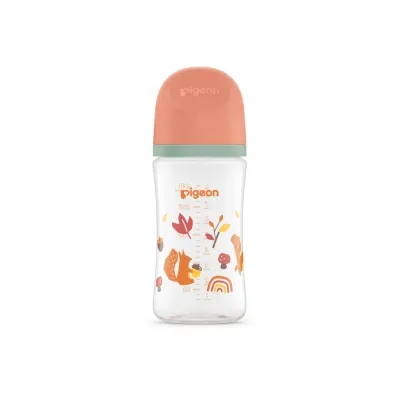
Glass baby bottles are a traditional choice favored by many parents for their high resistance to surface scratching and long-term material stability. Because glass is non-porous, it does not easily absorb odors or discolor from milk fats, making it highly straightforward to clean and maintain over multiple daily uses. This material can withstand frequent sterilization cycles without losing its clarity, allowing caregivers to easily monitor the milk level and cleanliness of the bottle.
However, the physical characteristics of glass introduce specific handling considerations that you must evaluate against your home environment. Glass bottles are significantly heavier than plastic or silicone alternatives, which can cause physical fatigue during long feeding sessions, particularly for caregivers or older infants attempting to hold the bottle themselves. There is also an inherent risk of breakage if the bottle is dropped on hard surfaces, such as tile floors. Before purchasing, always check the manufacturer’s packaging or instruction manual for specific thermal shock limits and handling warnings to ensure you use and heat the bottle safely.
Products mentioned in this guide
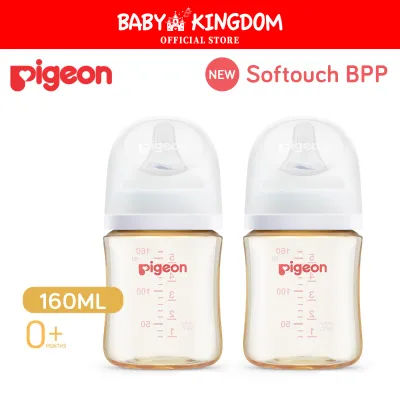
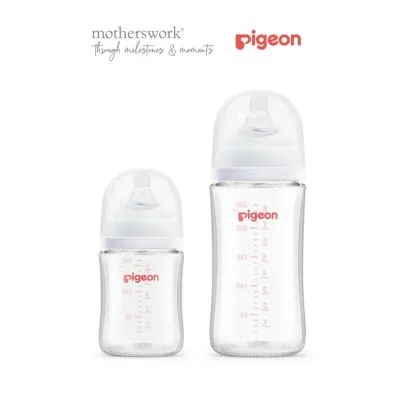
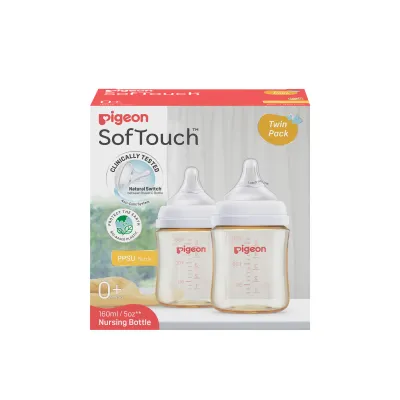
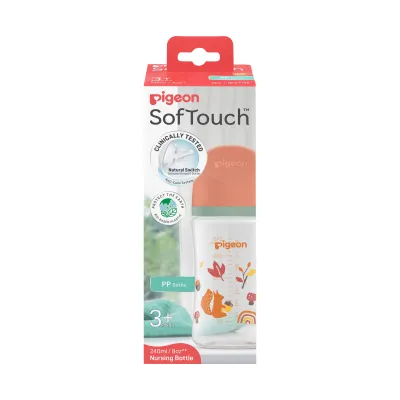
Prices are valid at publication and may change. Please refer to the product page for the latest price.
PPSU Pigeon Bottles: Lightweight Durability for Daily Use
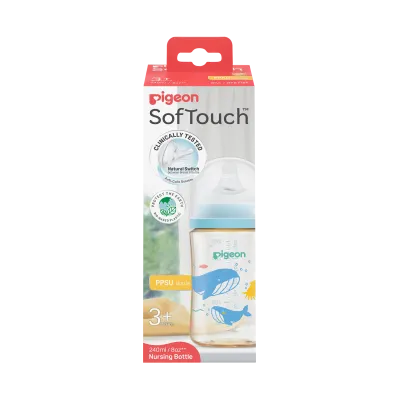
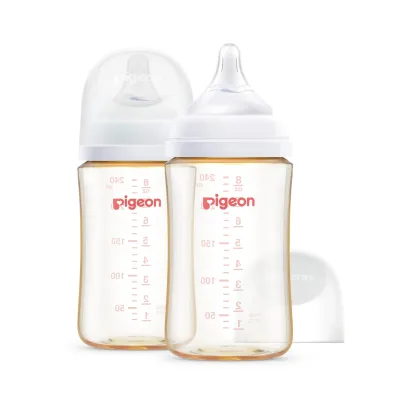
PPSU (polyphenylsulfone) is a high-performance, medical-grade plastic that has become highly popular for daily infant feeding due to its lightweight durability. Unlike glass, PPSU bottles are highly drop-resistant and shatterproof, making them an excellent option for active households, stroller outings, and travel. This material can withstand high temperatures, allowing for regular sterilization via boiling water, steam, or compatible sterilizers without warping or degrading quickly.

Despite its durability, PPSU is still a plastic material, meaning its surface is softer than glass and can accumulate micro-scratches over time from bottle brushes or abrasive cleaning. These tiny abrasions can gradually cloud the bottle and make thorough cleaning more difficult. Caregivers should perform regular visual inspections of PPSU bottles under good lighting. When purchasing, verify the specific PPSU material grade, BPA/BPS-free status, and safety certifications directly on the product packaging to ensure the bottle meets current safety standards.
Silicone Pigeon Bottles: Flexibility and Transitioning
Silicone baby bottles offer a unique, flexible alternative designed to mimic the natural feel of breastfeeding. The soft, squeezable texture of a silicone bottle body provides a tactile experience that is highly comforting to many infants, potentially easing the transition between breast and bottle. Because the material is pliable, it is easy for small hands to grip and squeeze, which can encourage early motor skill development during supervised feeding sessions.
While silicone is highly durable and shatterproof, it does present practical trade-offs in daily maintenance. The exterior surface of silicone has a natural tackiness that tends to attract dust, lint, and hair from diaper bags or household surfaces, requiring more frequent rinsing before use. Additionally, silicone is a thicker, more insulating material, which can result in longer drying times after washing and sterilization compared to glass or thin plastics. Before choosing silicone, verify the food-grade status of the material and review the manufacturer’s specific care instructions to ensure proper handling.
Matching the Material to Your Baby's Feeding Stage
Selecting the right bottle material is not a one-size-fits-all decision; instead, it should align with your baby’s age, physical development, and where the feeding takes place. During the newborn stage, feeding is entirely caregiver-led, and hygiene is the top priority. For these early months, glass bottles are highly suitable because they resist scratches, are easy to sterilize thoroughly, and do not risk breaking in the hands of an infant.
As your baby grows and begins to develop the motor skills to hold their own bottle, transitioning to a lightweight, shatterproof material becomes highly practical. PPSU and silicone bottles are ideal for older infants because they eliminate the safety hazards associated with dropped glass. For travel, daycare, or outdoor excursions, the lightweight nature of PPSU and silicone reduces the weight of your diaper bag and ensures the bottle can survive accidental drops on concrete or playground surfaces.
| Material | Key Advantages | Primary Considerations | Best Suited For |
|---|---|---|---|
| Glass | Scratch-resistant, highly durable, easy to clean | Heavy, risk of breakage if dropped | Newborns, caregiver-led feeding at home |
| PPSU | Lightweight, highly drop-resistant, heat-tolerant | Prone to micro-scratches over time | Older babies, self-feeding, travel, daycare |
| Silicone | Soft and squeezable, mimics natural feel | Attracts dust, longer drying times | Transitioning babies, sensory comfort |
Cleaning and Sterilization Guidelines by Material
Proper cleaning and sterilization are essential to maintain the hygiene of your baby’s bottles, but the correct method varies depending on the material you choose. You must always verify the exact boiling times, steam sterilization compatibility, and UV sterilizer limits in the specific bottle’s instruction manual before first use. Some materials may degrade or discolor faster when exposed to certain sterilization methods, so adhering to the manufacturer’s guidelines is critical for product longevity.
General cleaning techniques also differ across materials to prevent premature wear. Glass bottles can tolerate firmer nylon brushes and vigorous scrubbing without scratching, whereas PPSU bottles require soft sponge brushes or silicone brushes to avoid creating micro-scratches on the inner walls. Silicone bottles require prompt washing immediately after feeding, as the porous nature of silicone can retain milk odors and oils if left unwashed for extended periods. Regardless of the material, define clear stop conditions: immediately discontinue use or consult the manufacturer if you observe warping, persistent cloudiness, stickiness, or structural changes after sterilization.
Signs It Is Time to Replace the Bottle
No baby bottle lasts indefinitely, and regular inspection is necessary to ensure the feeding equipment remains hygienic and safe. Caregivers should routinely check for observable red flags that indicate a bottle has reached the end of its usable lifespan. For glass bottles, inspect closely for any hairline cracks, chips around the rim, or deep scratches that could compromise structural integrity or cause injury.
For PPSU and silicone bottles, look for deep scratches, permanent cloudiness, discoloration, or a sticky surface texture that does not go away after thorough washing. Micro-scratches in plastic and silicone are particularly problematic because they can harbor microscopic milk residue and bacteria, making standard cleaning methods ineffective. If a bottle’s structural integrity is compromised, or if it no longer forms a tight, leak-free seal with the collar and nipple, it must be replaced immediately to prevent leaks and contamination.
Frequently Asked Questions (FAQ)
Can I mix Pigeon glass and PPSU bottles with the same nipples?
To determine if you can share nipples between different Pigeon bottle materials, you must check the manufacturer’s sizing, neck width (such as wide-neck versus slim-neck), and threading specifications on the packaging. Components from different product lines within the same brand are not always interchangeable. Always test the assembled bottle with water to check for leaks before feeding your baby.
Do Pigeon PPSU bottles contain BPA or BPS?
You can verify the chemical safety of your PPSU bottles by locating the explicit BPA/BPS-free declarations and safety standard marks printed directly on the physical product packaging. While high-quality PPSU is naturally free of these bisphenols, maintaining this safety profile relies on following the manufacturer’s specified temperature limits and sterilization instructions during daily use.
Why does my silicone Pigeon bottle feel sticky after washing?
A sticky texture on a silicone bottle is typically caused by residual milk fats and oils that have bonded to the silicone surface, or from improper drying in humid environments. To resolve this, adjust your cleaning routine by using a mild, grease-cutting dish soap formulated for baby products and warm water. Check your product’s care manual for approved deep-cleaning or degreasing methods.
Community discussion
Share your experience or ask a question. Comments are reviewed before publication.