
Choosing the right portable changing mat depends on matching your outing scenario—whether navigating a crowded Singapore shopping mall, setting up a picnic at East Coast Park, or packing for an overseas family trip—with the specific dimensions, material layers, and cleaning requirements of each variant. The Pee Safe brand offers both disposable changing mats and reusable multi-use mats designed to provide a clean, hygienic barrier for your baby. To find the perfect fit, caregivers must evaluate how each option balances portability, cushioning, and cleanup speed against their specific travel constraints.
By comparing the physical specifications and material properties of these portable mats, you can ensure your child remains comfortable and protected from unsanitary surfaces. This guide breaks down the essential selection criteria for different environments, helping you make an informed decision for your family’s next adventure.
Key Features to Evaluate Before Choosing a Mat
When shopping for a Pee Safe portable mat, caregivers should first look beyond the branding and carefully inspect the product specifications listed on the packaging or official product page. The most critical dimensions to compare are the folded size and the unfolded surface area. A mat that folds down into a pocket-sized square is ideal for quick trips, but it must still unfold to a size that comfortably accommodates your baby’s current length and weight.
Products mentioned in this guide
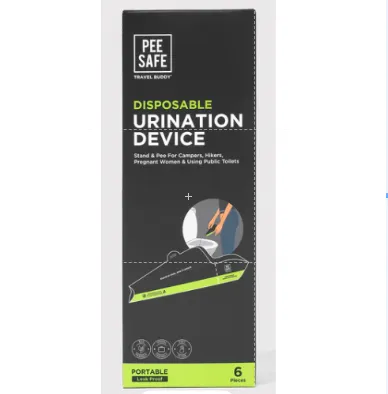
Prices are valid at publication and may change. Please refer to the product page for the latest price.
The weight of the mat itself is another key consideration, especially when you are already carrying a heavy diaper bag through Singapore’s humid climate. Lightweight disposable options add virtually zero weight to your load, whereas multi-layered reusable mats offer more structure but take up more physical space and add minor bulk to your carrying gear.
Material composition dictates both comfort and functionality. A high-quality portable mat typically features a soft top sheet that is gentle on your baby’s delicate skin, an absorbent middle layer to trap moisture, and a leak-proof bottom barrier to protect the underlying surface. Caregivers should examine these material layers to ensure they align with the baby’s skin sensitivities and the environment where the mat will be used.
Hygiene and maintenance traits require careful verification of the manufacturer’s care labels. Some reusable mats are designed for quick wipe-down cleaning with a damp cloth, while others are fully machine-washable. Misinterpreting these instructions can degrade the waterproof backing or trap bacteria in the inner layers, so always verify the exact washing guidelines before your first use.
Finally, never assume a single mat size fits all developmental stages. Caregivers must check the manufacturer’s specified age, weight, and developmental milestones. An infant who lies still requires a different level of coverage than an active toddler who rolls or crawls during a diaper change, making physical dimensions and structural stability vital safety parameters.
Quick Mall Visits: Prioritizing Compactness and Quick Cleanup
Navigating bustling shopping malls like Jewel Changi or VivoCity requires a diaper-changing setup that is both swift and highly compact. When you are moving through crowded spaces, bulky gear becomes a liability. For these brief indoor excursions, selecting an ultra-compact Pee Safe portable mat variant that slips easily into a slim stroller organizer or a small diaper clutch is highly recommended.

In busy public restrooms, changing stations are often in high demand, meaning you need to complete the process quickly and hygienically. Reusable mats with smooth, non-porous top layers or highly compact disposable sheets are ideal here. These materials allow you to lay the barrier down instantly, perform the change, and either wipe the surface clean with a baby wipe or fold and dispose of the sheet immediately without holding up the queue.
The physical environment of a public restroom changing table demands special attention to structural stability. Elevated changing platforms are often made of hard, slick plastics or metals. Caregivers must verify that the chosen portable mat has enough weight or a slip-resistant backing to stay flat and secure on these elevated surfaces. A flimsy mat that bunches up or slides around when your baby moves can compromise hygiene and create unnecessary stress.
Furthermore, public changing spaces are high-traffic areas where surface sanitation cannot be guaranteed. Using a dedicated, reliable barrier like a Pee Safe mat ensures your baby’s skin never makes direct contact with public surfaces. Choosing a variant with a reliable waterproof backing prevents any residual moisture from the changing table from seeping upward, keeping your infant dry and protected throughout the quick transition.
Before heading out, test how easily the mat can be unfolded and folded back up using only one hand. Since you will often be holding your baby with the other arm, a mat that requires complex folding steps or two hands to secure can be highly impractical in a cramped mall restroom stall.
Park Trips: Focusing on Ground Protection and Cushioning
An afternoon at the Singapore Botanic Gardens or West Coast Park presents a completely different set of challenges than an indoor mall. Outdoor ground surfaces are naturally uneven, hard, and often damp from morning dew or tropical humidity. When selecting a Pee Safe portable mat for outdoor park trips, your primary focus must shift toward ground protection, moisture resistance, and physical cushioning.
Standard thin disposable sheets may not provide enough comfort on hard ground or bumpy grass. Instead, caregivers should look for reusable variants that offer thicker, multi-layered padding. To ensure adequate comfort, verify the padding thickness and material density via the manufacturer’s official specifications. A cushioned barrier protects your baby’s spine and head from hard soil, small twigs, and hidden pebbles during outdoor diaper changes or tummy time.
Moisture blocking is another non-negotiable feature for outdoor environments. Even on a sunny day, grass and sand hold significant moisture that can quickly seep through standard fabrics. Caregivers must check product labels to confirm the presence of a dedicated water-resistant or waterproof backing layer. This barrier prevents dampness from traveling upward, ensuring your baby remains perfectly dry and comfortable while resting on the ground.
Outdoor outings also call for larger unfolded dimensions. A spacious mat provides a clean zone not just for changing diapers, but also for your baby to sit, roll, and play without touching the grass or dirt directly. This extra space is incredibly beneficial for developmental play, allowing your infant to explore movement safely in a natural setting.
However, choosing a larger, cushioned mat involves a clear trade-off with portability. These mats are naturally bulkier and heavier than their indoor counterparts. To manage this trade-off, look for designs that feature integrated carrying handles, shoulder straps, or compact roll-up configurations. This allows you to transport the mat easily alongside your picnic gear, strollers, and diaper bags without overloading yourself.
Travel and Holidays: Balancing Comfort with Luggage Space
Traveling overseas or planning a staycation requires meticulous packing where every square centimeter of luggage space is highly valuable. When preparing for flights, hotel stays, or long road trips, the ideal Pee Safe portable mat must strike a perfect balance between comfort for the baby and space efficiency for your bags. Caregivers need a versatile solution that adapts to unpredictable environments without cluttering their luggage.
To achieve this balance, evaluate multi-fold or roll-up designs specifically engineered to maximize unfolded surface area while maintaining a minimal folded footprint. These designs utilize clever folding patterns or flexible materials that compress easily, allowing them to slip into the tightest corners of a carry-on bag or suitcase. This ensures you always have a familiar, clean surface for your baby, no matter where your travels take you.
Hygiene maintenance during transit is a major concern when a used mat must be packed alongside clean clothes. Look for portable mats that feature integrated storage pouches, secure zippers, or elastic straps. These built-in containment systems keep the dirty side of the mat securely folded inward, preventing any residual moisture or dirt from contaminating the rest of your luggage. It also keeps the mat clean and ready for use when pulled out at an airport terminal or roadside rest stop.
To justify the physical space a portable mat occupies in your travel gear, prioritize high versatility. A great travel mat should serve multiple purposes beyond simple diaper changes. Verify if the mat’s materials and thickness are suitable for tummy time on hotel carpets, a clean play surface on airport floors, or a temporary resting spot during outdoor sightseeing.
Before purchasing a mat for travel, review the manufacturer’s care instructions to ensure it can be easily cleaned on the go. A mat that requires a full machine wash and hours of air drying may not be practical during a fast-paced holiday. Opt for quick-drying, wipeable materials that can be sanitized rapidly in a hotel bathroom and be dry and ready for travel by the next morning.
Scenario Comparison: Matching Mat Traits to Your Needs
To help you make an informed decision, the table below outlines the ideal features and material traits for each common outing scenario. Matching these specifications to your specific lifestyle will ensure you select the most practical and comfortable option for your baby.
| Outing Scenario | Priority Feature | Ideal Material Trait | Size Consideration |
|---|---|---|---|
| Mall Visits | Compactness & quick cleanup | Smooth, wipeable surface; slip-resistant backing | Minimal folded footprint; fits easily in stroller organizers |
| Park Trips | Ground protection & cushioning | Thick padded middle layer; water-resistant backing | Large unfolded surface area to allow safe outdoor play |
| Travel/Holidays | Versatility & space efficiency | Multi-use, quick-drying fabric; integrated storage | Highly compressible; multi-fold or roll-up design |
Disclaimer: Please note that product specifications, dimensions, and material compositions can vary between different product lines. Caregivers must verify these specific traits, dimensions, and care instructions against the active Pee Safe product listings on official brand stores or trusted online marketplaces before making a final purchase. This verification ensures the product meets current safety standards and matches your baby’s developmental stage.
Essential Safety and Hygiene Checks Before Purchase
While selecting the right design for your outing scenario is important, child safety and hygiene must always remain your absolute priorities. Before using any Pee Safe portable mat, caregivers must thoroughly read the manufacturer’s packaging for explicit safety warnings and instructions. A critical rule for all portable changing mats is to never leave your child unattended, especially when using the mat on elevated surfaces like public changing tables, beds, or sofas, as infants can roll unexpectedly.
Additionally, always check the manufacturer’s documentation for material safety information and recommended cleaning agents. Using harsh chemical sanitizers, bleach, or unapproved detergents can degrade the waterproof backing of the mat, compromise its structural integrity, or leave chemical residues that may irritate your baby’s sensitive skin. Stick strictly to mild soap, water, or the specific cleaning wipes recommended by the brand.
Regularly inspect the physical condition of the mat before and after each outing. If you notice any signs of wear, tearing, loose stitching, or compromised backing layers, stop using the mat immediately. Damaged layers can harbor bacteria or fail to block moisture effectively; in such cases, consult the manufacturer’s customer service or replace the mat to ensure your baby’s continued safety and hygiene.
Frequently Asked Questions (FAQ)
Is a portable mat safe for unsupervised infant sleep?
No, portable changing mats or play mats are not designed, tested, or certified for unsupervised infant sleep. These surfaces often lack the firm, flat support required to prevent suffocation risks during sleep. Caregivers must always follow safe sleep guidelines, utilizing approved cribs, bassinets, or playpens, and adhere strictly to the manufacturer’s intended use instructions.
How should I clean and store a reusable mat after outdoor use?
To preserve the hygiene and material integrity of your reusable mat, always follow the specific washing or wiping instructions detailed on the product care label. After outdoor use, wipe away any loose dirt or sand, clean the surface as directed, and ensure the mat is completely dry before folding. Storing a damp mat in a sealed bag can lead to mold and mildew growth; instead, store it in a cool, dry place inside a breathable pouch.
Community discussion
Share your experience or ask a question. Comments are reviewed before publication.