
Choosing the right diaper disposal system is one of those small household decisions that has a massive impact on your daily comfort, indoor air quality, and household budget. When you are managing multiple diaper changes a day, the way you discard wet and soiled diapers affects how fresh your nursery feels and how often you find yourself walking to the main rubbish chute. The ideal choice is not a one-size-fits-all product; rather, it is a balance between your living space, your daily routine, and your tolerance for ongoing maintenance costs.
To make the right choice, you can use a straightforward decision framework based on your household’s specific needs. Choose a sealed, refill-based nappy bin if you live in a compact home with limited ventilation, such as a typical high-rise apartment, where containing unpleasant odours is your absolute highest priority. These specialized systems use advanced physical seals or individual twisting mechanisms to lock away smells, though they do require you to purchase proprietary plastic refills over the long term. Conversely, choose an open or standard pedal bin with regular liners if you are budget-conscious, have a well-ventilated utility area, or prefer to empty your household rubbish daily. This option eliminates recurring accessory costs and allows you to use any standard trash bags available at your local supermarket.
Ultimately, selecting the perfect nappy bin requires a clear-eyed look at the trade-offs between upfront purchasing costs, long-term operational expenses, physical space constraints, and odour containment. By evaluating how these factors align with your family’s lifestyle, you can select a system that keeps your nursery hygienic and running smoothly.
Products mentioned in this guide
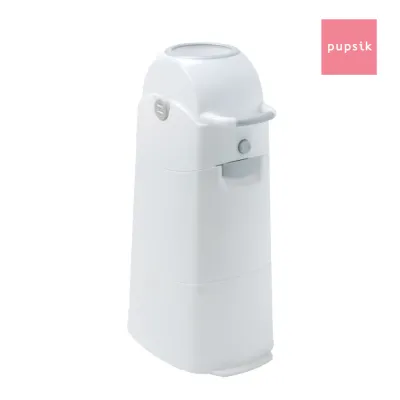
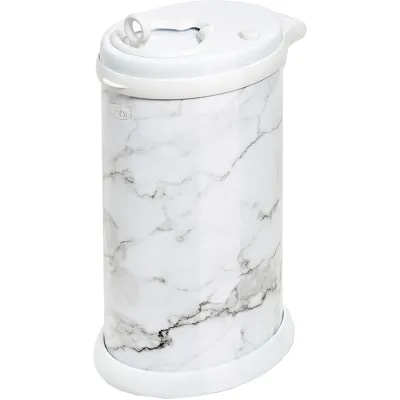
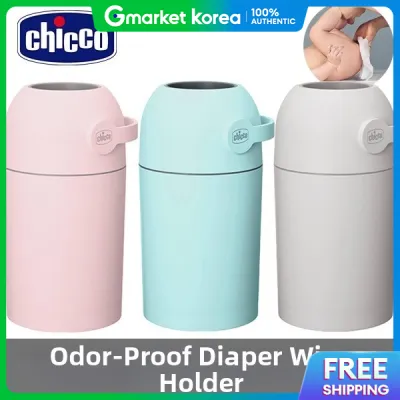
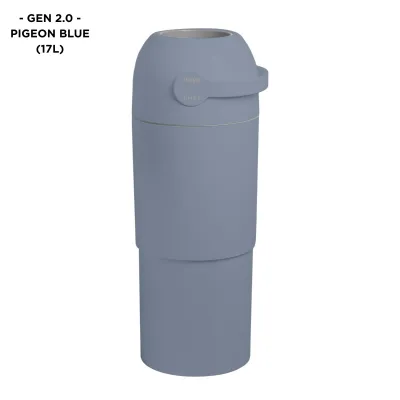
Prices are valid at publication and may change. Please refer to the product page for the latest price.
Understanding the Core Nappy Bin Mechanisms
Sealed (Odour-Locking) vs. Open (Standard Pedal) Bins
To understand how different nappy bins function, it helps to look at the mechanical barriers they use to isolate soiled diapers from your living space. Sealed bins are engineered specifically to combat odour transmission through a variety of mechanical closures. Some models utilize a spring-loaded trap door that opens briefly when you push a diaper down and then snaps shut immediately to minimize air exchange. Others employ a twisting mechanism that wraps each diaper individually in a layer of plastic film, or integrate active carbon filters inside the lid to absorb escaping gas molecules. These designs aim to prevent the puff of smelly air that typically escapes whenever a bin is opened.
Standard pedal bins, on the other hand, rely on a much simpler physical barrier. They consist of an outer shell with a basic lid that lifts when you step on a foot pedal and drops back down when you release it. There are no internal trap doors, twisting gears, or specialized airtight gaskets. The containment relies almost entirely on how tightly the lid rests against the rim of the bin and the thickness of the trash bag you use inside it. While this simplicity reduces mechanical complexity, it means that every time you step on the pedal to drop in a new diaper, a column of concentrated, stale air is pushed directly upward into your face.
This mechanical difference directly shapes your daily user experience, particularly when you are multi-tasking. Many sealed bins require you to physically push the soiled diaper through a rubber seal or drop it into a narrow chute, which can sometimes require a firm downward press. If you are holding a squirming infant in one arm after applying diaper cream, a manual push-through mechanism can feel clumsy or unhygienic. In contrast, a standard pedal bin offers true hands-free, one-handed operation: you step on the pedal, the lid swings wide open, you drop the diaper in from a distance, and you walk away. However, you must weigh this hands-free ease against the reality of frequent cleaning; standard bins require regular interior wipe-downs because they lack the protective internal barriers that keep soiled diapers from directly touching the bin’s inner walls.
Proprietary Refill Cassettes vs. Standard Bin Liners
The bagging system you choose dictates both the daily operation of your nappy bin and its long-term cost. Proprietary refill cassettes are plastic cartridges designed to fit perfectly into the rim of a specific brand’s nappy bin. These cassettes contain a long, continuous sleeve of specialized plastic film—often treated with antibacterial agents or multi-layer barrier technology designed to block odour molecules. As you fill the bin, you pull the film down, tie a knot at the bottom, and cut the film using an internal blade when the bin is full. This continuous tubing allows you to customize the bag size to some extent, but it binds you to a single manufacturer’s ecosystem.
Standard bin liners offer complete freedom and flexibility. With a standard pedal bin, you can use any commercial trash bag, biodegradable liner, or even leftover plastic grocery bags. This means you can easily adjust the thickness, size, and scent of your bags based on your immediate preferences. If you find a particular brand of scented trash bags that helps mask odours, you can easily switch to it without worrying about mechanical compatibility. Furthermore, standard bags are widely available at any local grocery store or online marketplace, meaning you will never find yourself in an emergency situation where you have run out of specialized refills and cannot use your nappy bin.
From a practical standpoint, running out of proprietary refills can disrupt your entire diapering routine, forcing you to resort to temporary bagging solutions that may not contain smells effectively. There is also an environmental dimension to consider. Continuous plastic tubing often results in more plastic waste per diaper because of the knots required at the top and bottom of each empty cycle, whereas single standard bags use a fixed amount of material. If environmental sustainability is a priority for your household, you will want to carefully inspect product packaging and manufacturer labels to verify if the proprietary refills or standard liners you plan to buy are made from recycled materials or carry certified biodegradable claims.
Key Decision Factors for Your Household
Family Size and Diaper Volume
The volume of diaper waste your household generates changes dramatically as your child grows, and this progression should heavily influence the type of bin you select. Newborn babies typically require frequent changes, often translating to 10 to 12 diapers within a single 24-hour period. While newborn diapers are physically small and their odours are relatively mild, the sheer frequency of changes means a small-capacity bin will fill up in a matter of days. As your baby transitions to solid foods and toddlerhood, the frequency of diaper changes decreases, but the physical size of each diaper—and the intensity of the odour—increases significantly.

If you have multiple children in diapers simultaneously, your daily diaper volume doubles, making bin capacity a critical logistical factor. In a multi-child household, a small, specialized refill bin will require emptying so frequently that you may find yourself burning through expensive proprietary cassettes at an unsustainable rate. In this scenario, a larger-capacity standard pedal bin often becomes the more practical and economical choice. It allows you to collect a larger volume of waste and empty it daily into your building’s main rubbish chute without worrying about the cost of the plastic film you are throwing away.
To avoid frustration, estimate your household’s weekly diaper volume before making a purchase. You can then compare this estimate against the capacity claims printed on nappy bin packaging. Keep in mind that manufacturer capacity ratings are typically based on highly compressed, newborn-sized diapers; real-world capacity for larger toddler diapers will always be lower than the number advertised on the box. Always verify these capacity limits on the specific product documentation to ensure the bin’s physical volume matches your household’s daily output.
Nursery Space and Bin Footprint
In compact living environments, such as urban apartments or HDB flats, floor space is at a premium. The physical footprint of a nappy bin determines where it can realistically sit within your nursery or bathroom layout. Bins generally fall into two design categories: slim, tall models that slide neatly into narrow gaps between changing tables and walls, and wider, shorter models that sit low to the ground. A wide bin may block walkways or prevent doors from opening fully in a small room, while a tall, slim bin maximizes vertical space and keeps the opening closer to hand height, reducing the need to bend down during diaper changes.
When planning your layout, look beyond the floor footprint and consider the clearance required to operate the bin. A pedal bin with a traditional flip-top lid requires significant vertical clearance to open fully; if you place it underneath a low shelf or a changing table extension, the lid may strike the furniture every time you step on the pedal. Conversely, bins with horizontal sliding trap doors or internal rotating drums require very little overhead clearance, making them much easier to tuck away under countertops or inside open closets. Measure your designated nursery space carefully before shopping, keeping these clearance angles in mind.
Placement within the room also affects how well the bin performs. Regardless of the sealing technology your bin uses, you should avoid placing it in direct sunlight, near air conditioning vents, or next to home heating sources. High temperatures and direct sunlight accelerate the decomposition of organic waste inside the diapers, leading to rapid gas buildup and stronger odours. Placing the bin in a cool, shaded, and well-ventilated corner of the room helps keep temperatures stable and minimizes the rate of bacterial growth inside the bag.
Budget: Upfront Cost vs. Long-Term Expenses
When evaluating nappy bins, it is helpful to look at the total cost of ownership over a one- to two-year period rather than focusing solely on the initial retail price. Standard pedal bins generally feature a very low upfront cost. Because they do not contain complex mechanical seals or proprietary cartridge docks, they are inexpensive to manufacture and purchase. Furthermore, their long-term operating cost is virtually negligible, as they utilize inexpensive household trash bags that you likely already buy in bulk as part of your regular grocery routine.
Specialized sealed nappy bins present a completely different cost structure. These units often carry a moderate to high upfront purchase price due to their specialized engineering, rubber gaskets, and odour-blocking materials. The true financial impact, however, lies in the recurring cost of the proprietary refill cassettes. Because these cassettes are designed specifically for each brand, you cannot easily swap them for cheaper generic alternatives without compromising the bin’s sealing performance. Over a year of continuous use, the cost of purchasing these specialized refills can easily outpace the initial cost of the bin itself.
To determine which model aligns with your household budget, perform a quick calculation of your estimated 12-month expenses. Estimate your average daily diaper usage, calculate how many refills you will need to purchase over a year based on manufacturer capacity guidelines, and add that to the upfront cost of the bin. This exercise will help you see past promotional pricing and understand the true long-term financial commitment of a refill-based system versus a standard utility bin.
Side-by-Side Comparison of Nappy Bin Types
To help you visualize how these two primary categories stack up against each other, the table below outlines the core differences in performance, cost, and daily operation. This comparison is based on the general mechanical characteristics of each system rather than specific brand claims.
| Feature | Sealed Refill Bins | Standard Pedal Bins with Regular Liners |
|---|---|---|
| Odour Control Mechanism | Double-seal trap doors, twisting mechanisms, or carbon filters | Physical lid closure and basic bag barrier |
| Ongoing Bag Cost | Higher ongoing cost (proprietary cassettes) | Negligible cost (standard household trash bags) |
| Daily Ease of Use | May require pushing diaper through seal; some offer hands-free twisting | Simple pedal step-and-toss; easy one-handed drop |
| Maintenance & Cleaning | Requires cleaning complex internal mechanisms and seals | Simple wipe-down of smooth interior surfaces |
| Best Suited For | Small, poorly ventilated rooms; families prioritizing maximum odour lock | Budget-conscious households; those emptying the bin daily |
When using this table to make your final decision, try to identify your household’s primary pain point. If your nursery is located in a small, enclosed room where even minor odours linger, prioritizing excellent odour control is likely worth the higher ongoing bag cost of a sealed refill bin. If you live in a home where you can easily walk to an external rubbish chute every evening, the budget-friendly, low-maintenance standard pedal bin becomes a highly practical and stress-free solution.
Maintenance, Hygiene, and Odour Management
No matter which type of nappy bin you choose, keeping it clean and sanitary requires a consistent maintenance routine. Over time, plastic can absorb volatile organic compounds from soiled diapers, leading to a lingering musty smell even when the bin is completely empty. To prevent this, establish a routine where you empty the bin completely at least once a week and wash the entire unit inside and out. Use mild soap and warm water to scrub the interior walls, paying close attention to any rubber seals, hinges, or trap doors where dust and moisture can accumulate.
After washing, it is absolutely critical to let the bin dry completely in a well-ventilated area—ideally in direct sunlight for a short period—before inserting a new liner. Trapping moisture inside a closed plastic bin creates a humid, dark environment that is highly conducive to mould growth and bacterial proliferation. To further manage odours safely in a nursery environment, you can sprinkle a thin layer of baking soda at the very bottom of the empty bin shell (beneath the plastic liner) to absorb residual moisture and neutralize acidic odour molecules. Alternatively, you can use child-safe, fragrance-free odour-absorbing discs if your bin design includes a dedicated compartment for them.
Before applying any cleaning agents, always check the manufacturer’s care instructions for your specific bin model. Harsh chemical disinfectants, bleach, or abrasive scrubbing pads can degrade soft silicone seals, damage internal spring mechanisms, or cloud the plastic finish. If your bin features an integrated carbon filter, remember that these filters have a limited lifespan and must be replaced periodically according to the manufacturer’s schedule to remain effective. Proper care ensures your bin remains functional and hygienic throughout your child’s entire diapering journey.
Frequently Asked Questions (FAQ)
Can I use regular trash bags in a refill nappy bin?
While it is physically possible to stretch a standard trash bag over the rim of some refill-based nappy bins, doing so usually bypasses the internal sealing mechanism that makes these bins effective. Refill bins are designed to work in tandem with the thin, continuous plastic film of proprietary cassettes, which feeds through narrow rollers, twisting gears, or spring-loaded trap doors. Using a standard, thicker household trash bag can prevent these parts from closing tightly, leaving gaps that allow odours to escape freely into your nursery. Additionally, forcing a non-compatible bag into the mechanism can jam the internal gears or strain the spring hinges, potentially causing permanent damage to the bin and voiding the manufacturer’s warranty.
How often should I empty a nappy bin to prevent odours?
As a general rule, standard pedal bins using regular liners should be emptied every 1 to 2 days to prevent odours from building up and escaping into your living space. Sealed refill bins, which isolate waste more effectively, can often go 3 to 5 days before emptying becomes necessary from an odour standpoint. However, environmental factors play a massive role in this timeline. In warm, highly humid climates, bacteria and mould multiply at an accelerated rate inside closed spaces. If your home is not constantly air-conditioned, you will need to empty any nappy bin more frequently—regardless of its sealing technology—to maintain a hygienic environment and prevent bacterial growth from taking hold inside the bin.
Are nappy bins necessary, or can I just use a regular bathroom bin?
A dedicated nappy bin is not an absolute necessity for every household, but rather a convenience upgrade. A standard bathroom bin with a tight-fitting lid can serve as a perfectly functional, budget-friendly alternative, provided you commit to a strict routine of wrapping each soiled diaper tightly in a small disposal bag and emptying the bin into your main household rubbish system daily. Dedicated nappy bins are designed to eliminate the need for these frequent trips, offering hands-free convenience, enhanced odour containment over several days, and a clean aesthetic that blends seamlessly into nursery decor. If you have easy, immediate access to an outdoor trash chute or bin, a regular bathroom bin may suit your needs perfectly; if you live in a high-rise apartment where trash disposal requires a trip down the lift, a dedicated nappy bin is often well worth the investment.
Community discussion
Share your experience or ask a question. Comments are reviewed before publication.